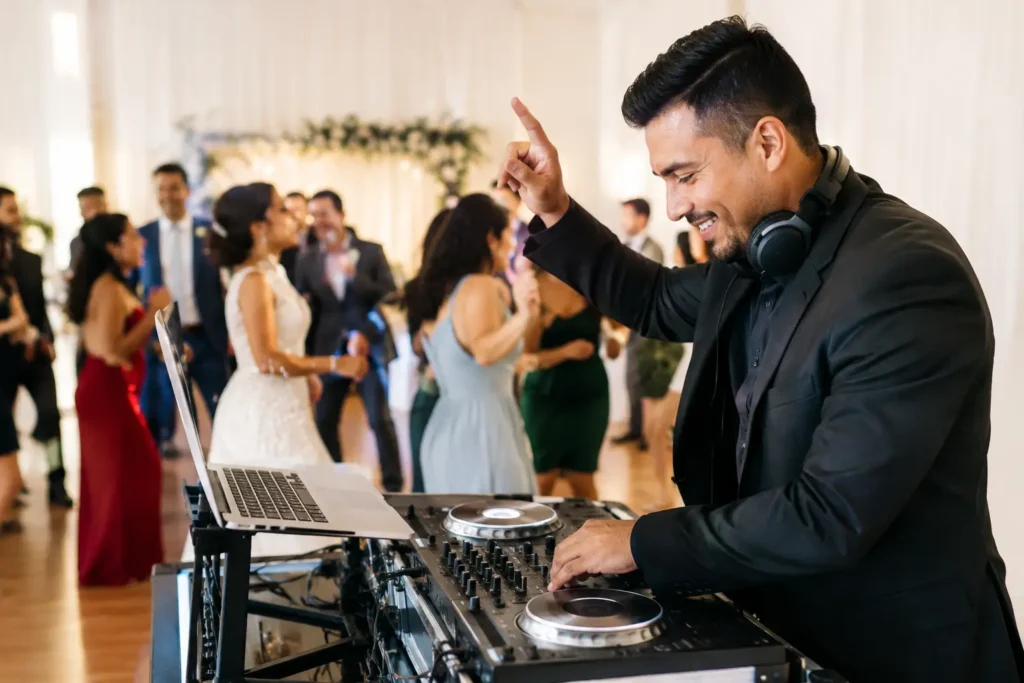

The lights drop, the props roll out, and the dance floor gets a second wind just when guests think the night is winding down. That is the magic of Hora Loca. Choosing the best songs for hora loca is not about stacking random party hits. It is about building a high-energy burst that feels celebratory, inclusive, and impossible to ignore.

For weddings and milestone events, Hora Loca often becomes the moment guests remember most. Grandparents are clapping, friends are dancing with glow sticks, the wedding party is leading the charge, and the photos suddenly look like a full-blown celebration. The right music creates that reaction. The wrong sequence can make even great songs feel disconnected.

What Makes a Hora Loca Song Work?

Hora Loca means crazy hour, but the music still needs direction. This high-energy tradition is popular across many Latin American celebrations, and every family may bring its own musical preferences, cultural traditions, and expectations. A great set should honor those preferences while making room for every generation on the floor.

The strongest Hora Loca songs have an immediate beat, a recognizable hook, and a chorus guests can sing or shout along with. Reggaeton, merengue, salsa, Latin pop, dance music, and a few universal crossover records all have a place. What matters most is the momentum between songs.

A good DJ also considers the room. A bilingual wedding with guests who love classic salsa may need a different mix than a younger crowd that wants reggaeton and club anthems. Clean versions matter, too, especially when children, parents, and grandparents are part of the celebration.

15 Best Songs for Hora Loca

These songs give a DJ plenty of fuel for a lively Hora Loca set. They are not meant to play in a rigid order. Think of them as crowd-tested building blocks that can be customized around your guests.

Latin party starters

  1. Danza Kuduro – Don Omar and Lucenzo

Few songs announce a party faster. The opening is instantly recognizable, and the rhythm brings people onto the floor before the chorus even hits.

  1. Gasolina – Daddy Yankee

This is a powerful early-set choice when the crowd needs a jolt. Its familiar chant creates a fun call-and-response moment for the entire room.

  1. Suavemente – Elvis Crespo

Merengue energy is made for Hora Loca. This classic works beautifully when guests are already moving and need a song that keeps the pace bright and playful.

  1. Vivir Mi Vida – Marc Anthony

For a joyful, sing-at-the-top-of-your-lungs moment, this one delivers. It also gives guests who may not know every newer hit a song they can enjoy together.

  1. La Vida Es Un Carnaval – Celia Cruz

This is pure celebration. It can bring generations together and adds a classic salsa flavor to a set that might otherwise lean heavily toward current music.

Reggaeton and Latin crossover heat

  1. Pepas – Farruko

When the room is ready for a peak-energy record, this track delivers a huge electronic lift. Use a clean version and place it after the floor has already built momentum.

  1. Mi Gente – J Balvin and Willy William

The beat is immediate, international, and easy to move to. It is especially effective alongside props, CO2 effects, or lighting changes.

  1. Taki Taki – DJ Snake, Selena Gomez, Ozuna, and Cardi B

This track brings a dramatic club feel and works well for a younger, nightlife-ready crowd. A clean edit keeps it event-appropriate.

  1. Baila Baila Baila – Ozuna

Smooth, upbeat, and easy to blend, this is a strong choice for maintaining the groove without losing intensity.

  1. Despacito – Luis Fonsi and Daddy Yankee

Its worldwide familiarity makes it a smart bridge between Latin music fans and guests who simply know a great pop hit when they hear one.

Universal dance-floor finishers

  1. Temperature – Sean Paul

This record has a bouncy rhythm that works naturally beside reggaeton and dancehall. It keeps the set moving without feeling like an abrupt genre change.

  1. Timber – Pitbull and Kesha

Big chorus, easy lyrics, and a party-ready drop make this a reliable crossover selection for mixed-age wedding crowds.

  1. Yeah! – Usher featuring Lil Jon and Ludacris

A familiar throwback can reset the room in the best way. This one gives guests a reason to yell the chorus and jump back into the action.

  1. Party Rock Anthem – LMFAO

For a crowd that loves coordinated movement, this is a natural fit. It pairs well with dancers, hats, inflatable instruments, and fun MC-led participation.

  1. September – Earth, Wind & Fire

Not every Hora Loca needs to end with the newest club record. This classic creates a feel-good finish that can keep parents, friends, and the wedding party dancing together.

Build the Hora Loca in Waves, Not One Long Sprint

The most memorable Hora Loca sets usually run about 30 to 60 minutes, depending on the event timeline and guest energy. Starting at maximum intensity can work for some crowds, but it often burns through the biggest moments too early. Build the experience in waves instead.

Open with a familiar Latin anthem such as Danza Kuduro or Gasolina while the props enter. Follow with a few songs that establish the rhythm, then raise the stakes with a major crossover hit. Once the floor is packed, bring in the biggest peak records, such as Pepas or Mi Gente. After that, a classic singalong can give the room a breath without letting the excitement disappear.

The final few songs should feel like a victory lap. This is the point for an anthem that unites the crowd, great lighting, and a strong MC presence. Guests should feel like they were part of a real moment, not just a playlist playing in the background.

Match the Music to Your Guests and Your Props

Music and visual energy should work together. LED foam sticks, carnival masks, feathered headpieces, glow necklaces, inflatable guitars, and party hats all look better when the music has a clear pulse. If you are adding dancers, drummers, or a photo booth nearby, leave enough room for guests to move without creating congestion around the dance floor.

For a wedding, consider the guest list before finalizing your selections. If the couple has Puerto Rican, Dominican, Colombian, Venezuelan, Cuban, Mexican, or other Latin American family traditions, ask which songs feel essential. That conversation can reveal classics that mean more than a chart-topping hit ever could.

It also helps to identify a few songs to avoid. Some couples want no explicit music, some want less club music, and others want a Hora Loca that leans almost entirely into salsa, merengue, bachata, or regional favorites. Personalization is what turns a fun idea into a celebration that feels like yours.

Common Hora Loca Music Mistakes

The biggest mistake is treating Hora Loca like a random playlist of loud songs. Volume alone does not create energy. Songs need clean transitions, recognizable moments, and a DJ who can react when the crowd responds more strongly to one style than another.

Another mistake is forgetting the timing. Hora Loca should arrive when guests are ready for a surprise, not when dinner is still being served or when half the room has already left. At weddings, it often works best after the formal dances and open dancing have had time to build.

Finally, do not overlook the MC. A well-timed announcement, a countdown, or an invitation for the wedding party to lead the floor can turn hesitant guests into active participants. The music gets attention, but confident event direction gets people moving.

At Electrified DJ Services, we plan Hora Loca moments around the couple, the crowd, and the flow of the full event. From bilingual entertainment to immersive lighting and photo booth fun, the goal is simple: keep the room energized while making the experience easy to enjoy.

The best Hora Loca is not defined by one perfect song. It is the moment your favorite people stop watching, grab a prop, join the floor, and celebrate like the night is not over yet.

Your wedding photos should bring back more than the look of the room. They should bring back the squeeze of your parent’s hand before the ceremony, the roar when your crew fills the dance floor, and the split-second expressions you did not get to see. Choosing a union nj wedding photographer is about finding someone who can capture that energy while keeping the day calm, organized, and fully yours.

The right photographer is not simply the person with the prettiest social feed. Weddings move quickly, lighting changes constantly, family dynamics can get complicated, and the reception rarely follows a perfect script. You need a professional who knows how to create great images in the middle of real moments.

What a Union NJ Wedding Photographer Should Handle

A strong wedding photographer does more than show up for portraits and wait for the first dance. They help protect the pace of the day. That begins before the wedding, when they learn your timeline, must-have family groupings, venue details, cultural traditions, and the moments that matter most to you.

On the day itself, they should know when to direct and when to disappear. During family formals, clear direction keeps everyone from wandering off to cocktail hour. During the ceremony, quiet awareness matters more than constant posing. At the reception, the best photos often happen between the big scheduled events: a grandmother laughing with the flower girl, your friends reacting to a toast, or a packed dance floor at the exact right song.

For couples in Union and across Northern New Jersey, local experience can make a real difference. A photographer familiar with area venues, traffic patterns, parking limitations, and tight event timelines is better prepared to keep portraits moving without making you feel rushed.

Look Beyond Highlight-Reel Images

Every photographer can post a handful of beautiful sunset portraits. Ask to see complete wedding galleries instead. A full gallery tells you whether the photographer delivers consistently in bright daylight, dim ballrooms, rainy entrances, crowded dance floors, and fast-moving family moments.

Pay attention to skin tones, color consistency, and flash photography. Reception lighting is often dramatic, especially when uplighting, intelligent lighting, or party effects are part of the celebration. You want photos that preserve the excitement without turning everyone orange, overly shadowed, or washed out.

Also look for emotion. Are people actually enjoying themselves? Do the images feel natural, or does every moment look staged? A polished photo is great. A polished photo that still feels like your real wedding is better.

Match the Photography Style to Your Wedding Energy

Before comparing packages, talk about the kind of experience you want. Some couples love editorial portraits with lots of guidance and fashion-inspired framing. Others want a documentary approach where the photographer blends into the day and captures things as they unfold. Most weddings benefit from a mix of both.

You may want confident direction for your couple portraits, wedding party photos, and family groupings. Then, once the reception begins, you may prefer candid coverage that captures the party in motion. There is no single best style. It depends on your personality, your venue, your timeline, and how much of the day you want to spend taking photos.

If a high-energy reception is a priority, tell your photographer that upfront. Let them know if you are planning a grand entrance, choreographed first dance, cultural music, Hora Loca, or a dance floor that is expected to go all night. Those moments require a photographer who anticipates action rather than reacting after it has already happened.

Ask How They Work With Your DJ and MC

Photography and entertainment should feel connected, not like separate vendors competing for space or attention. Your DJ and MC drive the timeline, announce key moments, build anticipation, and keep guests engaged. Your photographer needs to know where to be before the bouquet toss, parent dances, cake cutting, or surprise performance begins.

Ask prospective photographers how they coordinate with the entertainment team. Do they request a final timeline? Do they communicate before major moments? Can they work comfortably around dance floor lighting and live crowd interaction?

When your event team is aligned, you get more than better photos. You get fewer interruptions, smoother transitions, and more time actually celebrating. At Electrified DJ Services, that coordination matters because music, lighting, media, and guest energy all shape the moments worth capturing.

Questions Worth Asking Before You Book

A consultation should feel like a conversation, not a pressure pitch. Bring your priorities and ask direct questions about how the photographer handles a real wedding day. Their answers should be specific and easy to understand.

Ask how many hours of coverage are included and what parts of the day they recommend covering. Eight hours may work beautifully for a single-location wedding with a straightforward timeline. If you have separate getting-ready locations, a church ceremony, a long drive, or a late-night celebration, additional coverage may be worthwhile.

Ask whether a second photographer is included or available. A second shooter can be especially valuable for large weddings, separate getting-ready coverage, or ceremonies where you want both your reaction and your partner’s reaction photographed. It is not mandatory for every wedding, but it can add meaningful perspective.

You should also ask about turnaround time, the estimated number of final images, image delivery, backup equipment, and what happens if the photographer has an emergency. A professional should have a clear plan for protecting your files and a reliable network or backup process in place.

Finally, ask what they need from you to succeed. The best vendors will not pretend they can create magic without your input. A family photo list, a realistic timeline, and a quick conversation about sensitive family relationships can save time and prevent uncomfortable mistakes.

Build a Photo Timeline That Leaves Room to Enjoy Yourself

The biggest photography mistake is not choosing the wrong filter or forgetting a trendy pose. It is creating a timeline with no breathing room. When hair and makeup run late, transportation gets delayed, or relatives are difficult to gather, a packed schedule can turn a happy day into a stressful one.

Give your photographer enough time for the essentials: getting-ready details, individual portraits, first look if you choose one, wedding party photos, family formals, couple portraits, ceremony coverage, and reception events. Then add small buffers. Ten extra minutes can be the difference between relaxed portraits and racing through them.

A first look is worth considering if you want more time with guests at cocktail hour. It is not required, and some couples prefer the traditional reveal at the ceremony. But it can make the schedule easier, especially during fall and winter when daylight disappears early. The choice should reflect your feelings, not pressure from a checklist.

If you are planning portraits outdoors, have a weather backup. Northern New Jersey weather can change quickly, and a prepared photographer will know how to use covered areas, windows, architectural details, and indoor lighting without making rainy-day photos feel like a compromise.

Don’t Forget the Reception Details

Couples often focus on ceremony portraits and overlook the reception until the night is already moving fast. Make time for photos of the room before guests enter if décor, lighting, sweetheart-table details, or personalized signage matter to you. Once the party starts, those details may be moved, covered, or surrounded by happy guests.

Reception coverage should also reflect what you invested in to create the atmosphere. If you have immersive lighting, a photo booth, special effects, live streaming, or a lively bilingual celebration, those elements are part of the story. Great reception photography shows the room as it felt, not just what it looked like.

This is especially true for the dance floor. A photographer who understands party energy will get close enough to capture movement and connection while still reading the room. The result is not a collection of distant crowd shots. It is proof that your guests showed up, celebrated hard, and helped make the night unforgettable.

Choose Confidence, Not Just a Package Price

Photography pricing matters, but the lowest number is rarely the full story. Compare the actual coverage, experience, communication, editing quality, backup plan, and comfort level each professional brings. A package that looks less expensive at first may not include enough hours, a second shooter, or the final deliverables you assumed were included.

Your photographer will be beside you during some of the most personal parts of the day. You should feel comfortable with their presence and confident in their ability to take charge when needed. Trust matters. So does the ability to laugh, stay flexible, and keep the mood positive when the schedule needs an adjustment.

Book the photographer whose work feels like your wedding and whose process makes the day feel easier. When the music starts, the room fills, and everyone you love is in one place, you deserve to be present for it. The right team will make sure you can relive it for years.

A packed dance floor does not happen by accident. Neither does a smooth grand entrance, a toast that starts on time, or a room full of guests who know exactly what is happening without feeling bossed around. If you have been asking what does wedding mc do, the short answer is this: they keep your reception moving, your guests engaged, and your celebration feeling polished from start to finish.

That sounds simple until you see what can go wrong without one. Dead air between formalities, confused vendors, missing family members during introductions, and a timeline that drifts off course can change the whole energy of the night. A strong wedding MC helps prevent that. They are not just making announcements. They are managing momentum.

What does wedding MC do during a wedding?

A wedding MC is the voice of the reception, but the job goes far beyond speaking into a microphone. They guide the event from one moment to the next, help set the tone, and make sure guests know when to celebrate, when to gather, and when to pay attention.

At a practical level, the MC introduces key moments like the wedding party entrance, your first dance, parent dances, toasts, cake cutting, and any special traditions you want included. They also communicate with your DJ, photographer, videographer, banquet staff, and planner so everyone is ready before each major moment starts.

At a higher level, they control the flow of the room. That matters more than most couples realize. A reception has natural peaks and valleys. Guests arrive, settle in, eat, mingle, and shift in and out of party mode. A skilled MC reads that energy and keeps the event from feeling flat, rushed, or awkward.

The wedding MC is part host, part coordinator, part crowd leader

A great MC wears a few hats at once. One minute they are welcoming guests and building excitement. The next, they are checking whether the photographer is in place for the first dance or whether the best man is actually in the room before the toast begins.

This is where experience shows. Anyone can read names from a list. Not everyone can hold a room, sound confident, pronounce names correctly, keep things on schedule, and stay flexible when the timeline changes.

That flexibility matters because weddings rarely run exactly as written. Hair and makeup can go long. Family photos can take extra time. Dinner service can shift. A seasoned MC adjusts on the fly without making the couple feel stressed or making guests feel the event is off track.

What a wedding MC typically handles

Before the reception even starts, the MC usually helps review the timeline and key details. That can include name pronunciations, entrance order, special songs, must-mention announcements, cultural traditions, and any sensitive family dynamics that affect how formalities should be introduced.

During the event, the MC often handles the grand entrance, welcomes guests, invites everyone to dinner, introduces toasts, announces dances, and cues specialty moments. They may also make practical announcements, like directing guests to the photo booth, inviting tables to the buffet, or letting everyone know when dessert is open.

The best MCs do all of this without sounding stiff or overproduced. The goal is not to dominate the room. The goal is to keep the room connected.

Why the MC and DJ need to work together

A lot of couples assume the DJ and MC are separate jobs, and sometimes they are. But even when one company provides both, they still need to work as a team. The MC builds anticipation with the spoken moments, and the DJ reinforces that energy with music timing, transitions, and crowd reading.

When those roles are not aligned, the reception can feel choppy. The MC may be ready for introductions while the music is not cued. The DJ may be waiting for a signal that never comes. The result is hesitation, and guests can feel it.

When the MC and DJ are in sync, the room feels effortless. Your entrance lands at the right moment. Toasts begin cleanly. Formalities do not drag. Dance sets start with purpose. That coordination is a big reason many couples prefer one entertainment team rather than piecing together separate vendors.

What does wedding mc do that a venue coordinator does not?

This is one of the most common points of confusion. A venue coordinator and a wedding MC can both support the timeline, but they are not doing the same job.

A venue coordinator is usually focused on the property, catering service, staffing, and room logistics. They make sure the space is ready, food is served, and the venue side stays on track. That is essential, but it is not the same as directing the guest experience.

The MC is focused on the human energy in the room. They communicate directly with guests, lead the formal moments, keep attention where it needs to be, and help the celebration feel lively and organized. One role manages operations. The other manages flow and engagement. The strongest receptions usually have both covered.

The right MC changes the guest experience

Guests may not always remember every song that played during cocktail hour, but they absolutely notice whether a reception feels smooth and fun. They notice when introductions are exciting, when speeches start without confusion, and when the room never slips into long awkward pauses.

That is the real value of a wedding MC. They protect the energy of the event.

This is especially important at weddings with a mixed crowd. Different age groups, friend circles, and family personalities all bring different expectations. Add in bilingual guests or cultural traditions, and clear communication becomes even more important. A capable MC helps every guest feel included and informed without making the event feel overly scripted.

Not every couple needs the same MC style

There is no single “right” way to MC a wedding. It depends on the kind of celebration you want.

Some couples want a high-energy personality who can fire up the room, build hype for the entrance, and keep the dance floor buzzing all night. Others want a more polished, understated MC who speaks with confidence but keeps the spotlight firmly on the couple. Most weddings land somewhere in the middle.

That is why style matters just as much as experience. A great MC should fit your crowd, your priorities, and your overall vibe. If your wedding is elegant and formal, your MC should know how to lead with polish. If your reception is full-throttle and party-driven, they should know how to bring that energy without sounding forced.

Signs you have a strong wedding MC

You can usually spot a strong MC by how natural they feel. They are clear, confident, and never rambling. They know when to speak and when to let the moment breathe. They can get attention without sounding demanding. They are organized behind the scenes and upbeat in front of the crowd.

They also prepare. That means checking pronunciations, confirming timing, coordinating with vendors, and understanding your must-have moments before the event starts. Good MC work is not improvised chaos. It is prepared performance with room to adapt.

One more thing matters here: restraint. A wedding MC should have personality, but they should not act like the event is about them. If the MC is constantly talking, forcing jokes, or interrupting the flow, that can wear on guests fast. The best ones know how to elevate the room without taking it over.

Should every wedding have an MC?

For most receptions, yes. The bigger the guest count and the more moving parts involved, the more valuable an MC becomes.

A very small dinner with minimal formalities might not need a dedicated master of ceremonies in the traditional sense. But if you are planning entrances, speeches, dances, multiple vendors, a full reception timeline, or a lively dance party, someone needs to lead the room. Leaving that role undefined usually means the couple, a family member, or the DJ ends up scrambling in the moment.

That is not where you want your energy on your wedding day.

A professional MC brings structure without making things feel stiff. They help the night feel intentional, exciting, and easy for everyone attending. For couples who want a reception that feels smooth from the first introduction to the last song, that is not an extra. It is part of what makes the celebration work.

If you are choosing entertainment for your wedding, do not just ask about playlists and speakers. Ask how the night will be led, how the timeline will be managed, and who will keep your guests connected to every big moment. That answer tells you a lot about how your reception will actually feel when the room is full and the music starts.

You are standing at the ceremony, the vows start, and the first row can barely hear a word. That is the moment couples realize this question matters: do DJs provide ceremony microphones? Often, yes. But not every DJ includes ceremony sound, not every setup is equal, and not every package covers the microphones, speaker placement, and backup gear needed for a clear, stress-free “I do.”

For weddings and private events, ceremony audio is not a small add-on. It is the difference between guests leaning in and guests actually hearing the officiant, your vows, and every meaningful reading. If your DJ is handling music for the day, there is a good chance they can also handle ceremony microphones. The better question is what kind of ceremony audio coverage they provide, what is included, and whether their setup fits your venue and timeline.

Do DJs provide ceremony microphones for weddings?

In many cases, yes. Wedding DJs commonly offer ceremony microphones as part of a ceremony package or as an upgrade added to reception entertainment. A professional event DJ may provide a full ceremony sound system that includes wireless microphones, a dedicated speaker, a mixer or controller, and someone managing the audio in real time.

That said, this is not automatic across the board. Some DJs focus only on receptions. Others provide ceremony music but expect the officiant or venue to handle microphones. Some include one wireless mic, while others build out a more complete setup with separate microphones for the officiant, couple, and readers.

This is where planning saves you headaches. If your ceremony and reception happen at the same venue, couples sometimes assume the DJ will simply “use the same sound system.” In reality, the ceremony may need its own dedicated setup, especially if it is outdoors, in another room, or on a different floor. Moving equipment takes time, and timing at weddings is tight.

What ceremony microphone setup should a DJ provide?

A solid ceremony setup usually starts with the officiant. In most weddings, the officiant is the person who speaks the most and needs the clearest coverage. A wireless lapel mic or a handheld mic on the officiant often picks up the key moments well enough for guests to hear the ceremony naturally.

For larger guest counts or more formal ceremonies, a second microphone may be needed for readings, musicians, or special speakers. If your ceremony includes scripture readings, personal letters, or family participation, one mic is rarely enough. If the DJ is experienced with weddings, they will ask about the ceremony flow and recommend the right setup instead of handing you a generic answer.

Speaker placement matters too. One speaker in the wrong spot can create uneven sound or feedback. Outdoor ceremonies usually need more attention because there are no walls to help carry sound. Wind can also affect mic clarity, and open spaces often require stronger coverage than couples expect.

Good DJs think through these details before the event. Great DJs also plan for what happens if something fails.

What is usually included and what costs extra?

This is where couples get tripped up. A DJ saying “yes, we provide microphones” does not always mean a full ceremony sound package is included in the base price.

Sometimes the package includes one speaker and one wireless microphone. Sometimes it includes ceremony music cues, microphone support for the officiant, and prelude music as guests arrive. Other times, the ceremony is billed separately because it requires extra equipment, earlier arrival, additional staff, or setup in a second location.

If your venue has multiple event spaces, stairs, limited access, or strict load-in times, the DJ may need more labor and more gear than you would think. If your ceremony is off-site from the reception, that can also affect pricing.

None of this is a red flag. It is just a reminder that ceremony audio is a real production element. The cheapest quote is not always the one that protects the moment best.

Questions to ask before you book

The easiest way to avoid confusion is to get specific. Ask whether ceremony microphones are included or added separately. Ask how many microphones are provided and whether they are handheld, lapel, or headset style. Ask if the DJ will provide audio for the officiant only, or for readings and musicians too.

You should also ask whether the ceremony has its own speaker system, who runs the sound during the processional and vows, and whether backup microphones are available on-site. If your ceremony is outside, ask how they handle wind, battery life, and coverage for larger guest counts.

One more big question: who is actually in charge of timing? A polished ceremony depends on somebody hitting the right music cue at the right second and adjusting levels as people speak. That should not be left to chance.

Why experienced wedding DJs handle this better

Ceremony audio is not only about equipment. It is about execution.

An experienced wedding DJ knows that the processional song cannot start late. They know readers hold microphones too low, officiants sometimes step away from the mic, and family members can speak softly when emotions hit. They know how to keep things audible without making the ceremony feel overproduced.

That matters even more at multicultural and bilingual weddings. If your ceremony includes multiple speakers, two languages, or special traditions, clear microphone management becomes even more important. Every guest should feel connected to the moment, not confused about what was said.

This is one reason couples often prefer working with a full-service entertainment team. When one company handles event flow, music, MC support, and ceremony sound, communication is tighter and there are fewer moving parts. You are not chasing down the venue, the officiant, and a separate audio provider to figure out who brought what.

Indoor vs. outdoor ceremonies

Indoor ceremonies are usually easier to amplify, but they still need planning. Some banquet rooms have awkward acoustics, low ceilings, or noise bleed from nearby spaces. A microphone can fix volume, but it cannot fix poor placement or rushed setup.

Outdoor ceremonies look beautiful in photos, but they are less forgiving with sound. Wind, traffic, fountains, and open air all compete with your voices. If your DJ treats outdoor ceremony audio as a basic afterthought, guests will notice.

For outdoor events, ask whether the system is designed specifically for ceremony use and whether it has enough coverage for your guest count. A backyard ceremony with 30 guests is different from a country club lawn with 180 people. The setup should reflect that.

Venue sound systems are not always the answer

Some couples assume the venue’s in-house sound system will cover the ceremony. Sometimes it can. Sometimes it absolutely should not.

Venue systems vary a lot. Some are excellent and professionally maintained. Others are built for background music, not live vows. In some spaces, the venue may provide a microphone but no one dedicated to managing sound levels, cueing music, or troubleshooting issues on the spot.

That is why many couples still prefer a DJ-led ceremony setup, even at a venue with built-in audio. A wedding DJ is focused on your timeline and your guest experience. They are not balancing five other event spaces at the same time.

Do you need more than one microphone?

Usually, yes – or at least you should consider it.

If your ceremony is simple, one officiant microphone may be enough. But once you add readings, live musicians, guest speakers, or special cultural elements, additional microphones make the event smoother. Sharing one microphone between multiple people during a ceremony can feel clunky and distract from the moment.

This is another place where a customized plan matters. The right setup depends on your guest count, layout, and ceremony structure. A good DJ will not oversell you gear you do not need, but they also should not under-prepare for a once-in-a-lifetime moment.

The best answer is not just yes or no

So, do DJs provide ceremony microphones? Yes, many do. But the real answer is that it depends on the company, the package, the venue, and how seriously they take ceremony production.

For couples planning a wedding, the smarter move is to ask how the ceremony will sound from the back row, not just whether a microphone is available. Clear vows, clean music cues, and reliable equipment are part of what makes a ceremony feel polished. That kind of detail is where a good event team earns its value.

If you are booking entertainment for your big day, make sure ceremony audio is part of the conversation early. The right setup lets everyone hear the words that matter most – and that is one part of your wedding you should never have to repeat.

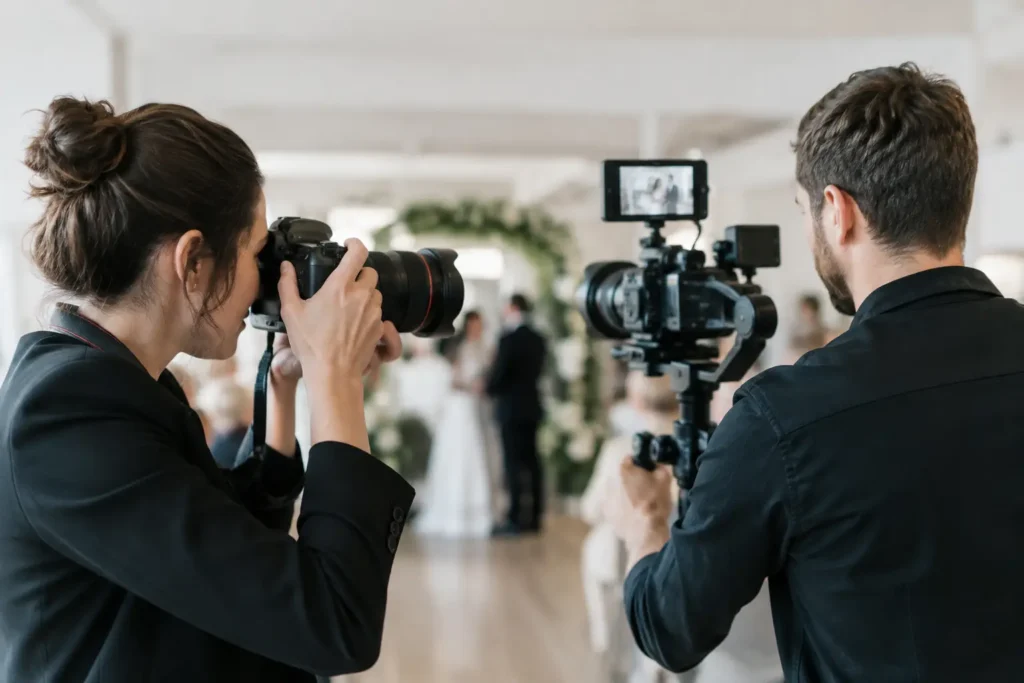
The music starts, the doors open, and suddenly the day you spent months planning is moving fast. If you’re asking, should I hire wedding videographer services, you’re really asking a bigger question – what parts of this day do I want to relive after it’s over?

Photos freeze the big moments beautifully. Video gives them motion, sound, energy, and context. You hear the laughter during the best man’s toast, the crack in your voice during your vows, the cheer when you’re introduced, and the way your dance floor actually felt once the party kicked in. For a lot of couples, that difference matters more than they realize until the wedding is over.

Should I Hire Wedding Videographer Services or Skip It?

There isn’t one right answer for every couple. Some weddings absolutely benefit from video. Others may be better served by putting that budget into photography, entertainment, lighting, or guest experience. The key is knowing what videography actually delivers instead of treating it like a checkbox.

If your wedding includes emotional speeches, cultural traditions, surprise performances, live music, or a packed dance floor, video tends to be worth a serious look. Those are moments that lose a lot when they exist only as still images. A photo can show your father holding the mic. Video lets you hear what he said, how the room reacted, and what your face looked like when it hit you.

If you are very private, keeping the wedding small, or already stretching your budget thin, it may not be essential. Not every couple wants a cinematic edit or full ceremony recording. The smartest decision is the one that matches how you want to remember the day, not what social media says you should book.

What Wedding Video Captures That Photos Can’t

This is where the decision usually becomes clear. Wedding photography and wedding videography are not competing services. They do different jobs.

Photography is perfect for portraits, detail shots, family formals, and those frame-worthy images you’ll print and post. Videography captures movement, timing, and sound. That means the vows, the applause, the music, the entrance energy, and the little in-between moments that make your wedding feel like your wedding.

For couples who care about atmosphere, video can be especially powerful. You’re not just seeing centerpieces and outfits. You’re seeing your guests on the dance floor, your grandparents clapping during the hora, your friends losing it during the last song, and the full momentum of the celebration. If entertainment is a big part of your wedding vision, video often becomes more valuable.

That’s especially true when the night is designed to feel alive. Great DJs, MCs, lighting, and crowd interaction create moments that are meant to be experienced, not just photographed. Video is what preserves that energy.

The moments couples often miss in real time

One of the biggest surprises after a wedding is how much the couple didn’t personally see. You might be taking sunset photos while cocktail hour is happening. You might miss your flower girl owning the dance floor because you’re greeting guests. You might barely remember your own reception entrance because it happened in a blur.

A good videographer catches those gaps. Not in a staged, overproduced way, but in a way that lets you watch your own wedding as a guest would have experienced it.

When Hiring a Wedding Videographer Makes the Most Sense

Videography tends to be a strong investment when the day includes a lot of once-only moments. Personal vows are a big one. So are speeches from family members who don’t often get up and speak. If there are multilingual elements, family traditions, or cultural celebrations that carry real emotional weight, video preserves them in a fuller way.

It also makes sense when loved ones can’t attend. A professionally captured ceremony or recap film can help absent family members feel closer to the day. For some couples, that alone justifies it.

Then there’s the party factor. If you’ve spent time building a great reception experience – music, lighting, photo booths, live moments, crowd participation – it makes sense to consider how that atmosphere will be remembered. Couples often invest heavily in entertainment because they want the room to feel electric. Videography is one of the few ways to hold onto that feeling after the last dance.

When It Might Be Okay to Skip It

Not every wedding needs a videographer. If your budget is tight and you’re choosing between core services, photography usually comes first. A strong photographer is non-negotiable for most weddings. From there, it becomes a matter of priorities.

You may also skip video if you know you’re unlikely to watch it. Some couples want a short highlight clip and nothing more. Others are not especially sentimental about hearing speeches back or watching themselves on camera. That’s completely fair.

The real mistake is booking videography because you feel pressured, then cutting something you care about more. If your top priorities are packed dance floors, bilingual MC support, extra coverage for guests, or a smoother all-in-one experience, those may be the better use of your budget.

Ask yourself these real-world questions

Instead of asking whether videography is “worth it” in general, ask whether it’s worth it for your wedding.

Would you want to hear your vows again in five years? Do you expect emotional speeches? Are there family members whose voices or personalities you’d love to preserve? Is your reception built around big energy and guest interaction? If the answer is yes to several of those, video usually carries real long-term value.

Budget Trade-Offs to Think Through

This is where couples need honesty, not hype. Wedding videography is not cheap, and it shouldn’t be. Good video coverage requires planning, professional gear, audio capture, multiple angles, editing time, and someone who can move through a live event without missing key moments.

But expensive does not automatically mean necessary. If adding a videographer creates stress in the rest of your budget, step back and compare the trade-offs clearly. Would that money improve your day more if it went toward a better DJ, additional reception lighting, extended photo coverage, or a coordinated entertainment and media package?

Sometimes the best answer is not a full-scale video package. It may be ceremony coverage only, a highlight film, or bundling services with a team that already works together. When entertainment, photography, and videography are coordinated by one experienced event company, the day often runs more smoothly because everyone is aligned on timeline, entrances, speeches, and reception flow.

That kind of coordination can be a big advantage for busy couples who want less vendor juggling and fewer planning headaches.

How to Decide Without Regretting It Later

The easiest way to decide is to picture what you’ll care about after the wedding. Not what looks nice on a booking sheet. Not what someone else did. What you will actually want to revisit.

If you picture yourself rewatching your ceremony, hearing your parents’ speeches, seeing your guests dance, and reliving the overall energy of the room, videography is probably a smart move. If what matters most is a great album, a fun guest experience, and staying within budget, you may feel better investing elsewhere.

There’s also a middle ground. Many couples don’t need every possible add-on. They need the right coverage for the parts of the day that matter most. A practical conversation with your vendor about priorities can save money and lead to a better result.

For example, if your reception is where the real magic happens, make sure that part gets proper attention. If your ceremony is deeply personal, prioritize clean audio and uninterrupted coverage. If your family is the heart of the day, ask how candid interactions are captured. Good planning beats oversized packages every time.

So, Should I Hire a Wedding Videographer?

If your wedding is going to be rich in emotion, personality, sound, and celebration, a videographer can be one of the most meaningful bookings you make. If your priorities are different, it’s okay to skip it and put your budget where it will have the biggest impact.

The best weddings are not built from random add-ons. They’re built from thoughtful choices that reflect what you care about most. And if reliving the voices, movement, and energy of the day matters to you, wedding video stops feeling optional very quickly.

Your wedding will go by fast no matter how well it’s planned. The real question is whether you want memories that show what happened, or memories that let you feel it again.

The moment guests walk into your reception, they start reading the room. Is the energy warm? Does the timeline feel organized? Are people excited to participate, or quietly waiting for someone to tell them what happens next? That is where wedding DJ and MC services make a real difference. This is not just about pressing play on a playlist. It is about running the pace of the night, protecting key moments, and creating the kind of celebration people actually remember.

For couples planning a wedding, that difference matters more than it seems at first. You can have a beautiful venue, great food, and thoughtful decor, but if the reception drags, transitions feel awkward, or the dance floor never takes off, guests feel it. A strong DJ and MC team helps the night feel effortless, even though there is a lot happening behind the scenes.

What wedding DJ and MC services include

A wedding DJ handles the music, but the best ones do much more than build a song list. They help shape the mood from the first guest arrival through the final dance. That means choosing the right music for cocktails, dinner, introductions, formal dances, open dancing, and any cultural or family moments that matter to you.

The MC side is just as important. An MC guides the event with a clear, confident voice. They introduce the wedding party, announce important moments, coordinate with vendors, and keep guests informed without taking over the room. Done well, MCing feels natural. Guests know what is happening, your photographer is ready for the key shots, and your reception keeps moving without feeling rushed.

This combination matters because weddings are live events, not playlists. A wedding reception has rhythm. There are peaks, pauses, surprises, and timing changes. Someone needs to read the room in real time and adjust. A DJ watches the crowd. An MC watches the flow. Together, they help create a celebration that feels polished and personal.

Why couples book wedding DJ and MC services instead of separate vendors

There are couples who consider hiring a DJ for music and asking a friend, coordinator, or relative to handle announcements. Sometimes that works for a very casual celebration. More often, it creates gaps.

The issue is coordination. When the DJ and MC are part of the same entertainment team, communication is tighter. The person speaking knows exactly when the music will hit. The person controlling the music knows exactly when a toast is wrapping up, when a parent dance is ready to start, or when the room needs a quick reset before bringing everyone back to the floor.

That matters during introductions, cake cutting, toasts, and grand exit moments. It also matters during the less visible parts of the night, when you need someone to manage a delay from catering, hold a special song for a late-arriving guest, or shift the order of events because the energy in the room says it is time to dance now, not twenty minutes from now.

There is also a guest experience factor. Professional wedding DJ and MC services create consistency. You are not relying on an enthusiastic but nervous friend with a microphone. You are working with people who know how to speak to a crowd, pronounce names correctly, keep the tone right, and make announcements that are heard without sounding stiff or cheesy.

The real job: keeping the wedding moving

A successful reception usually feels easy from the outside. Guests enjoy themselves, events happen at the right time, and the dance floor builds naturally. Behind that, your DJ and MC are usually coordinating with your planner, venue staff, photographer, videographer, and sometimes even family members.

That coordination starts before the wedding day. A professional team will ask about your timeline, must-play songs, do-not-play songs, family traditions, ceremony audio needs, and the overall vibe you want. They should also ask questions that couples do not always think of on their own, like how formal or interactive you want the MC style to be, whether you want clean versions only, and how to handle special traditions or surprise performances.

On the wedding day, they become part entertainer and part event traffic controller. If dinner service is running long, they help fill the room without making it feel like a delay. If toasts are emotional, they know how to reset the energy. If a packed dance floor starts losing momentum, they know whether to switch genres, bring in a sing-along record, or let the current moment breathe a little longer.

That ability to pivot is where experience really shows.

Good music matters, but room reading matters more

Couples often start by thinking about songs, and that makes sense. Music is emotional. It ties directly to memories. But one of the biggest reasons to hire experienced wedding DJ and MC services is not song ownership or technical gear. It is room reading.

A great wedding DJ knows when to stick with a style and when to change direction. They can spot the difference between a crowd that wants current hits, one that wants throwbacks, and one that wants a mix that keeps multiple generations engaged. They understand how to build momentum instead of jumping all over the place.

This is especially important at multicultural weddings or events with guests of different ages and backgrounds. The right entertainment team can balance tastes without making the night feel disconnected. Bilingual MC support can also be a major advantage when you want guests to feel included, comfortable, and part of the celebration from start to finish.

The trade-off is that customization takes planning. If you want a highly personalized experience, your DJ and MC should not feel like they are running the exact same script at every wedding. You want structure, but not a cookie-cutter event.

What to ask before booking wedding DJ and MC services

Not every company offers the same level of service, even if the package names sound similar. Some focus heavily on music and treat MC work as basic announcements. Others bring a stronger event-hosting presence. Neither approach is automatically wrong, but it should match the wedding you are planning.

If you want a high-energy reception, ask how interactive the MC style is. If you prefer something elegant and understated, ask how they keep things moving without over-talking. If you are planning a bilingual or culturally specific celebration, ask about direct experience rather than general comfort.

You should also ask how they handle planning meetings, timelines, backup equipment, and communication with other vendors. A polished performance on the night usually starts with organized preparation beforehand.

This is also where all-in-one event teams can make planning easier. If your entertainment company also handles lighting, photo booth experiences, photography, videography, or live social sharing, there is less back-and-forth between separate vendors. For many couples, that is not just convenient. It reduces stress and helps the event feel more coordinated from every angle.

Wedding DJ and MC services can shape the whole atmosphere

When people think about entertainment, they often picture the dance floor. That is only part of the story. Your DJ and MC influence the atmosphere all night long.

During cocktails, they help set the first impression. During dinner, they support conversation without letting the room go flat. During formalities, they make sure guests are engaged and aware of what matters. Once dancing starts, they help turn a room full of tables into a real celebration.

Lighting often plays a supporting role here too. The right lighting can shift the energy of a room and make transitions feel bigger, more intentional, and more immersive. That does not mean every wedding needs club-style effects. It depends on your venue, your guest list, and the mood you want. But when entertainment and lighting are planned together, the result usually feels stronger than treating them as unrelated pieces.

For weddings in North Jersey, where venues, guest counts, and cultural traditions can vary a lot from one event to the next, flexibility matters. One couple may want a formal ballroom feel with elegant pacing. Another may want nonstop energy, bilingual announcements, and a packed floor from the first dance set on. Both are valid. The key is hiring a team that can execute your version of a great night, not just their default version.

The best fit is not always the cheapest one

Budget always matters. Weddings are full of decisions, and couples have to prioritize. But entertainment tends to have an outsized impact on the guest experience. People may not remember every centerpiece detail, but they will remember whether the reception felt alive.

That does not mean the most expensive option is automatically the best. It does mean value should be measured by more than hours of music. Planning support, MC presence, crowd reading, professionalism, and the ability to manage the room under pressure all count.

A reliable team helps protect the investment you are already making in the rest of the wedding. Great photos look even better when the dance floor is full. Emotional moments land better when the room is quiet at the right time. The whole event feels stronger when someone is steering it with confidence.

If you are looking at wedding DJ and MC services, think beyond equipment and playlists. Think about flow, energy, communication, and trust. The right team does not just entertain your guests. They help carry the night.

When your wedding feels smooth, lively, and unmistakably yours, guests do not talk about the logistics. They talk about how much fun they had. That is usually the clearest sign you chose well.

You usually feel the difference between single vendor versus multiple vendors long before your event day arrives. It shows up in your inbox, your group texts, your planning calls, and that moment when three different companies need answers from you at the same time. For weddings and private events, this choice is not just about who you hire. It shapes how smooth the planning feels, how connected the event looks and sounds, and how much you actually get to enjoy the celebration.

If you are booking a DJ, MC, lighting, photo booth, photography, videography, or bilingual entertainment, the real question is simple. Do you want one trusted team coordinating the experience, or do you want to build that team yourself piece by piece? Both options can work. The better fit depends on your priorities, your personality, and how hands-on you want to be.

Single vendor versus multiple vendors: what changes?

When couples and families compare options, they often start with price. That makes sense, but cost is only one part of the picture. The bigger difference is coordination.

With a single vendor approach, one company manages several event elements under the same roof. That could mean your DJ, MC, lighting, photo booth, and media coverage are all planned together. Instead of repeating your vision to five separate businesses, you share it once and build from there.

With multiple vendors, you handpick each service independently. You might choose one company for entertainment, another for photography, another for lighting, and another for rentals. This gives you more freedom to mix styles and budgets, but it also puts more of the communication and timing on your shoulders.

That trade-off matters more than people expect. A great event is not just a collection of good services. It is timing, chemistry, energy, and execution.

Why a single vendor often feels easier

The biggest advantage of a single vendor is reduced planning stress. That is not a small perk. It can change your whole experience.

When one team handles multiple services, your timeline tends to come together faster. The DJ already knows when the photographer needs space for entrances. The photo booth team knows when the dance floor is likely to peak. The lighting setup supports the room mood and the media coverage instead of competing with it. Everyone is working from the same playbook.

That kind of alignment matters at weddings especially. Your reception moves fast. Introductions, first dance, toasts, dinner pacing, parent dances, open dancing, cake cutting, special traditions, and exit moments all need flow. When the people running those pieces already know each other’s rhythm, the event feels polished instead of patched together.

There is also a consistency factor. If your entertainment and event visuals come from one source, the vibe is usually more unified. The music energy, MC style, room lighting, and guest interaction can all support the same atmosphere. That is hard to fake.

For busy couples, parents planning sweet sixteens, or families organizing milestone celebrations, convenience is a real value. One planning contact. One contract structure. Fewer moving parts. Fewer chances for miscommunication.

Where multiple vendors can make sense

A multiple-vendor setup is not the wrong choice. Sometimes it is exactly the right one.

If you are very specific about style, you may prefer to build a custom lineup. Maybe you love one photographer’s editing, another company’s live musician package, and a separate DJ who specializes in a niche music format. If your vision is highly specialized, selecting each vendor one by one may give you more control.

This setup can also work well for planners or clients who are extremely organized and comfortable managing details. If you do not mind coordinating arrival times, sharing floor plans, checking insurance requirements, and keeping everyone updated on schedule changes, then multiple vendors can be manageable.

Sometimes the decision comes down to availability. If your top-choice entertainment company does not offer every service you want, adding outside vendors may be the only practical route.

The key is honesty. If you already feel stretched by planning, adding more independent vendors rarely makes the process easier.

The cost question is not as simple as it looks

Many people assume multiple vendors will automatically be cheaper because they can shop each service separately. Sometimes that is true. Sometimes it is not.

A single vendor package can create better value because bundled services often reduce duplicate fees, overlapping setup costs, and planning time. You may also avoid hidden costs that show up when separate companies need extra coordination, additional setup windows, or last-minute adjustments.

On the other hand, if you only need one or two core services and want to keep everything else minimal, hiring separate specialists could save money.

The smart move is to compare total value, not just line-item pricing. Ask what is included, who is responsible for setup and timing, how communication is handled, and what happens if plans shift. The lowest quote does not always lead to the easiest or strongest event.

Single vendor versus multiple vendors for weddings

Weddings put this decision under a spotlight because so many moments depend on timing. A packed dance floor is great, but not if your entrances run late, your videographer misses a cue, or your special dances feel rushed because vendors were not aligned.

A single vendor model often shines at weddings because entertainment drives the pace of the night. The DJ and MC are usually at the center of announcements, transitions, and guest energy. When they are already synced with lighting, photo booth flow, and other guest-facing services, the reception feels more connected.

This is especially helpful for multicultural and bilingual weddings. If your event includes Spanish-language announcements, mixed music preferences, Hora Loca, or multiple traditions, coordination becomes even more important. You do not want vendors guessing. You want a team that understands how to keep the energy high while respecting the structure of the celebration.

That said, some weddings benefit from a mixed vendor team, especially if the couple has a very distinct aesthetic or a planner managing everything at a high level. The question is not which approach is more impressive. It is which one gives you confidence.

Red flags to watch in either model

The best choice still depends on the quality of the company or companies involved.

If you are considering a single vendor, make sure they are truly strong across the services you want. Offering everything is not the same as doing everything well. Ask how the team coordinates internally, who your point of contact is, and how they handle event-day communication.

If you are hiring multiple vendors, pay attention to how willing they are to collaborate. Great vendors do not act territorial. They communicate clearly, respect timelines, and understand that the guest experience matters more than ego.

In either case, vague answers are a bad sign. You want clear planning, real experience, and confidence without pressure.

How to decide what fits your event

Start with your planning style. If you want simplicity, fewer emails, and a team that can connect the dots for you, single vendor service is usually the stronger fit. If you want full control over every category and do not mind managing details, multiple vendors may suit you better.

Then look at your event priorities. If guest energy, timeline flow, and a unified experience matter most, one coordinated team has a real advantage. If your top priority is curating individual specialists for each piece, a multi-vendor approach may be worth the extra effort.

Also think about your support system. Some couples have planners, highly involved family members, or lots of time to manage logistics. Others are balancing work, travel, kids, and a growing to-do list. Your ideal plan should match real life, not fantasy productivity.

For many weddings and private events, the appeal of one experienced entertainment partner is simple. It cuts stress, improves communication, and helps the night feel intentional from the first announcement to the last song. That is a big reason so many clients looking for DJ entertainment, lighting, media, and interactive guest experiences prefer a single team that already knows how to work together.

At Electrified DJ Services, that all-in-one approach is built for exactly this reason. It is not about selling more services for the sake of it. It is about giving clients a smoother path to an event that feels organized, exciting, and fully alive.

The best vendor setup is the one that lets you stop managing and start celebrating. If a choice gives you more confidence, more clarity, and more room to enjoy your people, you are probably heading in the right direction.

The best wedding reception entrances do one job really well – they set the tone fast. Before dinner is served, before the dance floor opens, before the speeches land, your entrance tells the room what kind of celebration this will be. Big and electric? Stylish and romantic? Funny and unexpected? The right entrance gets your guests locked in from the first beat.

That matters more than most couples realize. A strong entrance is not just a photo moment. It is a pacing moment. It gives your DJ, MC, photographer, videographer, and venue team a clear starting point for the night. When that moment is planned well, the entire reception tends to feel smoother, more connected, and more memorable.

What makes the best wedding reception entrances work

The best wedding reception entrances are not always the loudest ones. They are the ones that match the couple, fit the room, and make guests want to respond. A packed ballroom can handle a dramatic build and a huge song drop. A smaller venue may feel better with something warm, stylish, and upbeat instead of over-the-top.

There is also a practical side. Your entrance needs the right timing, the right introduction, and enough space to pull it off. Cold sparks look incredible, but only if the venue allows them. A dance-forward entrance sounds great, but only if you are comfortable rehearsing it. A funny bit can be a hit, but only if it feels natural for you and not like you are performing for strangers.

That is why couples should think beyond trends. The goal is not to copy a viral video. The goal is to create a moment that feels like you, while still giving the room energy.

15 best wedding reception entrances to consider

1. The classic grand entrance

This one stays popular for a reason. The wedding party enters in pairs, the MC builds momentum, and the newlyweds come in last to a strong musical cue. It works in almost any venue and gives your photographer and videographer a clean, timeless moment.

If you want something reliable and polished, this is a safe bet. The key is song choice and MC delivery. A flat intro can make even a great song feel small.

2. The immediate first dance start

Instead of stopping after your entrance, you roll straight into your first dance. This creates a cinematic flow and keeps attention exactly where you want it. It works especially well if you want a romantic feel instead of a high-hype entrance.

The trade-off is energy. If your crowd is expecting a big party moment right away, this shifts the mood softer before it ramps back up.

3. The wedding party dance-in

If your group has personality, let them show it. Each pair or individual enters with a few seconds to dance, pose, or play to the crowd before the couple makes their entrance. This gets laughter, applause, and immediate guest engagement.

It is fun, but it needs structure. Without a plan, it can drag. Good MC pacing matters here a lot.

4. The couple-only spotlight entrance

Some couples skip the full wedding party lineup and put the focus entirely on themselves. The lights drop, the intro hits, and all attention goes to the newlyweds. This works beautifully for couples who want a clean, modern feel and do not want the entrance to take too long.

It also helps if your reception timeline is tight.

5. The choreographed entrance

This is for couples who want a true performance moment. Maybe it is a short dance routine, a coordinated entrance with the wedding party, or a dramatic music switch halfway through. When it lands, it is unforgettable.

It also requires rehearsal and confidence. If either of you hates being the center of attention in that way, this may feel stressful instead of fun.

6. The old-school throwback entrance

A throwback track can instantly connect generations on the dance floor. Think singalong energy, recognizable hooks, and a beat that gets guests clapping before dinner even begins. This is one of the smartest ways to make the room feel united.

It is especially effective for multicultural weddings or mixed-age guest lists where you want broad appeal from the start.

7. The cultural celebration entrance

For many couples, the best entrance is one that reflects family, heritage, and community. This might include Latin music, Hora Loca energy, dhol players, a special dance, or a bilingual MC introduction that makes everyone feel included.

When done right, this does more than entertain. It honors who you are and makes the reception feel personal in a way no generic playlist ever could.

8. The cold sparks entrance

Indoor cold sparks can turn a standard entrance into a major visual moment. They frame the couple beautifully and create instant impact in photos and video. If you want that wow factor without using something cheesy, this is a strong option.

Just confirm venue approval early. Not every ballroom allows it, and you do not want to redesign your entrance in the final week.

9. The live percussion or musician entrance

A drummer, sax player, or percussionist layered over your DJ track brings real movement into the room. Guests feel live energy right away, and your entrance feels less scripted and more like an event.

This works best when the entertainment team is coordinated. Timing between the MC, DJ, and live player needs to be tight.

10. The fake-out entrance

This is a playful one. The MC builds up your arrival, the doors open, and someone else walks in first for a joke before the real entrance lands. It can be funny and memorable if that matches your personality.

If your style is elegant or formal, though, this may undercut the mood.

11. The private last touch, then entrance

Some couples take one private minute together outside the reception room before entering. No phones, no wedding party, no guests. Just one breath before the doors open. Then they walk in together.

It is not flashy, but it can completely change how the moment feels. More grounded. More emotional. Less rushed.

12. The tunnel entrance

Your wedding party or guests create a tunnel with raised hands, glow sticks, or light-up foam wands while you run or dance through it. This creates movement and gets guests physically involved instead of just watching.

It is best for high-energy crowds and larger spaces. In a tight venue, it can feel cramped.

13. The outfit reveal entrance

If you are changing into a second look, reception entry is the perfect time to reveal it. This works especially well for couples who want a fashion-forward or party-ready moment. A strong beat drop and smart lighting can make this feel huge.

The main thing is timing. If the change delays the reception too much, it can slow momentum.

14. The understated romantic walk-in

Not every great entrance needs choreography or effects. A simple walk-in with the right song, warm lighting, and an enthusiastic introduction can feel incredibly elegant. This is often the best choice for couples who want emotion over spectacle.

Done well, it never feels small. It feels intentional.

15. The straight-to-party entrance

This is for couples who want zero lull. You enter, hit a quick pose, and the DJ opens the dance floor right away with one or two high-energy songs before dinner. It is bold, modern, and great for crowds who came ready to celebrate.

The trade-off is that it changes the rhythm of the evening. Some couples love that. Others prefer to build more gradually.

How to choose the best wedding reception entrance for your crowd

Start with your personalities, not social media. If you are naturally playful, lean into something interactive or funny. If you are more reserved, choose something stylish and simple that still feels exciting. Your guests can tell when a moment fits and when it is forced.

Then think about your room. Ceiling height, door placement, dance floor size, and guest count all affect what will actually work. A huge entrance concept can lose impact in the wrong space. On the other hand, a well-timed classic intro can feel massive with the right lighting and music.

Music choice deserves real attention too. The best song is not always your favorite song. It is the one that hits hard in a room full of people and gives your entrance shape. Strong intros, clean drops, and recognizable beats usually perform better than songs that take too long to build.

Finally, think about the team running it. The best wedding reception entrances depend on coordination. Your DJ controls the energy, your MC controls the timing, and your photo and video team need to know exactly where you will enter and what happens next. This is one of those moments where experience shows.

Small details that make a big difference

Practice your pace. Most couples either walk too fast because of nerves or too slow because they are unsure what to do. A quick run-through helps more than you think.

Decide where to look. If you want great photos, do not stare only at the floor or only at each other. Look up, smile, and take in your guests.

Keep the introduction names clear and easy to pronounce. If you have a bilingual crowd, a bilingual MC can make the room feel more connected from the first announcement.

And if you are adding lighting, sparks, photo booths, or live event coverage, make sure those pieces support the entrance instead of distracting from it. The strongest receptions feel coordinated, not crowded.

At Electrified DJ Services, we have seen this firsthand – when the entrance fits the couple and the room, the entire night lifts. Pick the option that feels like your version of a celebration, and your guests will feel it immediately.

The fastest way to lose a wedding crowd is not bad music. It’s bad timing. A great song played in the wrong moment can flatten the room, while the right song at the right time can pull everyone in – from your college friends to your grandparents to the cousin who swore they never dance. That’s why your wedding reception song order matters just as much as your playlist.

Most couples start by choosing favorite songs. That makes sense, but the stronger approach is to build the night in stages. Your reception has its own rhythm. Guests arrive, settle in, eat, toast, laugh, and then, if the flow is right, head to the dance floor with zero awkward transition. When the order is planned well, the whole night feels easy. When it isn’t, the event can feel choppy even if every individual song is good.

Why wedding reception song order matters

Your reception music is doing two jobs at once. First, it sets the emotional tone for each part of the evening. Second, it helps your DJ or MC move people through the timeline without the event feeling overproduced.

That balance is where a lot of couples get stuck. They want a packed dance floor, but they also want sentimental moments to land. They want songs that reflect their personality, but they do not want the night to feel random. The answer is not choosing between fun and structure. It is using structure to make the fun hit harder.

Think of your reception less like a playlist and more like a live experience. The order should support entrances, first dances, parent dances, dinner, speeches, cake cutting if you are doing one, and open dancing. Depending on your crowd, it may also need to support cultural traditions, bilingual music choices, or specialty moments like a Hora Loca set. A smart sequence keeps those pieces connected instead of making them feel like separate events happening in the same room.

A wedding reception song order that feels natural

There is no single perfect formula, but there is a proven flow that works for most weddings.

Guest arrival and room-open music

This is not the time for your biggest party songs. Guests are finding tables, greeting family, ordering drinks, and taking in the room. Music here should feel welcoming and upbeat without demanding attention. Think polished, warm, and social.

This is where couples sometimes go too hard too early. If the energy peaks before your grand entrance, you have nowhere to build. A better move is using familiar songs with a lighter feel – soul, acoustic covers, classy pop, soft R&B, jazz-pop, or romantic favorites that fit your style.

Grand entrance songs

Once introductions start, the energy should rise fast. Wedding party entrances can be fun and playful, but they still need to fit the room. A song that sounds hilarious in your car can feel cringey in a ballroom if it drags on too long.

For most couples, short, high-impact entrance cuts work best. You want momentum, not a three-minute performance for each pair. Then your own entrance should feel like a level up. This is where a strong DJ earns their keep – clean intros, confident MC timing, and the right amount of hype without turning it into a nightclub unless that is your vision.

First dance and parent dances

These songs usually come early, and for good reason. Once dinner service gets moving and guests start mingling, it becomes harder to get everyone’s attention for emotional spotlight moments.

That said, the order can vary. Some couples like to go straight from grand entrance into first dance for maximum focus. Others prefer to sit briefly, welcome guests, and then move into formal dances. Either can work. The best choice depends on your timeline, your photographer and videographer coverage, and whether you want the emotional tone to hit early or be spaced out.

Song length matters here too. A meaningful song is great. A five-minute song can feel endless under a spotlight. If you love a longer track, ask for a shortened edit. Nobody in the room is thinking, I hope this dance lasts another two minutes.

Dinner music

Dinner is where the reception breathes. Music should support conversation, not compete with it. The best dinner sets still have personality, but the volume and pacing stay controlled.

This is a great place to bring in your taste in a more relaxed way. Maybe that means classic Sinatra, 90s R&B, Latin ballads, Motown, country love songs, or modern acoustic tracks. The point is not to play background filler. It is to keep the room feeling alive while guests eat and connect.

If you are planning speeches during dinner, the music should leave space for those transitions. Nothing kills a heartfelt toast faster than a clumsy audio shift. Clean fades, proper microphone levels, and a DJ who knows when not to force energy are part of making the whole night feel polished.

Cake cutting, special moments, and transition songs

Not every wedding includes a cake cutting or bouquet toss, and that is completely fine. Formalities should fit your event, not a checklist from 2009. But if you are doing any feature moments after dinner, this is usually the point where they happen.

The music here should help bridge dinner into dancing. That means moving from mellow and social into more recognizable, upbeat tracks. This transition is often overlooked. Couples focus on the first dance and the dance floor, but the handoff between those phases is where the room either wakes up or stays seated.

A few well-chosen singalong favorites can do a lot of work here. Not full send yet. Just enough to shift the room from listening mode into party mode.

How to build the dance floor in stages

Open dancing works best when it ramps up. If your wedding reception song order jumps straight from salads to peak club bangers, you risk burning the room too fast. Guests need a runway.

Start broad, then get specific

The first 15 to 20 minutes of dancing should invite the widest range of guests possible. This usually means familiar, upbeat songs across generations. Think wedding classics, feel-good pop, throwbacks, disco, Motown, or crossover Latin hits depending on your crowd.

This is when older relatives, younger cousins, and your bridal party can all share the floor. If that opening stretch lands, the room starts to trust the DJ. Once that trust is there, it becomes much easier to move into more specific genres and bigger energy swings.

Save your niche favorites for the right pocket

Every couple has songs that mean a lot to them but may not hit with every guest. Those songs still belong in the night. They just need the right placement.

Maybe your friends will go wild for pop-punk, Afrobeat, reggaeton, house, or 2000s hip-hop. Great. The key is dropping those styles when your core dancers are already in motion, not using them as your first attempt to fill the floor.

That is one of the biggest trade-offs in reception planning. Personal music choices matter, but crowd flow matters too. The best receptions make room for both.

Think in waves, not one long sprint

A packed dance floor does not mean every song has to hit maximum intensity. Strong DJs read the room and create waves. Big singalong. Slight pullback. Rebuild. Big dance moment. Quick reset. Then another run.

That pacing keeps the floor from getting tired. It also creates room for requests, cultural sets, and surprise moments without making the night feel messy.

If you are planning a bilingual or multicultural reception, this matters even more. The order should give each side of the guest list moments that feel like theirs, while keeping the event unified. Done well, that mix feels electric. Forced poorly, it can feel like the room is splitting in half.

Common wedding reception song order mistakes

The biggest mistake is treating every formal song as equally important. They are not. Your first dance deserves attention. A cake cutting song may not need a major spotlight. Prioritize the moments your guests will actually feel.

Another common issue is overloading the early reception with slow songs. Romance matters, but too much slow pacing in a row can drain momentum before dancing even starts.

Then there is the opposite problem – couples who want nonstop energy from the second they enter. That can work for a very specific crowd, but most weddings need contrast. High energy works better when the night has somewhere to build from.

Finally, do not ignore logistics. Your song order should match catering timing, photo coverage, and any venue restrictions. Great entertainment is not just about song choice. It is about execution.

The best song order is customized, not copied

Pinterest timelines and Spotify playlists can help with ideas, but they cannot read your room. Your guest mix, your family dynamics, your culture, and your priorities all shape what order makes sense.

A formal black-tie wedding may need a smoother, more gradual lift. A lively multicultural crowd may be ready for a faster jump into dancing. A Sunday afternoon reception might call for a different pace than a Saturday ballroom party. It depends, and that is exactly why customization matters.

At Electrified DJ Services, this is where planning makes the difference. The goal is not to force your wedding into a formula. It is to create a reception flow that feels like you and keeps the room with you from the first entrance to the last song.

If you are building your timeline now, do not start by asking what songs you need. Start by asking how you want each part of the night to feel. That is usually where the right order begins.

If you have ever been to a wedding where the front row heard every word but the back row heard wind, static, and guesses, you already know why wedding ceremony audio setup matters. The ceremony is the one part of the day you cannot redo in real time. Your vows, your officiant’s welcome, your readings, and your processional music all need to come through clearly, not just beautifully.

That is where couples sometimes get tripped up. They spend months choosing songs, writing vows, and building a timeline, then assume a single speaker and one handheld mic will cover everything. Sometimes it does. Sometimes it absolutely does not. Outdoor ceremonies, large guest counts, waterfront venues, and bilingual ceremonies all bring different audio needs, and getting them right has a real impact on how the moment feels.

What a wedding ceremony audio setup actually needs to do

A strong ceremony sound system is not about making the event loud. It is about making it intelligible. Guests should hear the officiant without strain, understand the vows without leaning forward, and feel the music without it overpowering the moment.

That usually means balancing three things at once: speech clarity, music control, and reliability. Speech is the hardest part. Music can cover a lot of flaws, but voices expose them immediately. If a lavalier mic rubs against clothing, if wind hits a microphone, or if the speaker placement causes feedback, everyone notices.

A good setup also needs to fit the ceremony style. An intimate indoor ceremony for 50 people has very different demands than a 200-guest outdoor ceremony with a long aisle and a live reader. The right answer is rarely one-size-fits-all.

The core pieces of a wedding ceremony audio setup

Most ceremonies need the same basic building blocks, even if the scale changes. You need at least one reliable sound source for music, properly placed speakers, and microphones that match the ceremony format.

For music, the system should handle prelude, processional, interlude, and recessional tracks with smooth volume control and clean cueing. Nobody wants the processional song to start with an ad, a notification, or 12 seconds of silence because someone is unlocking a phone.

For microphones, the best choice depends on who is speaking and how formal the ceremony will be. Officiants often do well with a wireless handheld or a lavalier, but each has trade-offs. A handheld usually sounds stronger and is less likely to pick up clothing noise. A lavalier is less visible and keeps hands free, but placement matters, and outdoor wind can be a problem.

For vows, some couples share one officiant mic, while others add a second microphone so every word is captured more consistently. That becomes especially useful when the couple speaks softly, turns their heads, or has private vows they still want guests to hear.

Speaker placement matters just as much as equipment quality. The goal is even coverage, not raw volume. Speakers should be positioned so guests hear clearly without blasting the wedding party in the front. In tighter venues, too much speaker power can actually make speech less clear because of reflections and echo.

Indoor vs. outdoor ceremony audio

This is where planning gets real. Indoor ceremonies usually benefit from some natural sound reinforcement, but they also introduce hard surfaces, echo, and venue restrictions. A ballroom, loft, or church may already have sound quirks that need to be worked around.

Outdoor ceremonies remove some of those reflections, but they create a new set of issues. Wind is the obvious one. It can wreak havoc on microphones and make even a quality system sound rough. Distance is another factor. In an open-air setting, sound does not bounce back the same way, so guests farther out need proper speaker coverage.

Power access also matters outdoors. If the ceremony site is separate from the reception space, the audio team may need dedicated power runs, battery-supported equipment, or a completely separate setup. That is one reason ceremony audio should never be treated like a casual add-on.

If your ceremony is on a beach, golf course, rooftop, or park-like property, ask specifically how the setup handles wind, uneven terrain, and distance from the nearest outlet. Those details decide whether the system performs when it counts.

Microphone choices and where couples make mistakes

The most common mistake is assuming one mic is enough for every scenario. It can be, but it depends on the officiant, the couple, the readings, and the layout.

If your officiant projects well and invites you to repeat vows close to the mic, one microphone may work fine. But if your ceremony includes multiple readers, a unity ceremony, bilingual moments, or a soft-spoken couple, extra microphone support can make everything cleaner and less awkward.

Lavalier microphones can be great for officiants because they allow natural movement and keep the look polished. Still, they need careful placement. A poorly clipped lav can pick up breathing, jewelry, hair movement, or fabric noise. Handhelds are more forgiving sonically, but they can feel more visible in photos.

There is also the recording side to think about. If you are hiring videography, clear ceremony audio helps the final film as much as it helps the guest experience. A mic that sounds acceptable live may not always be the best source for recording. That is why it helps when your entertainment and media team are aligned instead of working in separate lanes.

Music timing is part of the audio setup too

Ceremony sound is not only about hearing people speak. Music cues shape the whole experience. The timing of the processional, the fade at the altar, the transition into the recessional – all of that needs active control.

This is where professional ceremony audio separates itself from a playlist on a Bluetooth speaker. Someone needs to watch the aisle, read the pace, and respond in real time. If a flower girl freezes halfway down the aisle or a parent needs a few extra seconds, the music should follow the moment rather than forcing the moment to chase the track.

That same control matters for cultural traditions and personalized ceremonies. If you are blending languages, including special family introductions, or building a ceremony with unique transitions, the audio plan should support that flow. The best setup is not just technically correct. It is coordinated with the event itself.

Why testing and redundancy matter

Wedding days are live events. Live events need backup plans.

A proper ceremony setup should include equipment checks before guests arrive, frequency management for wireless mics, and backup options if something fails. Batteries die. Signal interference happens. Weather shifts. The point is not to expect problems. The point is to be prepared enough that guests never notice one.

That preparation is one of the biggest differences between a casual setup and a professional one. It is also why experience matters. Someone who handles weddings regularly knows how fast a timeline can change and how quickly ceremony logistics can get complicated when guests are arriving, vendors are setting, and the venue is turning over multiple spaces at once.

How to know what your ceremony needs

The fastest way to plan the right wedding ceremony audio setup is to answer a few practical questions early. How many guests will attend? Is the ceremony indoors or outdoors? Will there be readings? Will the officiant use one mic or wear one? Will your videographer need a feed or separate audio capture? Is the ceremony in one language, or more than one?

None of these questions are hard on their own, but together they shape the system. A bilingual ceremony, for example, may need extra emphasis on clarity and pacing because guests are following in different ways. A larger guest count may require more deliberate speaker coverage. A venue with separate ceremony and reception spaces may need duplicate systems so there is no rushed breakdown between moments.

This is also where an all-in-one event team can make life easier. When the DJ, MC, and media side are coordinated, ceremony sound tends to be tighter because everyone is working from the same timeline and expectations. That means fewer handoffs, fewer missed cues, and less stress on the couple.

For couples planning in Union, Roselle, or anywhere across Northern New Jersey, that matters even more when venues have strict setup windows or outdoor ceremony logistics that change with the season.

Don’t treat the ceremony like the warm-up

The reception gets the spotlight for energy. The ceremony deserves just as much attention for sound. It is shorter, more emotional, and far less forgiving when audio goes wrong.

A strong wedding ceremony audio setup does not need to feel flashy. It just needs to work so well that nobody thinks about it. Guests hear every word. Music lands exactly when it should. Your officiant sounds natural. Your vows feel close, even to the last row.

That is what good event execution looks like. Quiet confidence, strong planning, and a moment that reaches everyone who came to witness it. When your ceremony sounds as good as it feels, the memory sticks for all the right reasons.