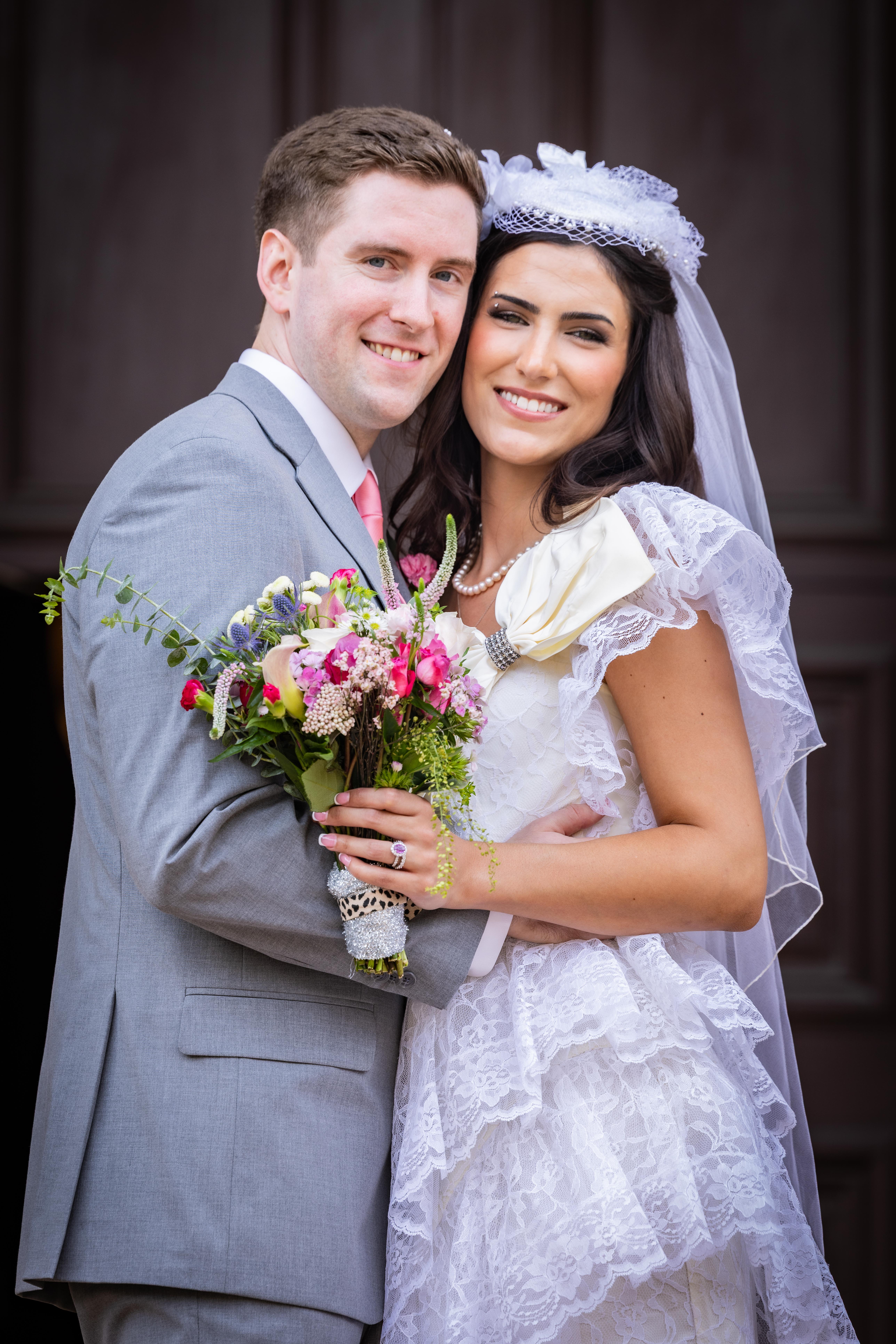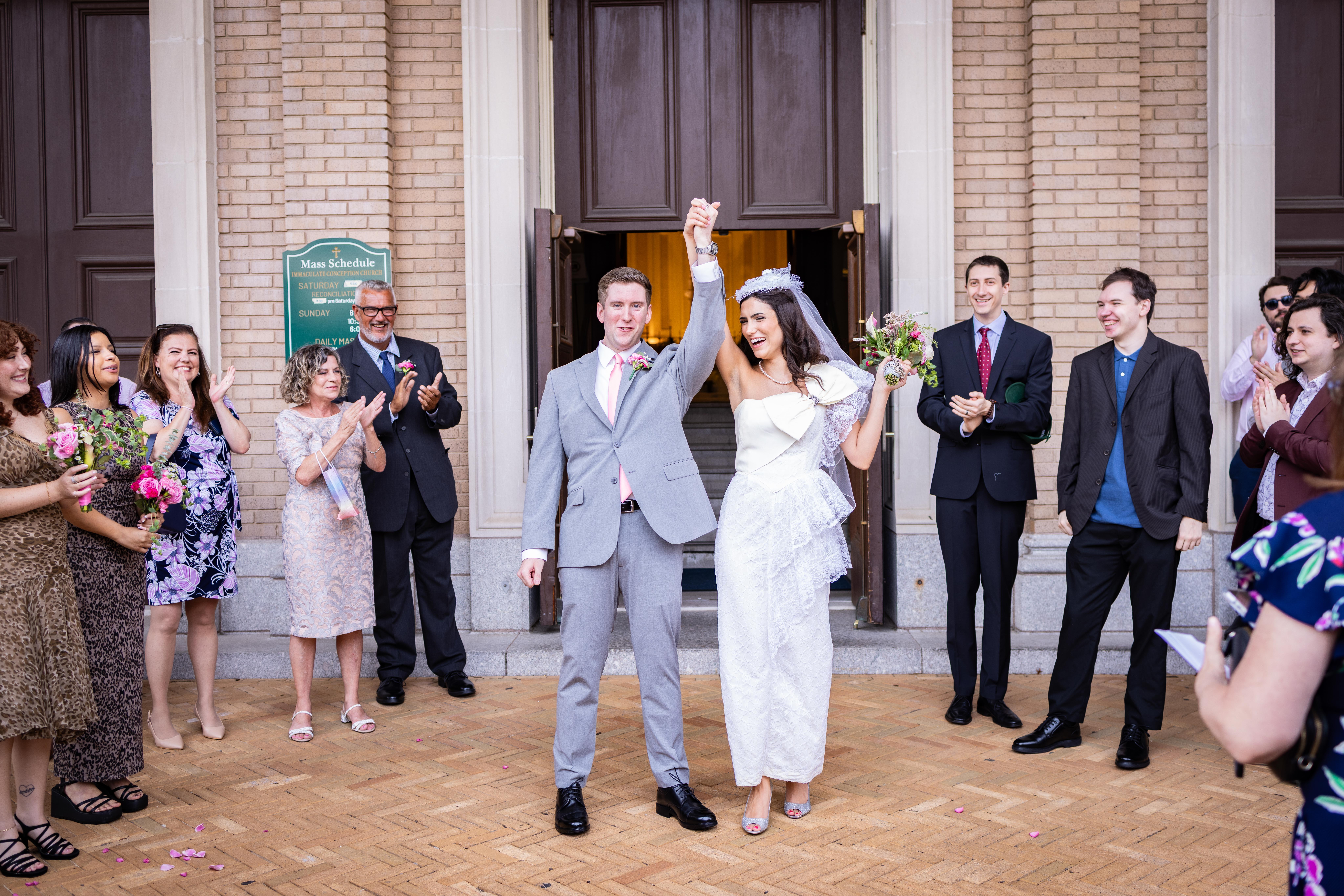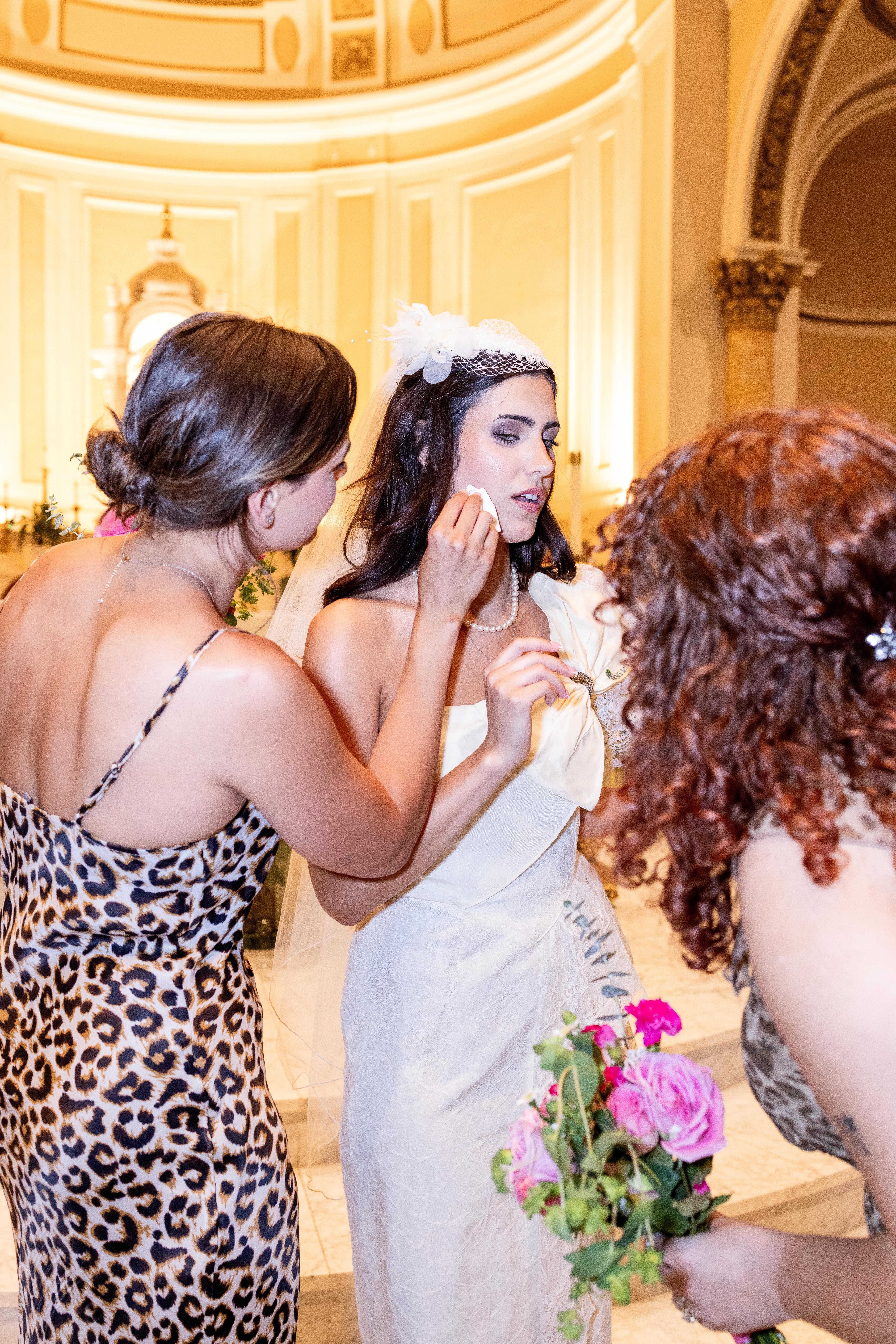
You only get one first look, one walk down the aisle, one set of speeches, and one packed dance floor that feels exactly like your people. That is why a wedding photography and videography package is not just a pricing option – it is a planning decision that affects how smoothly your day runs and how well your memories are captured.
For a lot of couples, the real appeal is simple. Fewer vendors, fewer moving parts, and a better chance that the people documenting the day are actually working together. When your photo and video team already knows each other’s rhythm, there is less stopping and starting, less competition for the best angle, and less stress on a timeline that already moves fast.
Why a wedding photography and videography package makes sense
Weddings are live events. They do not pause because someone needs to switch lenses or reset audio. A bundled team usually arrives with a shared plan, a shared understanding of your priorities, and a better sense of how to cover key moments without getting in each other’s way.
That matters more than couples sometimes realize. Your photographer may need a clean line of sight during the kiss. Your videographer may need a few extra seconds to capture movement during the recessional. If those two people are used to working together, they can make quick adjustments without turning your ceremony into a production set.
There is also the planning side. One package often means one contract structure, one payment schedule, and one main point of contact. If you are already juggling entertainment, venue details, transportation, decor, family logistics, and guest communication, simplifying your vendor list is not a small win. It can be the difference between feeling organized and feeling buried.
What should be included in a wedding photography and videography package
Not every package is built the same, so this is where couples need to slow down and look past the headline price. A strong package should clearly explain coverage hours, number of team members, final deliverables, turnaround expectations, and whether there are add-ons for extra time or special edits.
Photography coverage often includes getting ready, ceremony, formal portraits, cocktail hour, and reception highlights. Videography may include cinematic coverage of the day, edited highlight films, full ceremony video, speeches, and key reception moments like first dances or parent dances. Some teams also offer drone footage where permitted, teaser edits for social sharing, or same-day content.
The details matter. A six-hour package may work for a smaller wedding with a tight timeline. It may feel rushed for a full traditional celebration with multiple locations, a church ceremony, and a late reception. More hours usually mean better story coverage, but it also means a bigger investment. The right answer depends on the shape of your day, not just your budget spreadsheet.
Ask about the team, not just the edit
Couples often focus on the final album or highlight film, which makes sense. Those are the keepsakes. But the experience on the wedding day matters just as much.
Ask who will actually be there. Will you have one photographer and one videographer, or a lead plus assistants? A larger team can cover more angles and reduce missed moments, especially at bigger weddings. On the other hand, a smaller event may benefit from a lighter footprint that feels less intrusive.
Personality counts too. Your media team will be with you during emotional, crowded, fast-moving parts of the day. You want professionals who can direct when needed, blend in when needed, and keep things moving without making the day feel stiff.
The biggest advantage: coordination
A wedding works best when vendors are not operating in separate lanes. Photo and video naturally overlap with entertainment, timeline flow, entrances, special dances, and guest participation. That is why bundled event companies can offer a real edge when they know how the full room operates.
For example, reception coverage gets stronger when the team knows when a big entrance is starting, when spotlight dances will happen, and when the dance floor is likely to peak. A media team that is coordinated with the entertainment side can position earlier, adjust lighting expectations, and prepare for reactions instead of scrambling after the moment starts.
This is especially valuable at high-energy weddings where the night builds fast. Once the music hits and the floor fills, great coverage depends on anticipation. You want your team ready for the hug from grandma, the friends jumping into the chorus, the surprise Hora Loca moment, or the couple sneaking one look at a room full of people celebrating them.
How to compare packages without getting fooled by price
It is easy to line up three quotes and go straight to the bottom number. That usually leads to a bad comparison.
A lower package may cover fewer hours, include only one shooter, or deliver a shorter edit with fewer polished images. A higher package may include more planning support, stronger audio capture, multiple cameras, engagement photos, drone footage, or faster turnaround. Those are not minor differences. They shape both your day-of experience and what you receive afterward.
The better question is this: what level of coverage do you actually need to feel that your wedding was documented completely?
If your celebration includes cultural traditions, bilingual announcements, a long guest list, or multiple key family moments, that usually points toward more comprehensive coverage. If you are planning an intimate wedding with one location and a short reception, a simpler package may be enough. There is no trophy for buying the biggest package if your wedding does not need it. There is also no value in saving money if it leaves important moments uncovered.
Pay attention to audio and lighting
Couples naturally think about visuals first, but bad audio can ruin a wedding film. Vows, speeches, and toasts need to be captured cleanly. Ask how audio is recorded and backed up.
Lighting matters too, especially at receptions. A ballroom with dramatic uplighting can look incredible in person and still be difficult on camera if the team is not prepared. Vendors who regularly work in live event environments tend to handle these changes better because they understand movement, color, and crowd energy in real time.
Why all-in-one event coverage appeals to busy couples
One of the biggest selling points of a package approach is peace of mind. You are not spending weeks trying to make separate vendors coordinate on style, schedule, and communication. You are choosing a team that already knows how to support the same event.
That is a strong fit for couples who want a personalized wedding without turning planning into a second job. It is also a smart move for families helping organize the day, especially when there are language preferences, cultural details, or a lot of guests involved. A coordinated team can keep things clear, reduce confusion, and create a more comfortable experience for everyone.
In Northern New Jersey, where weddings often move quickly and venues can have tight timelines, that kind of coordination has real value. It helps with punctuality, setup flow, and staying flexible when the day runs a little off schedule, which happens more often than anyone admits.
Is a wedding photography and videography package right for every couple?
Not always. Some couples have a photographer they already love and want to book separately. Others care deeply about photography but feel less attached to video, or the other way around. If you have a very specific artistic style in mind, mixing vendors may give you more freedom.
But separate booking works best when everyone communicates well and respects each other’s process. If that coordination is missing, the couple usually feels it. Poses take longer. Key moments get repeated. The day starts feeling managed instead of lived.
A package is often the better choice for couples who value convenience, consistency, and a smoother event experience. It is less about boxing services together and more about making your wedding feel covered, organized, and fully alive from every angle.
If you are reviewing options, ask yourself one practical question: when the day is moving fast, who do you trust to capture it without slowing it down? Start there, and the right package usually becomes a lot easier to spot.