Walk into a ballroom before the lighting is on, and it can feel a little flat – even if the flowers are perfect and the tables are beautifully set. Turn on well-placed uplighting, and the same room suddenly feels warmer, richer, and more like an actual celebration. So, is uplighting worth it for wedding couples to ask about all the time? In many cases, yes – but not because it is trendy. It is worth it when it changes how your room feels, how your photos look, and how your guests experience the night.
Is uplighting worth it for wedding couples planning?
The honest answer is that it depends on your venue, your priorities, and the kind of atmosphere you want. Uplighting is not one of those wedding add-ons that every couple must have. But it is one of the few upgrades that can change the entire visual impact of a space without requiring a full decor overhaul.
If your reception room is plain, dark, oversized, or missing character, uplighting can do a lot of heavy lifting. If your venue already has dramatic architecture, modern built-in lighting, or outdoor views that carry the room on their own, the effect may be more subtle. That does not make uplifting unnecessary. It just means its value comes down to transformation, not the name of the add-on.
This is where couples sometimes get stuck. They compare uplighting to centerpieces, florals, or upgraded linens as if all decor choices do the same job. They do not. Flowers dress the tables. Lighting shapes the room. And guests notice the room first.
What does uplighting actually change at a wedding
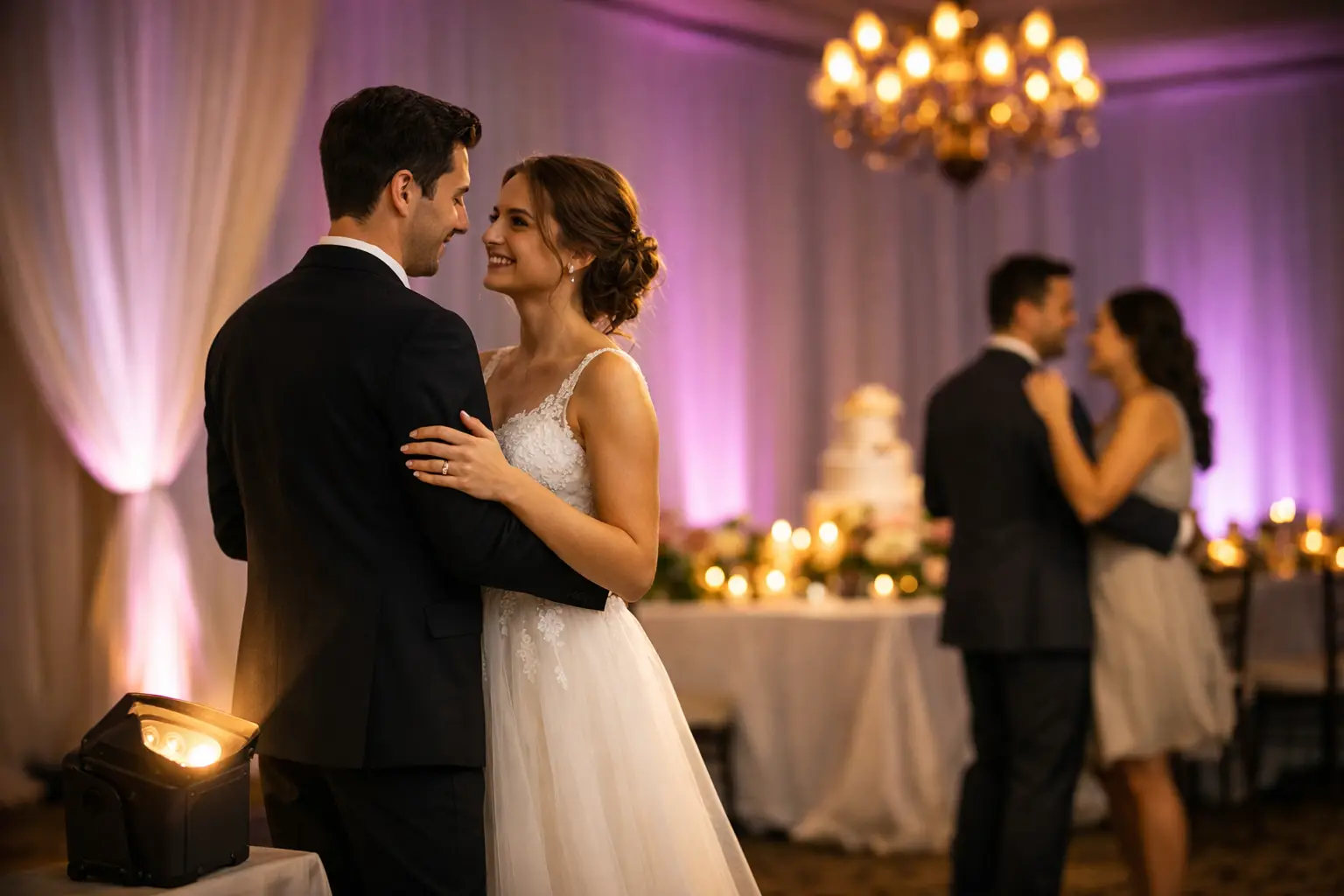
Uplighting is designed to wash walls, columns, draping, and architectural features with color. That sounds simple, but the result is bigger than many couples expect. It adds depth to large blank spaces, softens sterile banquet halls, and helps your room feel intentional rather than rented.
It also helps create a mood that matches your event. Soft amber or warm white can make a formal reception feel elegant and romantic. Rich pinks, purples, or blues can add energy without looking over-the-top when used correctly. During dancing, color changes can make the room feel more alive and connected to the music.
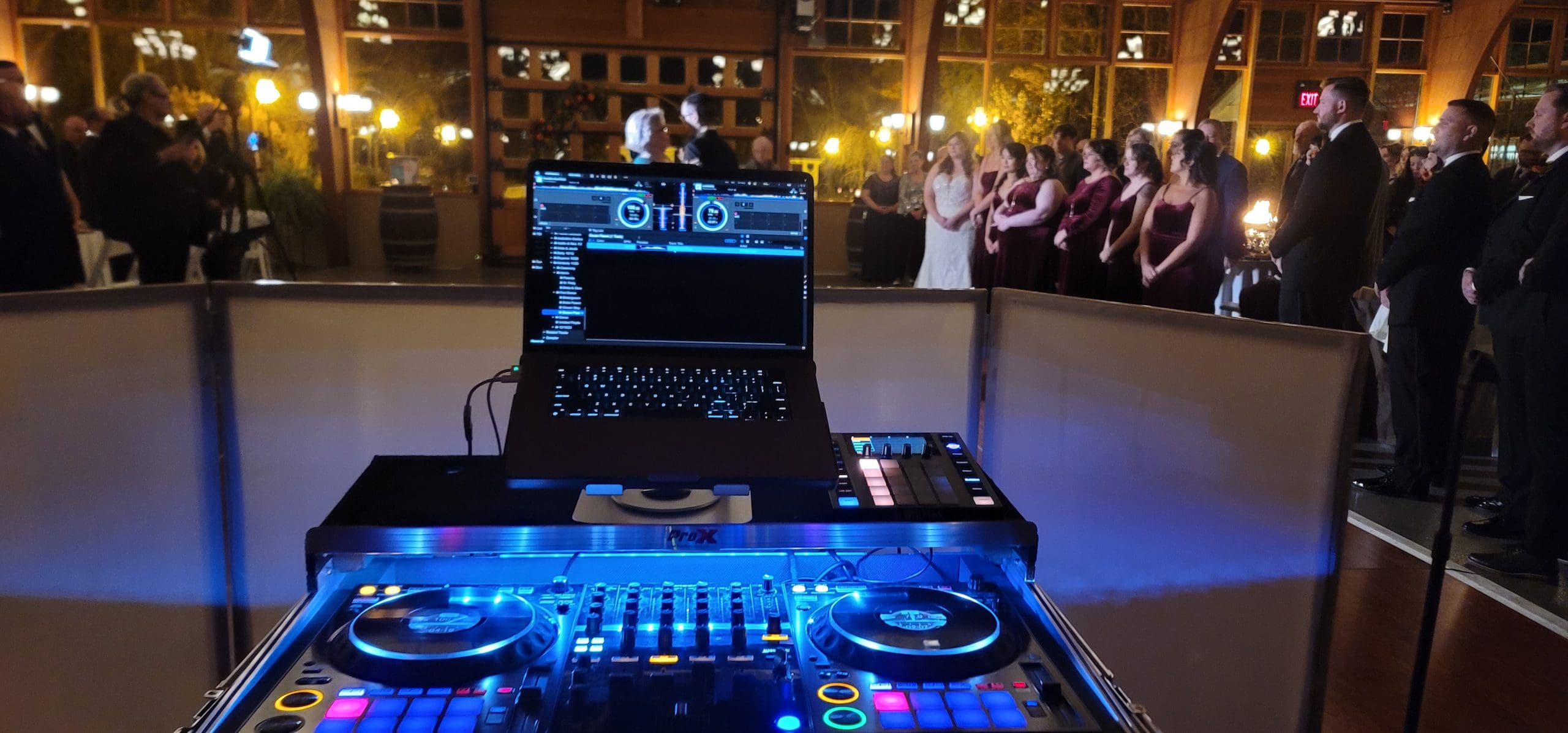
That last point matters. Your wedding is not just a dinner with better outfits. It is a live event. Energy builds through sight and sound together. When the music, MC, and lighting are working in sync, the room feels more immersive. Guests may not say, “The uplighting was amazing,” but they absolutely feel the difference.
When uplighting is most worth the money
Uplighting usually delivers the biggest return in venues that need help visually. Think classic banquet halls, hotel ballrooms, country club spaces, community venues, and reception rooms with neutral walls. These spaces can host beautiful weddings, but they often start as blank canvases. Lighting gives them personality fast.
It is also worth serious consideration if you care a lot about photography and video. Light affects everything the camera sees. While uplighting is not a replacement for proper event lighting or on-camera flash, it can improve background depth and make wide room shots feel much more polished. Your first dance photos, entrance moments, and dance floor images often look more dynamic when the room has dimension instead of plain dark walls.
Another strong case for uplighting is when you want a high-end look without spending heavily on extra decor. If you are choosing between adding more stuff to the room or making the whole room look better, lighting often wins. A dozen carefully placed uplights can have more visual impact than many smaller decorative details that guests barely register.
For larger guest counts, the value tends to go up. Big rooms can swallow energy. Lighting helps pull the space together so it feels full, styled, and event-ready even before the dance floor opens.
When uplighting may not be necessary
There are weddings where uplighting is more of a nice extra than a smart priority. If your reception is outdoors under a tent with natural landscaping doing most of the visual work, the payoff may be limited unless the tent itself is being lit strategically. If your venue already includes strong ambient lighting design, statement chandeliers, textured walls, or floor-to-ceiling windows that define the space, you may not need much enhancement.
It may also be lower on the list if your budget is tight and you are choosing between uplighting and services that directly affect the guest experience, such as a skilled DJ, clear sound, timeline management, or quality photo and video coverage. Guests will remember how the night felt. The entertainment side still carries more weight than almost any decor upgrade.
That is why the best planning conversations are not about whether uplighting is “worth it” in general. They are about whether it is worth it for your wedding after the essentials are covered.
The budget question couples really mean
Most couples asking if uplighting is worth it are really asking a different question: will people notice enough to justify the cost?
Yes, they usually will – just not in the way they notice a photo booth or a packed dance floor. Uplighting is a background feature that changes the total impression of the room. It is more like great staging than a headline attraction. People may not point to it directly, but they often describe the wedding as beautiful, elegant, romantic, fun, or upscale because of the environment it helped create.
That makes it easier to justify if you are investing in the full guest experience and want the reception to feel cohesive from cocktail hour through the last dance. It is harder to justify if you are purely checking boxes or adding upgrades because you feel like weddings are supposed to include them.
The smart move is to think about impact per dollar. If your venue looks underwhelming in its standard setup, uplighting can be one of the strongest visual upgrades available. If your room already looks fantastic on its own, that same budget may be better spent elsewhere.
How to know if your venue needs it
Photos of your venue are your best starting point, but be careful. Marketing photos often show rooms with upgraded lighting already in place. Ask to see the space in a standard event setup and, if possible, in evening conditions. A room can look bright and charming at a daytime tour, then feel very different once the sun goes down and guests arrive.
Pay attention to the walls, ceiling height, room color, and any architectural features. Plain beige walls, wide open corners, and dark perimeter areas are all signs that uplighting could help. White draping, columns, alcoves, and textured surfaces also tend to look great with uplights because they catch and reflect color well.
It also helps to ask how the room transitions from dinner to dancing. Some spaces feel disconnected at night unless lighting ties the room together. If your entertainment team handles both music and lighting, they can usually guide you toward a setup that supports the actual flow of the reception instead of treating lighting like a separate decoration.
Color choices matter more than couples think
One reason some people feel underwhelmed by uplighting is simple: bad color choices. Not every wedding needs bright magenta walls or nonstop color changes. Elegant uplighting usually looks best when it complements the room and your overall design rather than competing with it.
Warm white, amber, blush, soft blue, and muted lavender are popular because they photograph well and flatter formal spaces. Deep colors can work beautifully too, especially later in the night when the energy shifts toward dancing. The best setups often evolve with the event instead of blasting the same intense color all evening.
This is where experience matters. A team that understands weddings will know how to balance romance during dinner with excitement during open dancing. That balance is a big part of whether uplighting feels classy or distracting.
Should you book uplighting as part of a package?
Usually, yes – especially if you want less stress and a cleaner result. When your DJ or entertainment company also manages the lighting design, setup is more coordinated and the room tends to feel more unified. Music cues, special dances, and lighting changes can work together instead of feeling disconnected.
For couples planning in busy wedding markets like North Jersey, convenience matters too. Fewer vendors usually means fewer emails, fewer setup questions, and fewer chances for miscommunication on the wedding day. If you are already booking a professional entertainment team, adding uplighting through the same provider can be one of the simplest ways to elevate the room without creating extra planning work.
Electrified DJ Services sees this all the time with wedding receptions that need both strong energy and strong visuals. The right lighting does not replace great entertainment, but it absolutely helps the room rise to the level of the celebration.
So, is uplighting worth it for a wedding?
If your goal is to make an ordinary room feel polished, romantic, and guest-ready, uplighting is often worth every penny. If your venue already brings the wow factor and your budget has tighter priorities, it may be optional. The best answer is not based on trend pressure. It is based on how much transformation your space needs and how much the full atmosphere matters to you.
A wedding should feel like your night from the moment guests walk in. If uplighting helps create that feeling, it is not just an add-on. It is part of the experience.