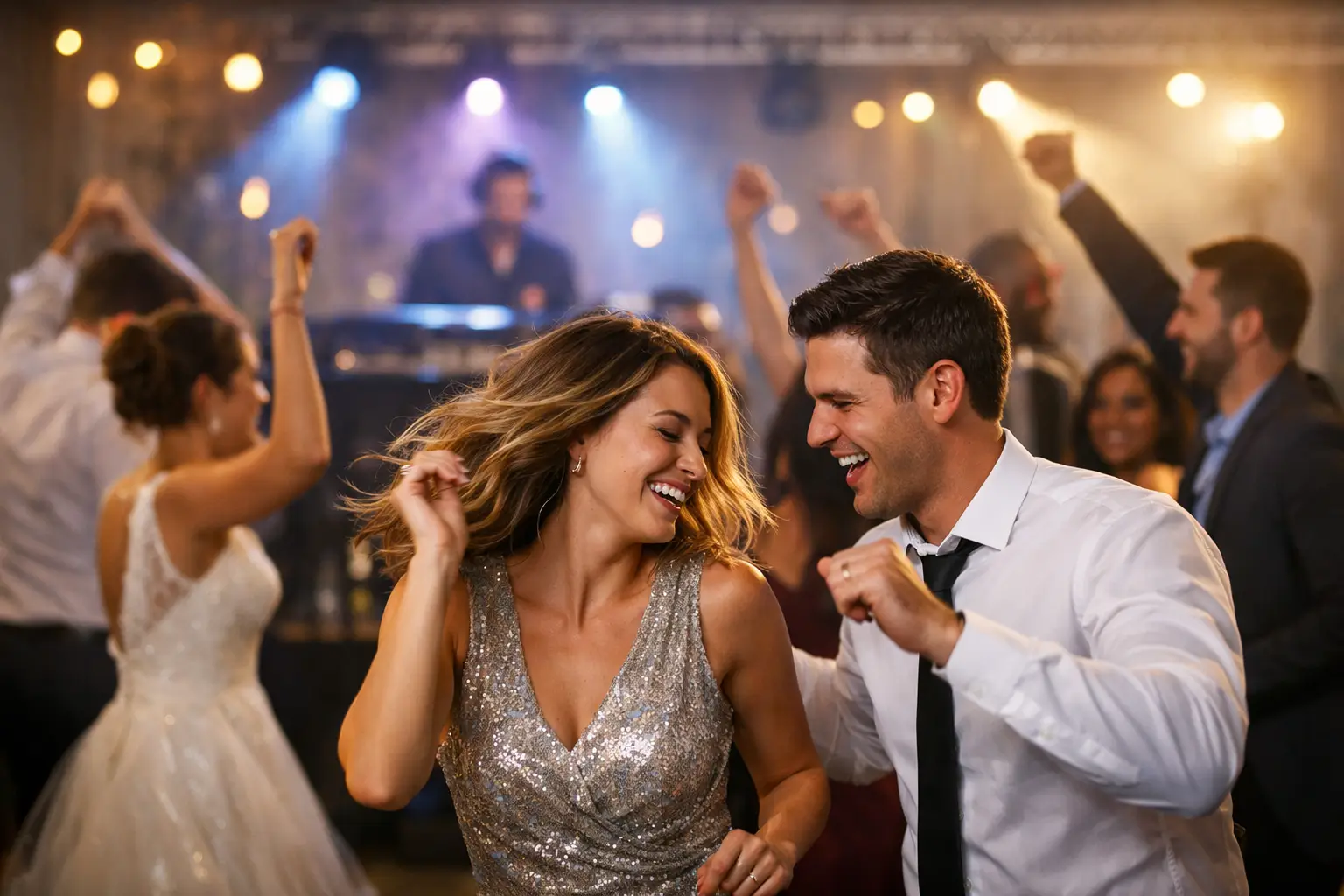
The dance floor usually tells the truth before anyone else does. If guests are drifting to the bar, checking their phones, or staying glued to their seats after dinner, something in the flow is off. Knowing how to keep guests dancing is not about blasting loud music and hoping for the best. It is about timing, personality, song selection, and creating the kind of atmosphere that makes people want to stay in the moment.
At great weddings and private events, dancing does not happen by accident. It is built. The energy starts long before the first big dance set, and every choice along the way matters – from the grand entrance to the lighting to how the DJ reacts when the room shifts. When couples and planners want a packed floor, the goal should never be to force it. The goal is to make dancing feel natural, exciting, and easy to join.
How to keep guests dancing starts with the timeline
A packed dance floor begins with a well-built event timeline. If formalities run too long, guests get restless. If dinner service drags, energy drops. If the first open dance set starts too late, people settle into conversation mode and never fully come back.
The strongest events keep momentum moving. That does not mean rushing meaningful moments. It means spacing them in a way that protects the party. Toasts should feel intentional, not endless. Special dances should have their spotlight, but they should also lead somewhere. Once the room is ready to celebrate, you want to open the floor while that excitement is still fresh.
This is where experience matters. A DJ who understands weddings and live events is not just playing music. They are managing energy in real time. They know when to let a moment breathe and when to push the room forward.
The right first songs matter more than people think
The first 10 to 15 minutes of open dancing can shape the rest of the night. If the opening songs are too niche, too slow, or too unfamiliar, guests hesitate. Once hesitation sets in, it gets harder to rebuild momentum.
If you want to know how to keep guests dancing, start with songs that feel instantly recognizable and easy to move to. This does not mean every event should open the same way. A wedding with mostly family and mixed age groups needs a different launch than a younger birthday crowd or a high school formal. The point is to begin with confidence.
A smart DJ usually opens with songs that invite broad participation, then builds outward based on the response. When the room trusts the music early, guests become more willing to follow the energy into newer styles, throwback tracks, Latin sets, club records, line dances, or sing-alongs.
A full dance floor needs variety, not randomness
Guests stay dancing when the music feels fresh but connected. Too much of one genre can thin the floor, even if that genre is popular. On the other hand, jumping wildly from one style to another without a plan can break momentum.
The best dance floors are guided with intention. You might go from a current pop hit into a 2000s throwback, then into hip-hop, then into a Latin favorite that brings in another part of the room. If that transition is done smoothly, it feels exciting. If it feels abrupt, guests leave.
This is one of the biggest differences between a playlist and a live DJ. A playlist cannot read body language. It cannot see that the older guests are ready for a Motown moment, or that the bride’s college friends are waiting for a high-energy sing-along, or that the room is primed for bilingual crowd interaction. Great mixing is technical, but great crowd reading is what keeps the floor alive.
Your guest list should shape the music plan
No two events need the same soundtrack. One of the fastest ways to lose a room is to build the night around only the couple’s favorites or only the planner’s assumptions. Personal taste matters, but so does the crowd you invited.
A wedding with multiple generations needs range. A multicultural event may need a thoughtful mix of English and Spanish music. A party with lots of dancers can handle longer high-energy sets. A more reserved crowd may need songs that feel familiar before they feel adventurous.
That does not mean trying to please every single person every minute. That is impossible. It means creating enough balance that different groups get their moment, and nobody feels like the night forgot they were there. Inclusive entertainment keeps more people engaged, which naturally keeps the dance floor stronger.
MC energy can make or break participation
Music is the engine, but the MC often sets the social tone. A confident, upbeat MC can make the room feel connected without sounding forced or overdone. That matters because guests take cues from the energy around them.
A weak introduction to dancing can leave people waiting for someone else to start. A strong one creates permission. The right voice at the right moment can turn a room from passive to active fast. This is especially important during transitions – after dinner, after formal dances, or after guests have been pulled away for photos, dessert, or speeches.
The trade-off is that too much talking can kill momentum. Nobody wants a party that feels interrupted every 10 minutes. The sweet spot is an MC who knows how to hype the room, give clear direction, and then get out of the way so the music can do its job.
Lighting changes behavior
People dance differently in the right environment. Bright house lights keep the room feeling formal. Dynamic lighting makes it feel like a party. That shift is not cosmetic. It changes how comfortable guests feel stepping onto the floor.
Good lighting helps create a visual cue that it is time to celebrate. Wash lighting, dance floor effects, and intelligent lighting can all help define the party space and make it more inviting. Guests are more likely to join when the floor looks alive.
There is a balance here too. Overdoing effects can feel distracting, especially at elegant weddings or mixed-age events. The best setup supports the mood instead of overpowering it. When lighting, music, and MC presence all work together, the room feels intentional.
Keep interruptions short and worthwhile
Every pause in dancing costs energy. Sometimes pauses are necessary. Cake cutting, a surprise performance, a photo booth rush, or a meaningful tradition may absolutely belong in the night. The key is making sure those moments are placed well and handled efficiently.
Long gaps are where dance floors go cold. If guests wander too far into side conversations, outdoor breaks, or long lines for late-night food, it can be difficult to pull them all back at once. This is why event flow matters just as much as song choice.
At the strongest events, entertainment and logistics support each other. Guests know what is happening, transitions are clean, and major moments do not drag. That kind of coordination is one reason many couples prefer one team handling multiple entertainment elements instead of juggling separate vendors with different priorities.
Requests should be managed, not blindly followed
Requests can be great. They make guests feel involved, and sometimes they reveal exactly what the room needs. But if every request gets played immediately, the night can lose its shape.
A professional DJ knows how to filter requests through the bigger picture. Sometimes the requested song is perfect, just not yet. Sometimes it clears the floor every time. Sometimes it works for one table and nobody else. Keeping guests dancing means protecting momentum, even when that requires saying no or waiting for the right window.
The same goes for do-not-play lists. Those are just as useful. Avoiding songs that annoy the couple or derail the vibe can be just as important as choosing the right hits.
The best dance floors feel personal
Guests can tell when a party feels generic. They can also tell when it feels built for the people in the room. That is what keeps them engaged. A packed floor usually includes songs tied to family traditions, college memories, cultural roots, or shared favorites that instantly get a reaction.
This is where customization makes a real difference. A bilingual set done well can open the floor to more guests. A well-timed Hora Loca can create a surge of excitement. A throwback run that hits the right era can bring in an entire friend group at once. Personal touches create emotional connection, and emotional connection keeps people participating.
If you are planning a wedding or private event, the real answer to how to keep guests dancing is simple: build the night around your crowd, not around assumptions. Great music matters. Great timing matters. Great production matters. But the biggest win is having an entertainment team that knows how to read the room and respond before the energy slips. When guests feel included, comfortable, and excited, they stop watching the party and start becoming part of it.