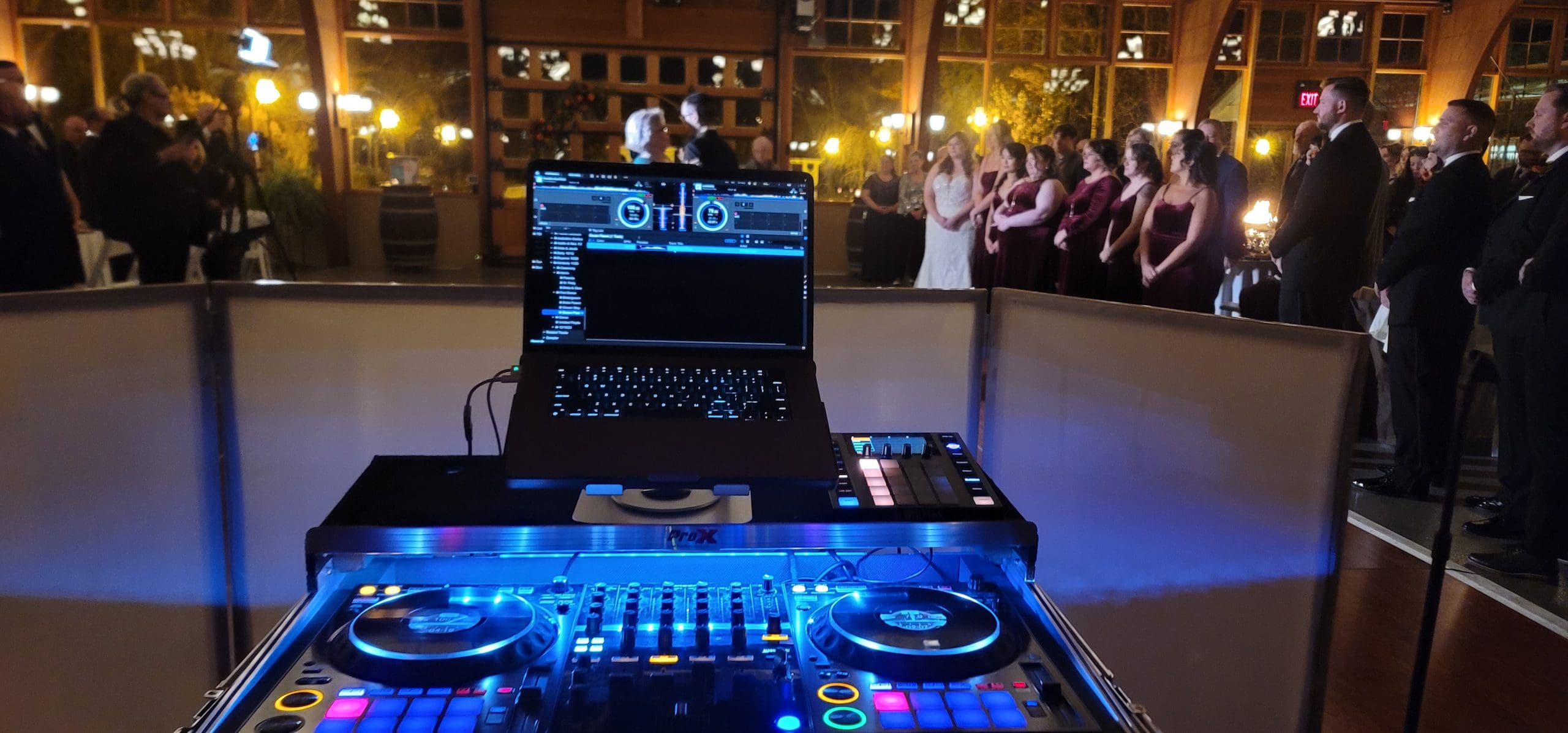
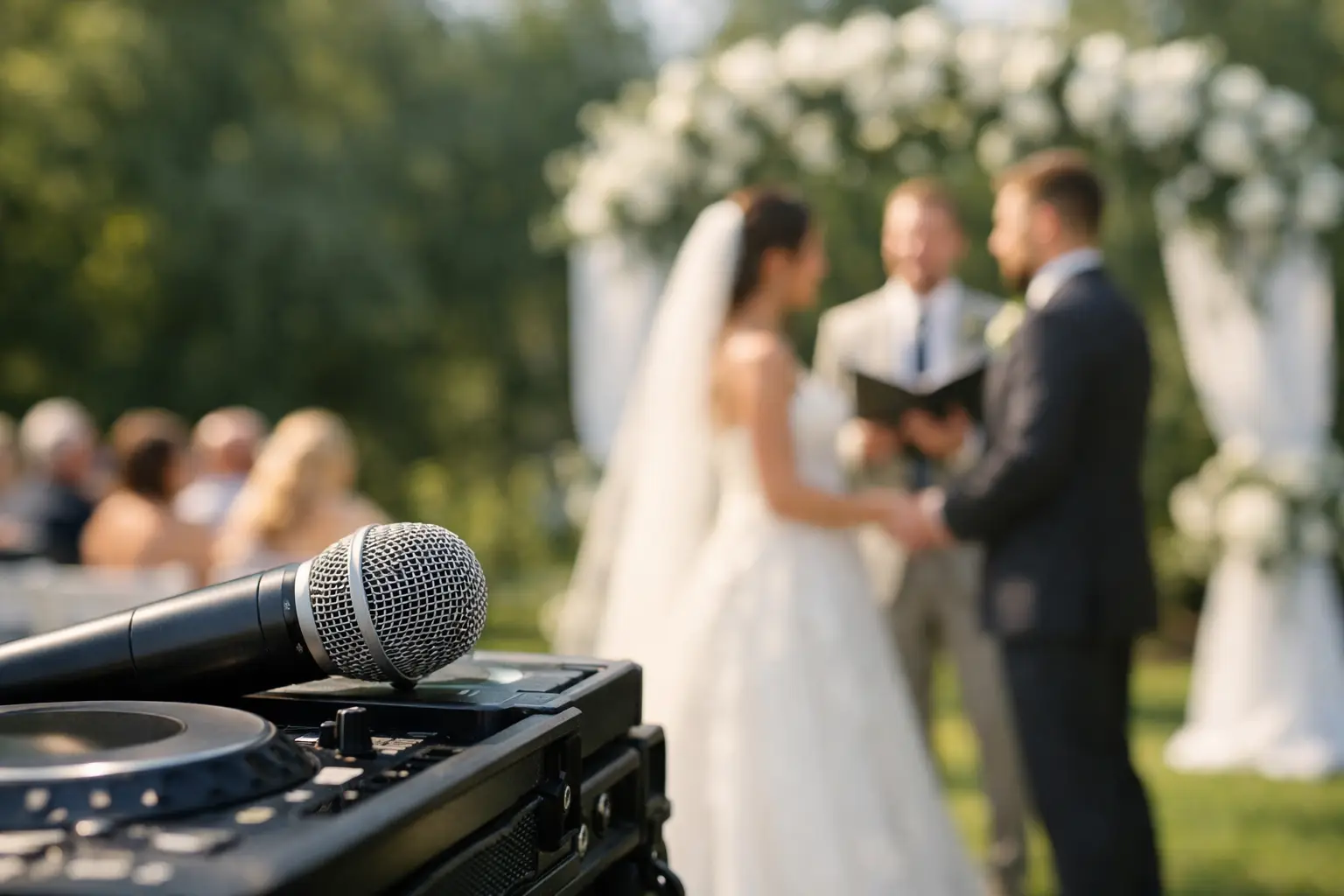
You are standing at the ceremony, the vows start, and the first row can barely hear a word. That is the moment couples realize this question matters: do DJs provide ceremony microphones? Often, yes. But not every DJ includes ceremony sound, not every setup is equal, and not every package covers the microphones, speaker placement, and backup gear needed for a clear, stress-free “I do.”
For weddings and private events, ceremony audio is not a small add-on. It is the difference between guests leaning in and guests actually hearing the officiant, your vows, and every meaningful reading. If your DJ is handling music for the day, there is a good chance they can also handle ceremony microphones. The better question is what kind of ceremony audio coverage they provide, what is included, and whether their setup fits your venue and timeline.
Do DJs provide ceremony microphones for weddings?
In many cases, yes. Wedding DJs commonly offer ceremony microphones as part of a ceremony package or as an upgrade added to reception entertainment. A professional event DJ may provide a full ceremony sound system that includes wireless microphones, a dedicated speaker, a mixer or controller, and someone managing the audio in real time.
That said, this is not automatic across the board. Some DJs focus only on receptions. Others provide ceremony music but expect the officiant or venue to handle microphones. Some include one wireless mic, while others build out a more complete setup with separate microphones for the officiant, couple, and readers.
This is where planning saves you headaches. If your ceremony and reception happen at the same venue, couples sometimes assume the DJ will simply “use the same sound system.” In reality, the ceremony may need its own dedicated setup, especially if it is outdoors, in another room, or on a different floor. Moving equipment takes time, and timing at weddings is tight.
What ceremony microphone setup should a DJ provide?
A solid ceremony setup usually starts with the officiant. In most weddings, the officiant is the person who speaks the most and needs the clearest coverage. A wireless lapel mic or a handheld mic on the officiant often picks up the key moments well enough for guests to hear the ceremony naturally.
For larger guest counts or more formal ceremonies, a second microphone may be needed for readings, musicians, or special speakers. If your ceremony includes scripture readings, personal letters, or family participation, one mic is rarely enough. If the DJ is experienced with weddings, they will ask about the ceremony flow and recommend the right setup instead of handing you a generic answer.
Speaker placement matters too. One speaker in the wrong spot can create uneven sound or feedback. Outdoor ceremonies usually need more attention because there are no walls to help carry sound. Wind can also affect mic clarity, and open spaces often require stronger coverage than couples expect.
Good DJs think through these details before the event. Great DJs also plan for what happens if something fails.
What is usually included and what costs extra?
This is where couples get tripped up. A DJ saying “yes, we provide microphones” does not always mean a full ceremony sound package is included in the base price.
Sometimes the package includes one speaker and one wireless microphone. Sometimes it includes ceremony music cues, microphone support for the officiant, and prelude music as guests arrive. Other times, the ceremony is billed separately because it requires extra equipment, earlier arrival, additional staff, or setup in a second location.
If your venue has multiple event spaces, stairs, limited access, or strict load-in times, the DJ may need more labor and more gear than you would think. If your ceremony is off-site from the reception, that can also affect pricing.
None of this is a red flag. It is just a reminder that ceremony audio is a real production element. The cheapest quote is not always the one that protects the moment best.
Questions to ask before you book
The easiest way to avoid confusion is to get specific. Ask whether ceremony microphones are included or added separately. Ask how many microphones are provided and whether they are handheld, lapel, or headset style. Ask if the DJ will provide audio for the officiant only, or for readings and musicians too.
You should also ask whether the ceremony has its own speaker system, who runs the sound during the processional and vows, and whether backup microphones are available on-site. If your ceremony is outside, ask how they handle wind, battery life, and coverage for larger guest counts.
One more big question: who is actually in charge of timing? A polished ceremony depends on somebody hitting the right music cue at the right second and adjusting levels as people speak. That should not be left to chance.
Why experienced wedding DJs handle this better
Ceremony audio is not only about equipment. It is about execution.
An experienced wedding DJ knows that the processional song cannot start late. They know readers hold microphones too low, officiants sometimes step away from the mic, and family members can speak softly when emotions hit. They know how to keep things audible without making the ceremony feel overproduced.
That matters even more at multicultural and bilingual weddings. If your ceremony includes multiple speakers, two languages, or special traditions, clear microphone management becomes even more important. Every guest should feel connected to the moment, not confused about what was said.
This is one reason couples often prefer working with a full-service entertainment team. When one company handles event flow, music, MC support, and ceremony sound, communication is tighter and there are fewer moving parts. You are not chasing down the venue, the officiant, and a separate audio provider to figure out who brought what.
Indoor vs. outdoor ceremonies
Indoor ceremonies are usually easier to amplify, but they still need planning. Some banquet rooms have awkward acoustics, low ceilings, or noise bleed from nearby spaces. A microphone can fix volume, but it cannot fix poor placement or rushed setup.
Outdoor ceremonies look beautiful in photos, but they are less forgiving with sound. Wind, traffic, fountains, and open air all compete with your voices. If your DJ treats outdoor ceremony audio as a basic afterthought, guests will notice.
For outdoor events, ask whether the system is designed specifically for ceremony use and whether it has enough coverage for your guest count. A backyard ceremony with 30 guests is different from a country club lawn with 180 people. The setup should reflect that.
Venue sound systems are not always the answer
Some couples assume the venue’s in-house sound system will cover the ceremony. Sometimes it can. Sometimes it absolutely should not.
Venue systems vary a lot. Some are excellent and professionally maintained. Others are built for background music, not live vows. In some spaces, the venue may provide a microphone but no one dedicated to managing sound levels, cueing music, or troubleshooting issues on the spot.
That is why many couples still prefer a DJ-led ceremony setup, even at a venue with built-in audio. A wedding DJ is focused on your timeline and your guest experience. They are not balancing five other event spaces at the same time.
Do you need more than one microphone?
Usually, yes – or at least you should consider it.
If your ceremony is simple, one officiant microphone may be enough. But once you add readings, live musicians, guest speakers, or special cultural elements, additional microphones make the event smoother. Sharing one microphone between multiple people during a ceremony can feel clunky and distract from the moment.
This is another place where a customized plan matters. The right setup depends on your guest count, layout, and ceremony structure. A good DJ will not oversell you gear you do not need, but they also should not under-prepare for a once-in-a-lifetime moment.
The best answer is not just yes or no
So, do DJs provide ceremony microphones? Yes, many do. But the real answer is that it depends on the company, the package, the venue, and how seriously they take ceremony production.
For couples planning a wedding, the smarter move is to ask how the ceremony will sound from the back row, not just whether a microphone is available. Clear vows, clean music cues, and reliable equipment are part of what makes a ceremony feel polished. That kind of detail is where a good event team earns its value.
If you are booking entertainment for your big day, make sure ceremony audio is part of the conversation early. The right setup lets everyone hear the words that matter most – and that is one part of your wedding you should never have to repeat.