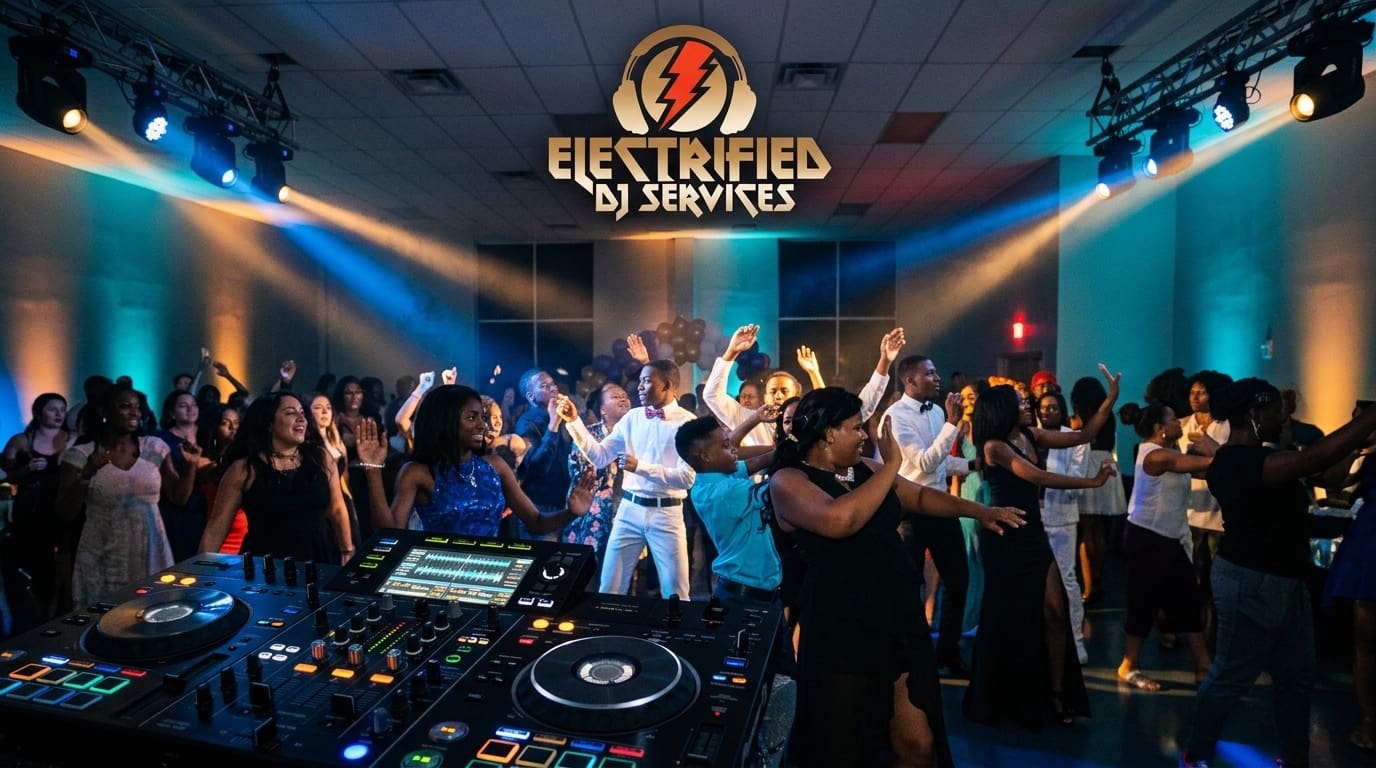

Picture this: dinner is over, the dance floor is warm, and just when guests think they know where the night is headed, the room flips. Lights hit harder, performers rush in, party props appear, and the energy jumps from fun to full-on celebration. If you’ve been asking what is hora loca wedding entertainment, that explosive shift is the answer in real life.
Hora Loca, which translates to “crazy hour,” is a high-energy party set built into a wedding reception. It usually features upbeat music, interactive MCing, dancers or performers, LED robots or stilt walkers, themed accessories, and a surprise atmosphere that gets even hesitant guests involved. It is especially popular at Latin weddings, multicultural celebrations, and receptions where couples want a major wow moment instead of a steady, same-speed party all night.
What Is Hora Loca Wedding Style?
At its core, Hora Loca is a planned burst of excitement. It is not a random moment where the DJ simply plays faster songs. It is a coordinated entertainment segment designed to lift the room at exactly the right time.
Most couples use it to create a second peak during the reception. Your wedding naturally has built-in high points – the ceremony, the grand entrance, the first dance, the cake, the open dancing. Hora Loca gives the party one more major surge. That is why it works so well. It changes the pace and keeps the celebration from flattening out after the first hour or two of dancing.
The style can vary. Some Hora Loca sets lean heavily Latin, with salsa, merengue, reggaeton, and Latin pop. Others blend Top 40, dance, EDM, hip-hop, house, and international party tracks. The best version depends on your crowd, your culture, and the type of wedding you actually want – not what looks flashy on social media.
Why Couples Add Hora Loca to a Wedding
A wedding reception lives or dies by momentum. Even beautiful decor and a great menu cannot carry a room if the energy drops. Hora Loca solves a very specific problem: it gives guests something unexpected to react to together.
That shared surprise matters. It breaks people out of observer mode and turns them into participants. Older relatives start laughing. Friends jump in for photos. Guests who were sitting at their tables suddenly have a reason to get up. The right MC and DJ can use that moment to pull the whole room into the experience.
For multicultural weddings, Hora Loca can also be a smart bridge. It gives you room to celebrate Latin traditions while still building a reception that feels true to both families. It does not have to take over the entire party. It can be a featured moment inside a broader music plan.
And for couples who simply want a packed dance floor, it works because it is theatrical. The change in lighting, sound, movement, and crowd interaction makes the reception feel bigger than a playlist.
What Happens During Hora Loca?
There is no single script, and that is a good thing. A strong Hora Loca set is customized to the room, the timeline, and the crowd’s comfort level.
In many weddings, the segment starts with a noticeable music transition. The DJ shifts into high-impact tracks, the MC builds anticipation, and performers enter with visual energy. That might mean LED batons, glowing hats, masks, dancers, feather pieces, CO2-style effects, or oversized party props. Some couples want a nightclub-style burst. Others want carnival energy. Others want something polished and playful without feeling over-the-top.
The entertainment team usually works the floor instead of staying in one place. That movement is a huge part of the effect. Guests are not just watching a show from across the room. They are in it.
This is where professional coordination matters. Hora Loca can feel effortless when it is done well, but behind the scenes it needs timing, music control, crowd reading, and clean communication with the venue and planner. If the entrance is awkward or the music does not match the moment, the impact drops fast.
When Should You Schedule Hora Loca?
The sweet spot is usually after the dance floor is already active, not before. Hora Loca is a booster, not a replacement for building the party naturally.
For most weddings, that means placing it later in the reception, often after formalities are done and after guests have already had time to eat, drink, and settle in. If you start too early, people may not be ready. If you start too late, some guests may already be leaving. The exact timing depends on your guest count, age mix, and overall reception flow.
A common approach is to use Hora Loca around the point where open dancing has been strong for a while and could use a fresh jolt. Think of it as a strategic spike in the night rather than just another item on the timeline.
This is also why one-size-fits-all planning does not work. A bilingual wedding with a strong dancing crowd may want a longer, more performance-driven Hora Loca. A mixed-age reception may do better with a shorter, more universal burst that keeps the room inclusive.
Is Hora Loca Right for Every Wedding?
Not always, and that is the honest answer.
If you are planning a quiet, intimate dinner-style wedding with minimal dancing, Hora Loca may feel out of place. If your venue has tight sound restrictions or limited floor space, the full experience may need to be scaled back. And if you personally do not enjoy high-interaction entertainment, forcing it into your reception will not suddenly make it feel authentic.
But a lot of couples assume it has to be extreme, and that is where they miss the flexibility. Hora Loca can be bold without being chaotic. It can be elegant and energetic at the same time. It can last 15 to 30 minutes and still make a huge impression. You do not need a circus. You need the right version for your wedding.
What Makes a Great Hora Loca Wedding Experience?
The biggest difference between a memorable Hora Loca and a messy one is control. High energy is not the same thing as randomness.
A great setup starts with music curation. The songs should match your guests, not just the performers’ entrance. Then comes pacing. The segment should build, hit, and leave people wanting more instead of dragging on too long. Visuals matter too, especially lighting and props, because they signal that this is not just another dance set.
The MC plays a major role here. Guests follow confidence. If the host knows how to guide the room, explain the moment without overexplaining it, and keep people engaged, the entire segment feels bigger and smoother.
This is also where having one entertainment team can make planning easier. When your DJ, MC, lighting, and interactive elements are coordinated under one roof, Hora Loca tends to land better. There is less guesswork and less chance of one vendor waiting on another.
How to Talk to Your Entertainment Team About Hora Loca
Start with the outcome you want, not just the trend you saw online. Do you want a Latin party burst? A nightclub-style surprise? Something family-friendly and colorful? Something bilingual that brings both sides of the guest list together? Those answers shape the production.
You should also talk through your guest mix, venue rules, floor layout, and timing. A packed ballroom in New Jersey may support a very different version of Hora Loca than a smaller venue with low ceilings and a strict schedule. The right team will not just say yes to everything. They will help you shape a version that actually works in the room.
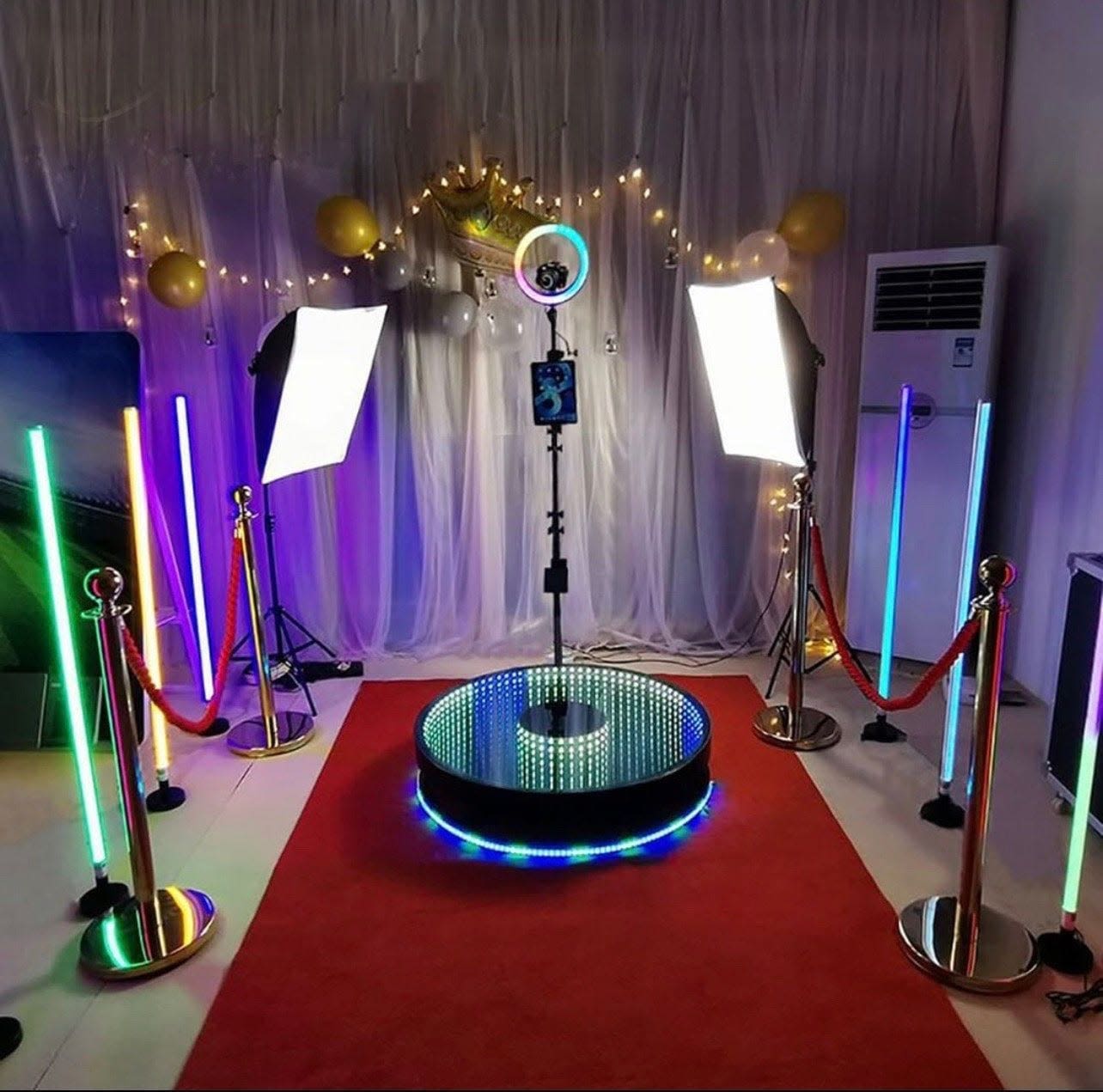
If you are already booking DJ entertainment, lighting, photo booth options, and MC services, this is a good time to ask how Hora Loca fits into the broader experience. The strongest receptions feel connected from start to finish. They do not feel like separate pieces taped together.
What Guests Remember Most
Guests usually do not remember every song. They remember moments. Hora Loca is one of those moments.
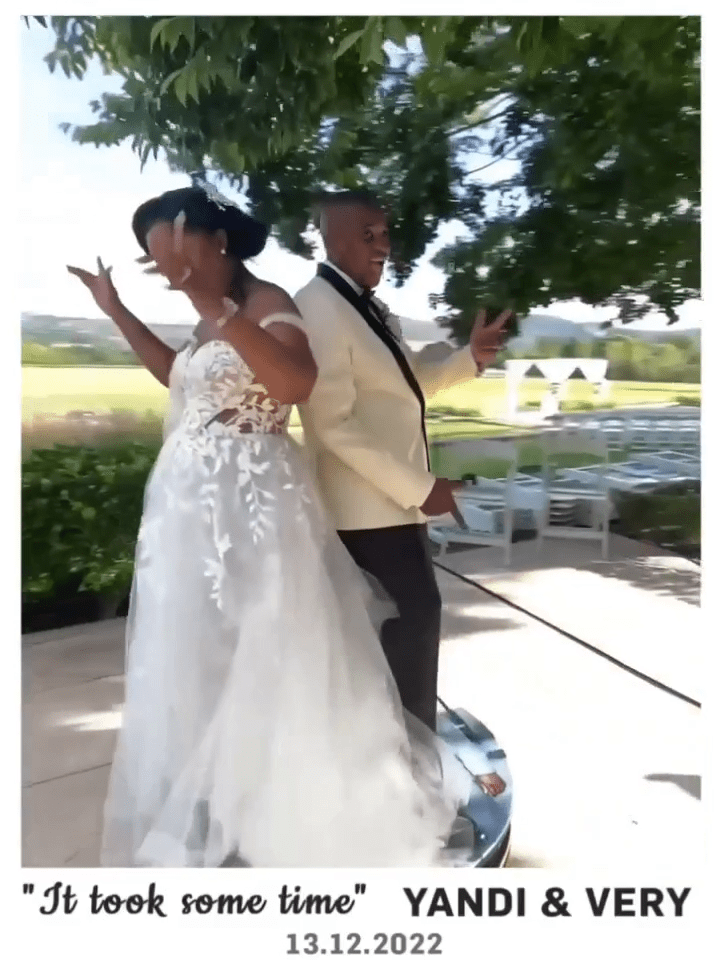
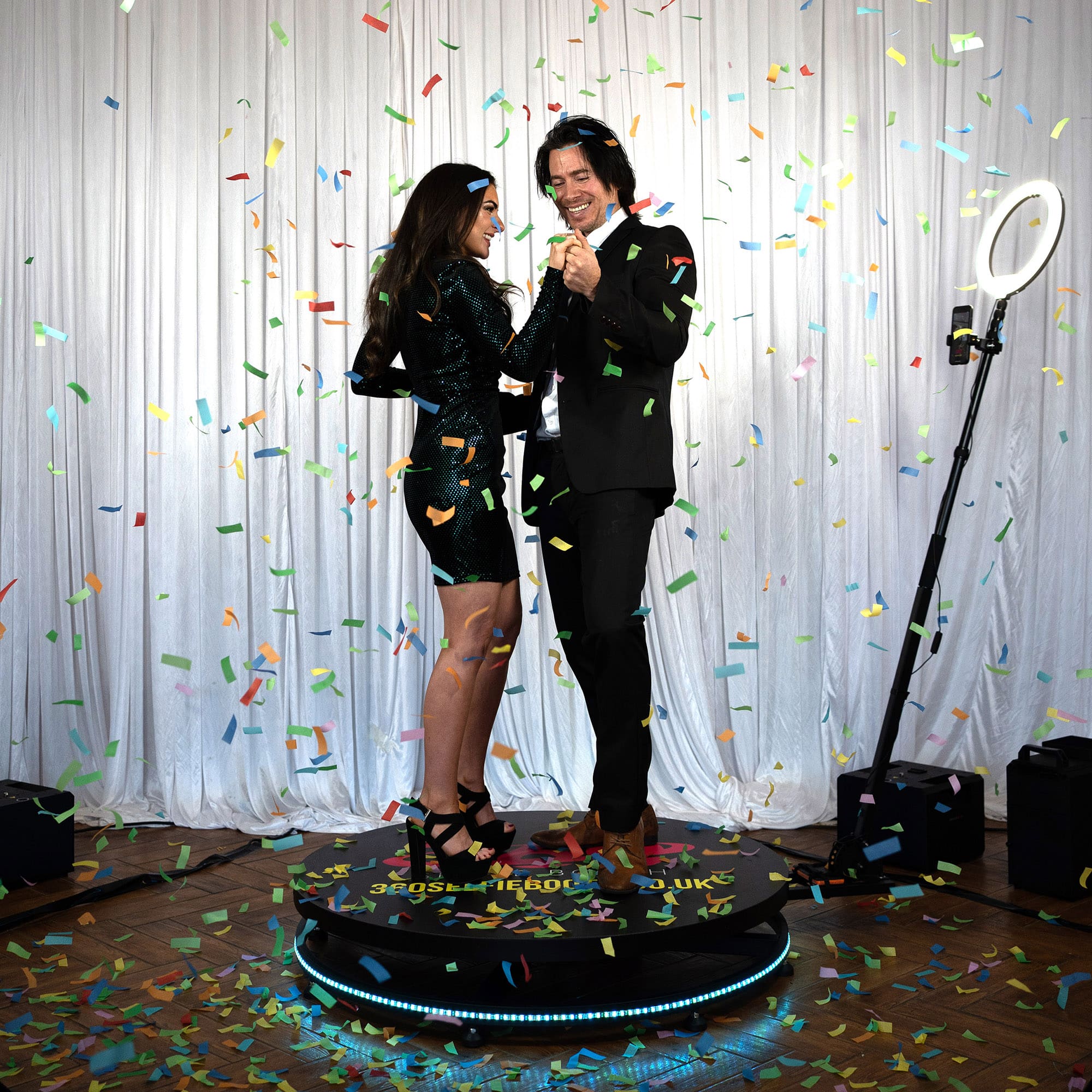
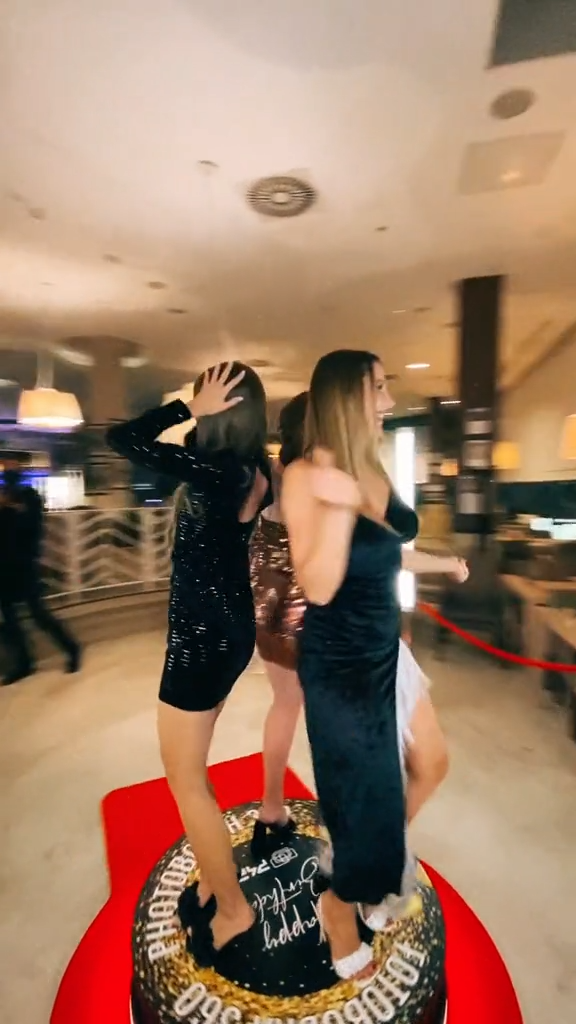
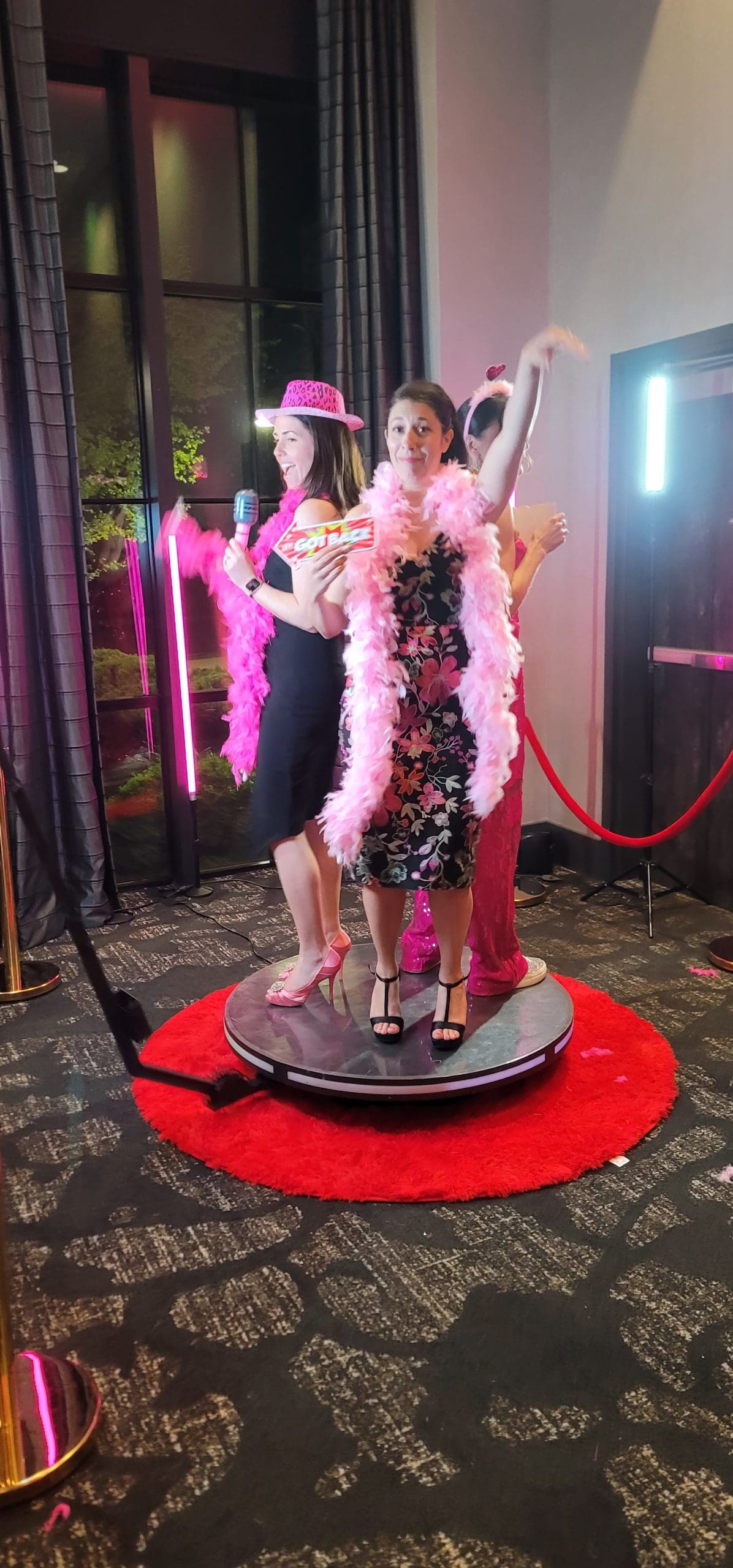
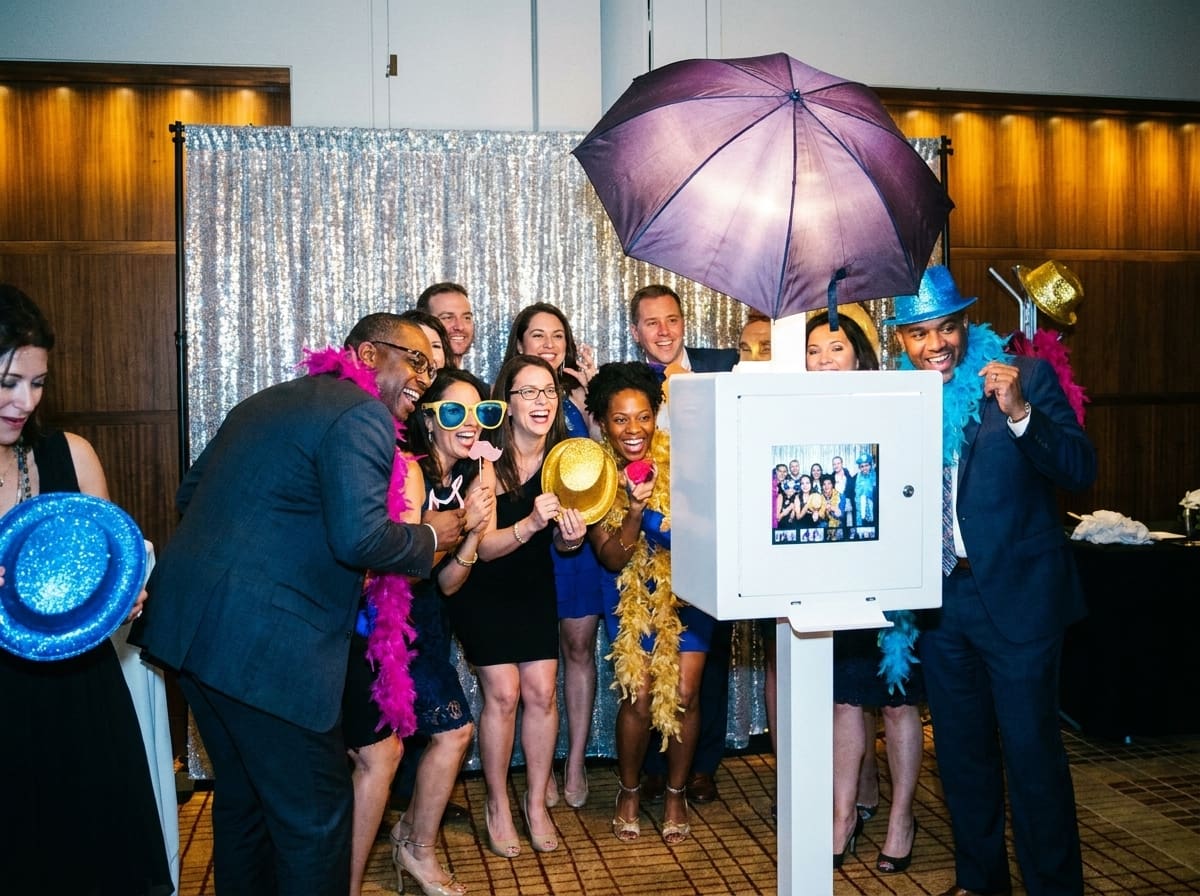
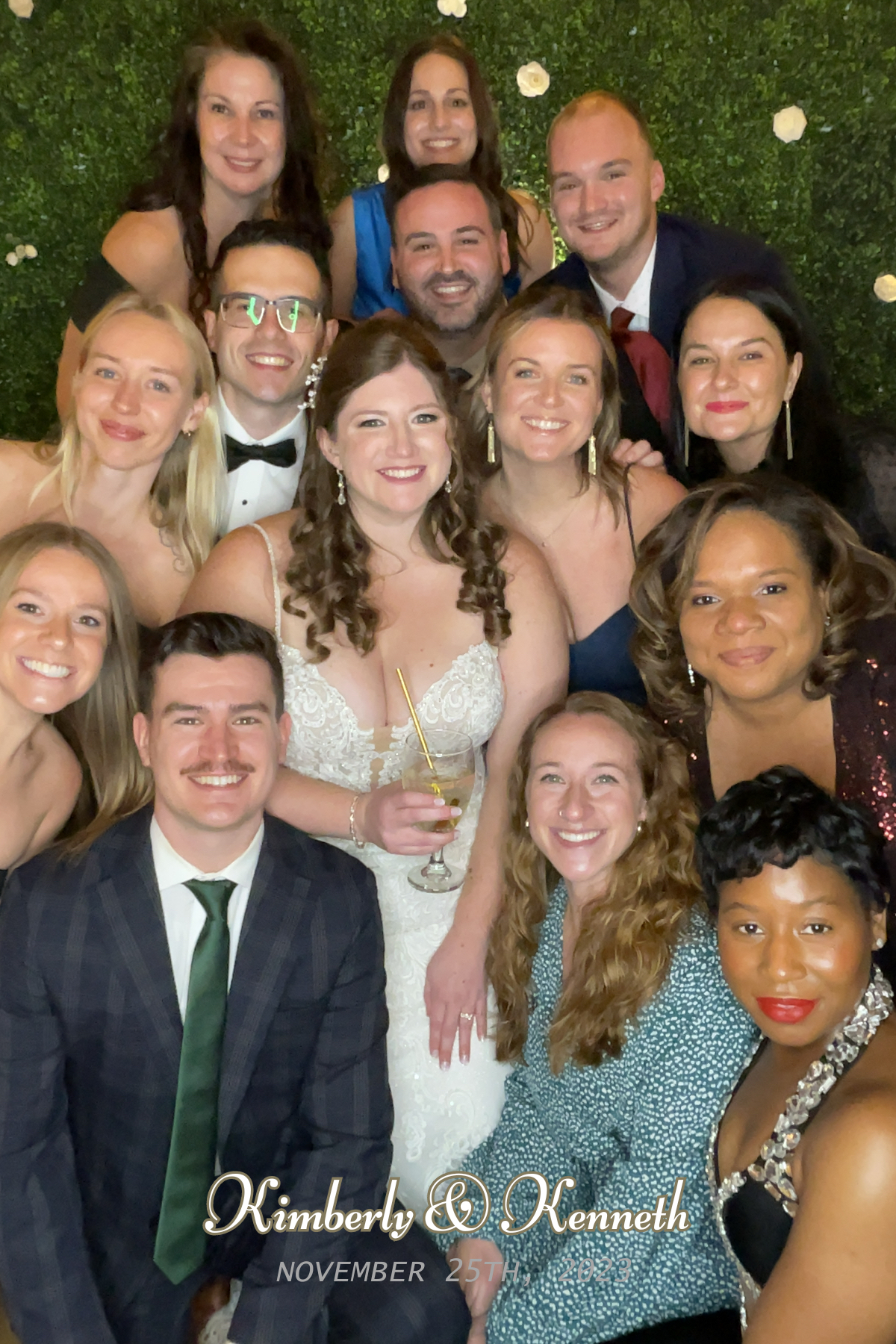
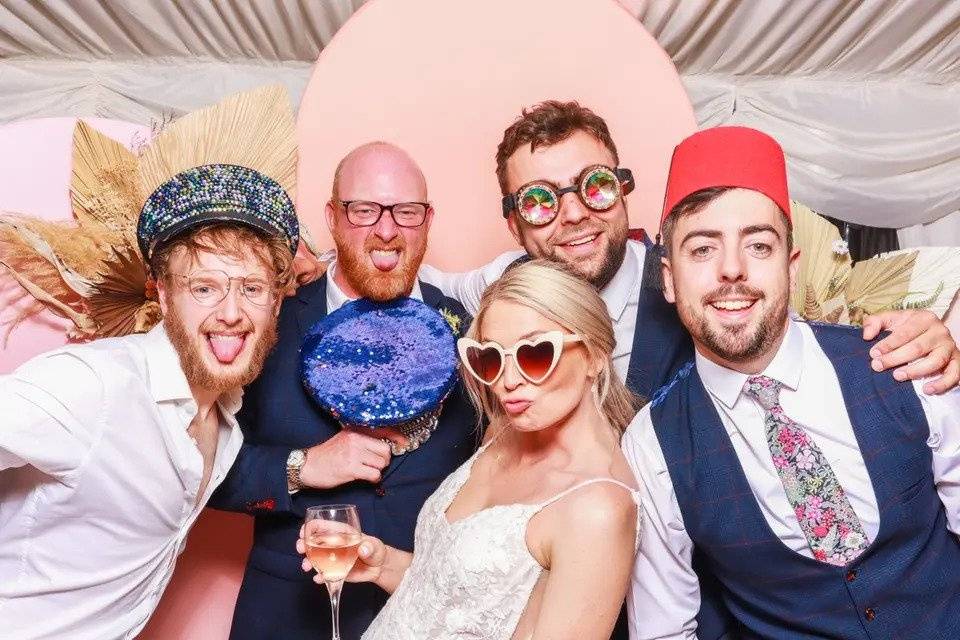
They remember the surprise entrance. They remember the photos with glowing props and huge smiles. They remember the aunt who suddenly ended up in the center of the dance floor. They remember that the wedding felt alive.
That is the real value. Hora Loca is not just noise, and it is not just an add-on for the sake of it. When it is planned well, it gives your reception a signature point of excitement that people talk about long after the last song.
If you are considering it for your wedding, focus less on making it bigger and more on making it right for your crowd. The best party moments are not the loudest ones. They are the ones that bring the room together at exactly the right time.