A packed dance floor does not happen by accident. Neither does a smooth grand entrance, a toast that starts on time, or a room full of guests who know exactly what is happening without feeling bossed around. If you have been asking what does wedding mc do, the short answer is this: they keep your reception moving, your guests engaged, and your celebration feeling polished from start to finish.
That sounds simple until you see what can go wrong without one. Dead air between formalities, confused vendors, missing family members during introductions, and a timeline that drifts off course can change the whole energy of the night. A strong wedding MC helps prevent that. They are not just making announcements. They are managing momentum.
What does wedding MC do during a wedding?
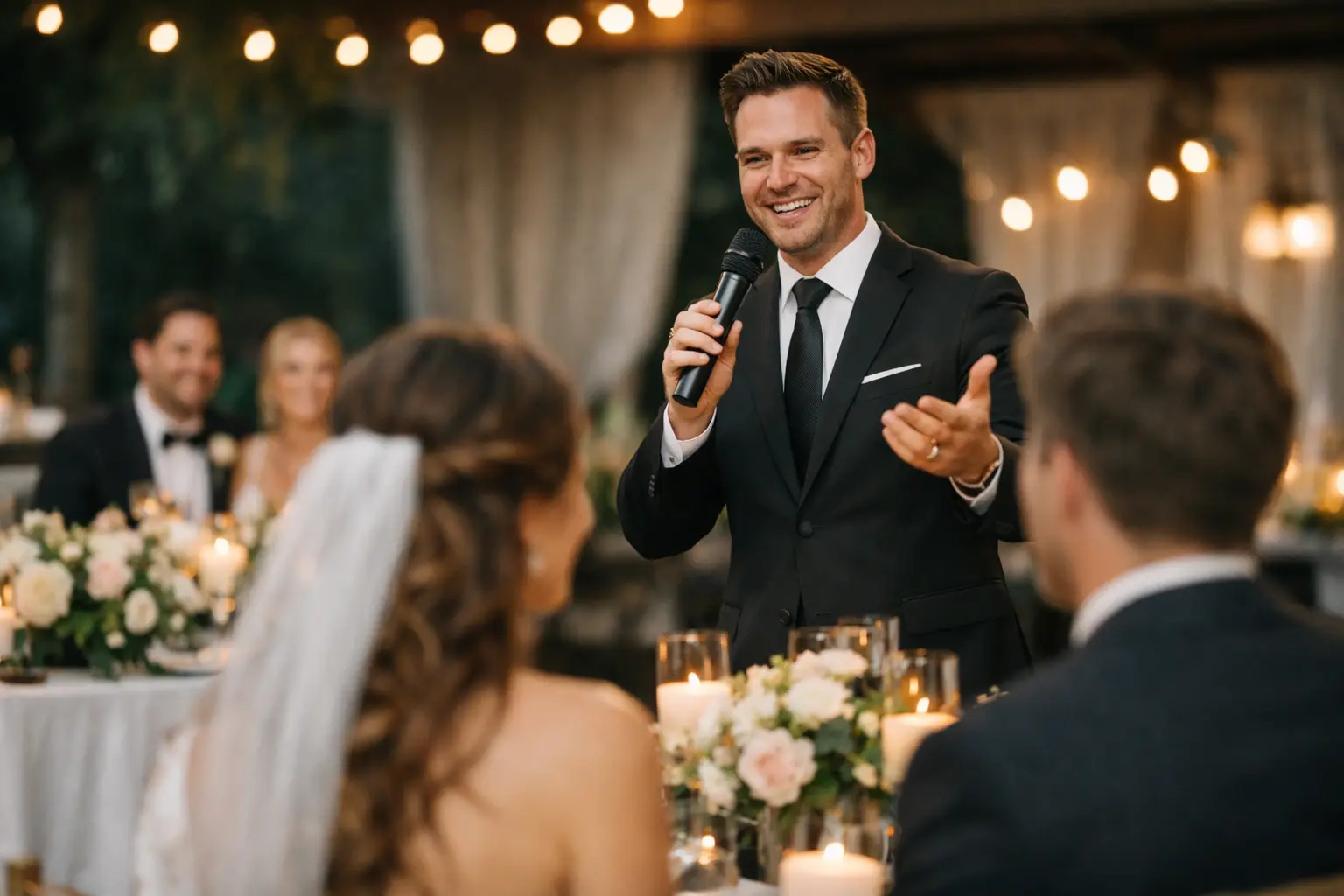
A wedding MC is the voice of the reception, but the job goes far beyond speaking into a microphone. They guide the event from one moment to the next, help set the tone, and make sure guests know when to celebrate, when to gather, and when to pay attention.
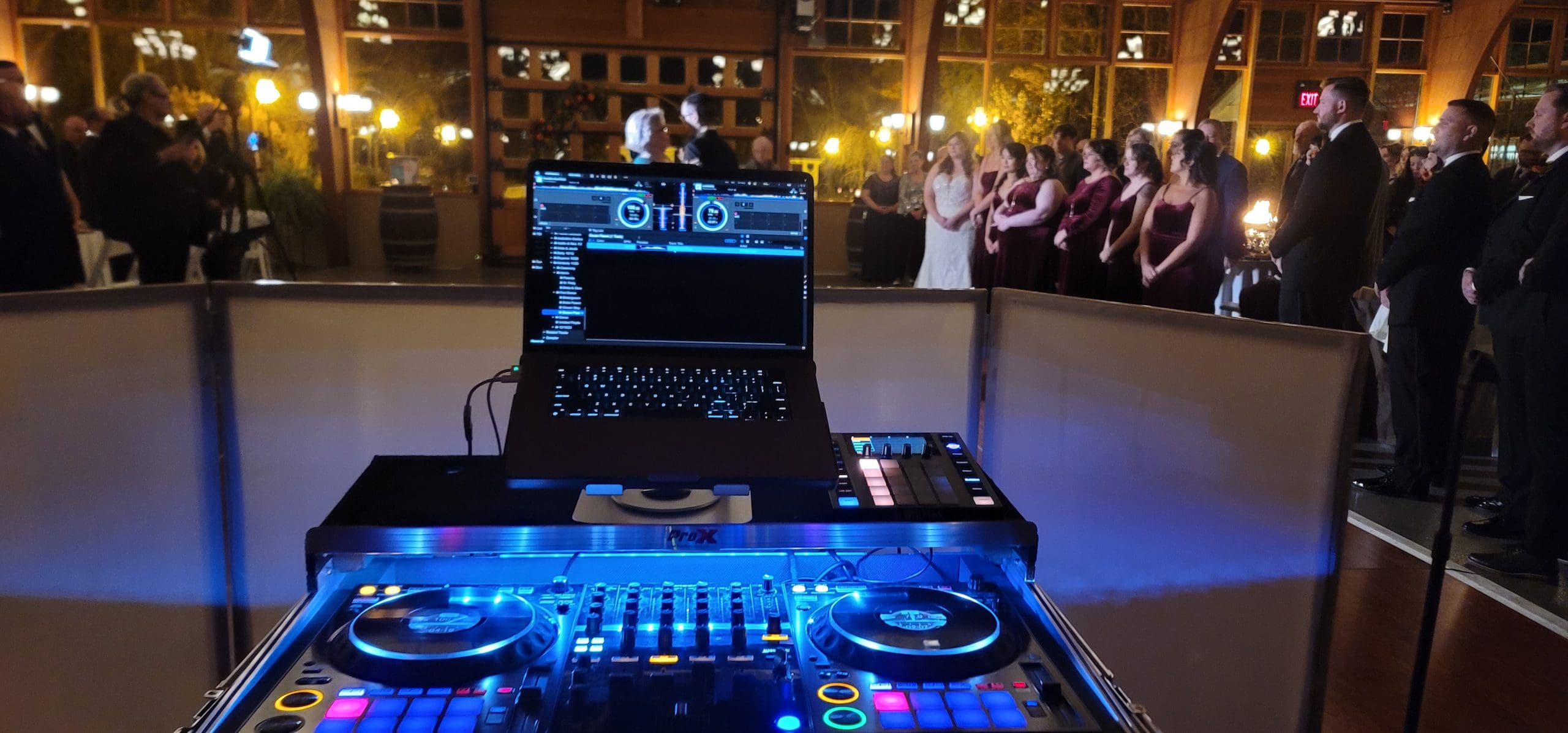
At a practical level, the MC introduces key moments like the wedding party entrance, your first dance, parent dances, toasts, cake cutting, and any special traditions you want included. They also communicate with your DJ, photographer, videographer, banquet staff, and planner so everyone is ready before each major moment starts.
At a higher level, they control the flow of the room. That matters more than most couples realize. A reception has natural peaks and valleys. Guests arrive, settle in, eat, mingle, and shift in and out of party mode. A skilled MC reads that energy and keeps the event from feeling flat, rushed, or awkward.
The wedding MC is part host, part coordinator, part crowd leader
A great MC wears a few hats at once. One minute they are welcoming guests and building excitement. The next, they are checking whether the photographer is in place for the first dance or whether the best man is actually in the room before the toast begins.
This is where experience shows. Anyone can read names from a list. Not everyone can hold a room, sound confident, pronounce names correctly, keep things on schedule, and stay flexible when the timeline changes.
That flexibility matters because weddings rarely run exactly as written. Hair and makeup can go long. Family photos can take extra time. Dinner service can shift. A seasoned MC adjusts on the fly without making the couple feel stressed or making guests feel the event is off track.
What a wedding MC typically handles
Before the reception even starts, the MC usually helps review the timeline and key details. That can include name pronunciations, entrance order, special songs, must-mention announcements, cultural traditions, and any sensitive family dynamics that affect how formalities should be introduced.
During the event, the MC often handles the grand entrance, welcomes guests, invites everyone to dinner, introduces toasts, announces dances, and cues specialty moments. They may also make practical announcements, like directing guests to the photo booth, inviting tables to the buffet, or letting everyone know when dessert is open.
The best MCs do all of this without sounding stiff or overproduced. The goal is not to dominate the room. The goal is to keep the room connected.
Why the MC and DJ need to work together
A lot of couples assume the DJ and MC are separate jobs, and sometimes they are. But even when one company provides both, they still need to work as a team. The MC builds anticipation with the spoken moments, and the DJ reinforces that energy with music timing, transitions, and crowd reading.
When those roles are not aligned, the reception can feel choppy. The MC may be ready for introductions while the music is not cued. The DJ may be waiting for a signal that never comes. The result is hesitation, and guests can feel it.
When the MC and DJ are in sync, the room feels effortless. Your entrance lands at the right moment. Toasts begin cleanly. Formalities do not drag. Dance sets start with purpose. That coordination is a big reason many couples prefer one entertainment team rather than piecing together separate vendors.
What does wedding mc do that a venue coordinator does not?
This is one of the most common points of confusion. A venue coordinator and a wedding MC can both support the timeline, but they are not doing the same job.
A venue coordinator is usually focused on the property, catering service, staffing, and room logistics. They make sure the space is ready, food is served, and the venue side stays on track. That is essential, but it is not the same as directing the guest experience.
The MC is focused on the human energy in the room. They communicate directly with guests, lead the formal moments, keep attention where it needs to be, and help the celebration feel lively and organized. One role manages operations. The other manages flow and engagement. The strongest receptions usually have both covered.
The right MC changes the guest experience
Guests may not always remember every song that played during cocktail hour, but they absolutely notice whether a reception feels smooth and fun. They notice when introductions are exciting, when speeches start without confusion, and when the room never slips into long awkward pauses.
That is the real value of a wedding MC. They protect the energy of the event.
This is especially important at weddings with a mixed crowd. Different age groups, friend circles, and family personalities all bring different expectations. Add in bilingual guests or cultural traditions, and clear communication becomes even more important. A capable MC helps every guest feel included and informed without making the event feel overly scripted.
Not every couple needs the same MC style
There is no single “right” way to MC a wedding. It depends on the kind of celebration you want.
Some couples want a high-energy personality who can fire up the room, build hype for the entrance, and keep the dance floor buzzing all night. Others want a more polished, understated MC who speaks with confidence but keeps the spotlight firmly on the couple. Most weddings land somewhere in the middle.
That is why style matters just as much as experience. A great MC should fit your crowd, your priorities, and your overall vibe. If your wedding is elegant and formal, your MC should know how to lead with polish. If your reception is full-throttle and party-driven, they should know how to bring that energy without sounding forced.
Signs you have a strong wedding MC
You can usually spot a strong MC by how natural they feel. They are clear, confident, and never rambling. They know when to speak and when to let the moment breathe. They can get attention without sounding demanding. They are organized behind the scenes and upbeat in front of the crowd.
They also prepare. That means checking pronunciations, confirming timing, coordinating with vendors, and understanding your must-have moments before the event starts. Good MC work is not improvised chaos. It is prepared performance with room to adapt.
One more thing matters here: restraint. A wedding MC should have personality, but they should not act like the event is about them. If the MC is constantly talking, forcing jokes, or interrupting the flow, that can wear on guests fast. The best ones know how to elevate the room without taking it over.
Should every wedding have an MC?
For most receptions, yes. The bigger the guest count and the more moving parts involved, the more valuable an MC becomes.
A very small dinner with minimal formalities might not need a dedicated master of ceremonies in the traditional sense. But if you are planning entrances, speeches, dances, multiple vendors, a full reception timeline, or a lively dance party, someone needs to lead the room. Leaving that role undefined usually means the couple, a family member, or the DJ ends up scrambling in the moment.
That is not where you want your energy on your wedding day.
A professional MC brings structure without making things feel stiff. They help the night feel intentional, exciting, and easy for everyone attending. For couples who want a reception that feels smooth from the first introduction to the last song, that is not an extra. It is part of what makes the celebration work.
If you are choosing entertainment for your wedding, do not just ask about playlists and speakers. Ask how the night will be led, how the timeline will be managed, and who will keep your guests connected to every big moment. That answer tells you a lot about how your reception will actually feel when the room is full and the music starts.