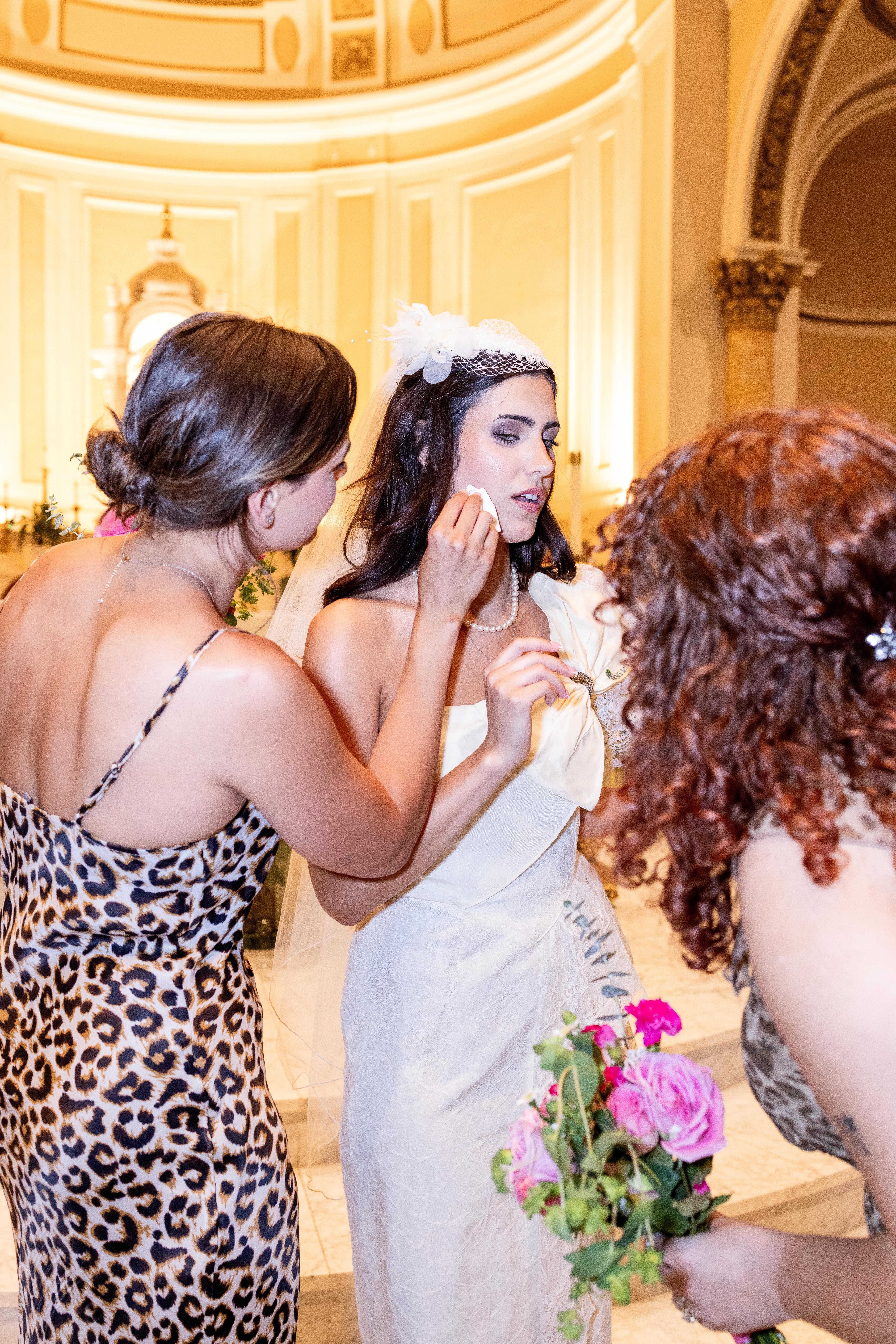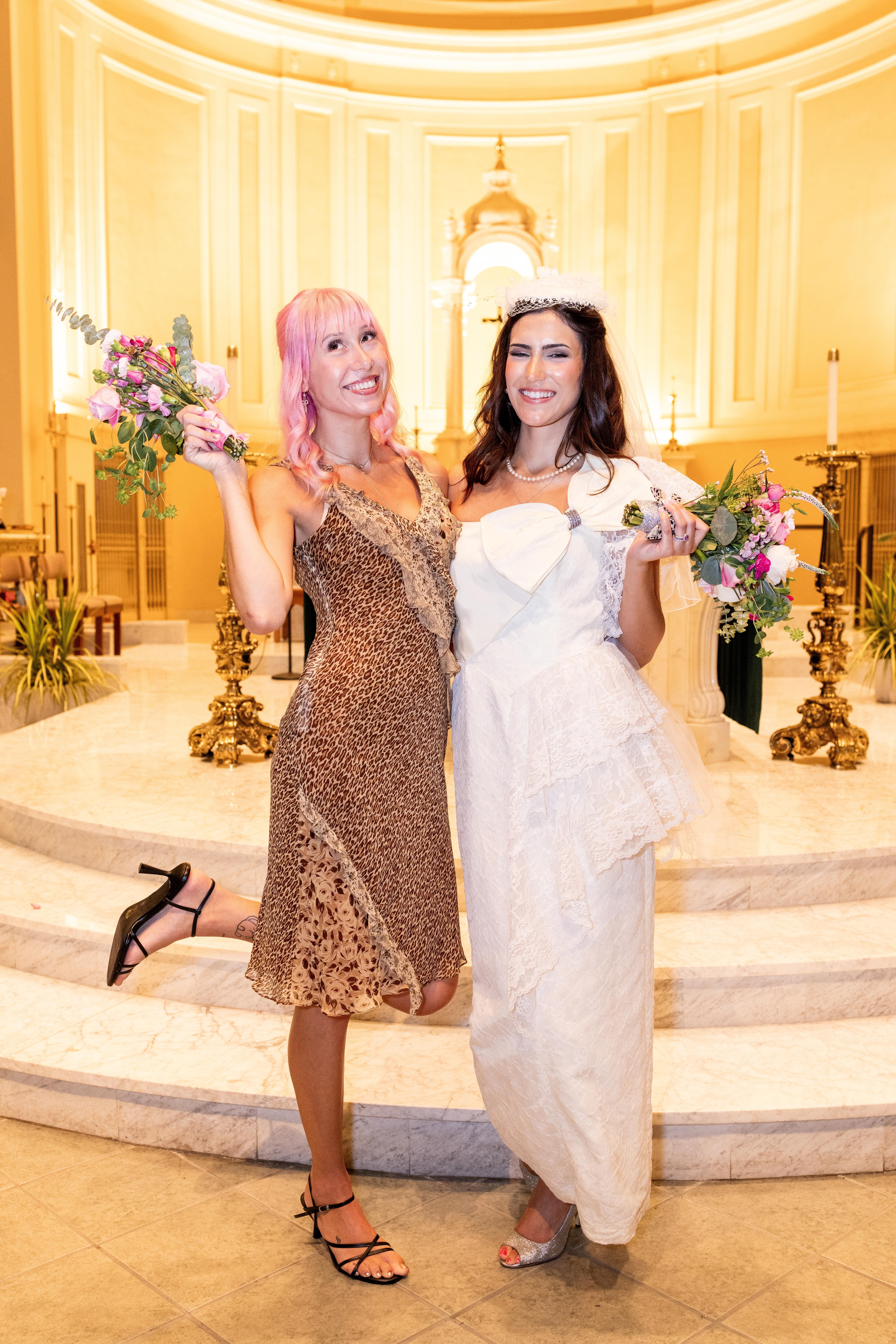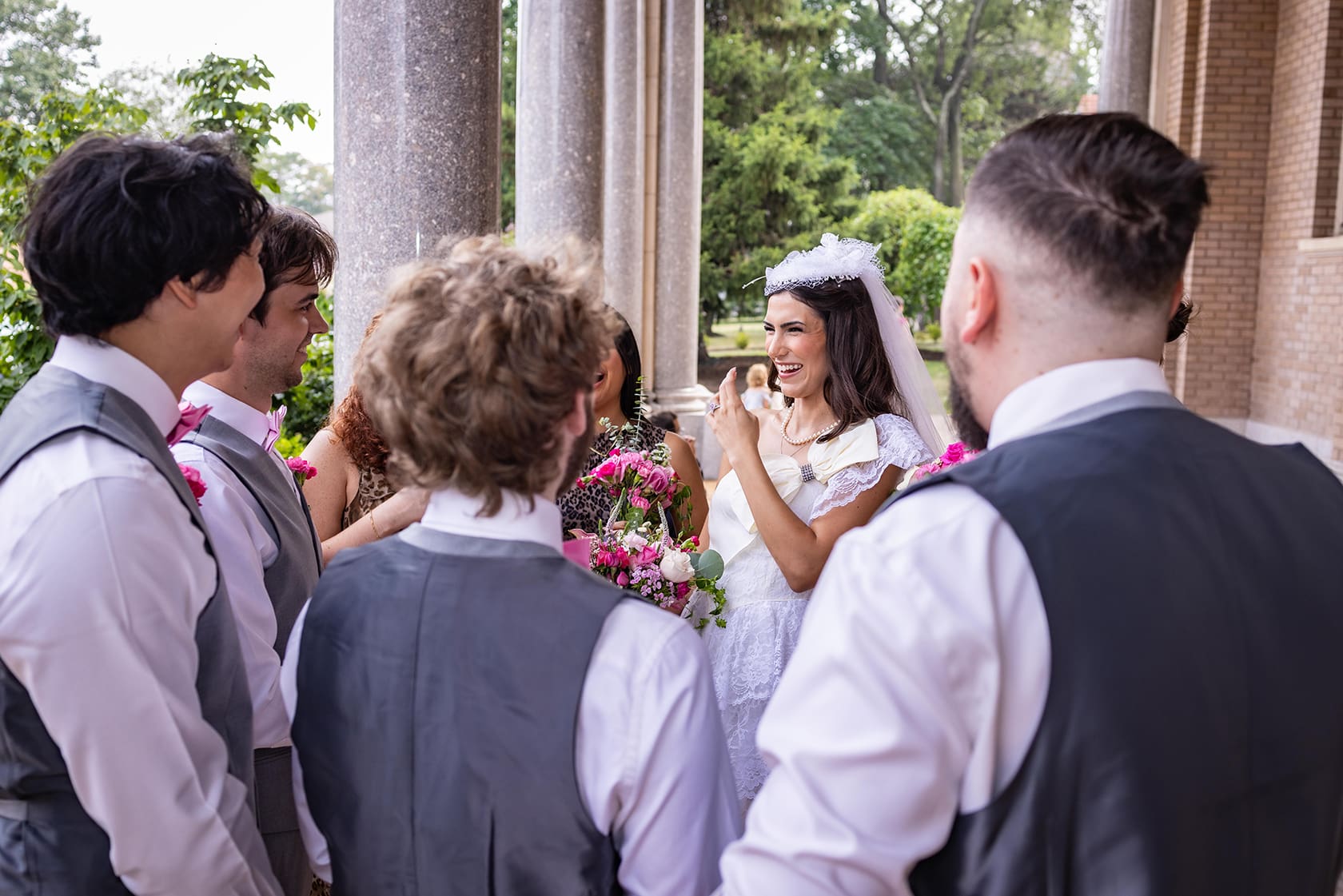
Your ceremony is the one part of the wedding where every guest is fully present, phones are down, and the room is waiting for a moment that feels like you. The best ceremony music planning tips are not about choosing the trendiest songs. They are about matching the music to the emotion, the pace, and the people walking into one of the biggest moments of the day.
A great ceremony soundtrack creates anticipation before the first person reaches the aisle. It supports the emotion without distracting from it, then gives your exit the lift that says, “Now the party begins.” A little planning makes that experience feel effortless for you, your wedding party, and every guest in the room.
Start With the Moments That Need Music
Ceremony music is more than one processional song and a recessional. Most weddings have several distinct musical cues, and each one needs a purpose. When couples leave these details until the final week, the ceremony can feel rushed or uneven even when the song choices are beautiful.
Think through the order of your ceremony first. Your DJ, MC, officiant, venue coordinator, and photographer should all understand the same flow. In most cases, music is needed for guest arrival, the seating of important family members, the wedding party processional, the couple’s entrance, a unity ritual if you are including one, and the recessional.
You may also want music for a memorial moment, a cultural tradition, or a reading. A bilingual or multicultural celebration may include special selections that represent both families. Those choices can be some of the most powerful parts of the day when they are planned with intention instead of added as an afterthought.
Guest Arrival Sets the Room’s Energy
Guest arrival music starts the emotional transition from cocktail-hour chatter or parking logistics to a meaningful ceremony. Instrumental music, acoustic covers, jazz, string arrangements, soft Latin selections, or favorite love songs at a lower volume can all work well.
Aim for music that feels welcoming, not sleepy. If your ceremony begins at 5:00 p.m., guests may arrive 20 to 30 minutes early. That gives you time to build an atmosphere without repeating the same handful of songs. Keep the volume comfortable enough for greetings and conversation.
Choose Songs for the Walk, Not Just the Lyrics
A song may have lyrics you love but still be difficult to walk to. Processional music needs a steady, graceful pace. If the tempo is too fast, people instinctively rush. If it is too slow, the entrance can drag and guests may start wondering whether something went wrong.
Listen to your choices with the aisle length in mind. A ceremony on a short indoor aisle needs less music than an outdoor ceremony with a long walk from the garden entrance. There is no fixed rule, because the number of people in the processional and the venue layout both matter.
The wedding party can use one song while the person of honor uses another, but it is not required. One song can create a classic, cohesive feel. Two songs allow for a more dramatic emotional shift. If you want a separate entrance song, identify the exact lyric, instrumental swell, or timestamp where it should begin.
Give Your DJ Clear Cue Points
“Start it at the good part” is understandable, but it leaves too much open to interpretation. A professional DJ can make a smooth edit or fade, but the direction needs to be specific.
For each key song, share the title, artist, version, and start point. If you are using an acoustic cover rather than the original recording, make that clear. Live versions can have longer introductions, unexpected crowd noise, or a different tempo than the studio track.
Also decide how each song should end. Some couples prefer a gentle fade as the final person reaches the front. Others want the music lowered quickly once the officiant begins. These small production details protect the flow of the ceremony and prevent awkward silence.
Match the Music to Your Ceremony Style
Your ceremony does not need to sound like anyone else’s. A formal ballroom wedding may call for a string quartet feel, piano instrumentals, or timeless classics. A modern loft or outdoor estate might suit cinematic instrumentals, indie love songs, country acoustic covers, or contemporary R&B.
The key is consistency. A traditional processional followed by an unexpectedly high-energy club track can work if that contrast reflects your personality. But if it happens by accident, it can pull guests out of the moment. Build a musical arc that makes sense from the first guest’s arrival through your exit.
For religious ceremonies, check any music guidelines with your house of worship early. Some venues require sacred music during certain portions of the service, while others allow a mix of traditional and personal selections. Respecting those requirements does not mean your ceremony has to feel generic. It simply means the creative choices need to fit the setting.
Plan for the Recessional Like It Is the First Dance Floor Moment
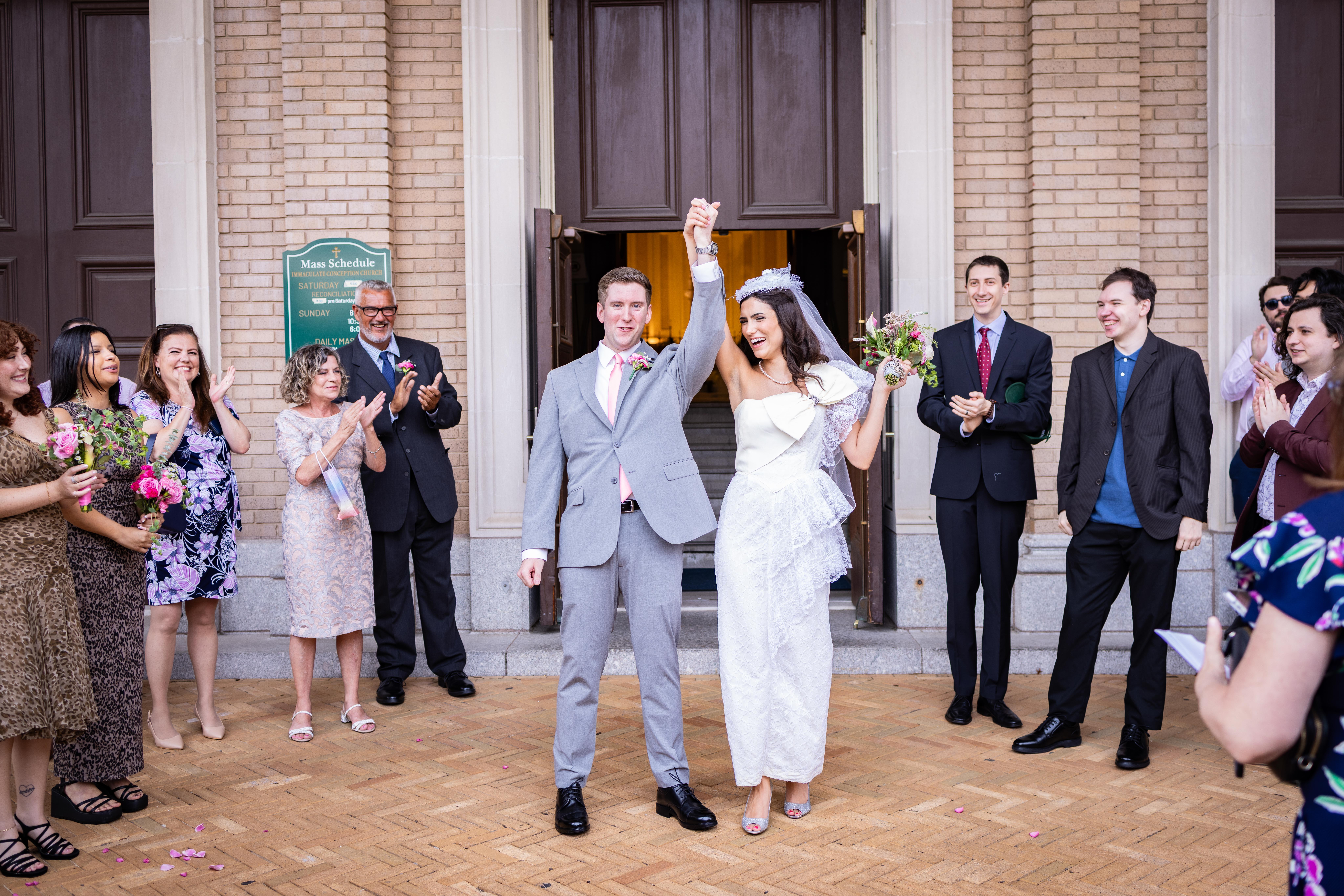
The recessional is your release of energy. You are officially married, your guests are cheering, and the room should feel the change. This is the place for a brighter, more celebratory song with a clear opening and a beat that gets people smiling.
Choose something that makes you want to walk back down the aisle together, not just something that happens to mention love. A joyful classic, a soulful anthem, a feel-good pop song, or a lively cultural favorite can all be perfect choices.
After you exit, do not let the energy drop immediately. Your DJ can continue the recessional song or transition into upbeat post-ceremony music while guests head toward cocktail hour. That extra five to ten minutes keeps the mood moving, especially if guests need to wait while family photos begin.
Build a Realistic Ceremony Timeline
Good ceremony music planning is partly music selection and partly traffic control. Your wedding party should know where to stand, when to begin walking, and how much space to leave between each pair or individual. A quick rehearsal is valuable because it reveals pacing issues that a written timeline cannot.
Ask your officiant to coordinate the final go-ahead with the DJ or ceremony coordinator. The DJ should not start the processional just because the scheduled time has arrived if the grandparents are still being seated or the groom is not in place. On the other hand, waiting too long after the music begins can make the entrance feel disconnected.
Outdoor weddings deserve an extra layer of planning. Wind, traffic, a nearby train, or a large open lawn can affect how music carries. Make sure there is a proper sound setup for the ceremony area, including a microphone for the officiant and anyone giving a reading. Guests should hear the vows clearly without the music overpowering them.
Keep Your Must-Play List Focused
You do not need to provide 40 ceremony songs. In fact, too many options can make the final decisions harder and create confusion on the day. Focus on the moments that matter most, then give your entertainment team a few style notes for the rest.
A useful planning conversation includes your must-play selections, any songs or artists you do not want, the names and order of everyone walking, and special traditions that need a cue. If a parent has a meaningful request, hear them out, but protect the overall experience you want. Your ceremony can honor family while still sounding like your relationship.
At Electrified DJ Services, we see the strongest ceremonies happen when the soundtrack and the logistics are planned together. The music should never feel like a separate playlist playing in the background. It should support every entrance, every pause, every happy tear, and the instant the celebration takes off.
Make Room for the Unexpected
Even a carefully planned ceremony can have a flower girl who freezes, a late shuttle, or a sudden burst of laughter that changes the timing. That is normal. The goal is not to make every second rigid. The goal is to have a prepared entertainment team that can adjust the music without making guests feel the adjustment.
Choose your songs early enough that you can enjoy them, then trust the plan. When the first notes play, take a breath, look around, and let the music carry you into the moment you have been waiting for.