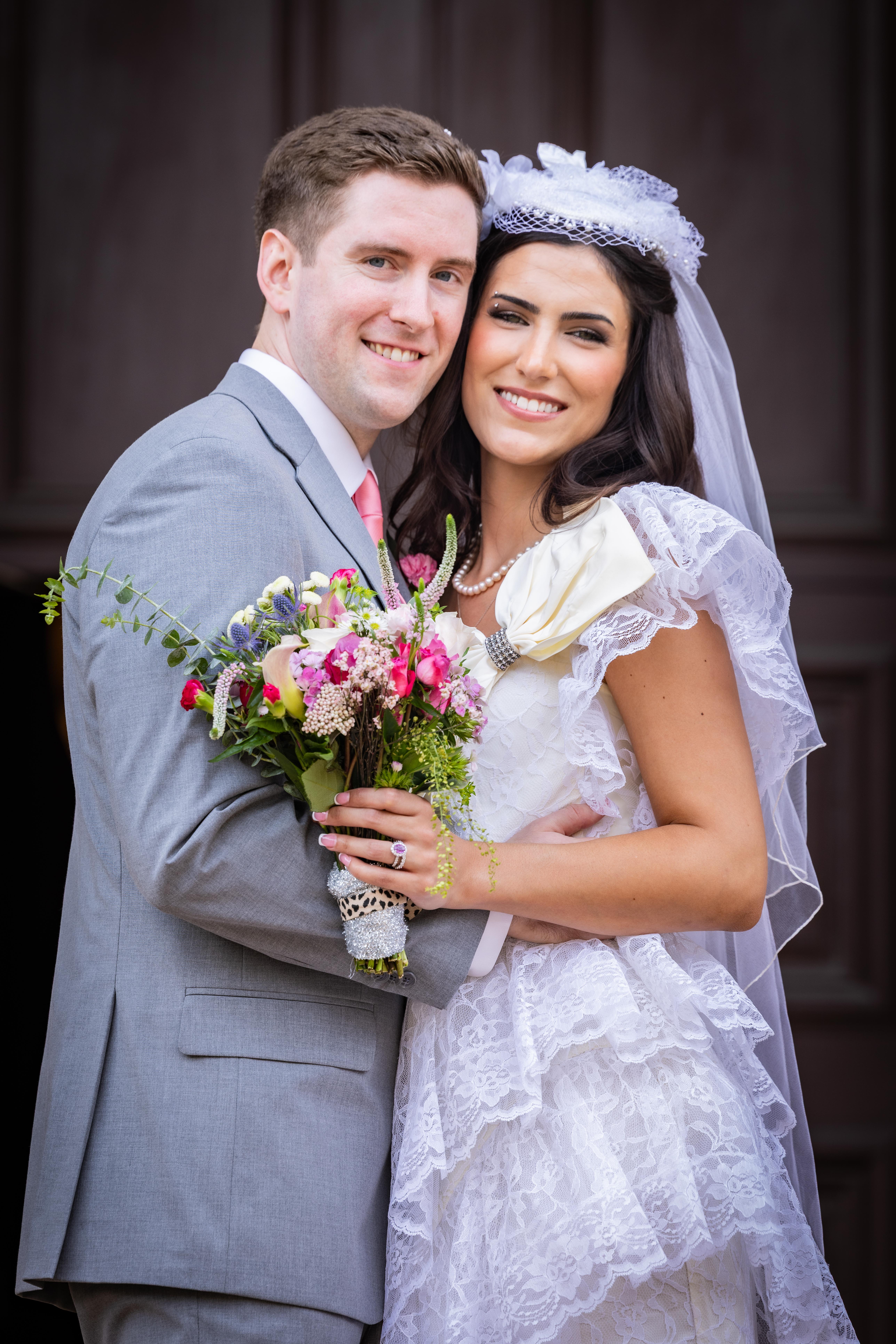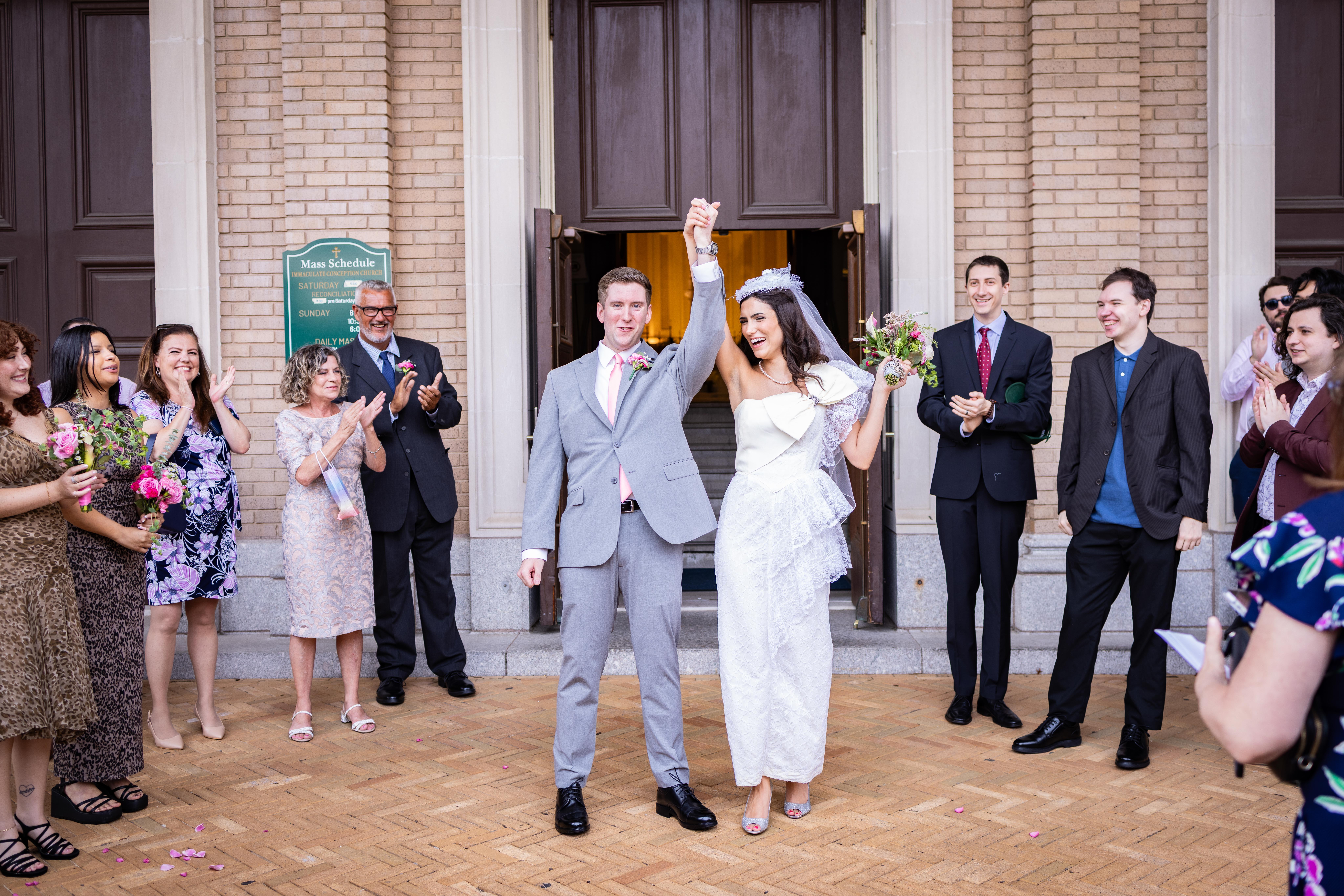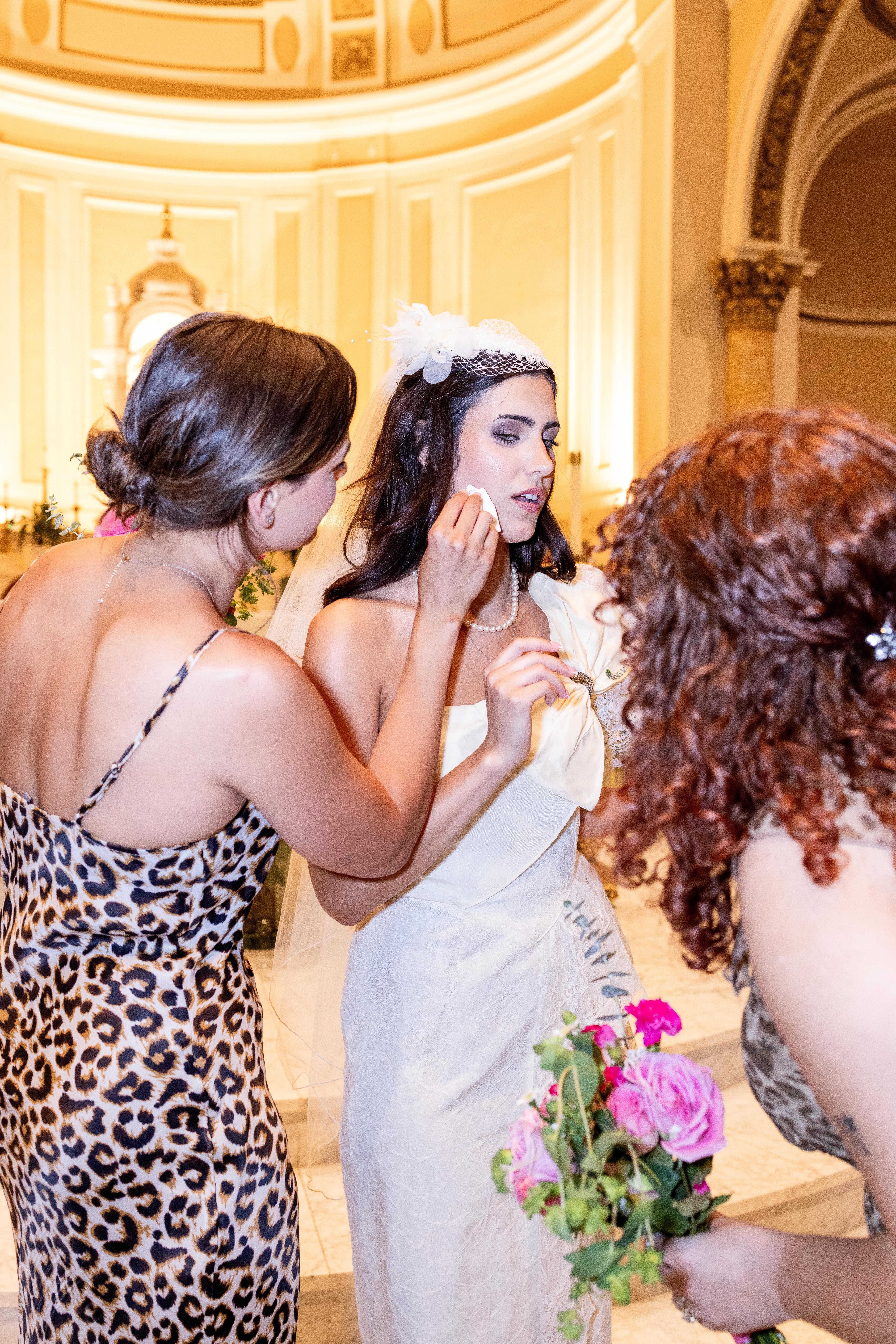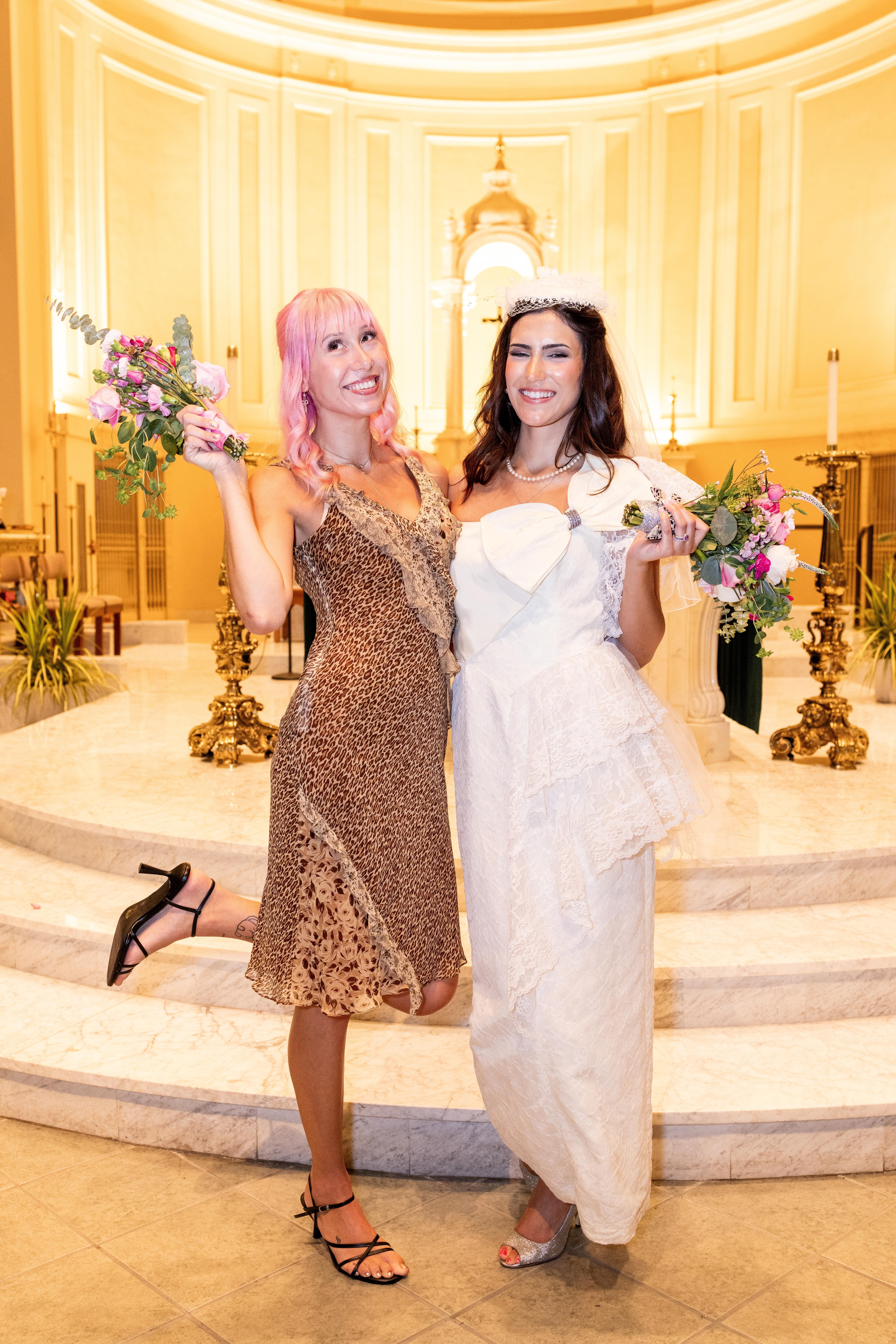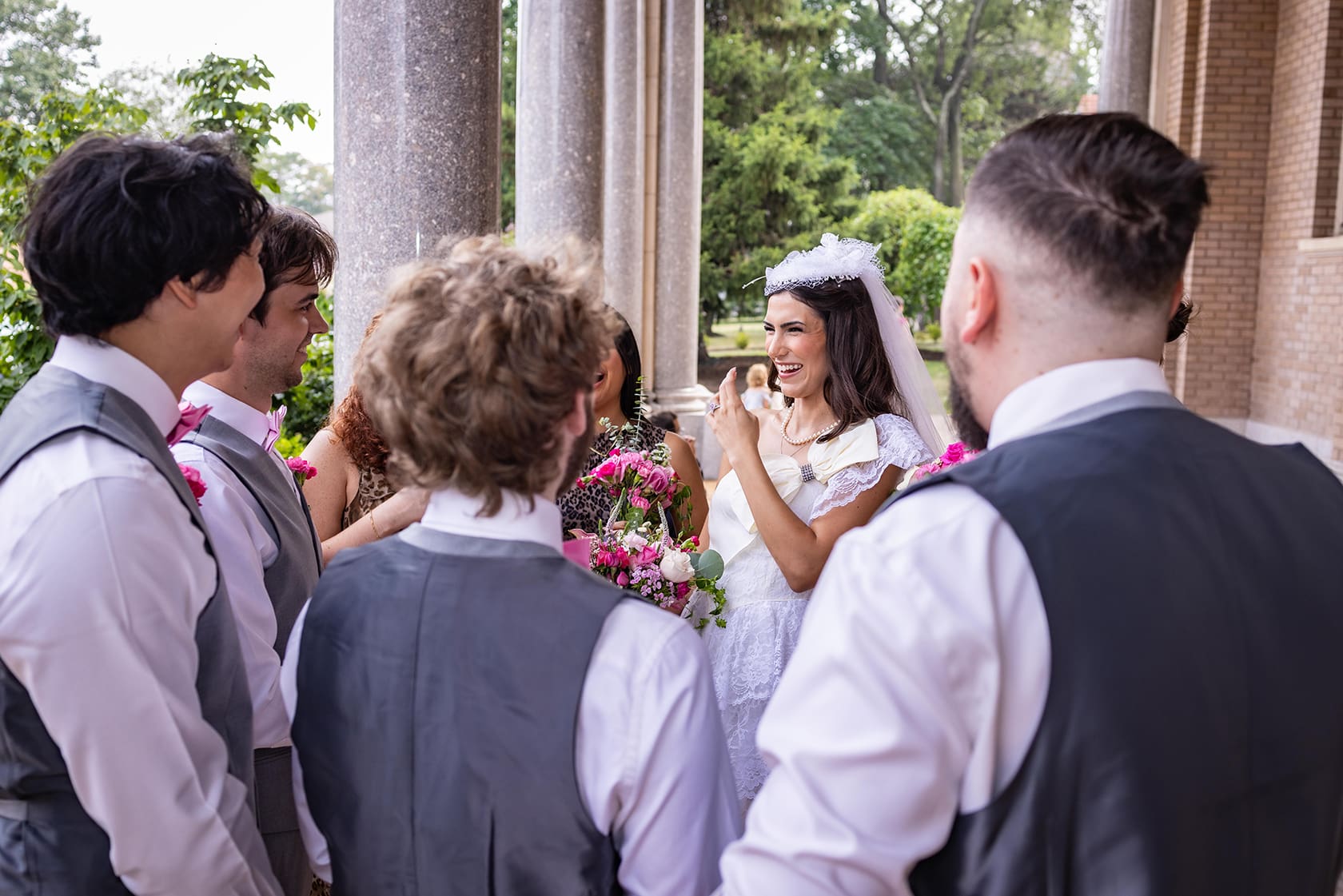
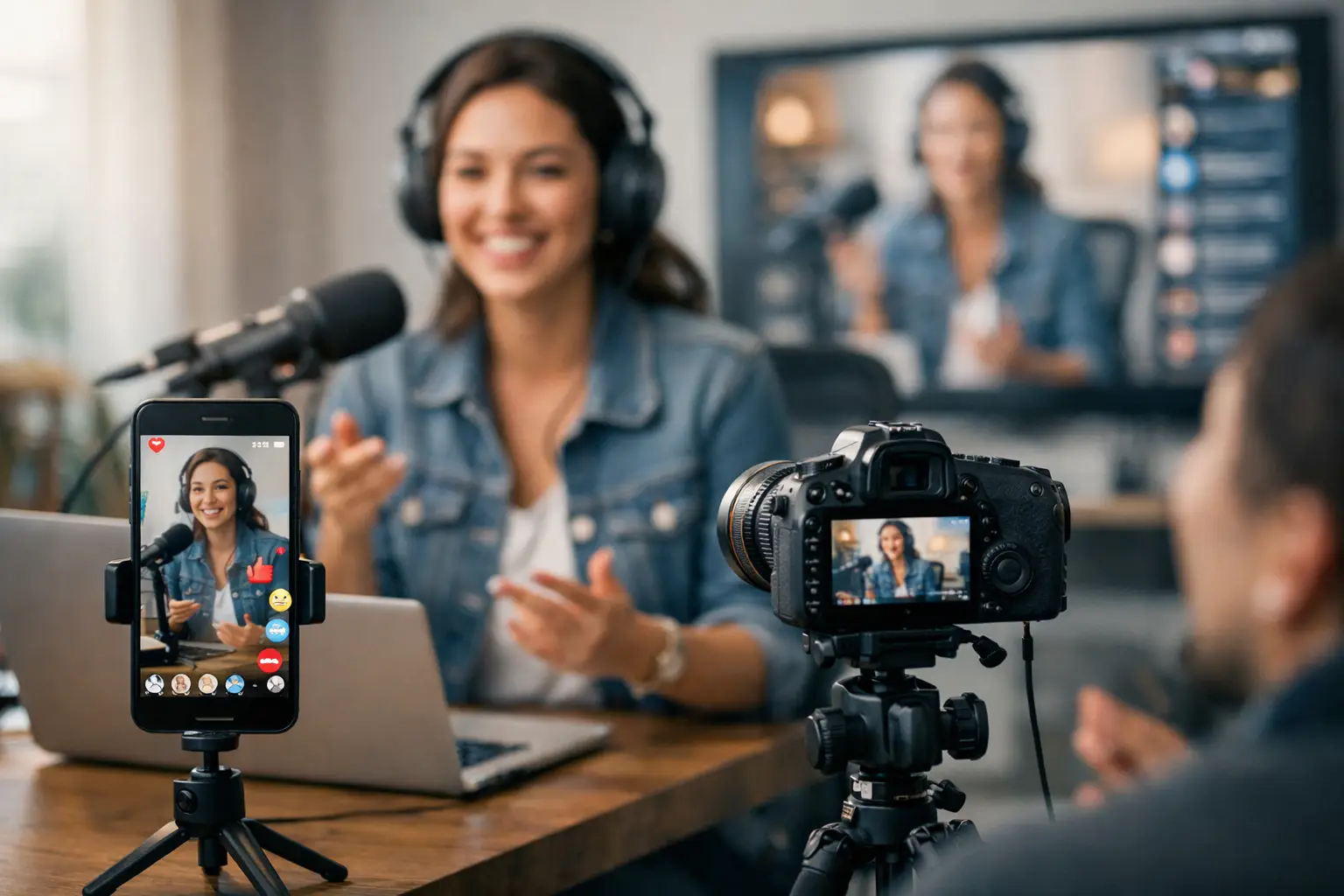
Some of the most emotional moments at an event happen in front of people who could not make it into the room. A grandmother watching a first dance from another state. A college friend catching the grand entrance between meetings. A relative overseas hearing vows in real time instead of the next day in a shaky phone clip. That is why live social media streaming events have become more than a nice extra. For many weddings and private celebrations, they are part of the guest experience.
When live streaming is done well, it does not pull attention away from the room. It supports it. The in-person crowd still gets the music, the energy, the lighting, and the shared reactions. Remote guests get a clear, intentional window into the celebration instead of a random social post or a poor-quality video from the back of the room. The difference is planning.
Why live social media streaming events matter at real celebrations
Events are more connected than ever, but that does not mean every guest can physically attend. Travel costs, health concerns, work schedules, military service, childcare, and distance all affect who can be there. Couples and families feel that gap, especially when the missing guests are people who matter most.
A strong stream closes that gap without changing the heart of the event. Guests at home can still witness the ceremony, speeches, special dances, or major reveal moments as they happen. That matters emotionally, but it also matters practically. Instead of answering follow-up texts all night or collecting clips from ten different phones, the hosts know key moments are being shared clearly and professionally.
For weddings, streaming is especially valuable because the day moves fast. Once the ceremony starts, there is no replay for the people who missed it. For sweet 16s, anniversaries, school functions, and milestone birthdays, the same idea applies. If the moment is worth producing in the room, it is worth sharing properly with the people who cannot be there.
What makes live social media streaming events successful
The best streams feel easy to the viewer because a lot of work happened before the camera went live. Success usually comes down to three things: clear priorities, reliable production, and a team that understands live events.
Start with the moments that matter most
Not every part of an event needs to be streamed. In fact, trying to broadcast everything can make the final result weaker. A ceremony, grand entrance, candle lighting, first dance, speeches, or Hora Loca segment may deserve coverage. Cocktail hour small talk probably does not.
The right plan depends on the event and on the audience. Some couples want a private ceremony stream for family members who cannot travel. Others want a more energetic social broadcast that captures the entrance, packed dance floor, and crowd reactions. There is no one-size-fits-all answer, and that is a good thing. A personalized stream always feels more intentional than a generic all-day feed.
Good audio matters more than most people expect
People will forgive a slightly imperfect camera angle. They will not stay on a stream with bad sound. If viewers cannot hear vows, speeches, or introductions clearly, the emotional impact disappears fast.
That is why streaming at events is not just about pointing a phone toward the action. Music volume, microphone levels, room acoustics, and crowd noise all have to be managed. A team that already understands DJ sound, MC timing, and event flow has a real advantage here because they know when audio needs to shift and how to keep important moments intelligible.
The stream should work with the event, not against it
This is where experience shows. A wedding is not a studio shoot. People are moving, crying, hugging, dancing, and reacting in real time. The entertainment timeline changes. The room energy changes. Sometimes the best moment of the night is not on the original schedule.
A strong streaming setup has to stay flexible without becoming chaotic. That means knowing where cameras can go without blocking guests, when to stay wide, when to get closer, and how to avoid turning a celebration into a production set. The event should still feel natural in person.
Live social media streaming events are not the same as a guest going live
This is one of the biggest misconceptions. Plenty of hosts assume a friend can just stream from a phone and call it done. Technically, yes, someone can go live. But there is a huge difference between going live and creating a stream people actually want to watch.
A guest filming casually is usually reacting to the moment for themselves. They might turn the phone vertically one minute and sideways the next. They may block the lens, lose signal, miss the key shot, or talk over the ceremony. None of that is malicious. They are guests first.
Professional streaming is different because the priority is the viewing experience and the event itself. The camera placement is intentional. The sound is considered. The stream is timed with the actual flow of the day. That protects the quality of what remote guests see, and it also protects the hosts from having to manage another moving part while trying to enjoy their event.
When streaming adds the most value
Some celebrations benefit from streaming more than others. Weddings are the obvious example, especially when families are spread across states or countries. It is also a smart addition for multicultural celebrations where not every loved one can travel, or for bilingual families who want distant relatives to feel included in a meaningful way.
Private parties can benefit too, particularly milestone birthdays, anniversaries, and retirement celebrations where the guest list may span generations. School events, proms, and community celebrations sometimes use streaming to extend the experience beyond the venue while still keeping the focus on the people in the room.
That said, not every event needs a live broadcast. If the hosts want a very intimate atmosphere or the venue has serious connectivity limitations, a recorded video option may make more sense. The right answer depends on the goal. Streaming works best when it serves the event instead of being added just because it sounds modern.
How to plan live social media streaming events the smart way
The easiest mistake is treating streaming like an afterthought. If it gets discussed too late, the result is usually compromised camera placement, unclear audio, and rushed coordination with the entertainment timeline.
It is better to decide early what remote guests need to see. Is the stream centered on the ceremony? Is it about the party energy? Is it for a private group, or is it meant for a broader social audience? Those choices affect setup, staffing, and the way the event is paced.
This is also where an all-in-one event team makes life easier. When the DJ, MC, lighting, and media coverage are coordinated under one roof, fewer things get lost in translation. The stream team knows when the introductions are happening. The MC understands what remote viewers should be able to hear. The DJ can help shape audio so that it plays well both in the room and on the broadcast. That kind of coordination removes stress for the host because there are fewer vendors trying to guess each other’s timing.
For couples and families planning in Union, Roselle, and nearby North Jersey communities, that local familiarity can make a real difference. Every venue has its own layout, signal challenges, and timing quirks. A team that knows how local events actually run is better equipped to keep things smooth when the schedule shifts or the room gets lively.
What guests remember after the stream ends
People do not remember streaming because the resolution was impressive or because the setup looked technical. They remember it because they felt included. They saw the hug, heard the speech, caught the laugh, and felt like they were part of a moment they would have otherwise missed.
That is the real value. Live streaming is not there to replace being in the room. Nothing can do that. It is there to widen the circle without weakening the experience for the guests who showed up in person.
At its best, a live stream becomes part of the event’s hospitality. It says, we thought about the people who could not make it, and we made space for them too. That kind of planning always feels generous, and guests notice.
If you are already putting energy into the music, the timeline, the atmosphere, and the memories, it makes sense to give remote guests more than a shaky phone video. Give them a real seat at the celebration.