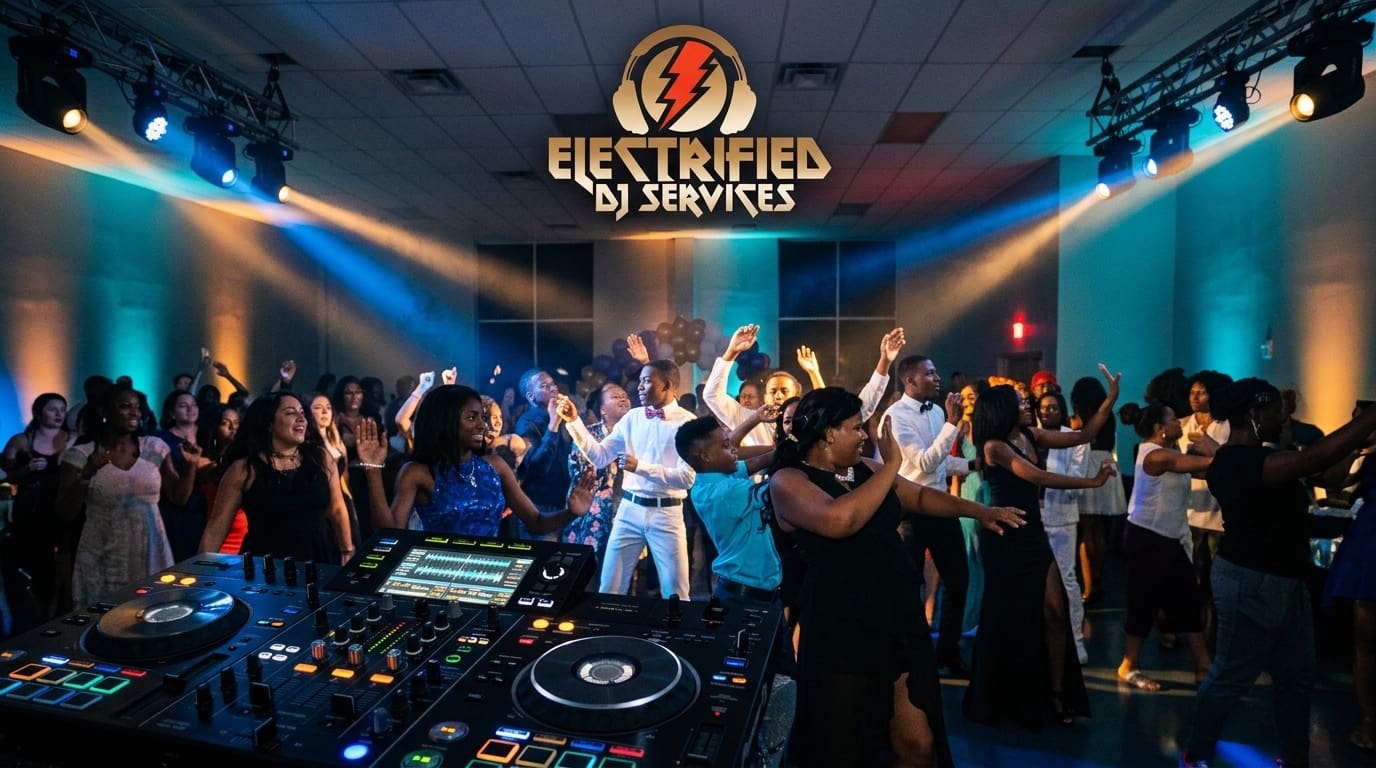
The difference between a party that feels fine and one people talk about for years is rarely the venue alone. It is the moment the right song hits, the room comes together, and guests of every age feel like the celebration was made for them. This private event DJ checklist helps you plan those moments before the first guest arrives, so your entertainment supports the event instead of becoming another last-minute concern.
Electrified DJ Services provides a private event DJ checklist designed to help hosts plan for a packed dance floor by focusing on the desired feeling and energy curve of the event. This approach goes beyond simple music preferences, guiding the DJ to understand guest demographics, cultural traditions, and specific event moments. By providing a detailed timeline and clear priorities, the checklist ensures the entertainment supports the event's flow and keeps guests engaged from start to finish. A skilled DJ can then read the room and adjust the pacing to build and maintain a strong dance floor.
How do you start planning your private event DJ experience to create the desired guest feeling?
Before building a playlist or choosing lighting, decide how you want the room to feel. A 40th birthday with cocktails and a live percussion add-on has a different energy than a sweet 16, anniversary dinner, retirement celebration, or backyard graduation party. “Fun” is a good starting point, but it is not enough direction for an entertainment team.
Think about the opening hour, the peak dance-floor hour, and the final 15 minutes. Do you want guests entering to upbeat lounge music? Will there be a surprise entrance, a toast, a candle lighting, a tribute video, or a Hora Loca? These decisions shape the music, microphone needs, timeline, and lighting design.
A professional DJ should ask questions that go beyond “What kind of music do you like?” The better questions are: Who absolutely needs to be on the dance floor? What songs bring your family together? Are there cultural traditions to honor? Is the goal an elegant lounge atmosphere, a high-energy club feel, or a little of both?
Build Your Private Event DJ Checklist Around the Timeline
Music is part of the flow of the event, not a separate item to plug in after dinner. Give your DJ an event timeline early, then update it when details change. Even a flexible party benefits from knowing when food service starts, when the host wants to speak, and when the big surprise is supposed to happen.
Confirm the Key Moments
Share the names, pronunciations, and approximate timing for anyone who may be introduced or brought to the microphone. If your event includes formal moments, identify the exact music for each one. That may include an entrance song, birthday spotlight, anniversary dance, parent dance, award walk-up music, cake-cutting song, or closing number.
Leave room for real life. Dinner can run late, a guest of honor may get stuck in traffic, and a speech can become more emotional than expected. Your DJ should be able to adjust without making the room feel like the schedule is falling apart. Clear priorities matter more than a minute-by-minute script.
How do you plan the energy curve for your private event with a DJ?
Do not expect a packed dance floor five minutes after guests walk in. Early music should invite conversation and set the tone. As the room settles, the DJ can raise the energy with familiar songs, well-timed requests, and genres that connect different generations.
The strongest dance floors usually come from smart pacing, not simply playing the loudest songs. A skilled DJ reads when to let a song breathe, when to mix into a throwback, and when to shift the vibe before guests lose momentum. Give your DJ a few must-play songs, a few preferred genres, and honest guidance about what your group will not enjoy.
Share Music Preferences Without Micromanaging
Your favorites matter. So does giving the DJ enough freedom to respond to the people in front of them. A playlist of 200 songs can be helpful as inspiration, but it can also make it harder to react when the dance floor tells a different story.
Create three simple categories: must-play songs, preferred artists or genres, and do-not-play selections. If there are songs with a personal meaning, explain why. A DJ who knows that a certain salsa track is a family staple or that early-2000s pop brings your college friends running can place it at the right moment.
For multicultural celebrations, be specific about the blend you want. Maybe your guests want bachata, merengue, reggaeton, cumbia, hip-hop, Top 40, and classic rock throughout the night. Maybe the older generation prefers a dedicated Latin set before the late-night dance music begins. Bilingual MC support can also make announcements more welcoming and keep every guest connected to the action.
Check the Venue Before Booking Equipment
A beautiful venue can still create practical entertainment challenges. Ask about load-in access, stairs, parking, elevator use, setup time, outlet locations, sound limits, rain plans, and the available space for speakers, lighting, and a photo booth. These answers prevent a rushed setup and help the DJ bring the right equipment for the room.
Sound should feel full without overwhelming guests at dinner. In a small restaurant private room, the setup may need to be compact and carefully placed. In a large ballroom or outdoor tent, the event may need additional speakers and a stronger lighting plan to make the space feel intentional.
Use this equipment and logistics check before finalizing your plan:
- Confirm the DJ’s arrival, setup, soundcheck, and breakdown windows with the venue.
- Ask whether the venue has a sound limiter, curfew, generator requirement, or restrictions on haze and special effects.
- Identify a covered backup location for outdoor equipment and guests if weather changes.
- Reserve enough space and power for DJ entertainment, photo booths, uplighting, and any live-streaming setup.
- Assign one venue contact and one family or planner contact who can make quick decisions on event day.
Who should run the room and serve as MC for your private event?
A private event DJ may also serve as the MC, but the style should match the party. Some hosts want big, high-energy introductions and crowd participation. Others prefer polished, limited announcements and a music-first atmosphere. Neither approach is better. The right approach depends on your guests and the reason everyone is gathering.
Discuss this before the event. Decide who will welcome guests, announce food service, introduce important people, manage speeches, and invite everyone to the dance floor. If you have a friend or relative who wants to make announcements, coordinate that role with the DJ so the microphone is ready and transitions stay clean.
The best MC work often feels effortless because it is prepared. Names are pronounced correctly, speeches are cued without awkward searching, and guests know what is happening without being talked at all night.
Add Visual Moments That Match the Music
Entertainment is not only what guests hear. Lighting can turn a plain ballroom into a party space, highlight architectural features, and change the mood as the night progresses. Uplighting works beautifully for an elegant entrance or dinner setup, while dance-floor lighting gives the room more movement once the music builds.
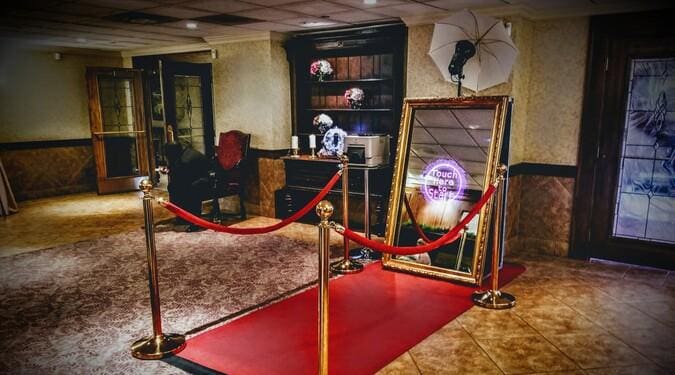
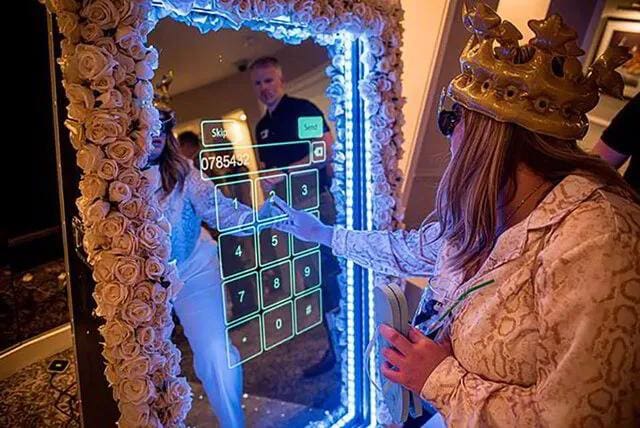
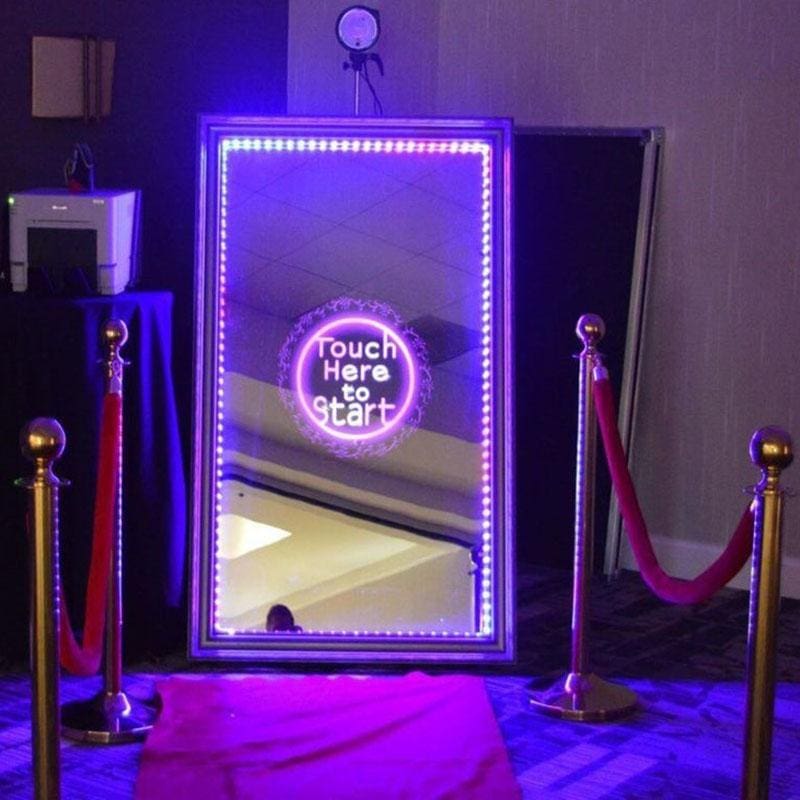
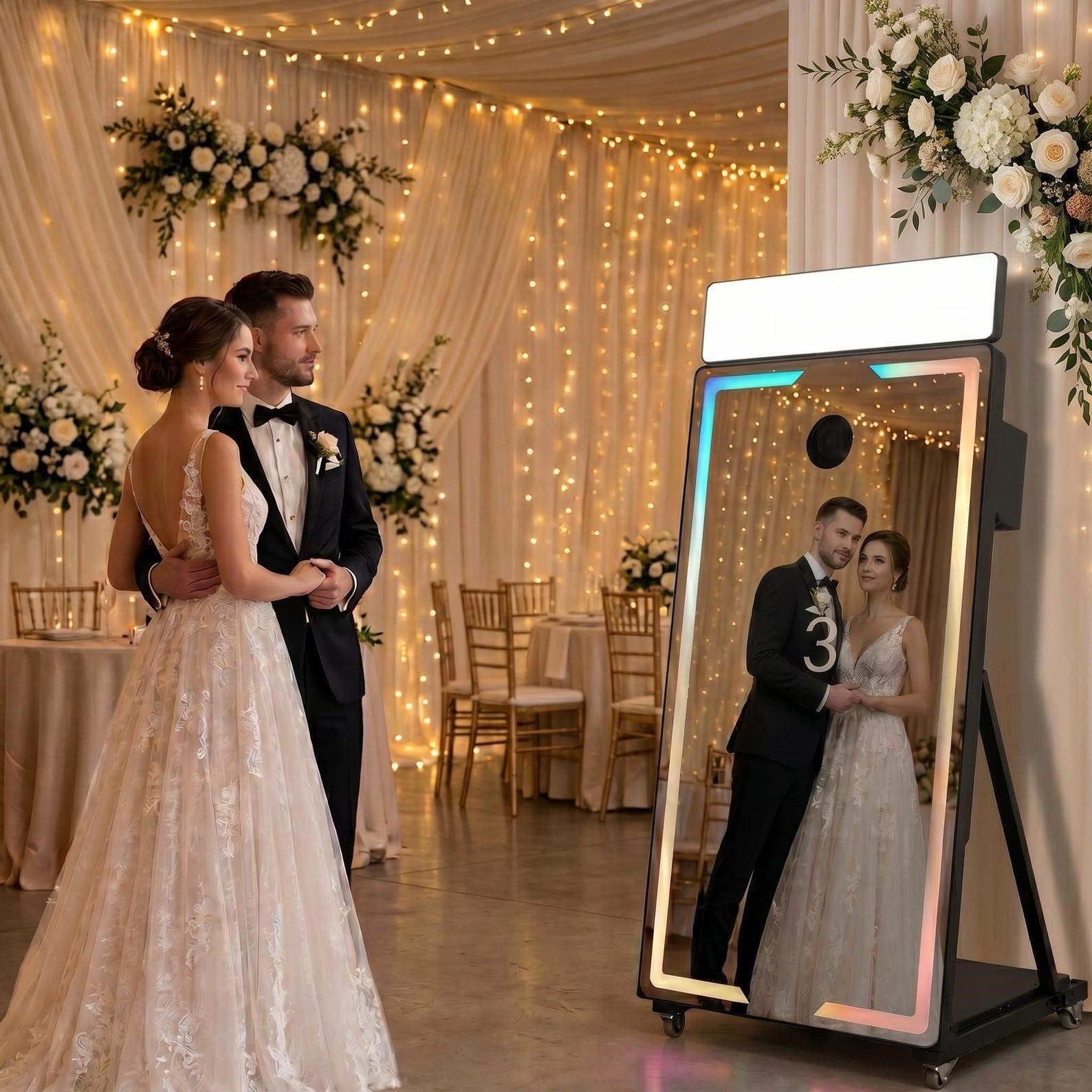
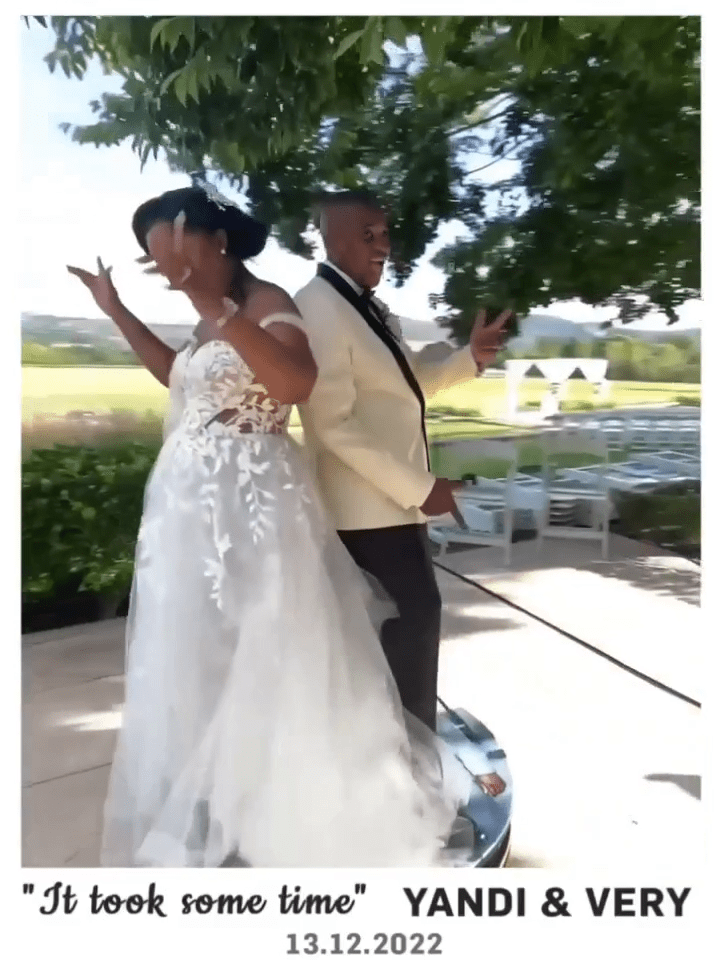
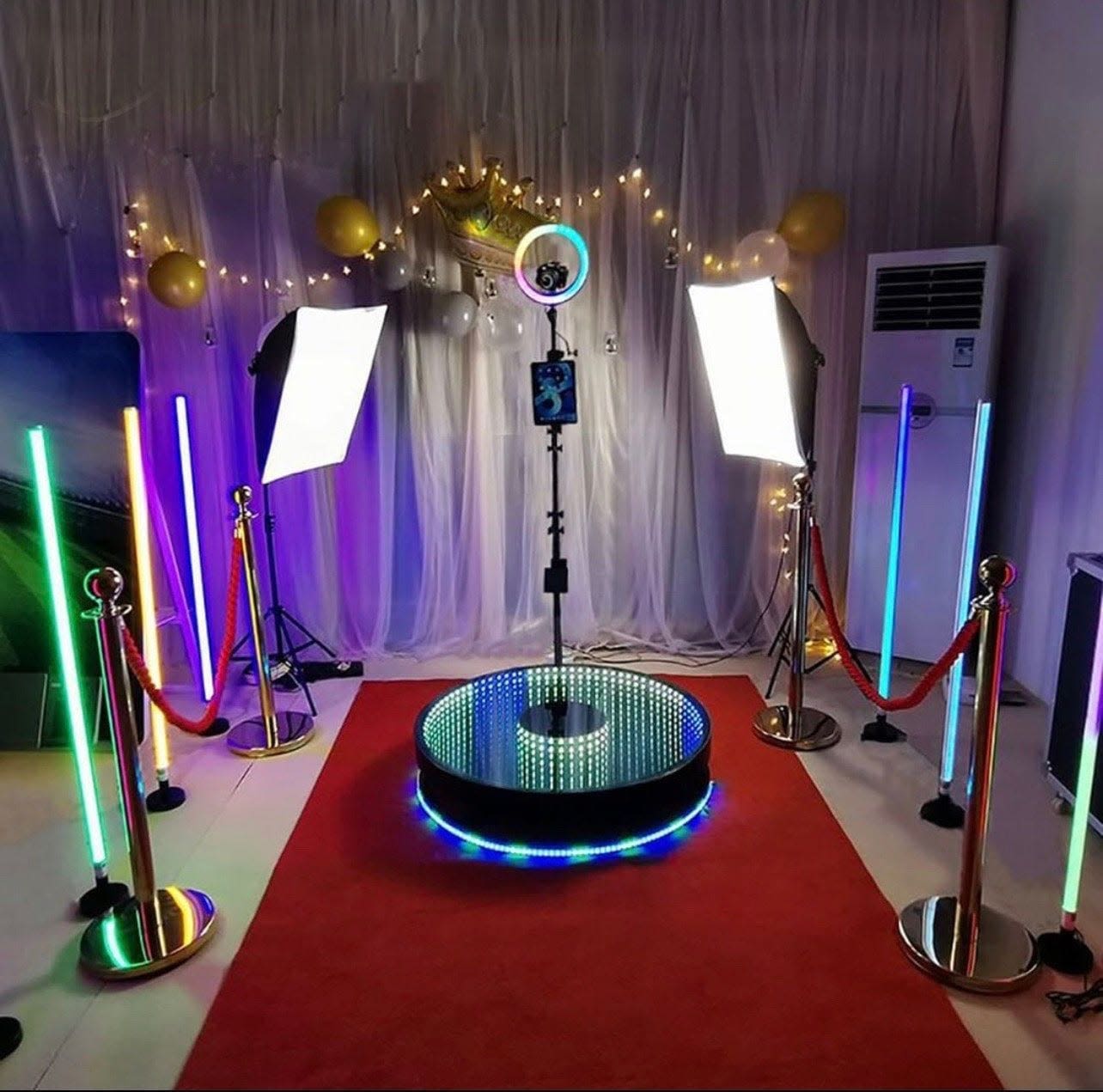
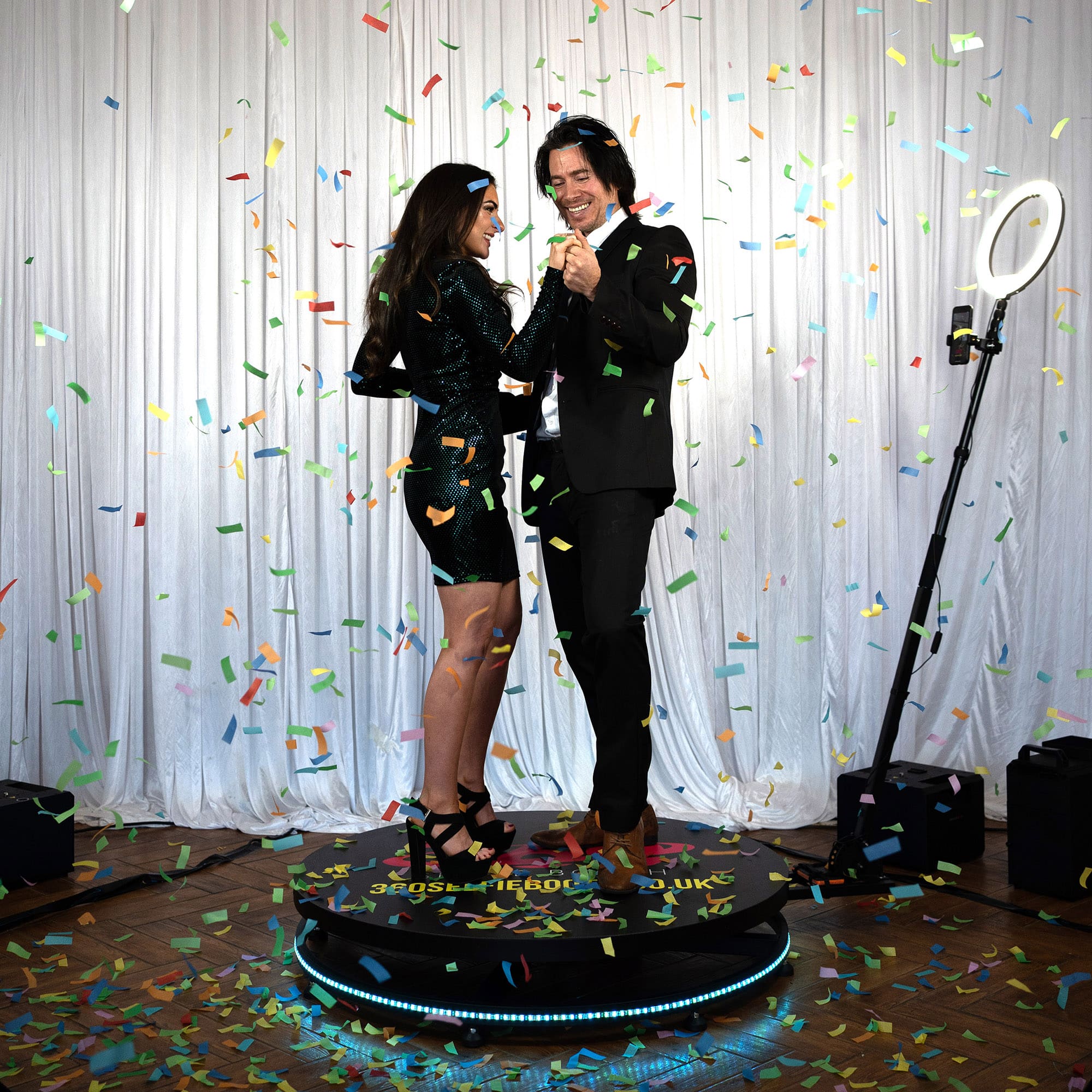
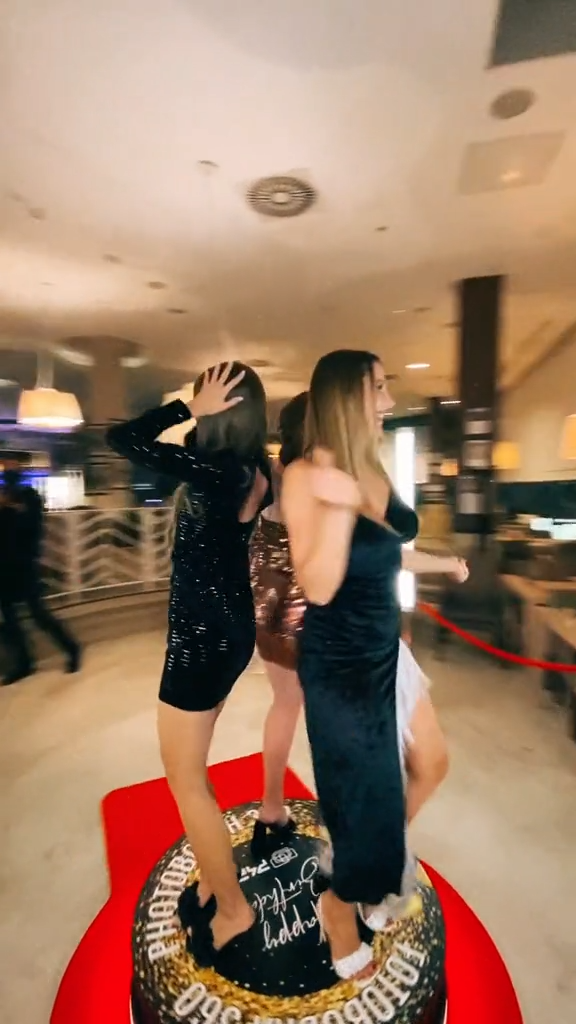
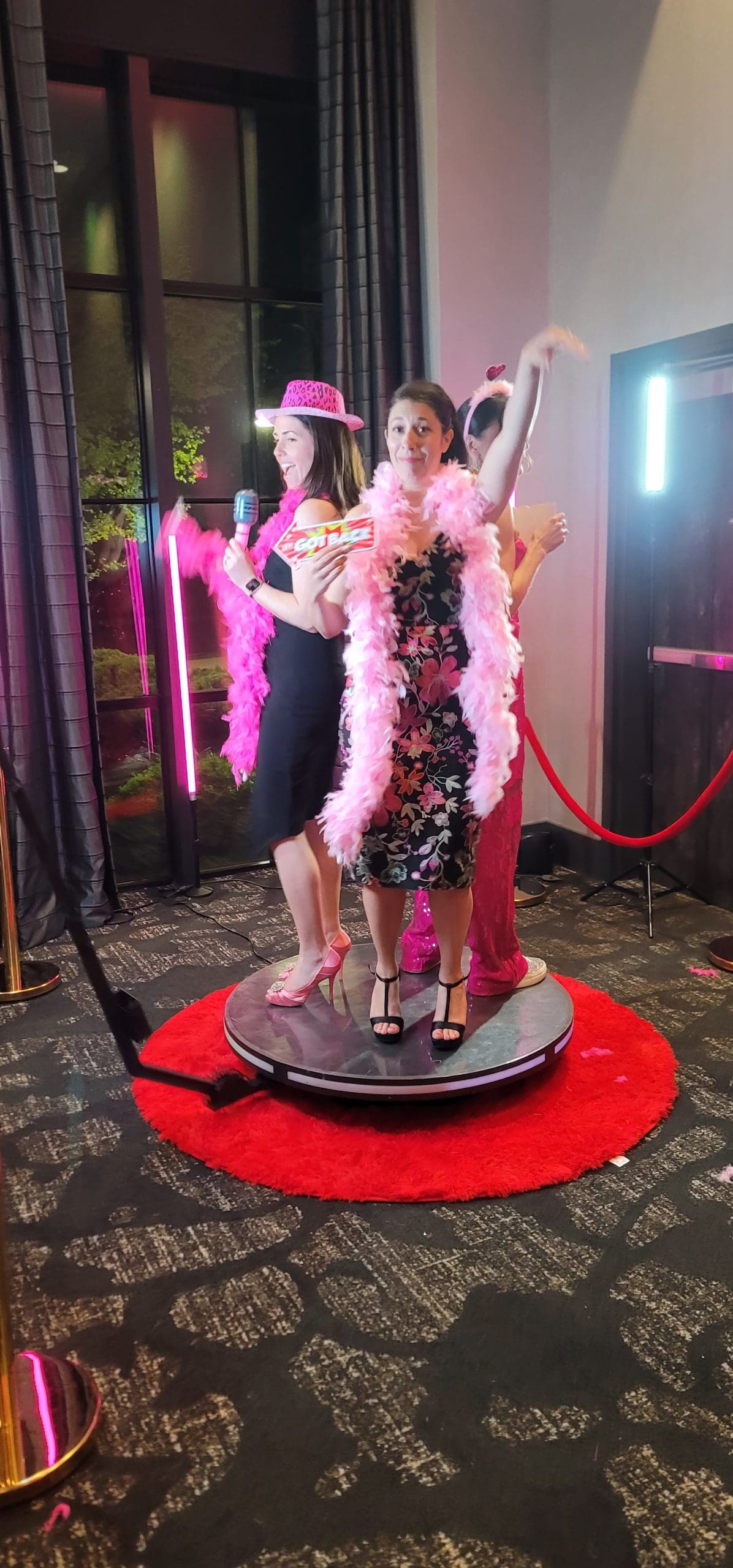
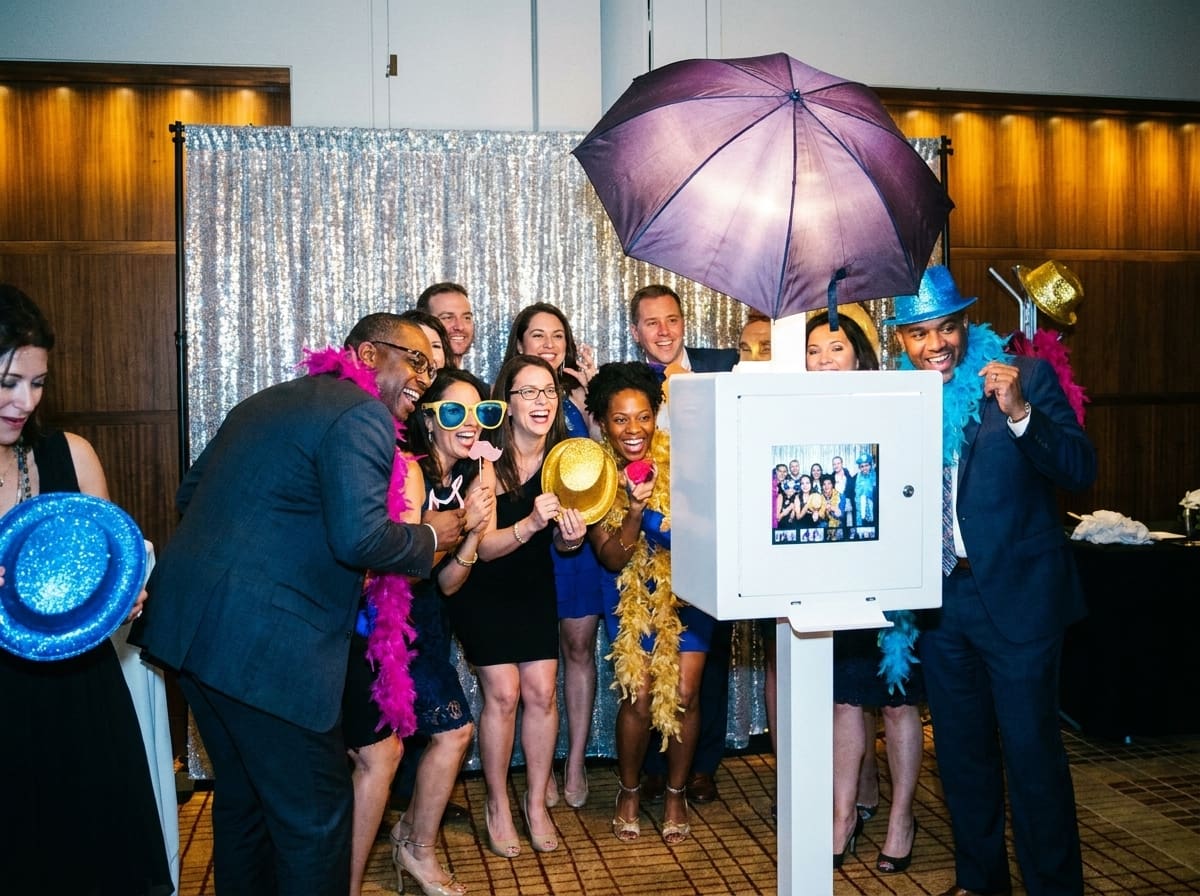
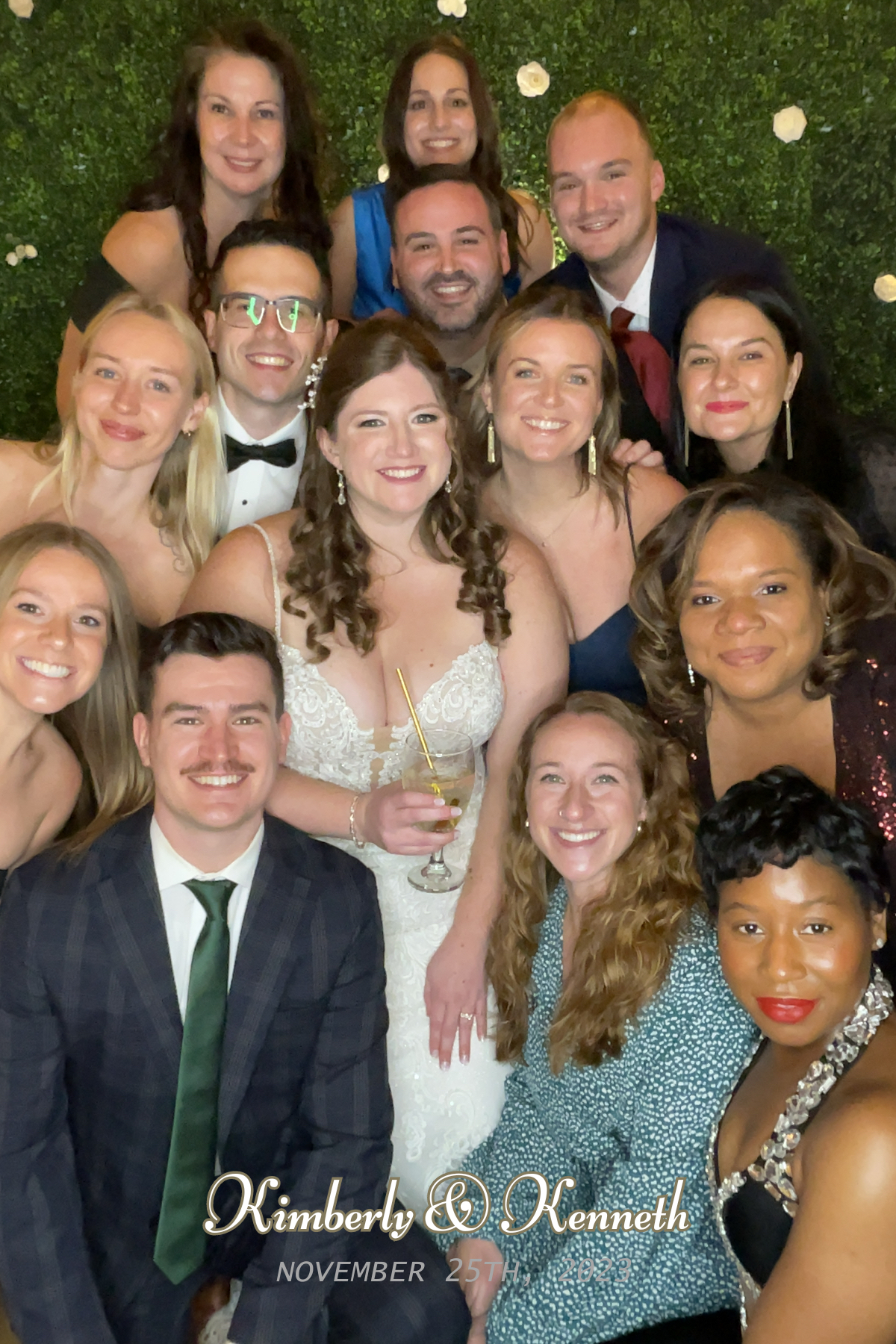
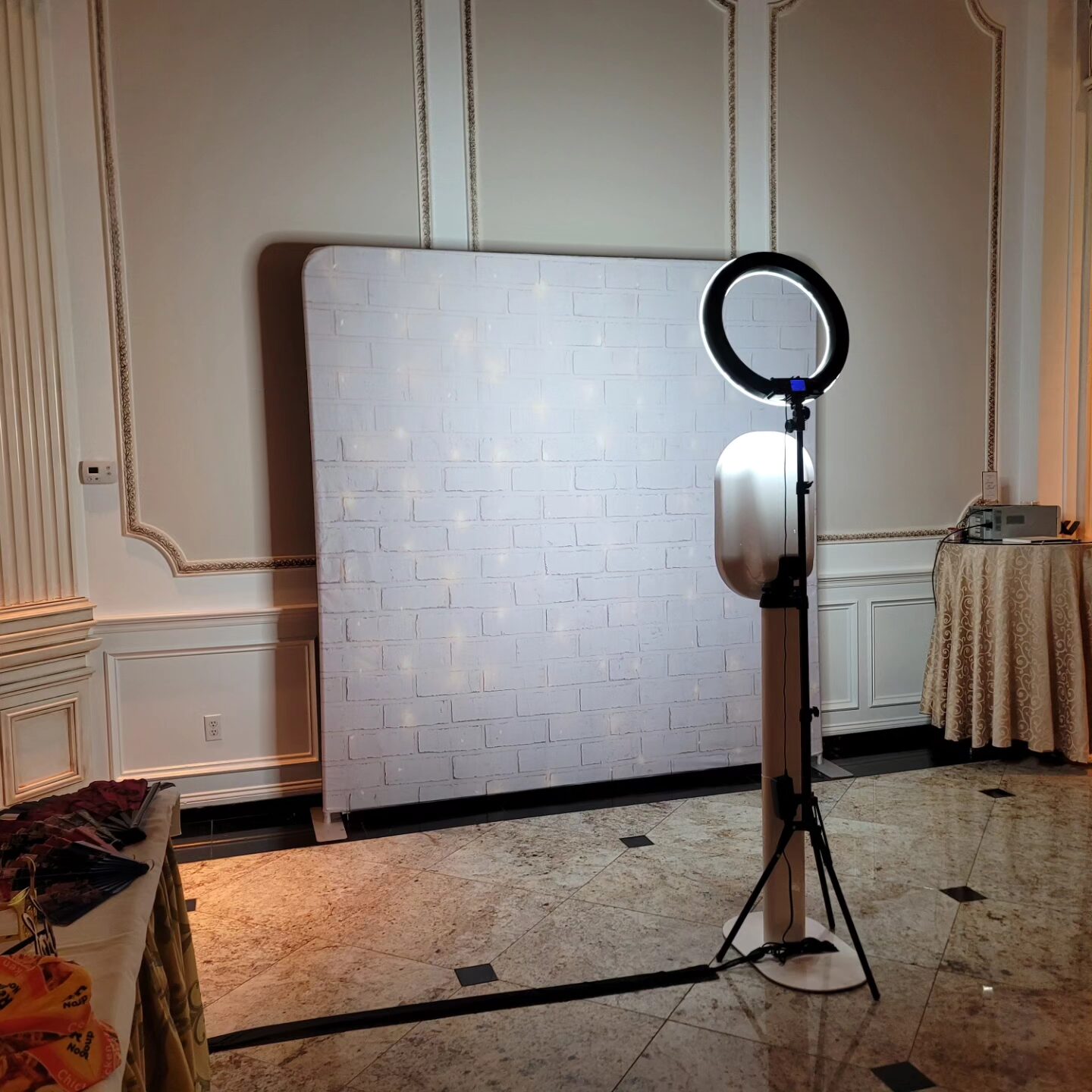
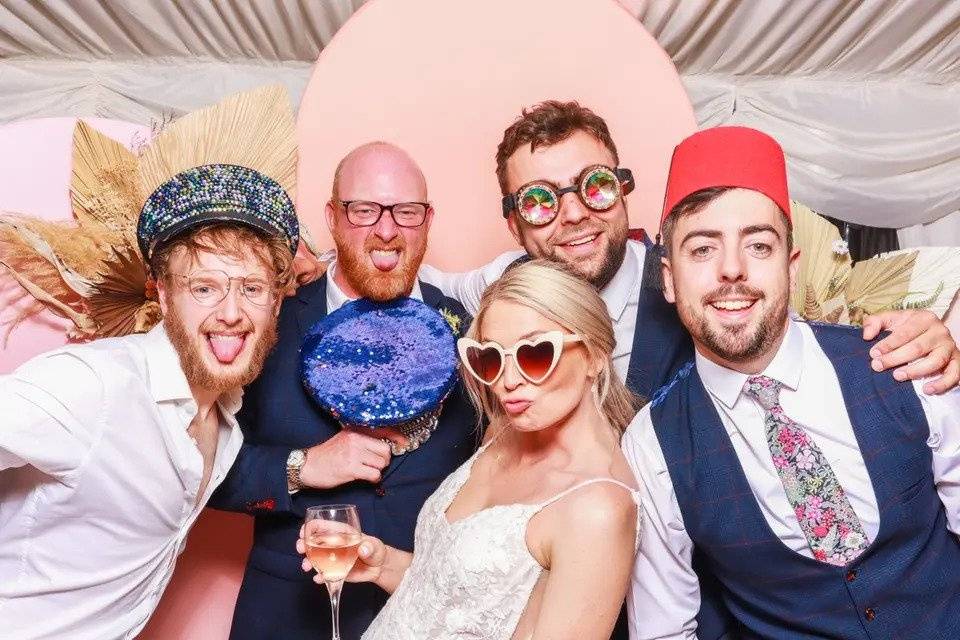
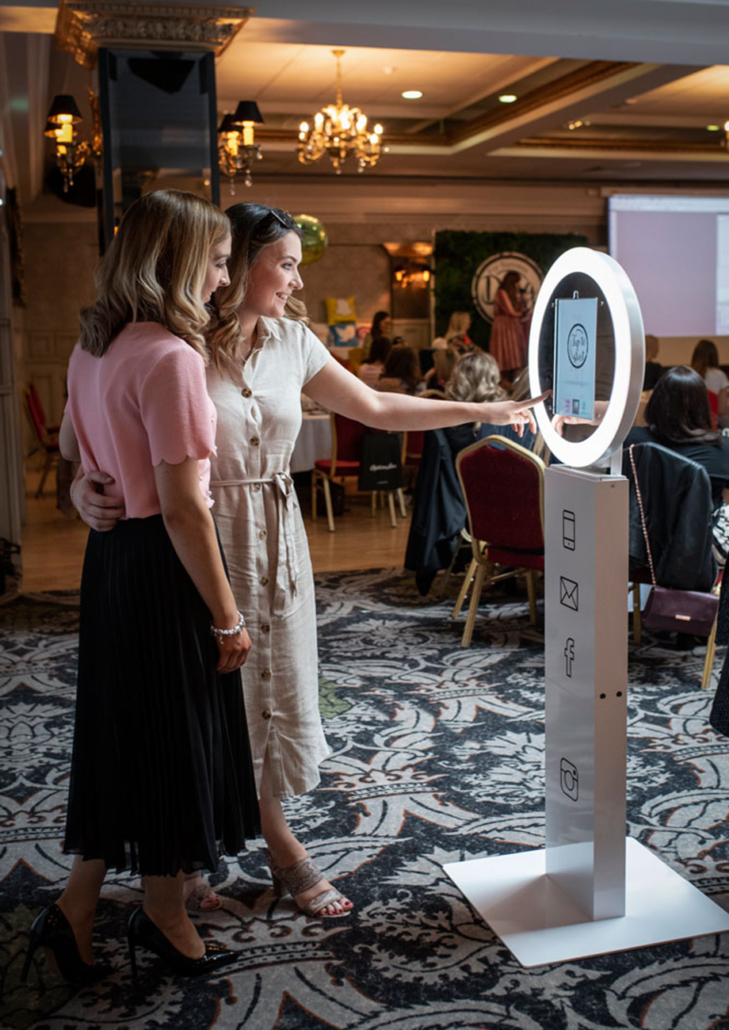
Photo booths, photography, videography, and social media streaming can also add real value when they support your event goals. A 360-degree booth may be perfect for a birthday or school event where guests want shareable content. For a family milestone, professional photos and video may matter more because the moments cannot be recreated.
There is a trade-off: every add-on needs space, power, and a clear place in the room. Do not crowd the dance floor with equipment or place a booth where it blocks dinner service. A full-service entertainment team can coordinate these elements together, which means fewer vendor handoffs and fewer surprises during setup.
Plan for Requests, Guests, and Real-Time Changes
Guests will make requests. That is part of the fun, but your DJ needs your direction on how to handle them. Let them know whether requests are encouraged, whether certain genres are off-limits, and whether only the host can approve a major music change.
Also share the guests who need special consideration. Perhaps grandparents should hear a favorite classic, a shy teen needs a little encouragement before joining the dance floor, or the guest of honor hates being put on the spot. These details help a DJ create connection without forcing a moment that does not fit.
For Northern New Jersey celebrations, timing and communication are especially valuable when venues have tight access windows or guests are traveling across counties. A prepared team arrives knowing the plan, but it also knows how to pivot when the party develops its own rhythm.
What questions should you ask to protect your private event when booking a DJ?
Before you sign, make sure you understand exactly what is included. Confirm performance hours, overtime options, backup equipment, setup requirements, payment schedule, and cancellation terms. Ask whether the DJ will personally perform at your event and how planning meetings are handled.
You should also ask how the DJ approaches a mixed-age crowd, how they handle clean versions when children are present, and what happens if equipment has an issue. Professional entertainment is equal parts performance and preparation. The goal is not just great music. It is confidence that someone is responsible for the room.
Electrified DJ Services brings DJ entertainment, MC guidance, lighting, photo booths, and event media under one coordinated plan, making it easier to focus on your guests rather than juggle vendors.
The best final step is simple: picture your guests at the end of the night. If you can clearly describe the music, mood, memories, and people you want around you, your DJ has what they need to turn that picture into a celebration that feels completely yours.