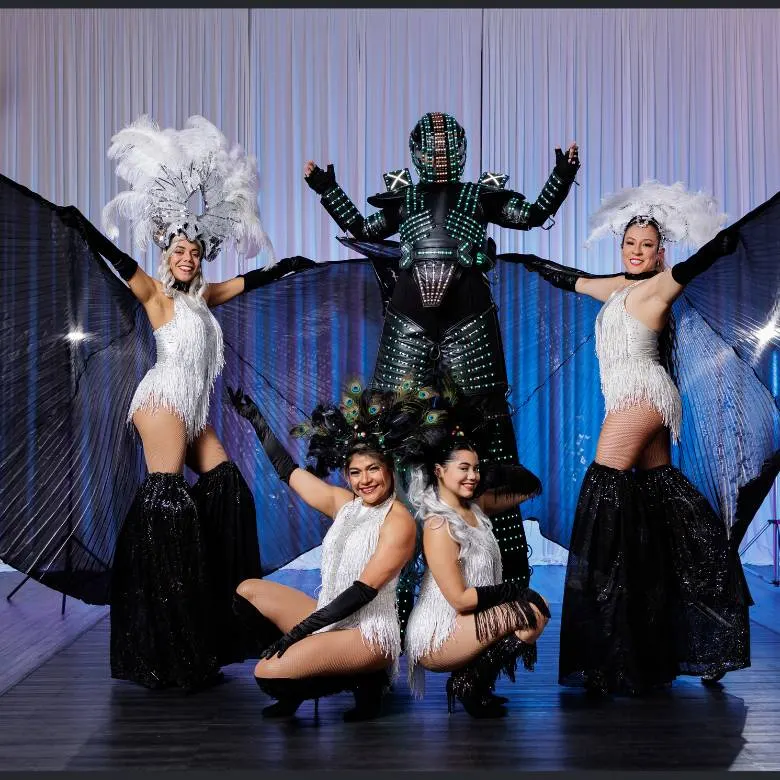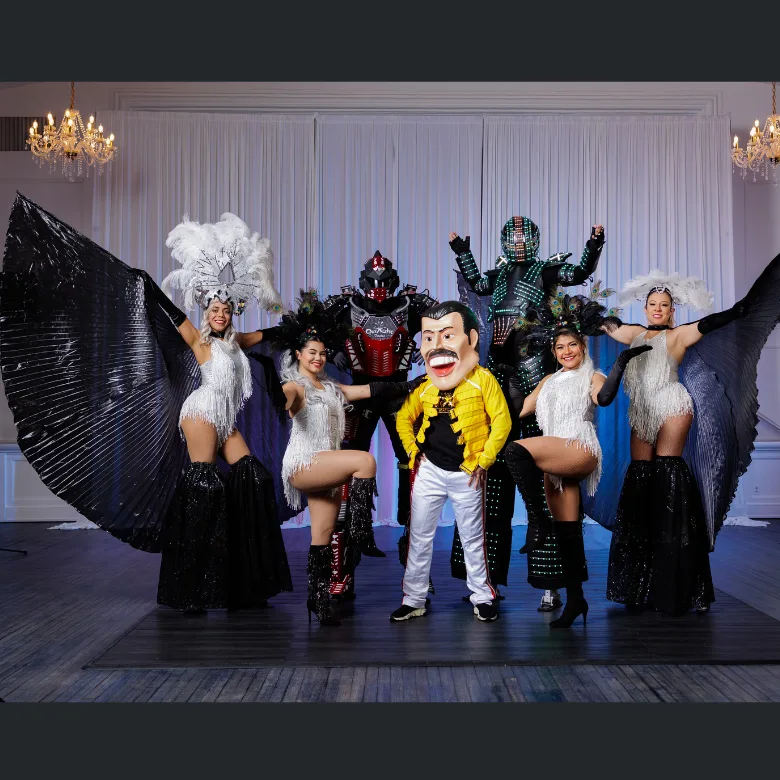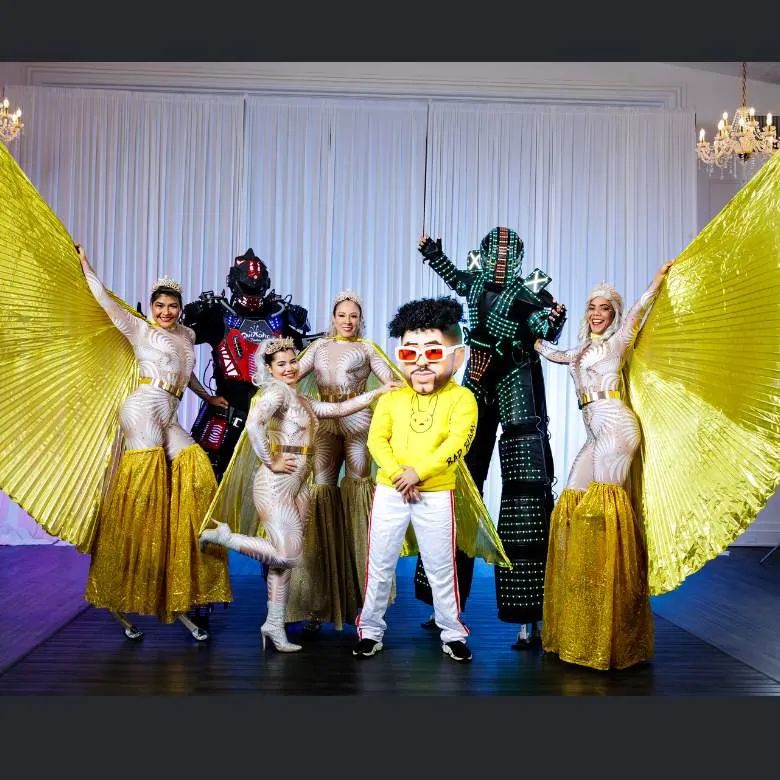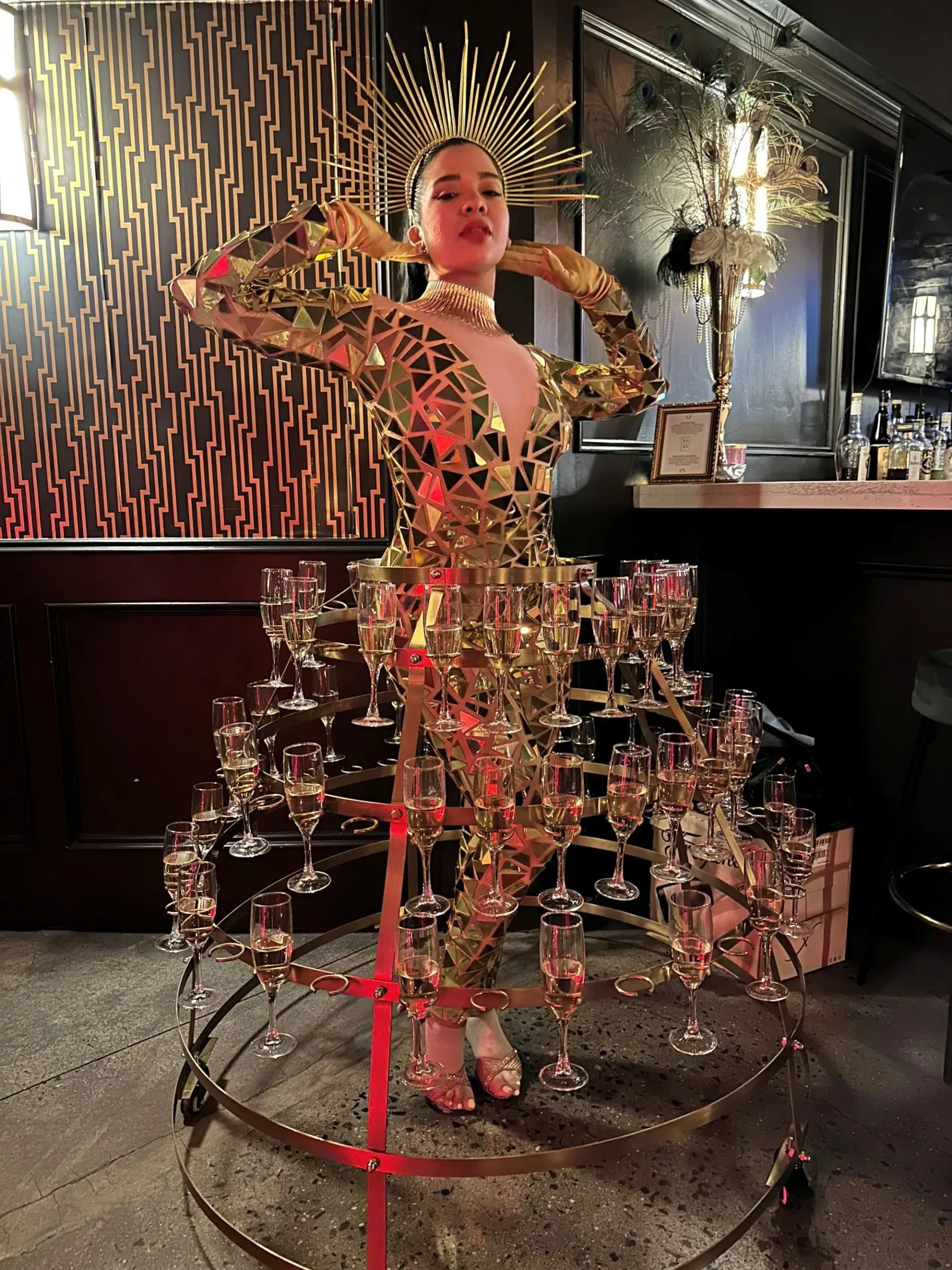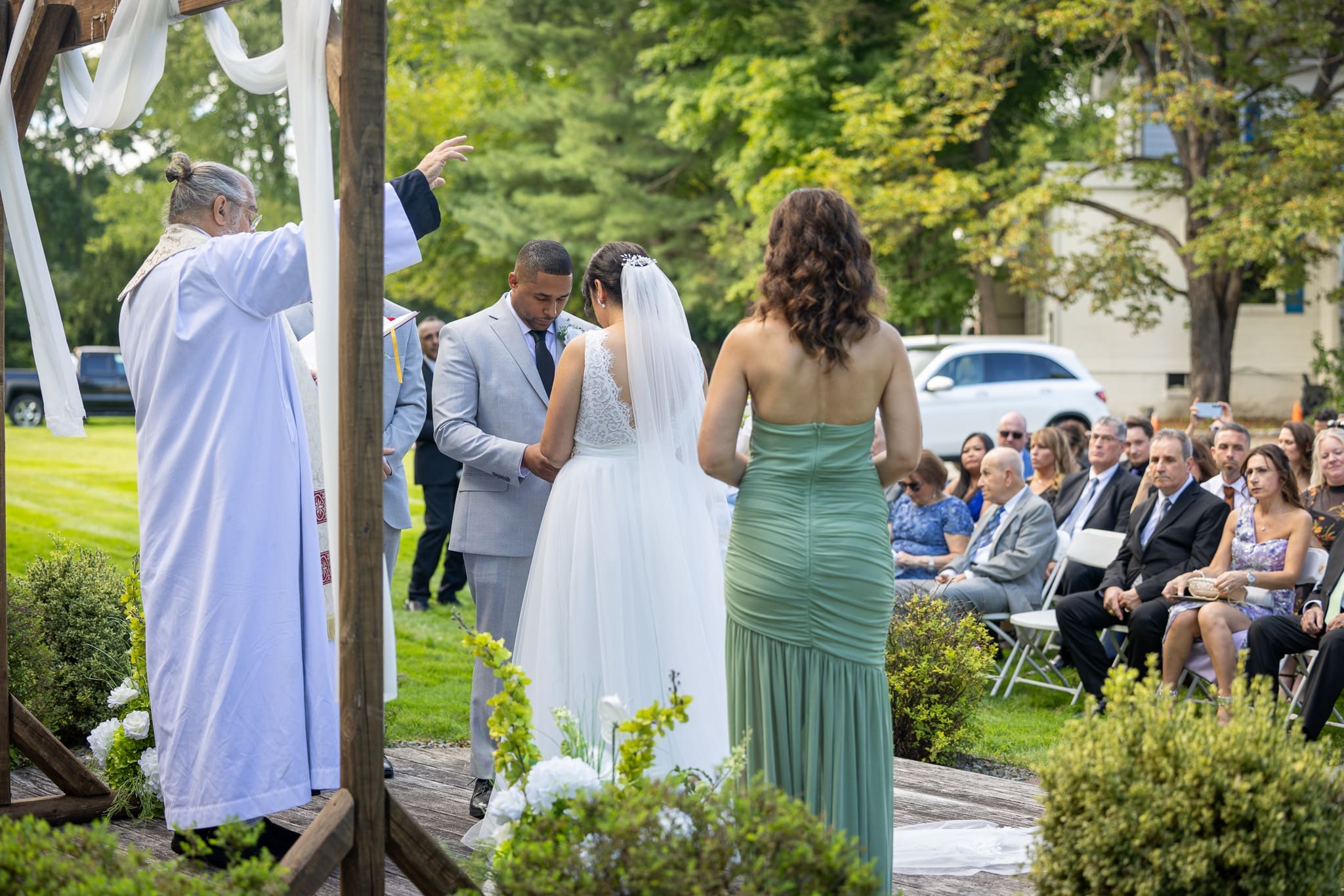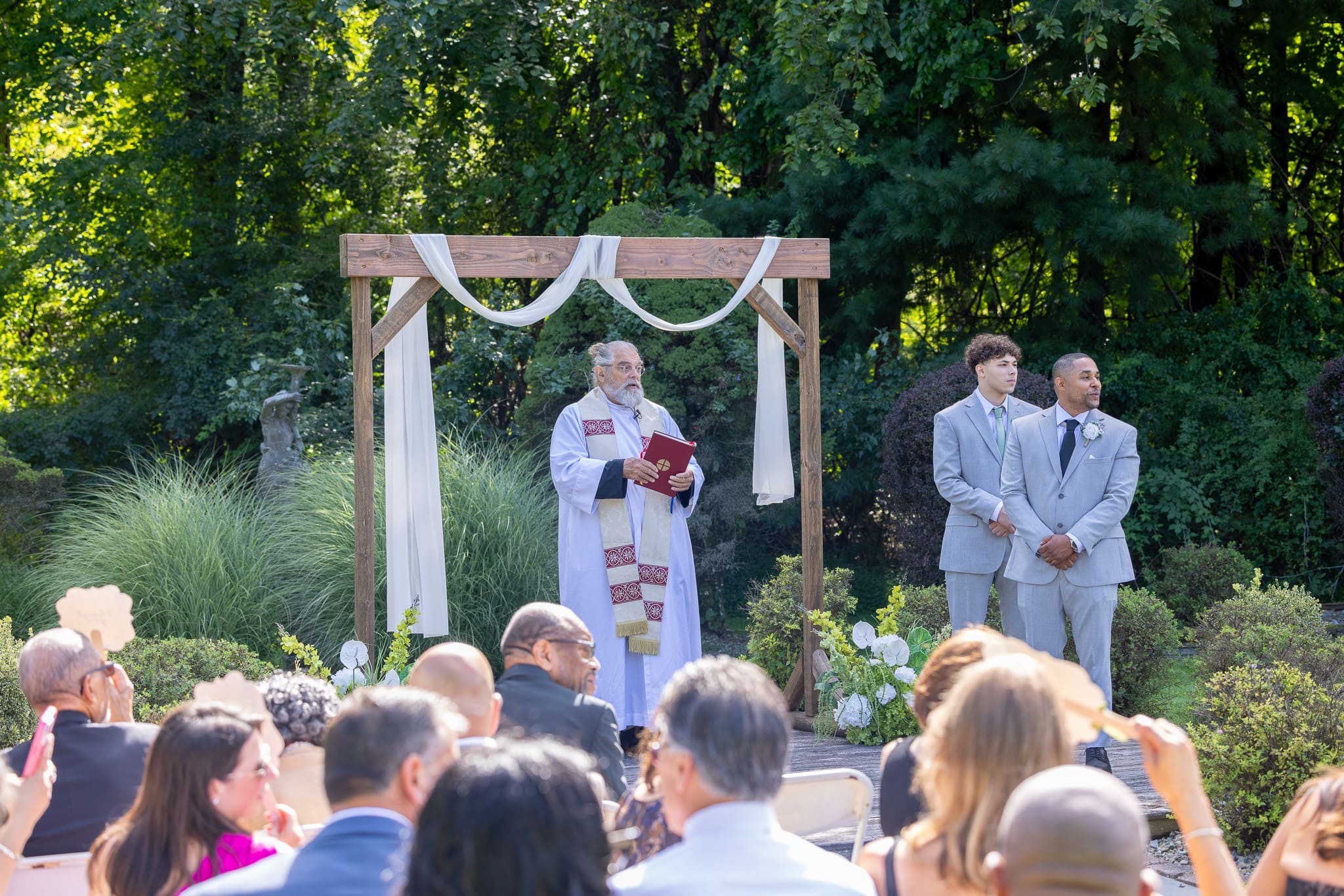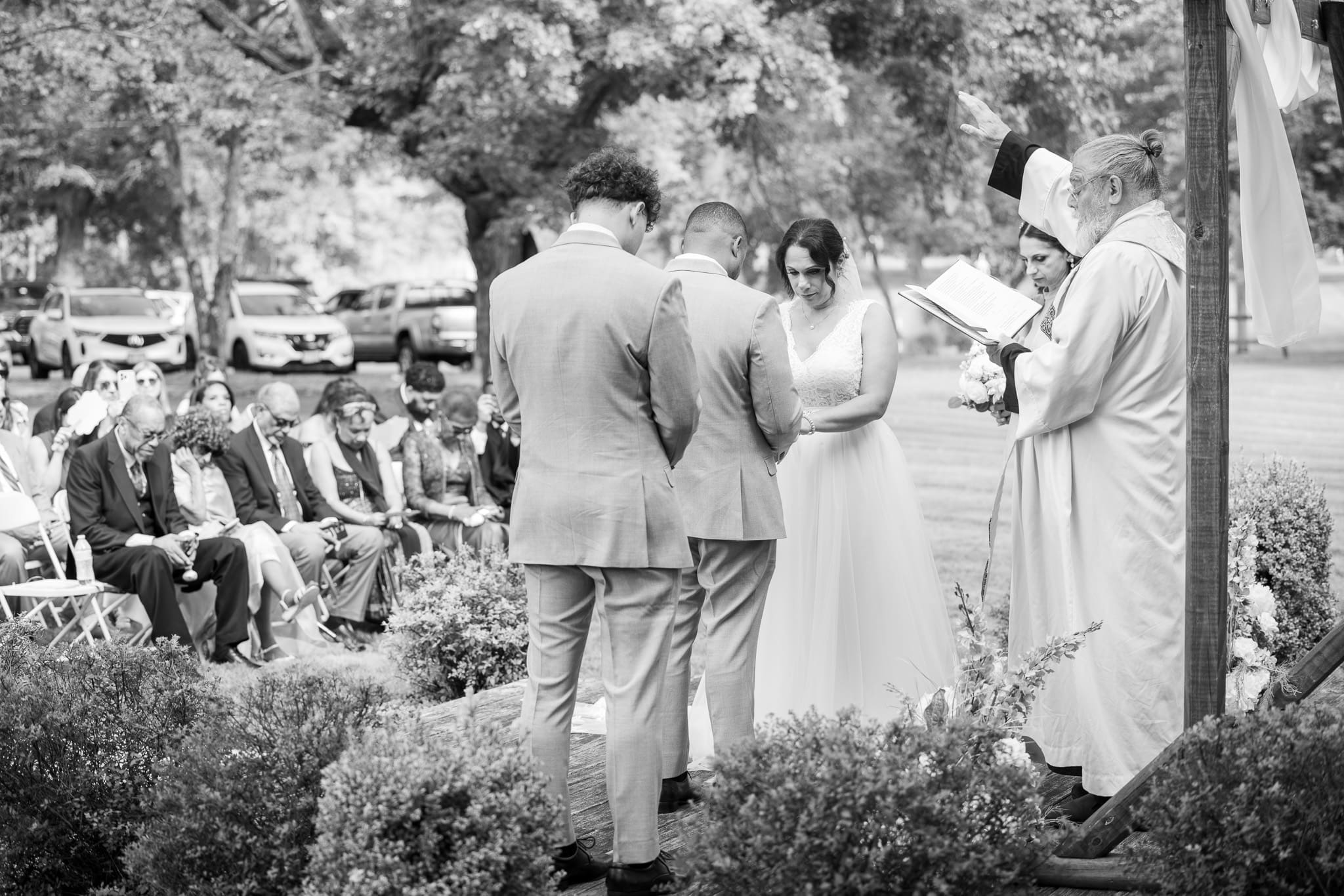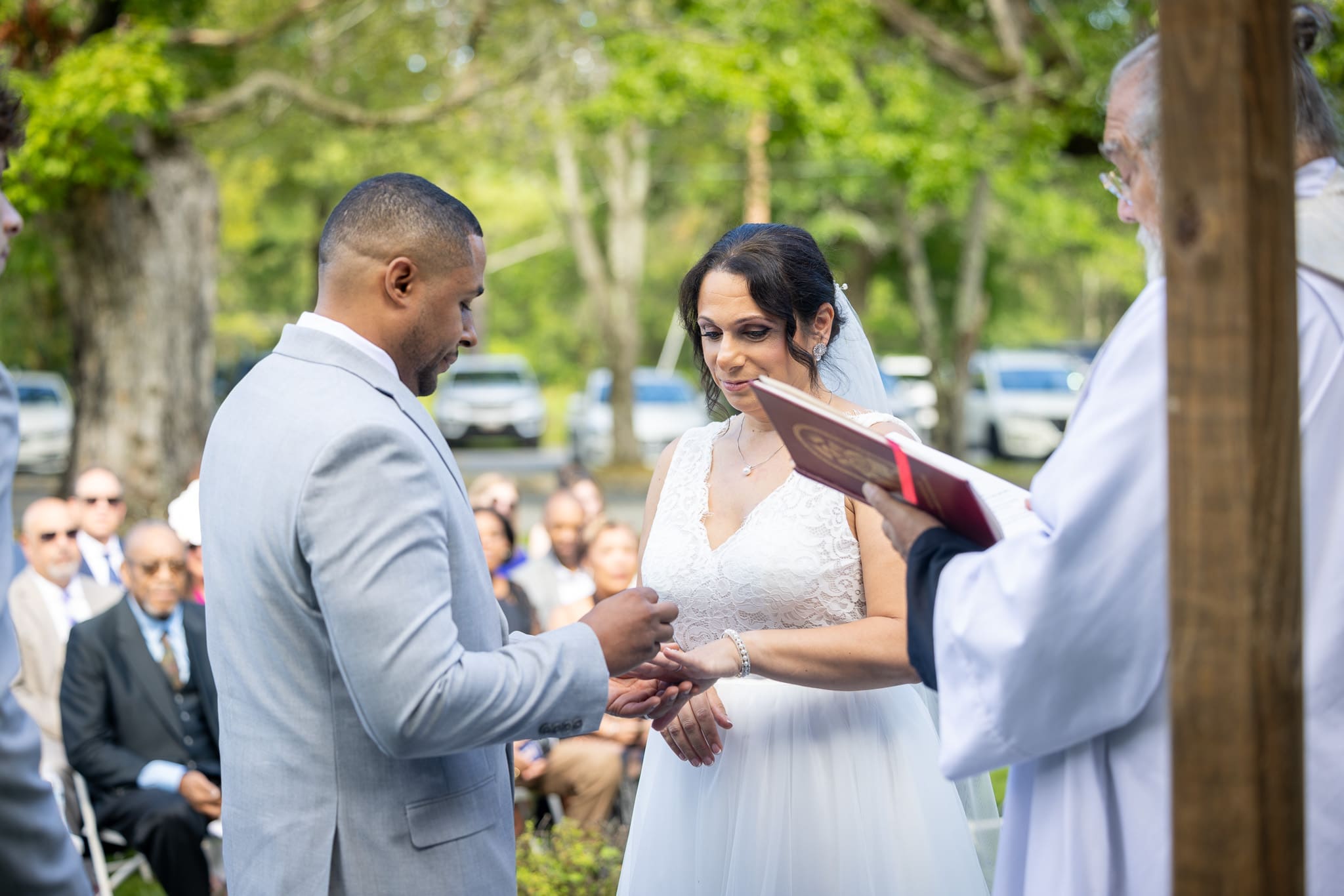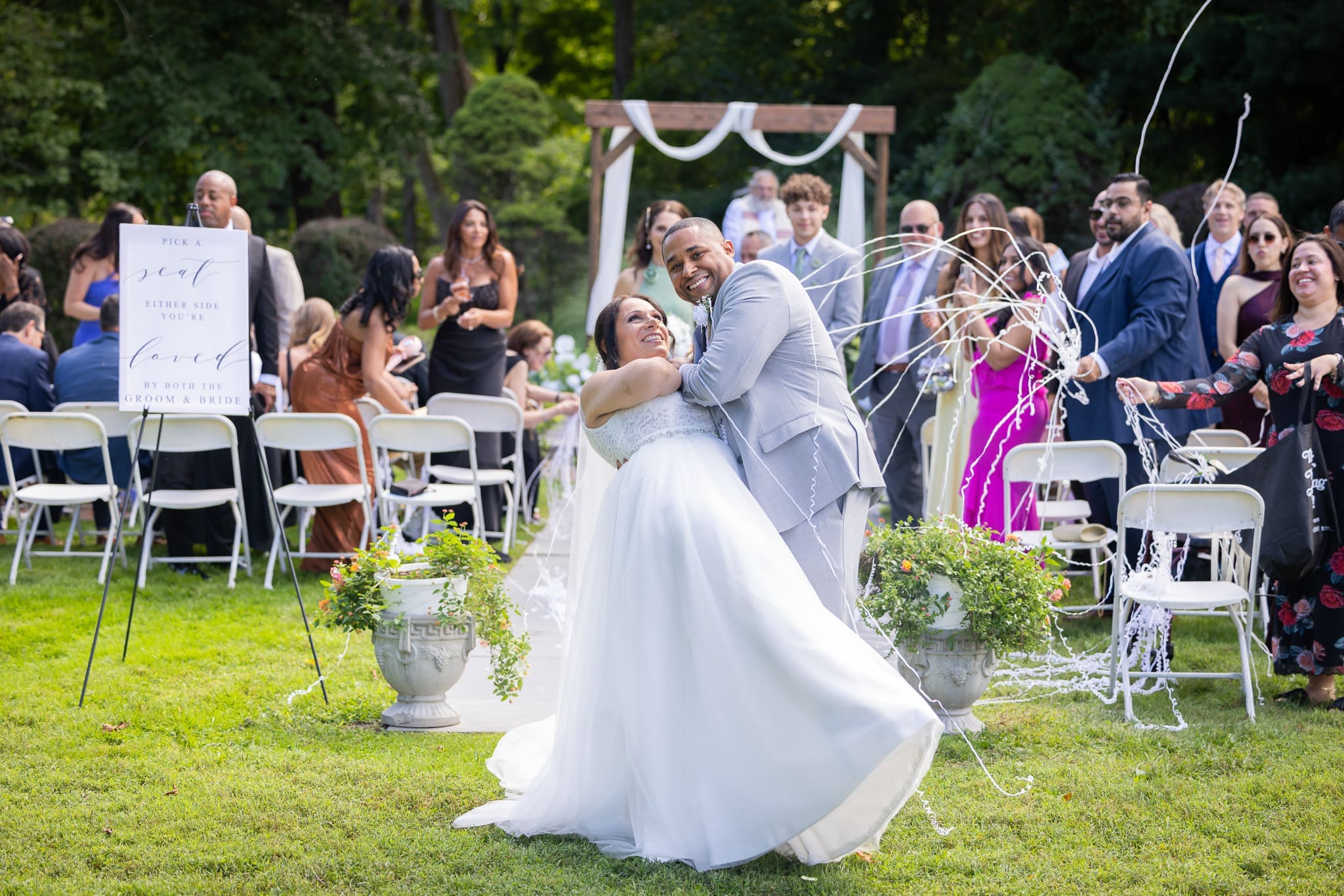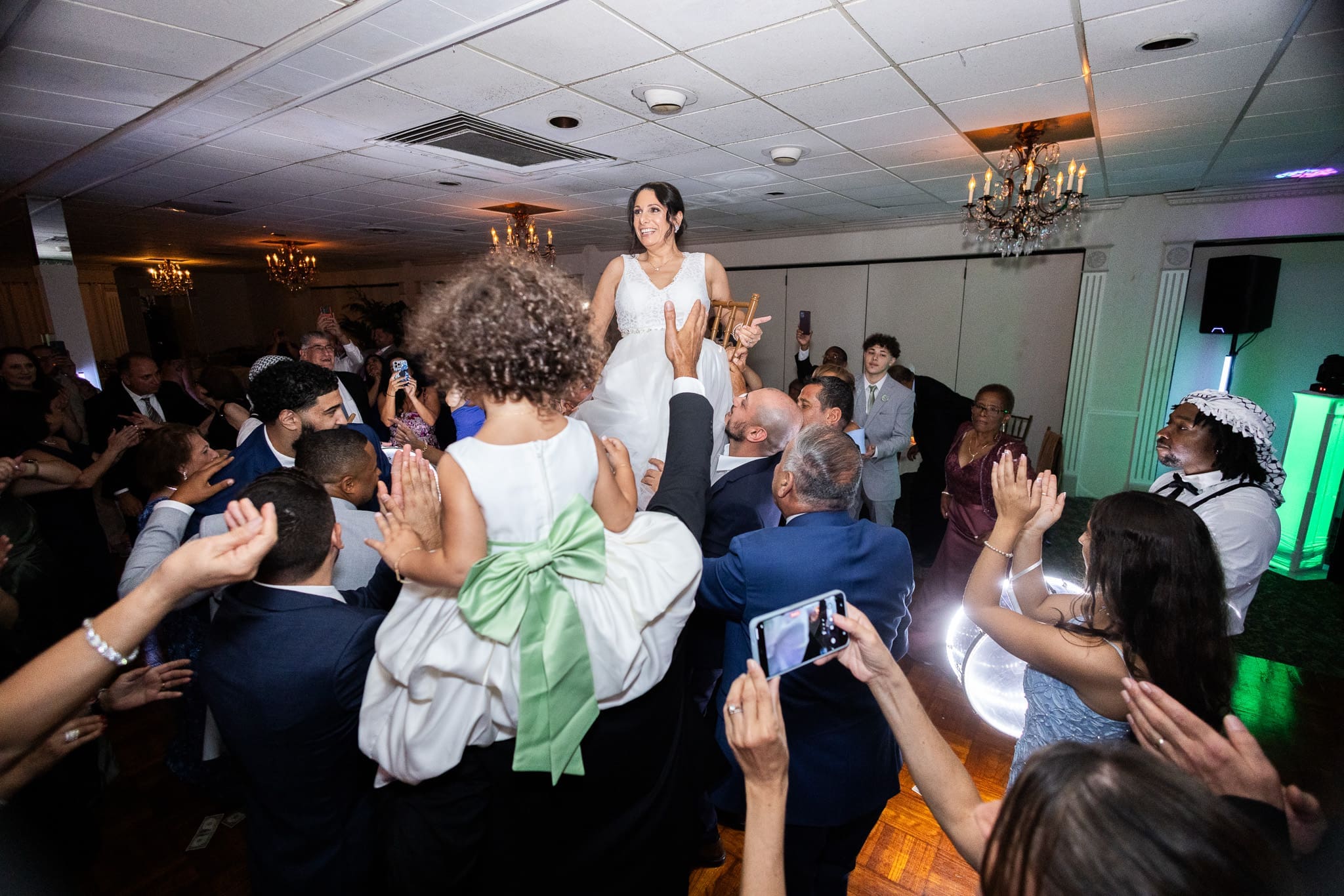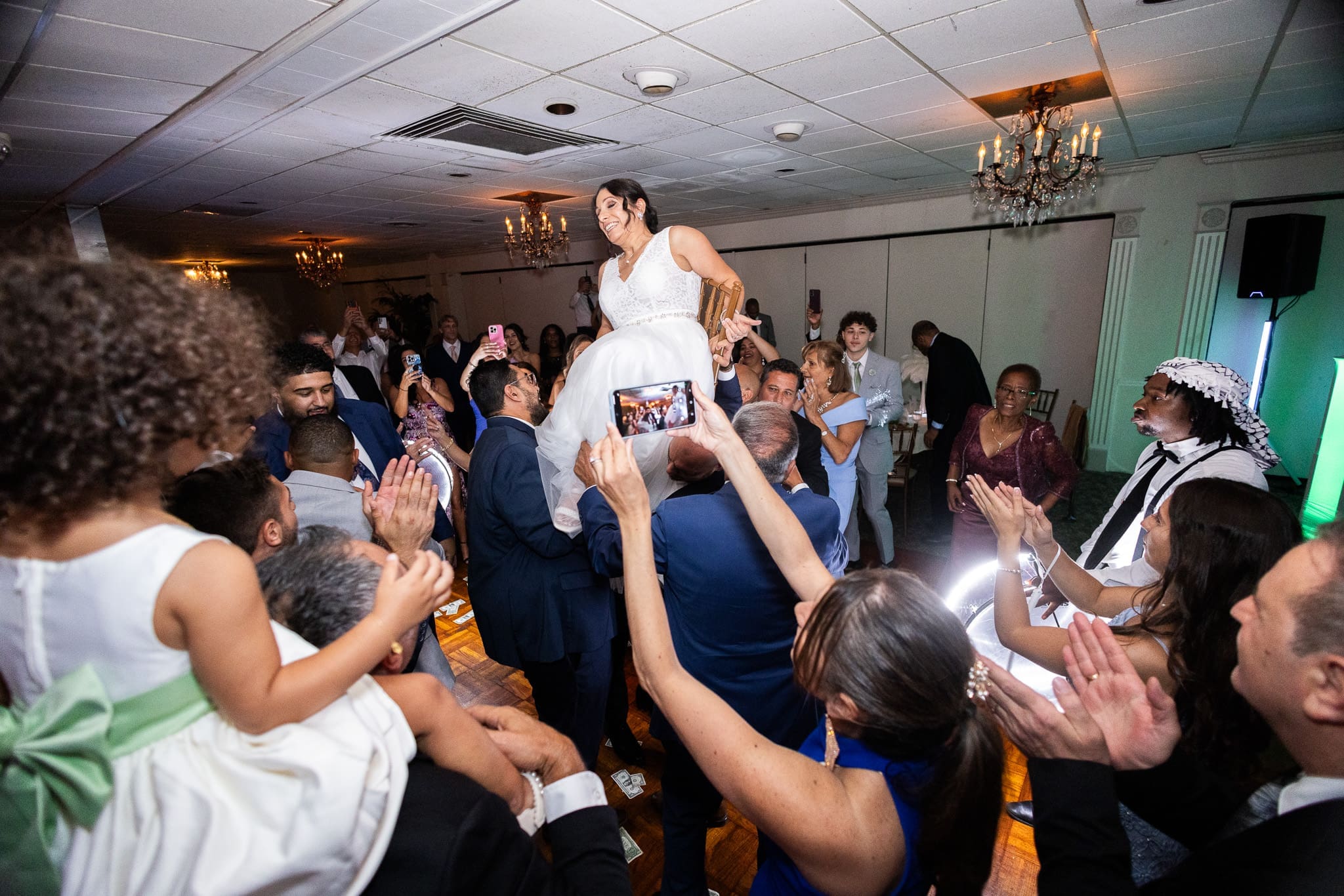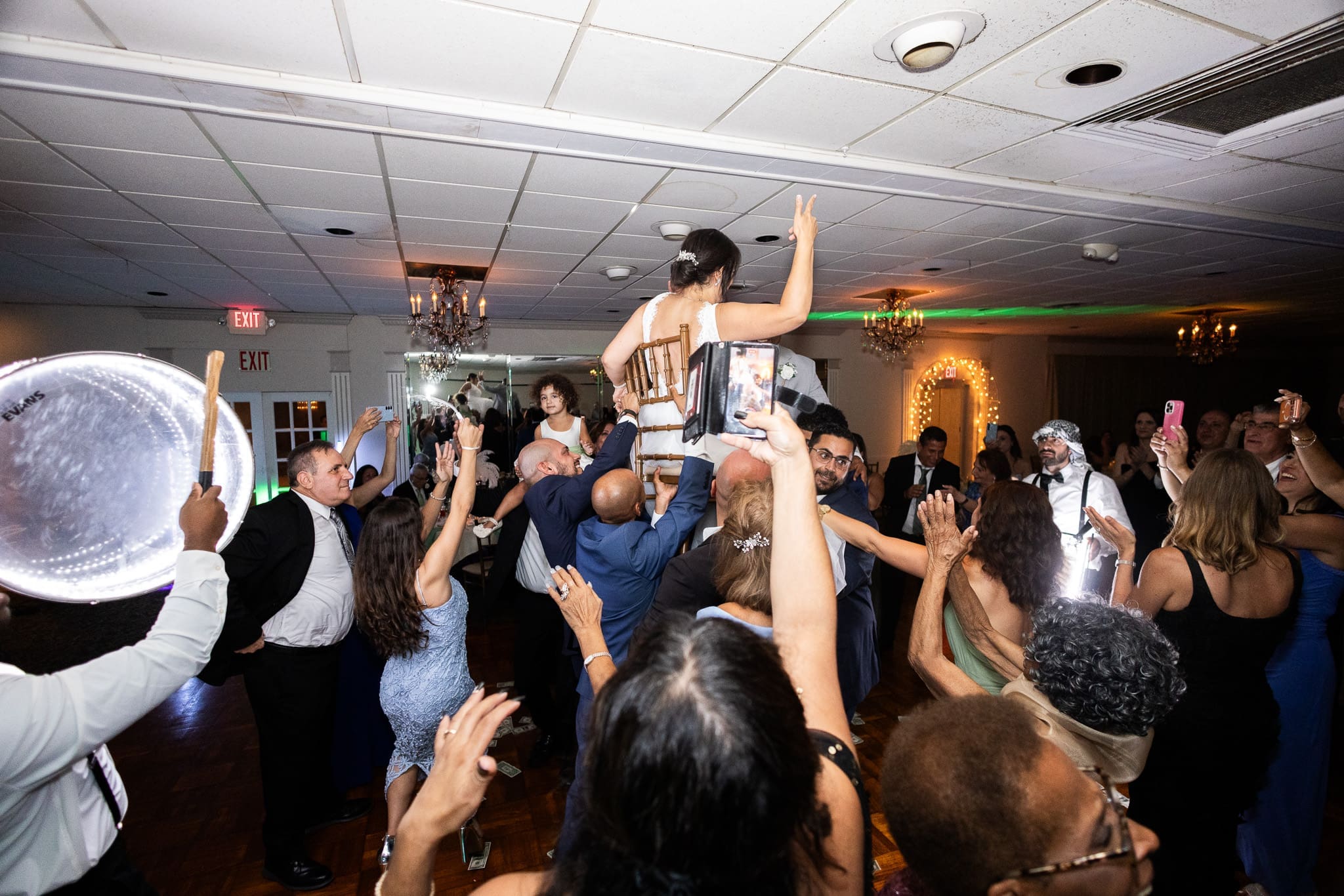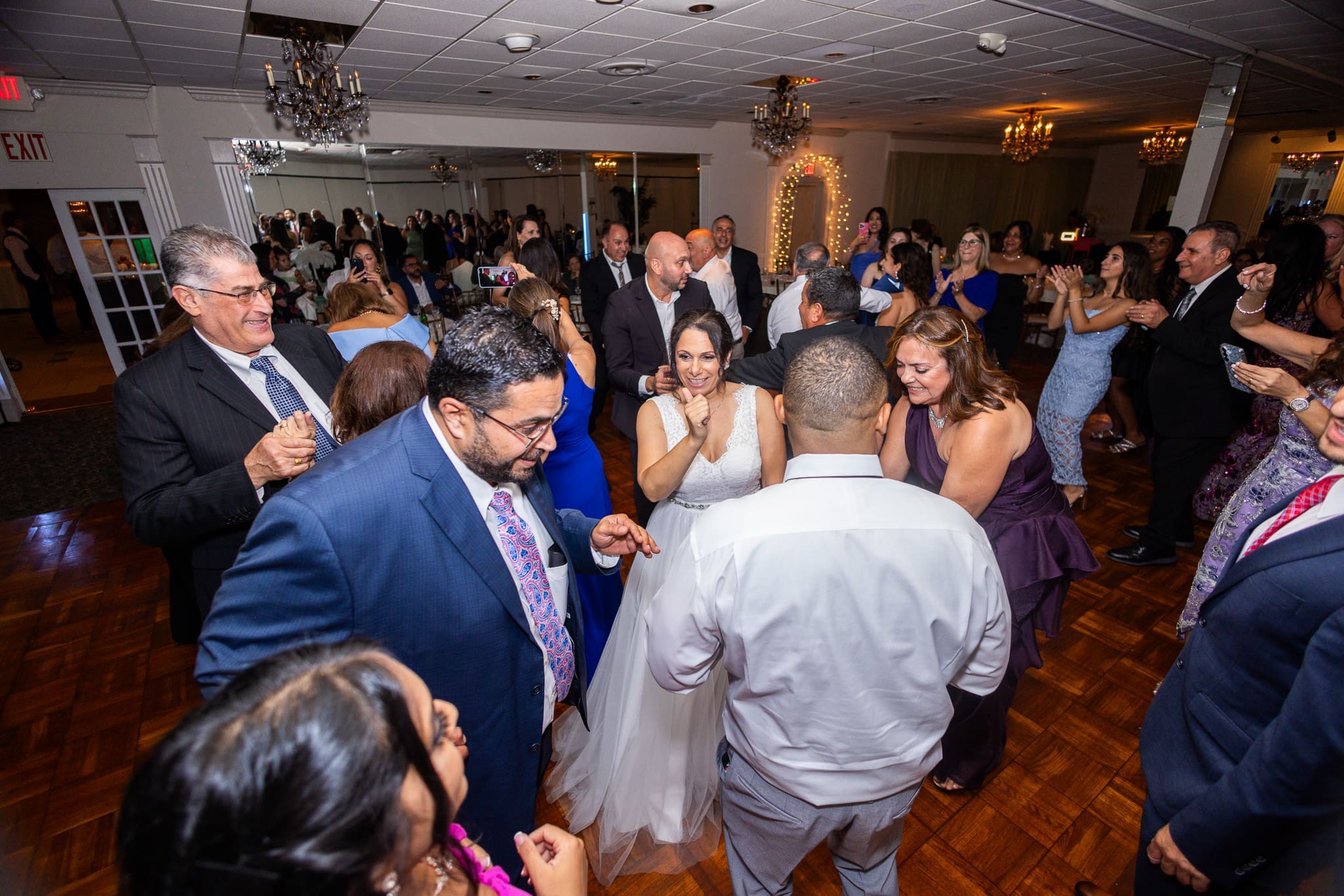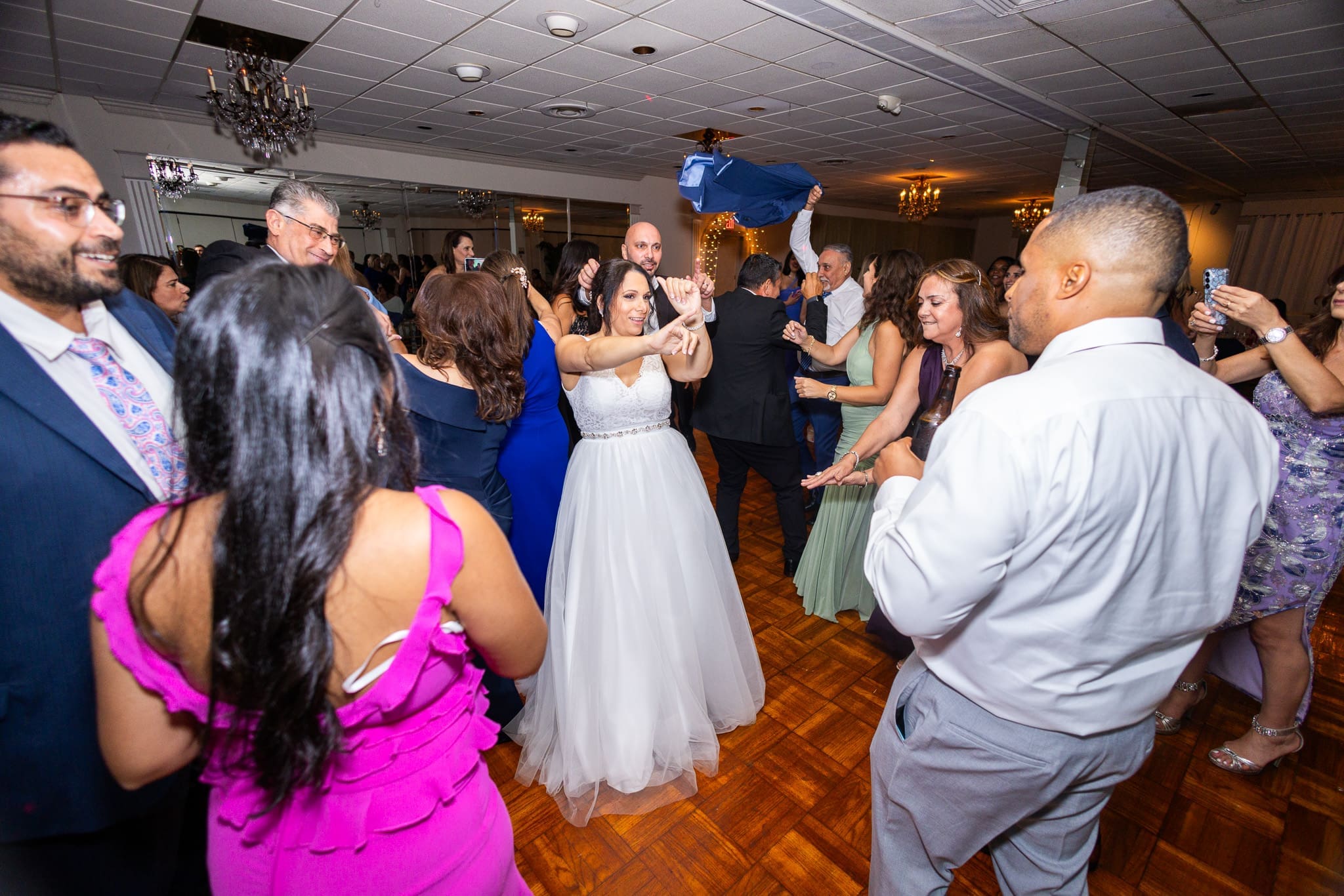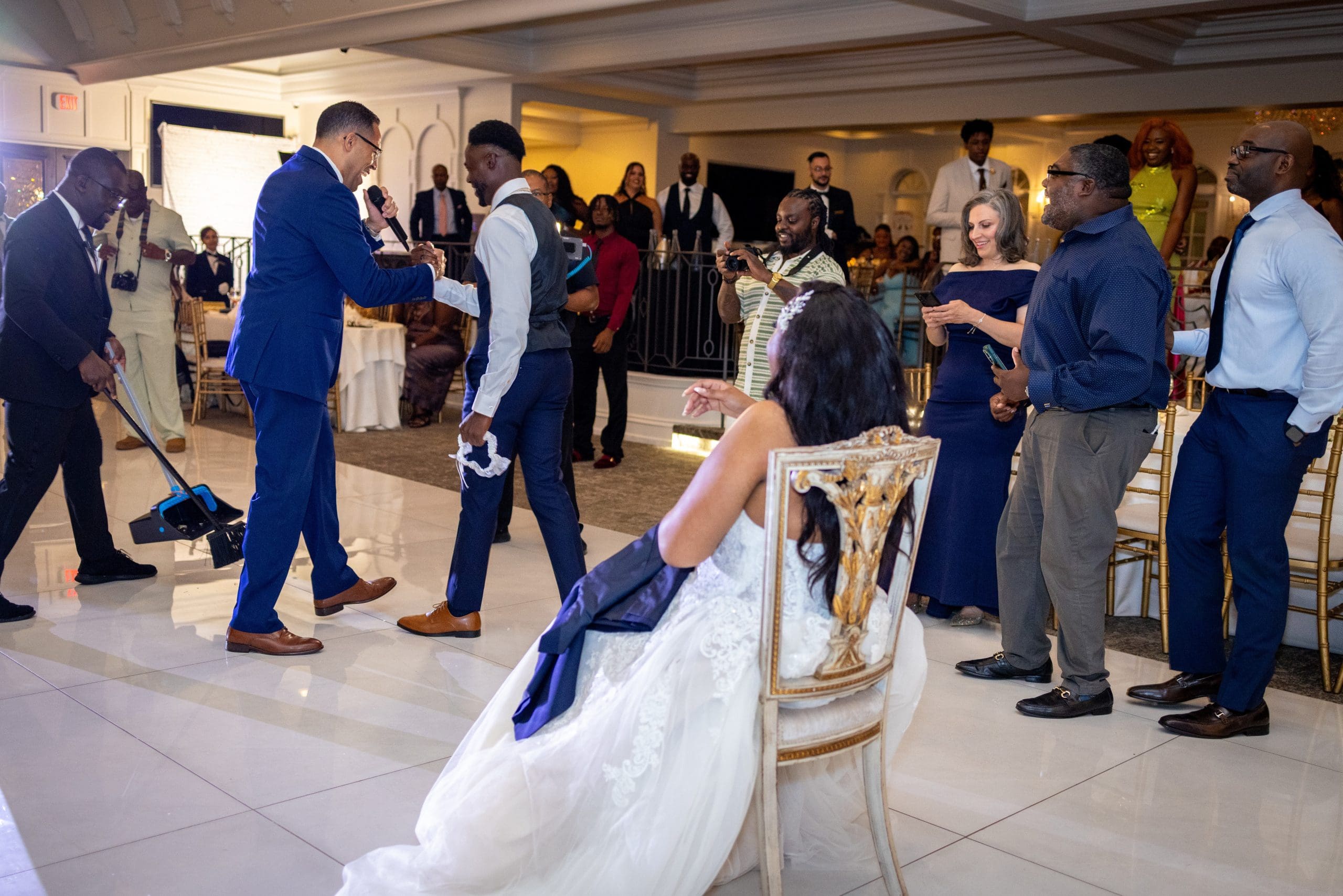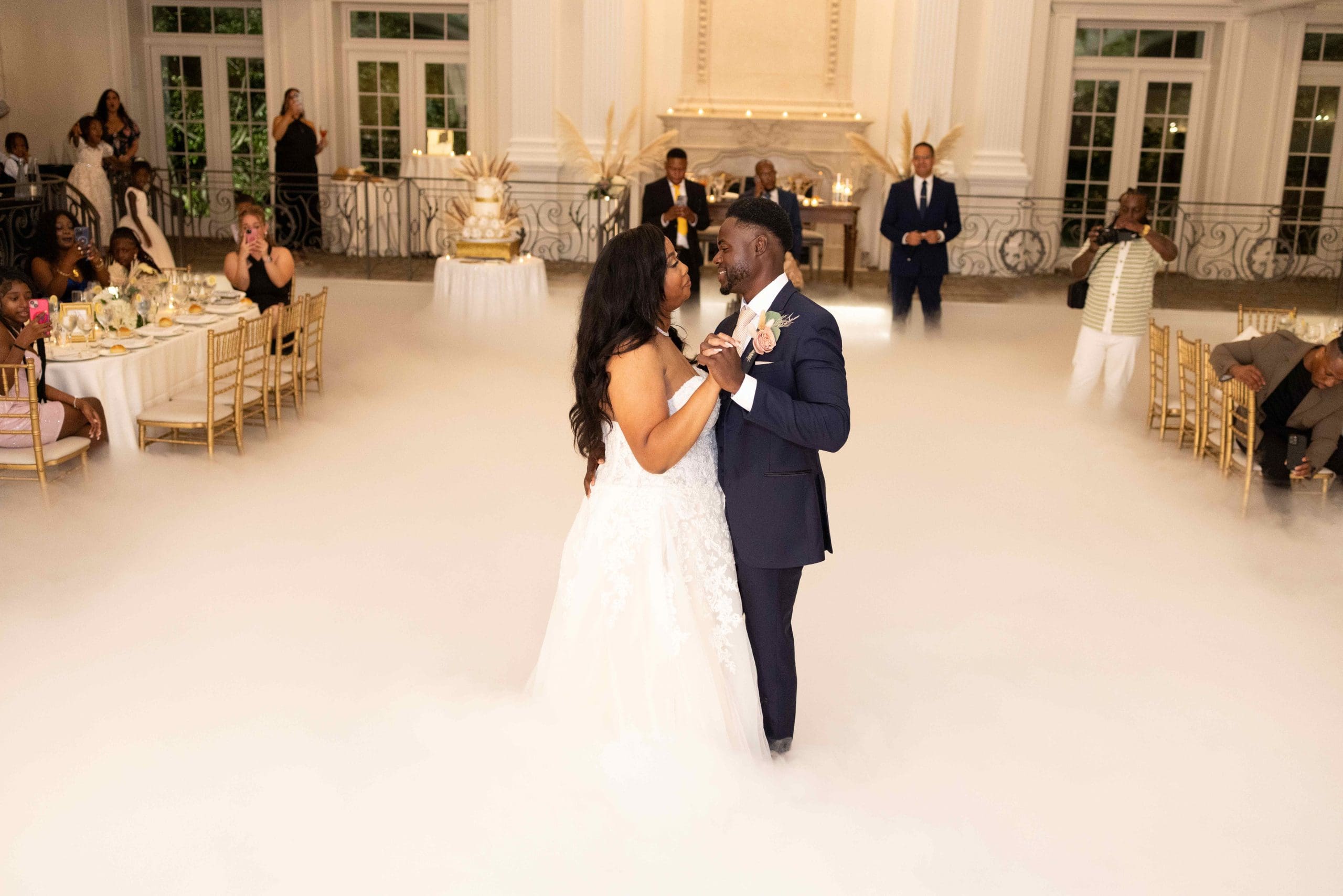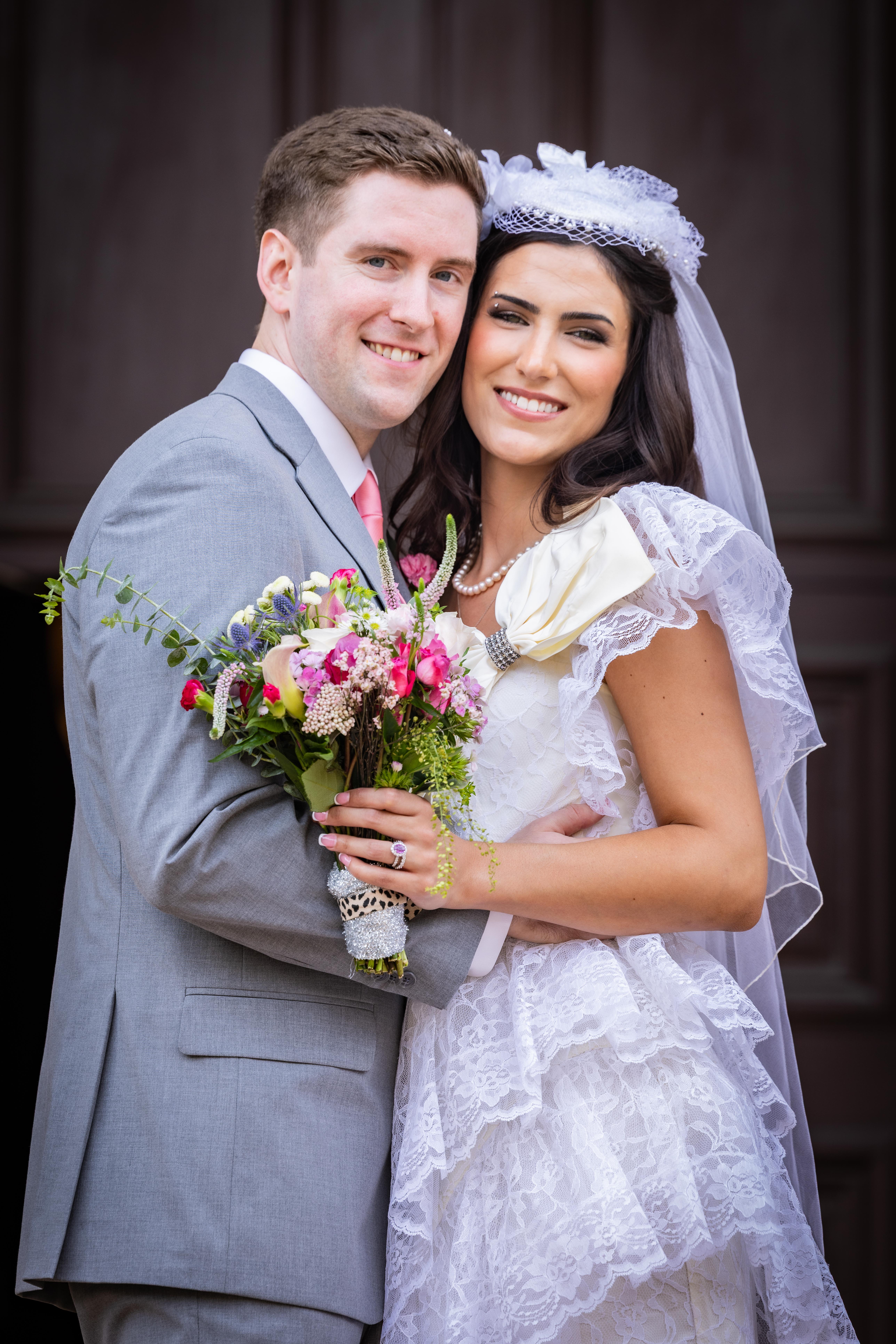
A multicultural wedding can change energy in seconds: grandparents recognize the first notes of a traditional song, cousins rush toward the dance floor, and friends who have never heard it before join in anyway. That is the standard a great celebration should meet. This multicultural wedding music guide is built for couples who want more than a playlist. You need a professional DJ and MC team that understands the meaning behind the music, manages the room with confidence, and gives every side of the family a reason to celebrate.
Electrified DJ Services' multicultural wedding music guide explains that successful planning requires a professional DJ and MC team to understand the cultural meaning behind diverse music, rather than just playing a playlist. This approach ensures seamless transitions between traditions like salsa, bhangra, or Arabic dabke, making all guests feel included. A professional DJ and MC team can honor specific moments with appropriate pacing and bilingual announcements in English or Spanish, creating a cohesive celebration where every family feels represented.
Why Multicultural Wedding Music Needs a Real Plan
Mixing music from different cultures is not about playing one set of songs early and another set late. That approach can make guests feel separated rather than included. The best weddings create moments where traditions are honored fully, then connect those moments to the next part of the party with the right pacing, announcements, and transitions.
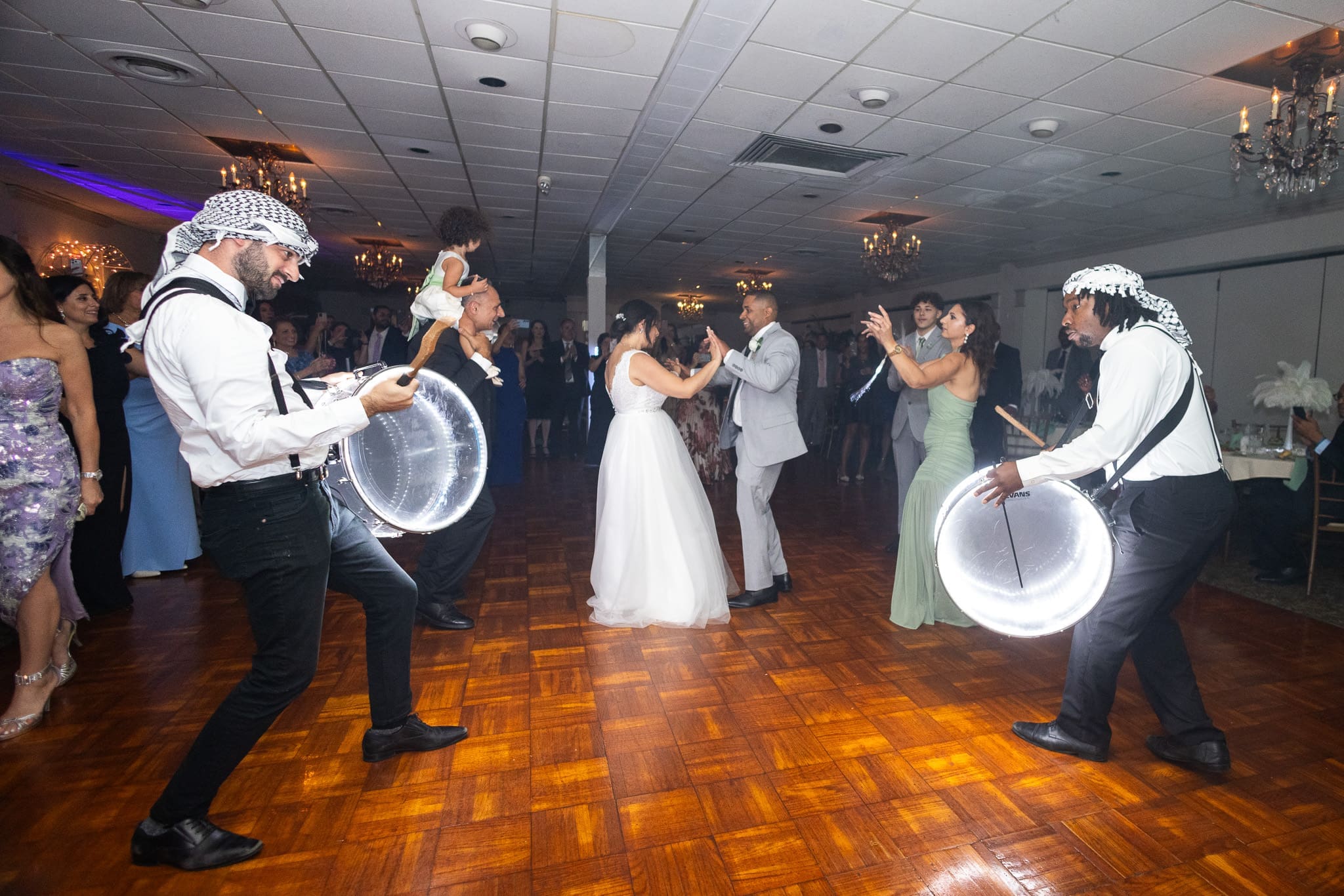
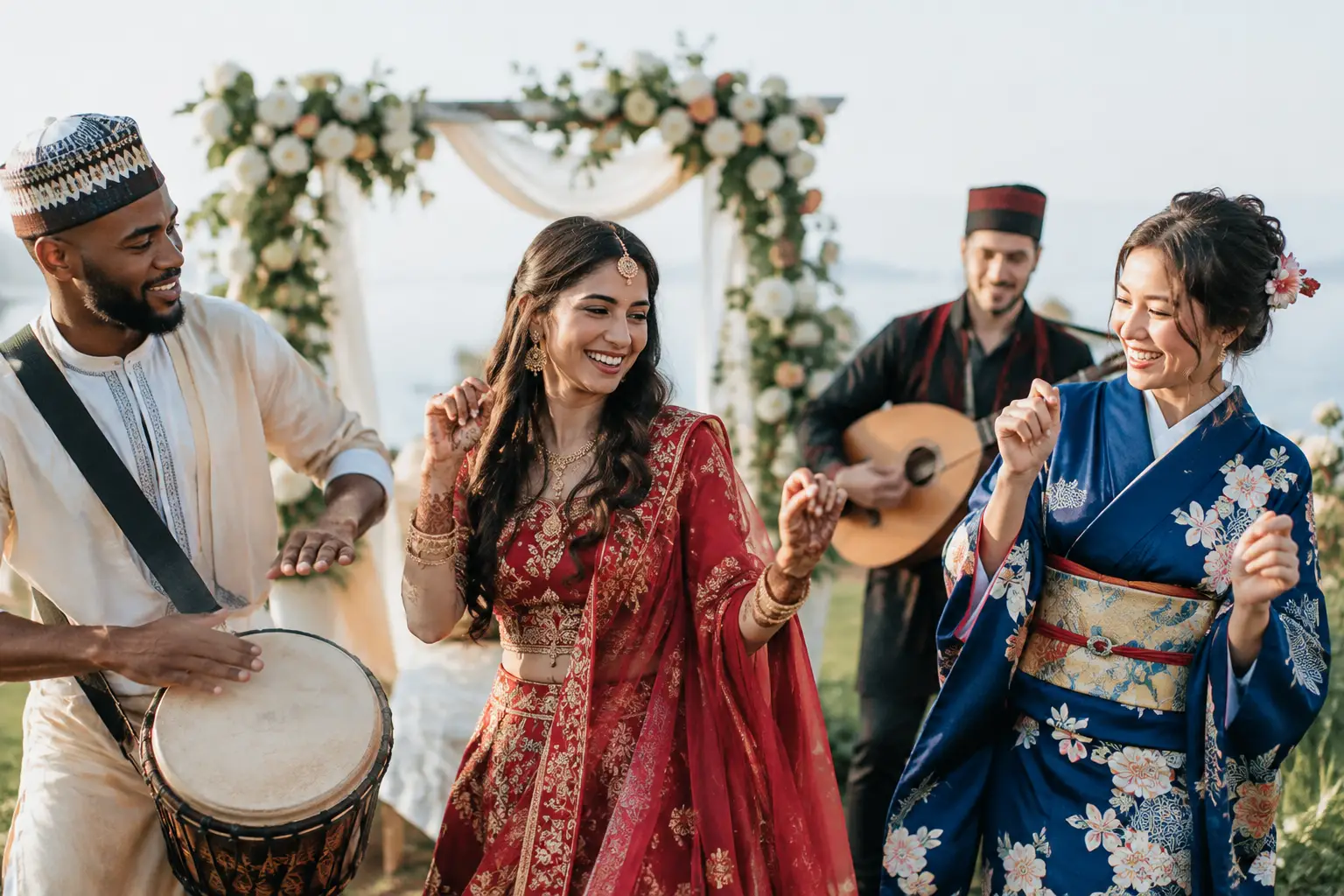
A professional wedding DJ starts by learning who will be in the room. Maybe one family wants a formal entrance and traditional parent dances, while the other is ready for salsa, merengue, reggaeton, bhangra, Afrobeats, Greek dancing, Arabic dabke, or a Hora Loca-style burst of energy. There is room for all of it. The key is deciding which traditions deserve their own spotlight and which sounds can blend naturally into a high-energy open dance floor.
This is where experience matters. A DJ can read whether guests need a familiar sing-along, a rhythmic transition, or a well-timed slow song before bringing the tempo back up. Your music should feel like one great party, not a series of disconnected requests.
What Meaningful Moments Should You Prioritize for Multicultural Wedding Music?
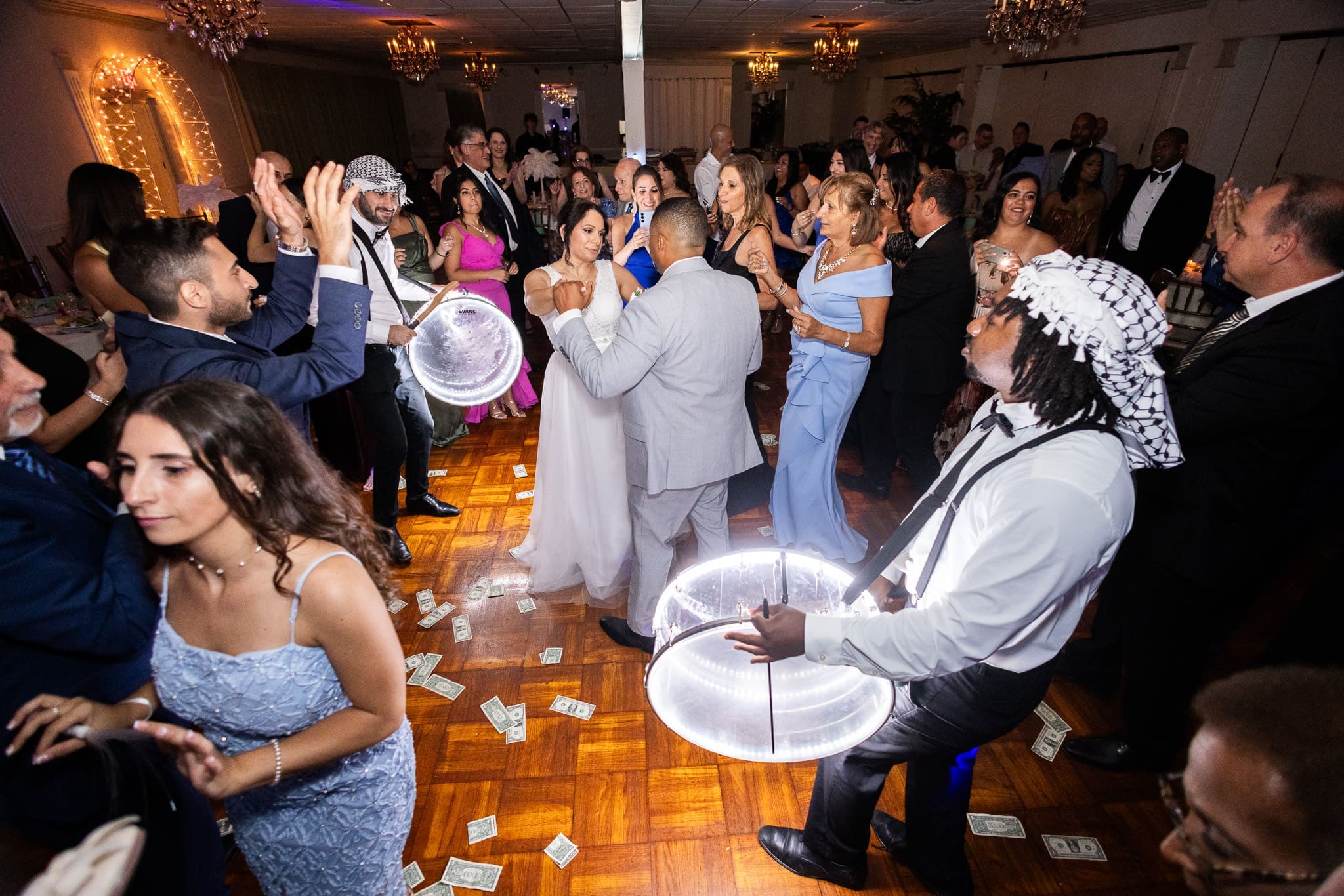
Before choosing dance floor favorites, identify the wedding moments that are emotionally non-negotiable. These are often the traditions family members will remember long after the reception ends: a cultural processional song, a blessing, a money dance, a special anniversary dance, a parent dance, or a family-led circle dance.
Give your entertainment team the context, not just a song title. Tell them who should be invited to the floor, whether the moment needs an introduction in English or Spanish, and whether the song must be played in full. A meaningful three-minute tradition should never be cut short because the DJ did not know what it represented.
It also helps to clarify the level of participation you want. Some couples want a full traditional set with clear MC direction. Others prefer a short tribute woven into a modern reception. Neither option is more authentic than the other. It depends on your families, your venue timeline, and the atmosphere you want to create.
Why is it Important for the DJ and MC to Work as One Team for Multicultural Weddings?
Music alone cannot guide a room through unfamiliar traditions. Guests may need a warm invitation, simple instructions, or a bilingual announcement that lets everyone know what is happening and why it matters. That is especially valuable when families speak different first languages or when one side of the guest list is new to a particular custom.
A confident MC keeps these transitions welcoming without turning them into a lecture. The goal is to make people feel included, not put on the spot. When the announcement, lighting, and music all land together, the room responds faster and the tradition feels as exciting to first-time participants as it does to the family members who grew up with it.
How Can You Build a Multicultural Wedding Reception That Transitions Naturally Between Cultures?
The strongest multicultural wedding music planning happens in sections. Cocktail hour can introduce a broad range of styles at a relaxed volume. Dinner can lean elegant and familiar, leaving space for conversation. Once formalities are complete, the dance floor can move through cultural sets with purpose instead of throwing every genre into random rotation.
For example, a DJ might build from classic wedding anthems into Latin favorites, then use a recognizable crossover record to shift into hip-hop, dance music, or international hits. If the crowd is responding to a particular rhythm, that section can breathe. If another group has been waiting for their moment, the DJ can make that change before energy drops.
Avoid asking for equal time by the minute. A 50/50 split may sound fair on paper, but it is not always the best way to serve the room. One tradition may call for a focused 15-minute set that brings an entire family to the floor. Another may work best through songs placed across the night. Trust your DJ to use your priorities and real-time crowd response to make the balance feel right.
How Can You Include Both Family Favorites and Your Personal Music Style in a Multicultural Wedding?
Couples sometimes worry that honoring family traditions means giving up the music that feels like them. It does not. Your wedding should include the songs you both love, whether that means throwbacks from your first dates, current club tracks, rock classics, R&B, Latin pop, country, house, or a soundtrack that crosses every category.
The planning conversation should separate must-plays from nice-to-haves. It should also identify a short do-not-play list. Be specific about songs that have personal baggage, artists you want to avoid, or genres that simply do not fit your celebration. A professional DJ uses those guardrails while still having enough freedom to react when your guests show the room where the energy is.
For couples planning a bilingual reception, language should never become a barrier to participation. English and Spanish announcements can be paced naturally throughout the evening, with the right tone for formal introductions, family traditions, and dance floor hype. That attention makes guests feel seen and keeps everyone connected to the timeline.
What to Ask a Multicultural Wedding DJ Before You Book
Not every DJ who says they play “all types of music” is prepared to lead a multicultural wedding. The difference is in the questions they ask before the event and the confidence they bring when the room is full.
Ask how they prepare for cultural traditions they may not perform every weekend. A strong answer includes a planning meeting, research when needed, direct coordination with family members or planners, and a clear run-of-show. Ask whether they can provide bilingual MC support if your reception needs it. Ask how they handle song versions, pronunciations, and cues for important dances.
You should also ask who is actually performing at your wedding. The person selling the package should be able to explain the DJ and MC setup, sound coverage for your venue, backup approach, and how they coordinate with photographers, videographers, caterers, and venue staff. Great entertainment is partly about music and partly about making sure every important moment happens on time.
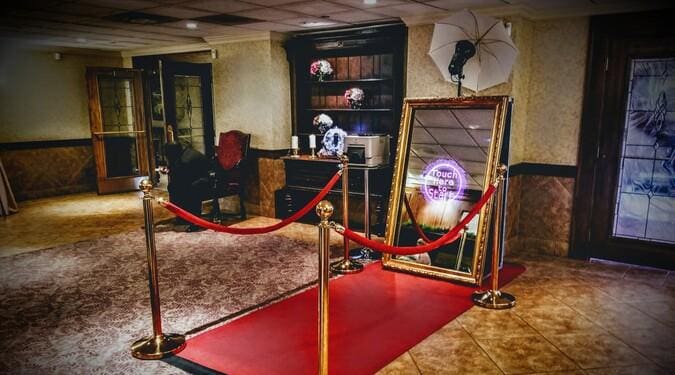
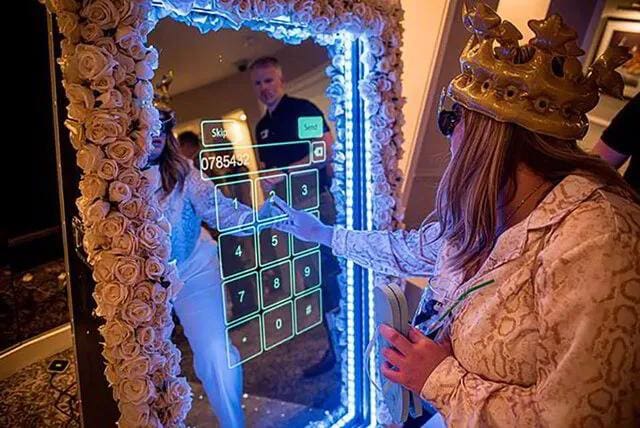
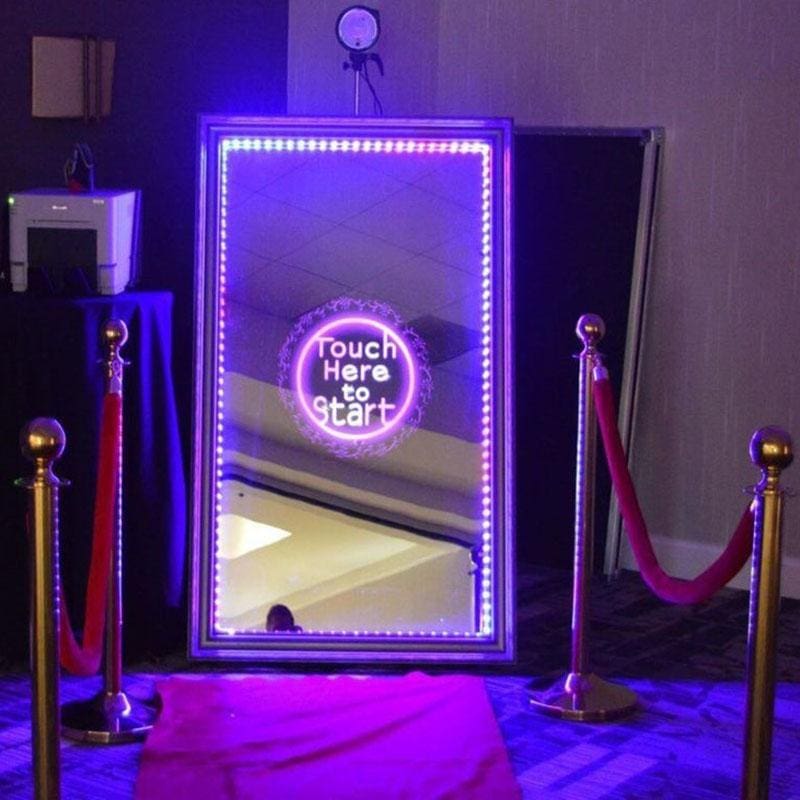
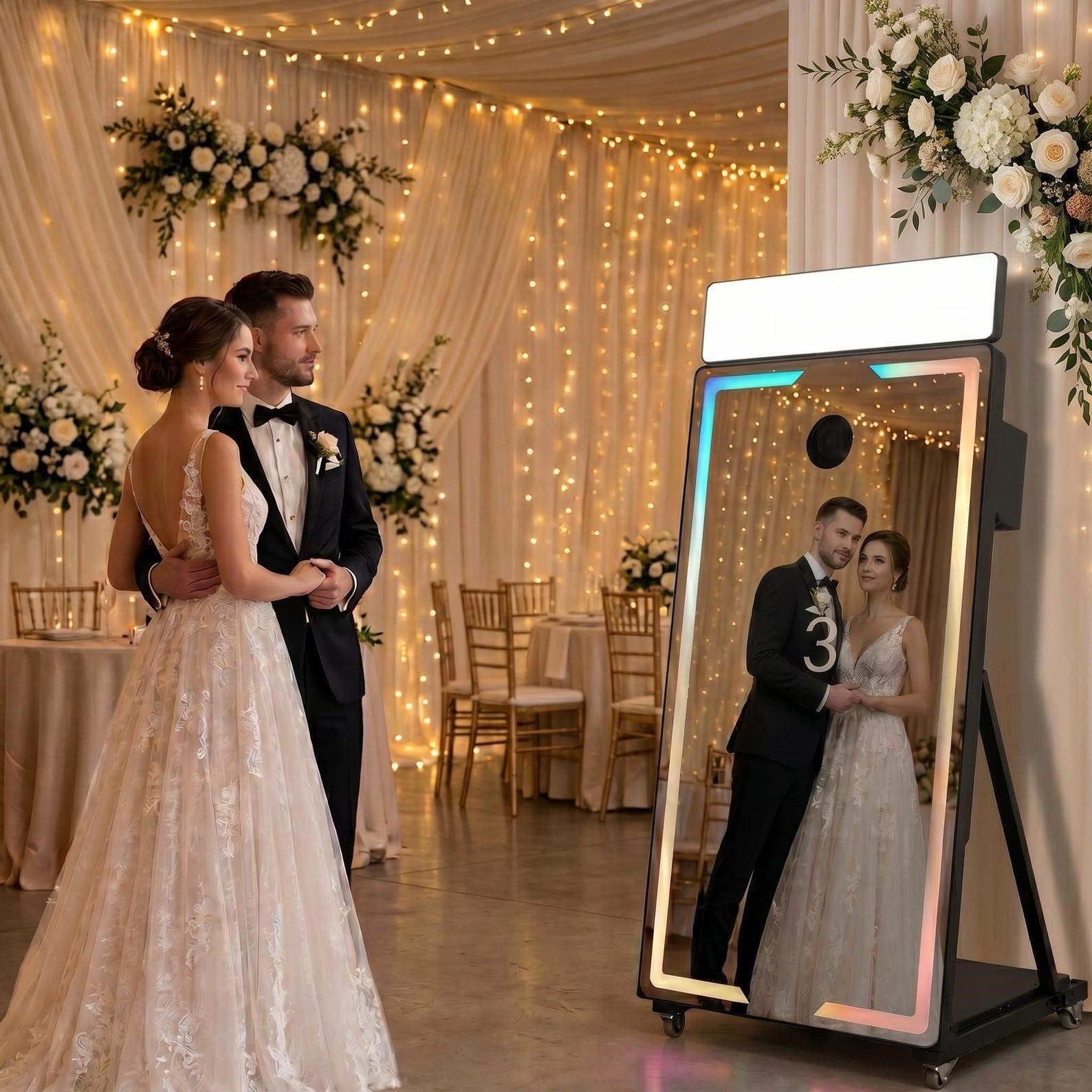
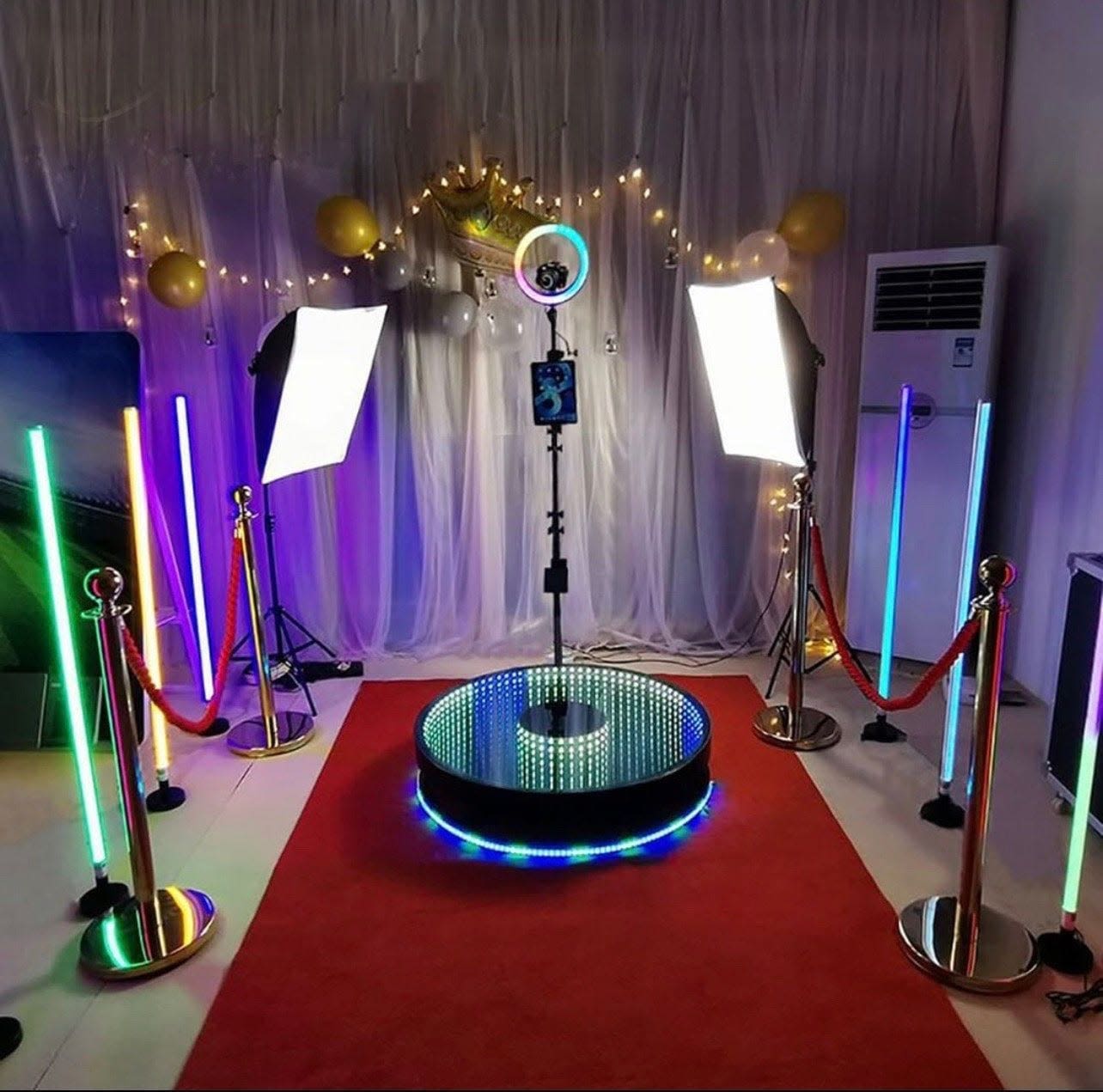
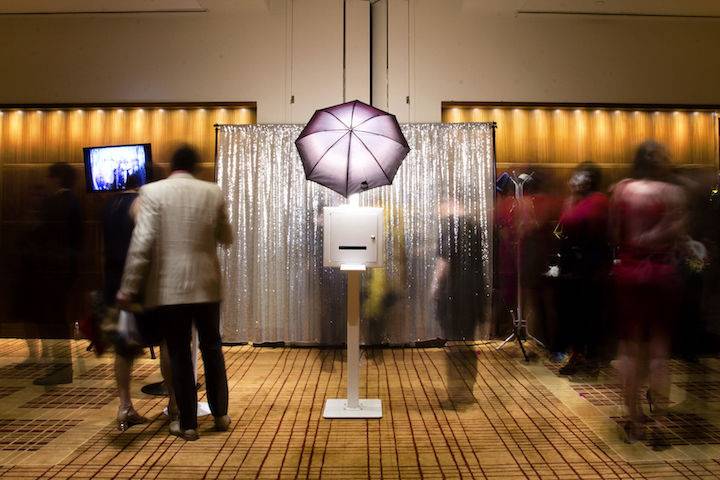
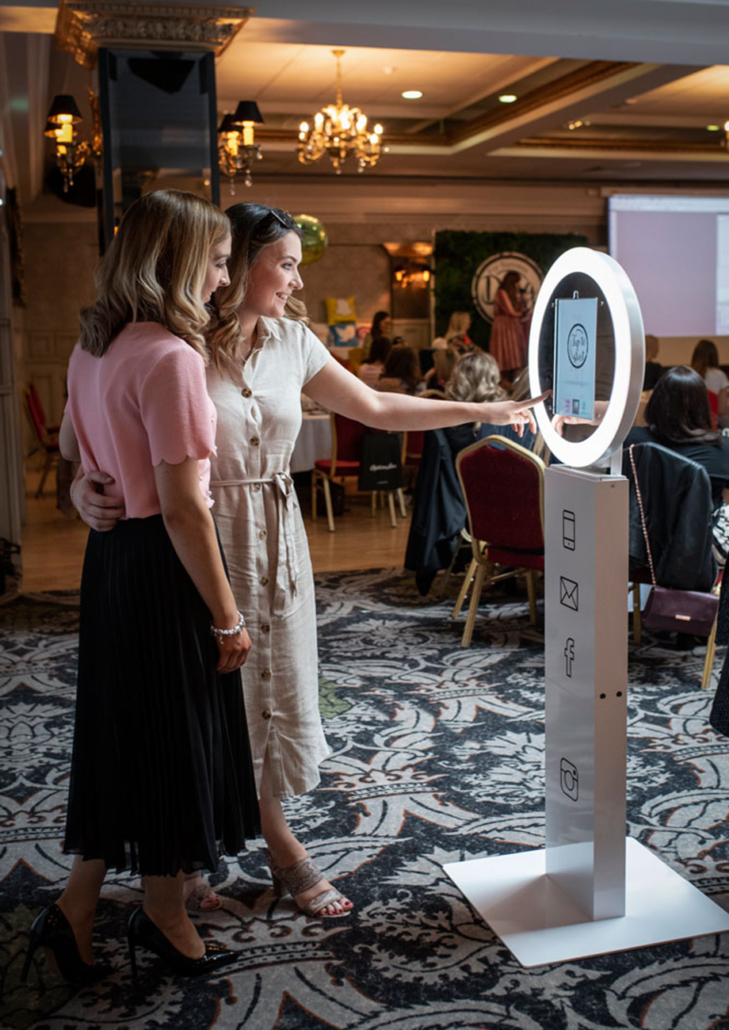
For larger receptions, lighting can help signal each shift in energy. Warm, elegant lighting supports dinner and formal dances. Dynamic lighting can transform the room when the party opens up. Photo booths, photography, videography, and live social media coverage can also work together when one entertainment team understands the timeline and the moments that matter most.
What Details Should You Provide Your Multicultural Wedding DJ for the Best Results?
The best results come from a real planning process, not a last-minute text with a playlist. Share the names and relationships of people involved in key dances, any pronunciation notes, the order of cultural moments, and whether there are songs that must be played in their original version. If a family member will lead a traditional dance, let the DJ know who they are and when they should be invited up.
Be honest about the crowd, too. A room full of guests who love to dance needs a different approach than a reception where many older relatives will leave after cake. A skilled DJ uses that information to place the biggest shared moments at the right time and keep the dance floor active while all generations are still present.
At Electrified DJ Services, we see the best multicultural weddings as a collaboration: your history, your families, your favorite music, and a team that knows how to turn all of it into a packed dance floor. Choose entertainment that respects every tradition while giving your guests one unforgettable reason to celebrate together.