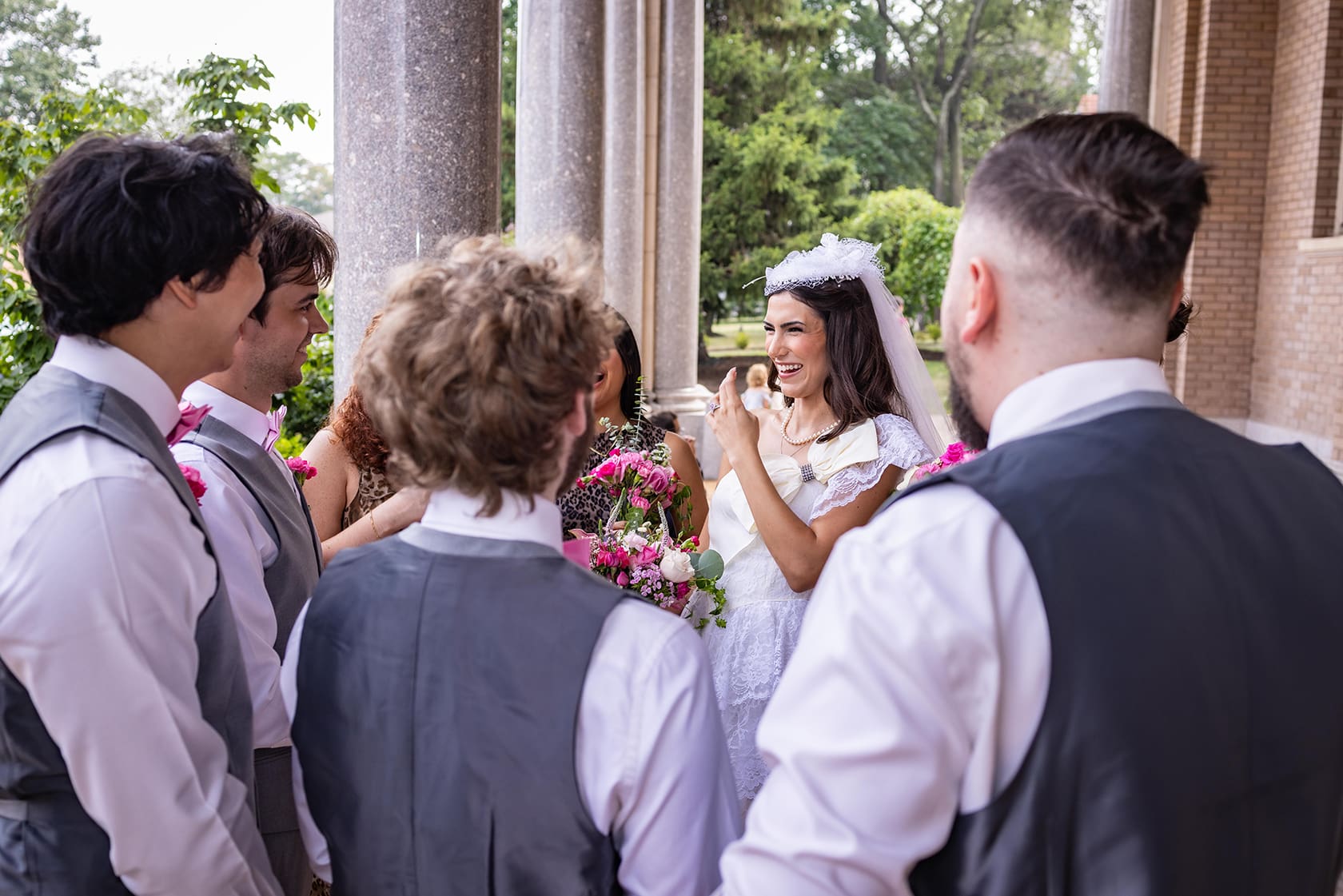
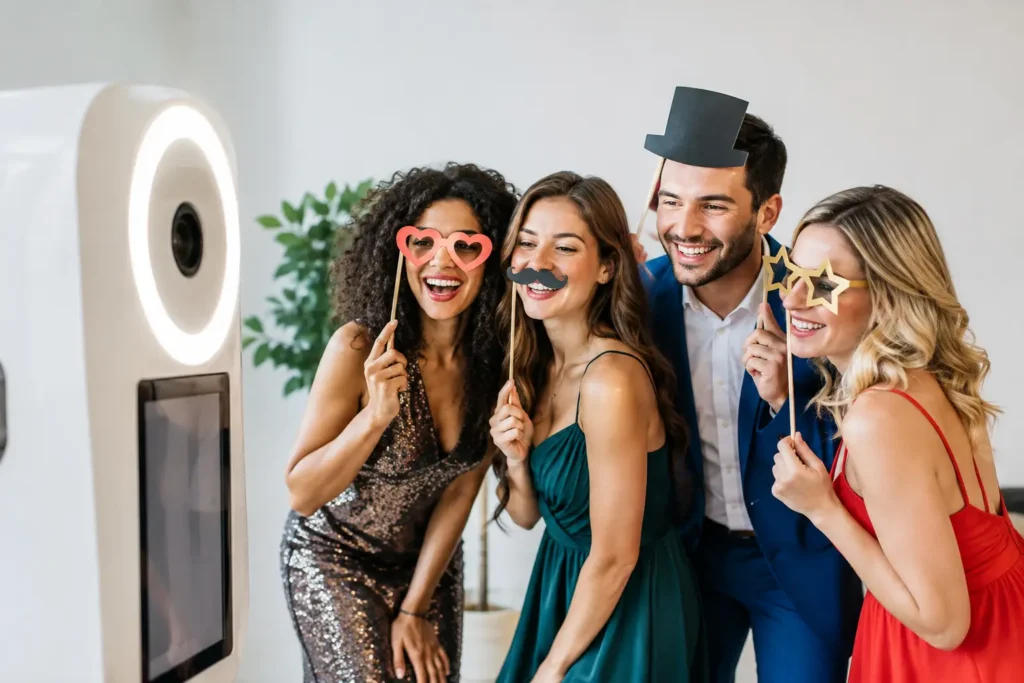
The best photo booth moments are not the posed ones. They are the laughing fits between songs, the grandparents squeezing into frame, and the bridal party returning for one more clip before the night ends. That is why the top digital photo booth features should do more than take a nice picture. They should pull guests into the celebration, match the look of your event, and make it easy to enjoy the memories while the energy is still high.

For weddings, quinceañeras, milestone birthdays, school events, and corporate celebrations, a digital booth can become one of the most active parts of the room. The difference comes down to the experience behind the screen, the quality of the equipment, and the professional team keeping everything moving.

The Top Digital Photo Booth Features Start With Quality

A digital photo booth may look simple from across the room, but the details show up in every image guests take home. A professional booth should use a high-quality camera, flattering lighting, and a clean display that makes it easy for guests of every age to use.

Studio-quality lighting matters more than filters

Great lighting is what separates crisp, polished images from dark, grainy photos that never make it past a guest’s camera roll. A professional setup uses controlled lighting designed for event spaces, where ballroom uplighting, dim dinner service, and packed dance floors can all affect the result.

Filters can be fun, but they should enhance the image rather than cover up poor lighting. For a formal wedding, couples may prefer a bright, editorial look that complements professional photography. For a sweet 16 or birthday party, a more colorful filter option may fit the energy better. The right choice depends on the event style, but the starting point should always be a clear, well-lit photo.

Photo, GIF, boomerang, and video options keep it fresh

Still photos are timeless, yet movement gives guests another reason to come back. GIFs, boomerangs, and short video clips capture personalities that a single photo cannot always show. Think of a group doing a coordinated dance move, kids showing off their best poses, or friends cheering for the newlyweds.

Variety matters, but too many modes can slow down the line or confuse guests. A well-managed booth experience offers a focused selection that makes sense for the crowd. At an elegant reception, photos and tasteful animated GIFs may be perfect. At a high-energy school event or birthday celebration, boomerangs and video effects can keep the booth buzzing all night.

Top Digital Photo Booth Features That Make It Personal

A booth should feel like it belongs at your event, not like a generic kiosk dropped into the corner. Customization is where a professional entertainment company can turn the photo booth into part of the overall visual experience.

Custom templates create a lasting keepsake

A personalized photo overlay can include names, a wedding date, a monogram, event colors, or a design that matches the invitation suite. Every image shared from the booth then becomes a small reminder of the celebration.

The best templates are polished and readable. A crowded design can distract from the people in the photo, while a clean border or subtle event branding feels intentional. For corporate events, the same principle applies: brand visibility is valuable, but guests should still want to share the image because it looks good.

Digital props and themed experiences add personality

Digital props can be a great fit when they match the room. Animated sunglasses, celebration graphics, holiday effects, and themed backdrops invite guests to loosen up without requiring piles of physical props around the venue.

There is a trade-off. Digital props are flexible and easy to keep tidy, but physical props can create more spontaneous group interaction for some crowds. A professional team can help determine which approach supports the atmosphere you want, whether that means romantic and refined or playful and bold.

A polished backdrop changes the entire image

The backdrop is not just decoration. It sets the visual tone of every photo. A clean neutral backdrop works beautifully for a formal wedding, while shimmer walls, flower walls, custom step-and-repeat designs, or bold colors can make a party feel more theatrical.

Backdrops also need to work with the venue. A compact cocktail-hour space calls for a setup with a smaller footprint, while a larger ballroom may have room for a statement backdrop that becomes a guest attraction. Placement matters too. The booth should be visible enough to invite participation without blocking entrances, dinner service, or the dance floor.

Instant Sharing Is a Must, With the Right Controls

One of the biggest advantages of a digital booth is that guests can receive their images quickly by text, email, or QR code. That instant delivery keeps the excitement going and gives friends and family something to post, save, and send before they even leave the reception.

Sharing should be easy, but it should also be handled thoughtfully. Reliable Wi-Fi or an event-ready connection matters, especially in venues where cell service can be unpredictable. The sharing screen should be simple, and the attendant should be ready to help guests who are less comfortable with technology.

Privacy is worth considering as well. At weddings and private celebrations, many hosts want open sharing because it adds to the fun. At school functions, corporate events, or more private gatherings, gallery access and sharing settings may need closer attention. The right setup respects the event while still giving guests the instant gratification they expect.

A Live Gallery Extends the Celebration

A live digital gallery lets the host see the fun unfold in real time. After the event, it becomes a collection of candid guest moments that may never appear in formal photography. Couples often love seeing the silly, heartfelt, and unexpected images captured while they were greeting guests, taking portraits, or enjoying the dance floor.

This feature works especially well when your DJ, MC, lighting, and photo booth are coordinated by one entertainment team. The booth can be positioned around the flow of the reception, with its busiest moments supported by the music and energy in the room. At Electrified DJ Services, that coordination helps make the booth feel connected to the party rather than separate from it.

The Most Valuable Feature Is a Professional Attendant

Technology helps, but people create the experience. An experienced booth attendant welcomes guests, keeps the line moving, adjusts the setup when needed, and makes sure the booth stays presentable through a busy event. They also know when to encourage a shy group and when to give a family a little extra time for the photo they will treasure.

This support is especially valuable at weddings, where the timeline can shift quickly. A professional entertainment team understands that the booth may need to open after dinner, pause during special moments, or get extra attention once the dance floor picks up. You should not have to assign a family member to troubleshoot a screen, restock props, or explain QR codes while they are supposed to be celebrating.

For multicultural and bilingual events, guest interaction matters even more. Clear instructions and welcoming service help everyone participate, whether guests are most comfortable in English or Spanish. A photo booth should bring people together, not make anyone feel left out.

Choose Features Around Your Guest Experience

The strongest photo booth package is not always the one with the longest feature list. It is the one that fits your crowd, venue, timeline, and visual style. A wedding with 200 guests may benefit from fast sharing, a statement backdrop, and multiple capture modes. An intimate anniversary party may get more value from flattering photos, a custom template, and an attendant who makes every guest feel comfortable.

If you are also booking DJ entertainment, ask how the booth will fit into the overall event flow. The best results happen when music, lighting, MC announcements, and photo opportunities work together. Guests should hear the excitement, see the booth, and feel invited to step in without missing the biggest moments on the dance floor.

A digital photo booth is more than an add-on when it is designed around the people in the room. Choose features that make your guests laugh, look great, and leave with a memory they will want to revisit long after the final song.
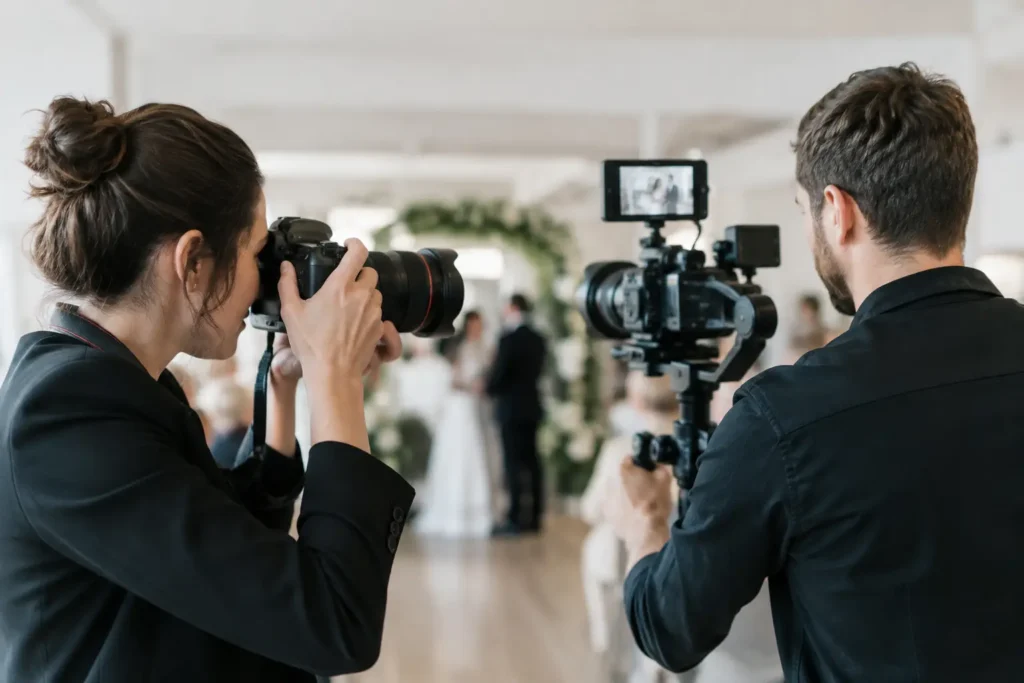
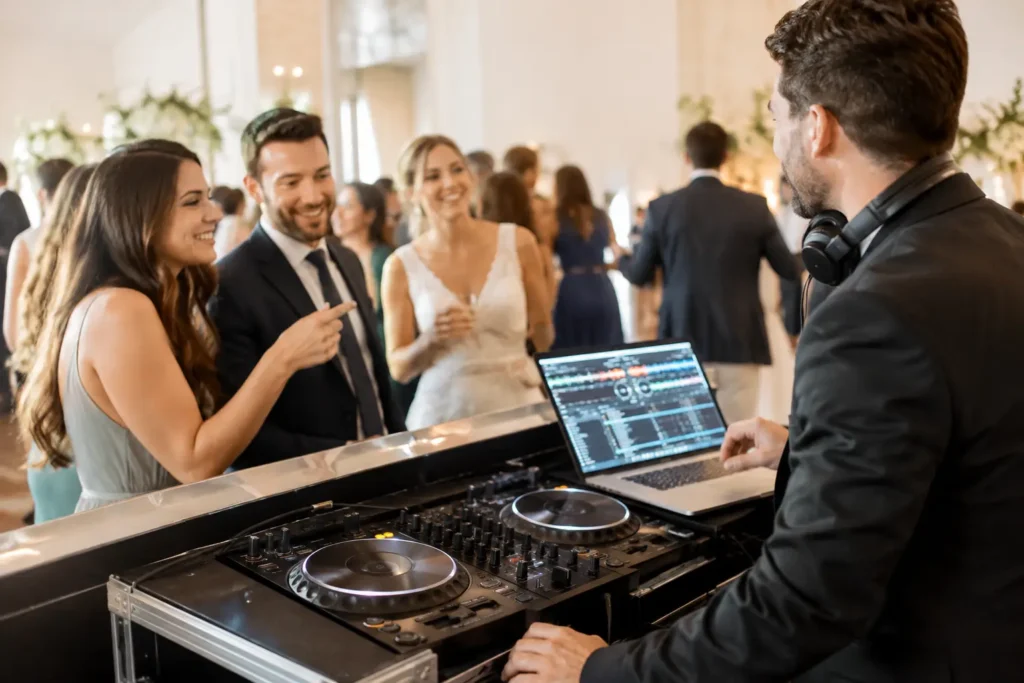
The event photographer versus videographer decision usually becomes real when you picture one moment: your entrance, your first dance, or the room erupting when your DJ drops the song everybody has been waiting for. Do you want the single perfect frame on your wall, or do you want to hear the cheers, see the movement, and relive the energy as it happened?

For New Jersey weddings and milestone celebrations, both services preserve something meaningful. They simply do it differently. The right choice depends on your budget, the story you want to revisit, and the kind of experience you want your guests to remember long after the dance floor clears.

Event Photographer Versus Videographer: The Core Difference

Photography turns a split second into a lasting image. A skilled event photographer looks for expressions, details, family connections, room design, and those spontaneous moments that happen once and are gone. The result is a collection of polished images you can print, post, frame, and share easily.

Videography captures the atmosphere around those moments. It preserves movement, voices, music, reactions, and pacing. When you watch a wedding film, you do not just see a parent’s toast. You hear the words, see the couple react, and feel the room respond.

Neither one is a lesser version of the other. Photography is often stronger for timeless portraits and visual details. Video is stronger for emotion in motion. A great photographer can make you remember what the room looked like. A great videographer can bring you back to what the room felt like.

When Photography Is the Best Priority

If your budget allows for only one professional visual service, photography is often the practical first choice. You will use your wedding photos in albums, thank-you cards, framed prints, social posts, and family keepsakes for years. For many couples, the formal portraits with parents, grandparents, siblings, and wedding parties become especially valuable over time.

Photography also works beautifully for birthdays, Sweet 16s, anniversaries, quinceañeras, school events, and private celebrations where the main goal is documenting guests and key moments. The photographer can move quickly through the room, capture group photos, record the décor before guests arrive, and create a strong visual record without requiring anyone to stop and perform for the camera.

Choose photography as the priority when you care most about printed memories, portraiture, décor details, and a broad gallery that is easy to revisit. It is also a smart fit for events with tight schedules, where a few standout photos matter more than a full story told over several minutes.

That said, photography is not only about posed smiles. At a high-energy reception, the best images often happen during candid reactions: a packed dance floor, a joyful hug after a speech, a child copying the adults’ dance moves, or a group of friends singing every word to a favorite song.

When Videography Brings More Value

Videography shines when sound and movement are part of the memory. Wedding vows, speeches, cultural traditions, surprise performances, a Hora Loca entrance, and a grandparent’s laugh all carry a dimension that still photos cannot fully hold.

For couples who have family members unable to attend, video can be especially meaningful. A professionally edited film gives them a chance to experience the important moments beyond a quick phone clip. It can also preserve the parts of the day that move too fast for the couple to absorb in real time.

Video is an excellent choice when your celebration has a strong entertainment focus. If your reception includes a live vocalist, choreographed dance, energetic MC moments, bilingual announcements, or a room that transforms once the party starts, motion matters. A cinematic clip of guests rushing to the dance floor tells a different story than a still image of the same moment.

The trade-off is that video requires more editing time and often a larger production footprint. Depending on the package, videographers may use multiple cameras, audio equipment, and lighting. Professional teams plan this carefully so coverage supports the event rather than distracting from it, but it is worth discussing during the planning process.

Why Many Couples Choose Both

A photo-and-video team gives you two perspectives of the same celebration. You may receive a portrait of your first dance that belongs in a frame, plus a film where you can hear the song and watch your guests surrounding the floor. You can save the photo of your parents’ reaction and also replay their toast years later.

This is where working with one coordinated event company can reduce stress. Your photography, videography, DJ, MC, lighting, and photo booth teams should understand the event timeline and communicate without making you manage every handoff. When the entertainment team knows exactly when a special dance, toast, surprise, or send-off is coming, the media team is better positioned to capture it.

At Electrified DJ Services, that coordination is part of the experience. The goal is not to fill your room with vendors competing for attention. It is to create one well-run celebration where the music, timeline, lighting, and coverage work together.

Preguntas que debes hacerte antes de reservar

The most useful conversations are not just about how many hours are included. Ask what moments the team considers essential, how they handle low-light receptions, whether audio from vows and speeches is recorded clearly, and what the final delivery looks like.

For photographers, ask about the balance between posed portraits and candid coverage. Review whether their style feels bright and airy, dramatic and editorial, true-to-color, or energetic and flash-forward. Your photos should match the feeling you want from the day, not simply follow a trend that looks good on someone else’s feed.

For videographers, ask whether you will receive a highlight film, full ceremony footage, full speeches, social-media-ready clips, or some combination. A short highlight film is emotional and shareable, but it may not include every word from your ceremony or every toast. Know what is included before you assume those moments will be delivered in full.

Also ask how the media team works with your DJ and MC. Timing is everything at a reception. A professional DJ can help create clean transitions for entrances and formalities, while an experienced MC keeps the schedule moving so photographers and videographers are not chasing missed moments.

Think About the Moments You Cannot Recreate

Some event moments can be restaged. You can take a relaxed portrait together after dinner if the schedule shifts. You cannot authentically recreate the exact tremble in a voice during vows, the surprise on your face during a speech, or the first time your entire dance floor sings along together.

That is why the choice often comes down to what you most want to preserve. If you want images that become part of your home and family history, prioritize photography. If hearing voices and reliving motion would mean the most to you, prioritize videography. If your budget allows, pairing both gives you the fullest record of the celebration without asking one format to do the other’s job.

Build Coverage Around Your Actual Celebration

There is no universal answer to event photographer versus videographer. A small anniversary dinner may need a photographer who captures meaningful family portraits. A wedding with personal vows, live entertainment, and a packed reception may deserve both. A Sweet 16 with a high-energy entrance and dance floor could benefit from video clips that keep the celebration alive long after the last song.

Start with the moments that matter most to you, then choose professionals who understand live events, not just cameras. The right team will help your timeline run smoothly, stay alert to the moments you cannot repeat, and make sure the memories feel as vibrant as the celebration itself.

A guest approaches the DJ booth with the song that defined their college years. Your aunt has a must-play classic. Your best friend wants a late-night singalong. So, do DJs take song requests? Most professional wedding and event DJs do, but the best ones do not simply play every request the moment it is handed over. They use requests as useful crowd feedback while protecting the energy, timing, and personality of your celebration.

For a wedding, milestone party, or school event, that distinction matters. A packed dance floor is not created by a random queue of songs. It is created by a DJ who knows when a request will bring people together, when it will clear the room, and how to fit it naturally into the moment.

Do DJs Take Song Requests? Usually, With a Plan

A professional DJ should welcome reasonable guest requests. They can reveal what different generations are excited to hear, help a shy guest feel included, and create one of those unexpected moments where the whole room sings every word. At a family celebration, a request may also reflect a cultural tradition or a song that means something personal to the hosts.

But accepting requests is different from promising that every request will be played. Your DJ is managing more than music. They are reading the room, watching the dance floor, coordinating with the MC, staying aware of the event timeline, and building transitions that keep momentum moving forward.

If the room is fully engaged with a high-energy set, dropping an unrelated slow song because one person asks for it can interrupt the experience for everyone else. A skilled DJ may save that song for dinner, cocktail hour, a slower portion of the night, or a better-fitting musical set. Sometimes the right answer is a respectful no, especially if the request conflicts with your preferences or the event atmosphere.

The Difference Between a Playlist and a Performance

A playlist plays songs. A professional DJ performs for the room.

That does not mean guests should be ignored. It means their requests are considered in context. A DJ might hear a request for a throwback hip-hop track, then choose the right edit and place it between songs with a compatible tempo and feel. The guest gets their moment, while the dance floor keeps its rhythm.

This is especially valuable at weddings, where the crowd can include grandparents, college friends, coworkers, children, and relatives with different musical tastes. The goal is not to satisfy every individual request on command. The goal is to make the room feel like it belongs to everyone.

How Great DJs Handle Requests Without Losing the Dance Floor

The best request policy is flexible, not careless. Your DJ should have the confidence to take direction from you while using live experience to make smart decisions throughout the event.

First, they should know your priorities. If you tell them that Latin music, 2000s throwbacks, Motown, or high-energy dance music matters most, those preferences become the foundation. Guest requests can then support the direction instead of pulling the night in five different directions.

Second, they should assess whether a request suits the current moment. A popular song is not always the right song. The same track may work perfectly during an open dance set but feel out of place immediately after a romantic parent dance or during a formal reception entrance. Timing is part of the service.

Third, they should keep the event moving. At weddings, the DJ and MC often manage announcements, formalities, specialty dances, cake cutting, and the transition from dinner into dancing. At private events, there may be surprise presentations, birthday moments, or cultural traditions. Requests need to fit around those moments rather than derail them.

Finally, a polished DJ should use professional judgment when a request is inappropriate, unavailable, or likely to empty the dance floor. Guests do not always realize that a song has explicit lyrics, an awkward message for the occasion, or a completely different energy from the set in progress. A courteous response keeps the guest comfortable and the event on track.

Set Your Request Rules Before the Event

The easiest way to avoid confusion is to discuss song requests during planning. A professional entertainment company should ask how much control you want over the music and make that preference clear before the celebration begins.

Some couples want an open-request atmosphere. They love the idea of guests shaping part of the dance floor experience, particularly when family and friends share a strong connection to certain genres or eras. This can work beautifully when the DJ has room to curate the requests and keep the music cohesive.

Other couples prefer requests only from the couple, the planner, or a designated VIP such as the maid of honor or parent. This is a smart choice when you have a highly specific music vision, a short reception timeline, or a long list of songs and styles you do not want played.

A middle ground is often the best fit: guests may request songs, but the DJ plays them only if they match the hosts’ approved music direction. That gives your guests a voice without handing over the event soundtrack.

Your Must-Play and Do-Not-Play Lists Matter

A must-play list gives your DJ the songs that truly matter to you. Think of it as a priority list, not a minute-by-minute script. It may include your favorite dance-floor artists, meaningful songs for family members, or music tied to your heritage and relationship.

A do-not-play list is just as useful. It prevents uncomfortable surprises, whether you want to avoid explicit music, certain genres, breakup songs, overplayed wedding tracks, or songs connected to a difficult memory. If a guest requests something from that list, your DJ can decline it discreetly without making it a big moment.

For bilingual and multicultural events, this planning conversation is even more valuable. A DJ who understands your preferred balance of English and Spanish music, as well as any special moments like Hora Loca, can welcome requests while keeping the cultural flow authentic and exciting.

When Should a DJ Say No to a Song Request?

A professional DJ may decline a request when it conflicts with your do-not-play list, contains unsuitable lyrics, repeats a song already played, or breaks the energy of the current set. They may also skip requests that do not suit the event, such as a highly explicit track at a school function or a novelty song during an elegant wedding reception.

The key is how it is handled. Guests should not feel dismissed. A seasoned DJ can say they will look for the right moment, offer a similar song, or simply move on politely while continuing to engage the room. Great hospitality happens at the booth as much as it happens on the dance floor.

At Electrified DJ Services, the focus is always on the celebration you want to create: music that reflects you, an MC who keeps the timeline smooth, and a dance floor with real momentum. Requests can add personality to that experience when they are guided by a DJ who knows your crowd.

When you meet with a prospective DJ, ask how they handle guest requests, not just whether they accept them. Their answer will tell you a lot about their planning process, crowd-reading ability, and commitment to making your event feel personal from the first song to the final dance.

The venue tour ends, the date feels real, and suddenly the most important question is not whether guests will dance. It is whether the entertainment team you actually want is still available. When should couples book DJs? For most weddings, the best answer is shortly after securing the venue, ideally 12 to 18 months before the celebration. That window gives you better access to experienced talent, stronger package options, and time to shape an event that feels like yours instead of a rushed collection of last-minute decisions.

A DJ does much more than press play after dinner. The right professional helps direct the energy of the room, works with your planner and venue, manages key moments with confidence, and keeps the dance floor moving across generations. That level of service deserves a place near the top of your booking timeline.

When Should Couples Book DJs? Start After the Venue

Your wedding date and venue are the two details a DJ needs before confirming availability. Once your contract is signed, start reaching out. If your wedding is on a Saturday between May and October, booking 12 to 18 months ahead is the smart move in Northern New Jersey. Prime dates disappear quickly, especially for teams that provide DJ entertainment, MC services, lighting, photo booths, and media coverage under one roof.

For a Friday, Sunday, winter wedding, or a date outside peak season, you may have more flexibility. Six to 10 months can still be enough to find an excellent professional. But availability is never guaranteed, and waiting simply because your date is off-season can limit your choices. Couples often discover that their preferred DJ is already committed to another celebration, even in January or February.

There is also a practical advantage to booking early: you can make entertainment decisions in the right order. Once your DJ team is confirmed, you can consider whether immersive lighting will transform your ballroom, whether a 360-degree booth suits your crowd, or whether photography and videography from the same trusted team would simplify the day.

Why Popular Dates Need an Earlier Call

Not all wedding dates carry the same demand. Saturdays are the obvious example, but holiday weekends, culturally significant dates, and high-demand fall weekends can book far in advance. A couple planning a September wedding in Montclair or a waterfront reception near Jersey City is often competing for the same sought-after dates, venues, and entertainment professionals as dozens of other couples.

The size and style of your event matter, too. A formal reception with a packed timeline needs a DJ and MC who can keep introductions, toasts, dinner, special dances, and open dancing on schedule without making the evening feel overly scripted. A bilingual wedding may require Spanish-language announcements, music knowledge across genres, or a Hora Loca that is planned as a true high-energy moment rather than an afterthought. Those needs are not complications. They are reasons to book a team with the right experience before your date is claimed.

Early booking is not about forcing every decision before you are ready. It is about reserving the people who will help make those decisions easier later.

A Booking Timeline That Protects Your Options

12 to 18 months out: Secure your top choice

This is the ideal range for couples marrying during peak season, hosting a large guest count, or wanting multiple entertainment and media services. Reach out with your date, venue, approximate guest count, and the overall feel you want. You do not need a finalized song list or a fully designed reception timeline yet. A good entertainment company can learn the essentials, explain available options, and reserve the date while your vision takes shape.

At this stage, ask about the complete experience, not just the number of hours of music. Who will serve as the MC? How does the team coordinate with your venue and planner? Can the company provide lighting, a photo booth, photography, videography, or livestreaming if you decide to add them? One coordinated team can reduce handoffs, clutter, and day-of confusion.

8 to 12 months out: Still a strong window

If you are booking within this range, move with purpose. Many excellent DJs will still have availability, particularly for non-Saturday dates, but your ability to compare several preferred options may be narrower. Focus on fit rather than chasing the lowest quote. The least expensive option can become costly if the DJ lacks wedding experience, arrives without backup support, or cannot confidently manage the flow of a room.

This is also a good time to discuss package priorities. Some couples care most about a polished dance floor and an MC who can guide guests through the night. Others want uplighting, a digital photo booth, or professional video coverage built into one plan. Booking early enough lets you choose what will genuinely elevate the guest experience instead of adding services only because there is little else available.

4 to 7 months out: Act quickly and stay flexible

A great DJ can absolutely be found at this point, but couples should expect fewer choices on popular dates. Be ready to contact companies promptly, review their approach, and make a decision when the fit is right. Flexibility may help: a different setup, a smaller add-on package, or a Sunday celebration can open up options.

Do not assume a company is unavailable because its website does not show instant booking. Professional entertainment teams often confirm staffing and event details personally. A quick availability request can give you a clear answer and a realistic path forward.

Under four months: Prioritize professionalism over perfection

Short engagements and surprise venue openings happen. If your wedding is close, your goal is to find a reliable professional who can execute well, communicate clearly, and understand the kind of celebration you want. Be honest about your timeline and ask direct questions about availability, planning meetings, equipment, insurance, and backup coverage.

You may not get every enhancement on your wish list, but you can still create a memorable reception. What matters most is securing an experienced DJ and MC who can read the crowd, honor your must-play and do-not-play preferences, and keep the evening feeling organized and alive.

What Couples Should Confirm Before Signing

Booking early only helps if you are booking the right team. The conversation should go beyond music genres. Ask how the DJ handles a mixed-age crowd, how the MC style is customized, and how changes are handled when the timeline shifts. Wedding receptions are live events. A professional has to respond to a late toast, a crowded cocktail hour, or a dance floor that needs a change in direction without making guests feel the adjustment.

Confirm what is included in writing: performance time, setup and breakdown, sound for the ceremony or cocktail hour if needed, lighting details, and any photo booth or media services. Ask whether the company carries appropriate insurance and what happens if an emergency affects the assigned performer. These are not glamorous questions, but they protect the celebration you have invested so much in.

Pay attention to the planning process, too. Your DJ should want to know your entrance style, family dynamics, cultural traditions, favorite artists, songs to avoid, and how involved you want to be on the microphone. That is where personalization begins. A packed dance floor is not created by one generic playlist. It comes from preparation, timing, and the ability to recognize what your specific guests are responding to.

Booking Early Gives You Room to Personalize

The best weddings rarely feel rushed because the couple had time to make meaningful choices. With your entertainment booked early, you can build an atmosphere that carries from the first guest arrival through the final song. Maybe that means elegant room lighting during dinner that shifts into a high-energy dance-floor look later. Maybe it means bilingual announcements that make more family members feel included. Maybe it means pairing DJ entertainment with photography, video, or a photo booth so the people creating the energy are aligned with the people capturing it.

Electrified DJ Services helps Northern New Jersey couples bring those moving pieces together with one experienced entertainment team. The goal is not to fill your wedding with extras. It is to give every major moment the attention, music, and momentum it deserves.

If your venue is booked and you have a date in mind, check DJ availability now. The sooner you reserve the right team, the more freedom you have to create a celebration your guests will still be talking about long after the last song.

Your grandparents are ready to dance to merengue. Your college friends are waiting for a throwback sing-along. Your parents want to hear a welcome that feels warm, personal, and clear. A bilingual DJ is not simply someone who can play songs in two languages. For a wedding or milestone event, that DJ helps every guest feel like they belong in the room.

At a multicultural celebration, music and announcements carry real weight. The right entertainment team knows when to shift the energy, how to pronounce names correctly, and how to invite guests into the moment without making anyone feel like an outsider. That is the difference between a reception that is merely well organized and one that feels fully shared.

A Bilingual DJ Does More Than Translate

A bilingual DJ should be able to communicate naturally in both English and Spanish, but language skills are only the starting point. Your DJ and MC are responsible for guiding the room through major moments: the grand entrance, toasts, dinner transitions, formal dances, cake cutting, open dancing, and any surprises you have planned.

When those moments are announced with confidence in the languages your guests speak, the event flow feels more welcoming. Guests know what is happening. Family members are not left looking around for cues. The energy stays connected from table to dance floor.

This is especially valuable at weddings where one side of the family is more comfortable in Spanish and the other primarily speaks English. Rather than choosing one group over another, your entertainment can honor both. A thoughtful bilingual MC approach makes announcements concise, clear, and celebratory in both languages without slowing down the reception.

It also matters for private celebrations. Quinceañeras, anniversaries, retirement parties, birthdays, and family reunions often bring multiple generations together. The best events do not separate guests by age, language, or music preference. They give everyone a reason to stay engaged.

The Music Has to Feel Personal, Not Programmed

A playlist with Latin music added near the end is not the same as a bilingual entertainment experience. A professional DJ reads the crowd in real time and understands how different genres can work together throughout the night.

Maybe cocktail hour calls for salsa classics, Latin jazz, or romantic ballads. Maybe dinner needs a smoother mix that allows conversation. Once dancing opens, your DJ may move from bachata to reggaeton, cumbia to hip-hop, merengue to pop, or old-school freestyle to current favorites. The right sequence depends on your guests, your timeline, and what the room is telling the DJ at that exact moment.

That is why customization matters. A couple may want a high-energy Latin set after dinner but still want Motown, Jersey club, dance hits, rock, or R&B to keep every group involved. Another family may care most about specific cultural songs that bring relatives straight to the dance floor. There is no single “bilingual wedding playlist,” and there should not be.

A skilled DJ asks the right questions before the event. Which songs are non-negotiable? Are there genres you do not want played? Will there be a traditional dance, special dedication, or surprise performance? How involved do you want the MC to be? The answers shape an entertainment plan built around your celebration, not a generic template.

Crowd Reading Is the Real Skill

Great DJs do not force a set list when the dance floor is giving them better information. If your guests respond to a salsa run, the DJ knows whether to stay there, build it, or use it as a bridge into another style. If a song clears the floor, the next selection should recover the room quickly and naturally.

That instinct is particularly important at bilingual events because the goal is not to alternate languages on a timer. The goal is to create momentum. The right song at the right time can pull cousins, coworkers, grandparents, and friends into the same celebration.

Why Bilingual MC Services Reduce Reception Stress

Couples often focus on music first, but the MC role affects the entire guest experience. Your MC helps set the tone, directs attention when needed, introduces formal moments, and keeps the timeline moving without making the night feel overly scripted.

For bilingual weddings, clarity is everything. A rushed or awkward translation can make an important announcement feel impersonal. A polished bilingual MC knows how to keep wording brief and natural, whether they are welcoming guests, introducing the wedding party, inviting loved ones to a Hora Loca, or gathering everyone for a special dance.

There is also a balance to consider. Some couples want an interactive MC who brings big energy and invites participation throughout the night. Others prefer a more refined presence with announcements kept to the essentials. Both approaches can work beautifully. What matters is choosing an entertainment company that listens to your preferences and can match the level of engagement you want.

A professional team also coordinates with your venue, photographer, videographer, planner, and catering staff. That behind-the-scenes communication protects your timeline. The DJ is not guessing when dinner is served or when photos are complete. They are working with the room so the celebration feels effortless to you and your guests.

Hora Loca Works Best When It Is Planned With Purpose

For many couples and families, Hora Loca is the moment that takes the reception from fun to unforgettable. The music gets bigger, the visuals change, props come out, and the room gets a fresh burst of energy. It can be an incredible addition to a bilingual wedding or private event, especially when guests are ready for a late-night lift.

But Hora Loca is not a button you press at a random time. It works best when your DJ understands the flow of the night. Starting too early can disrupt dinner or formal dances. Starting too late can mean guests have already begun leaving. The best timing depends on your schedule, your crowd, and how long you want the high-energy portion to run.

Lighting, dancers, props, CO2 effects where permitted, and photo booth moments can all add to the experience. Still, the music and MC energy must lead it. Visual upgrades are most effective when they support a packed floor rather than trying to create one on their own.

What to Ask Before Hiring a Bilingual DJ

When you are comparing entertainment companies, ask how they handle bilingual announcements and whether the MC is comfortable speaking naturally in both languages. Ask about their experience with the genres and traditions that matter to your family. Then ask how they build a music plan while still leaving room to read the crowd.

You should also discuss the full reception timeline. A DJ who understands your priorities can recommend where to place formalities, open dancing, special dances, and a possible Hora Loca. This conversation is not about controlling every song in advance. It is about giving your entertainment team a strong foundation for making smart live decisions.

Finally, look at the complete event experience. If you are booking photography, videography, lighting, digital or 360 photo booth rentals, and entertainment, working with one coordinated team can simplify communication and create a more consistent experience for your guests. Electrified DJ Services brings those pieces together for couples and families across Northern New Jersey who want polished planning and serious dance-floor energy.

Your celebration should never make guests choose between feeling understood and having fun. Choose a bilingual DJ who can speak to the room, feel the room, and turn your favorite traditions into the moments everyone remembers on the ride home.

The dance floor may set the energy, but a great photo booth gives guests another reason to step into the celebration. It creates the candid moments that formal portraits miss: grandparents laughing with the wedding party, coworkers striking a pose, and friends who have not seen each other in years leaving with a keepsake in hand. For weddings and private events, it is more than an add-on. It is an experience that keeps people involved from cocktail hour through the final song.

A professional booth also solves a real event-day challenge: not every guest is ready to dance right away. Some want a relaxed place to socialize, take a few photos, and join the fun on their own terms. When the booth is designed, staffed, and timed well, it becomes a natural gathering point without pulling attention away from the couple, the guest of honor, or the packed dance floor.

What a Professional Photo Booth Adds to Your Event

A photo booth gives guests something immediate. They do not have to wait weeks for an online gallery to see themselves celebrating. Depending on the experience you choose, they can receive digital images, animated clips, boomerangs, GIFs, or polished prints while the event is still happening. That instant payoff is why booths consistently draw a crowd at weddings, Sweet 16s, milestone birthdays, school events, and corporate celebrations.

Just as important, the best booth experience feels intentional. The backdrop, lighting, screen design, overlays, and attendant should complement the event rather than look like an unrelated corner of the room. A black-tie wedding may call for a clean, elegant setup with a custom monogram. A high-energy birthday or prom might need colorful lighting, playful poses, and a faster digital-sharing format. The right setup reflects the atmosphere you are creating.

It Gives Every Guest a Place in the Memories

Professional photography captures the big story of an event. A booth captures the personality around it. Guests loosen up when they are holding props, squeezing into a frame, or recording a quick video message for the newlyweds. Those unscripted images often become the ones couples and families return to most.

It is especially valuable for events with a wide mix of ages and social circles. Your college friends, relatives, coworkers, and neighbors may not all spend the evening together, but they can all participate in a photo experience. The booth creates an easy icebreaker with a tangible result.

It Maintains Momentum Between Major Moments

Weddings have natural transitions: guest arrival, cocktail hour, dinner, toasts, formal dances, and open dancing. Private events do too. A photo booth helps keep the room active during those shifts, especially when guests are waiting for the next portion of the program to begin.

That does not mean the booth should compete with the entertainment. The strongest results come from coordination. Your DJ, MC, lighting team, photographer, and booth attendant should understand the timeline and room layout. When those services are working together, guests are directed toward the right experience at the right time and the party never feels fragmented.

Choosing the Right Photo Booth Experience

There is no single best booth for every event. The right choice depends on the guest count, venue space, event style, and the type of content you want guests to take home. A professional entertainment company should help you choose based on your actual celebration, not simply push the most expensive upgrade.

A digital photo booth is a strong fit for couples and hosts who want quick sharing, custom templates, GIFs, boomerangs, and social-ready content. It has a sleek footprint and keeps the experience moving, which can be helpful at busy cocktail hours or events where guests want to post and send images right away.

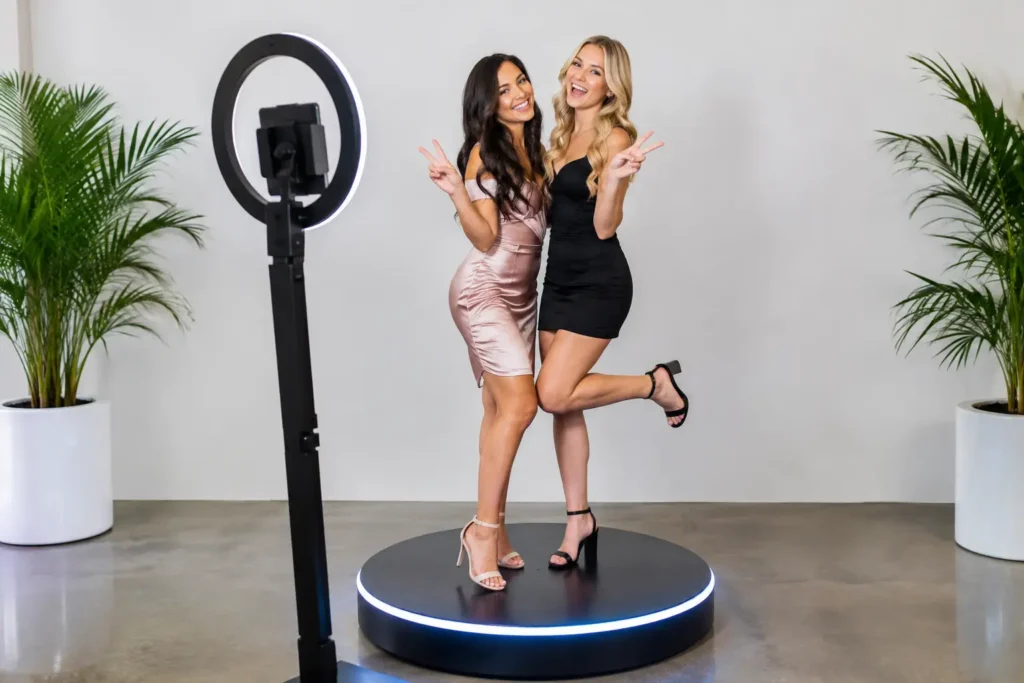
A 360-degree photo booth is built for movement and high energy. Guests step onto a platform while a camera rotates around them, creating a dramatic video moment with music, effects, and branded or personalized overlays. It works beautifully when there is enough room for a visible activation and when the crowd is excited to perform for the camera. For a smaller, more intimate reception, however, a 360 booth may be more than the room needs. It is about fit, not flash.

Match the Booth to the Venue and Guest Count

Venue logistics matter. A booth needs enough space for guests to line up comfortably, pose without blocking traffic, and enjoy the experience without interfering with dinner service or access to the dance floor. It also needs appropriate power, setup time, and a location that is visible but not in the way.

Guest count affects the decision as well. A booth at a 75-person celebration can be intimate and relaxed. At a 250-person wedding, speed, staffing, and placement become much more important. The goal is not just to have a booth in the room. The goal is to make sure guests can actually use it without spending the night in a line.

Personalization Makes It Feel Like Your Event

The difference between a generic rental and a memorable experience often comes down to details. A custom overlay can feature names, a wedding date, a color palette, or a design that mirrors the invitation suite. A coordinated backdrop can match your reception decor. Even the screen messaging can welcome guests in a way that feels personal.

For multicultural and bilingual celebrations, personalization can go even further. Spanish-language instructions, bilingual overlays, and an attendant who can comfortably engage guests in both languages make the experience more welcoming. When every guest understands how to participate, the booth becomes part of the celebration instead of something only a few people use.

Why One Entertainment Team Makes a Difference

Booking your DJ, MC, lighting, and photo booth through separate vendors can work, but it creates more moving pieces. Each company may have different arrival times, floor plans, power needs, and expectations for where equipment will go. On a busy event day, those details matter.

Working with one trusted entertainment team gives you more coordination before guests arrive. The team can plan where the booth belongs, how lighting will enhance both the photos and the room, when the MC should invite guests to participate, and how the booth fits around special dances, Hora Loca, or other key moments. Instead of several vendors trying to adjust on the fly, you have one event-focused plan.

For Northern New Jersey weddings and private events, that local experience is especially helpful. Ballroom layouts, timing restrictions, load-in procedures, and tight setup windows can all affect how smoothly the night begins. Electrified DJ Services approaches the booth as part of the full guest experience, not as a piece of equipment dropped into a corner.

Preguntas que conviene plantearse antes de reservar

Before choosing a photo booth provider, ask what is included in the rental and who will manage it during the event. An attractive booth is only one part of the service. You should know whether an attendant is included, how long the booth will be available, what digital delivery options guests receive, and whether the design can be customized for your event.

Ask about setup requirements and backup planning, too. Professional service means arriving with enough time to test equipment, confirm the booth is properly lit, and make adjustments before guests enter the room. It also means having a team that can troubleshoot quietly if a printer, connection, or camera needs attention.

Finally, ask how the booth will work with the rest of your entertainment. A provider who understands event flow can recommend the best start time, placement, and format for your crowd. That conversation is often what turns a nice extra into one of the most talked-about parts of the night.

A photo booth should leave your guests with more than a file on their phone. It should give them a reason to laugh together, step into the spotlight, and carry a piece of your celebration home. Check availability early, then choose a team that knows how to make that moment feel effortless.

A multicultural wedding can change energy in seconds: grandparents recognize the first notes of a traditional song, cousins rush toward the dance floor, and friends who have never heard it before join in anyway. That is the standard a great celebration should meet. This multicultural wedding music guide is built for couples who want more than a playlist. You need a professional DJ and MC team that understands the meaning behind the music, manages the room with confidence, and gives every side of the family a reason to celebrate.

Why Multicultural Wedding Music Needs a Real Plan

Mixing music from different cultures is not about playing one set of songs early and another set late. That approach can make guests feel separated rather than included. The best weddings create moments where traditions are honored fully, then connect those moments to the next part of the party with the right pacing, announcements, and transitions.

A professional wedding DJ starts by learning who will be in the room. Maybe one family wants a formal entrance and traditional parent dances, while the other is ready for salsa, merengue, reggaeton, bhangra, Afrobeats, Greek dancing, Arabic dabke, or a Hora Loca-style burst of energy. There is room for all of it. The key is deciding which traditions deserve their own spotlight and which sounds can blend naturally into a high-energy open dance floor.

This is where experience matters. A DJ can read whether guests need a familiar sing-along, a rhythmic transition, or a well-timed slow song before bringing the tempo back up. Your music should feel like one great party, not a series of disconnected requests.

Start With the Moments That Carry Meaning

Before choosing dance floor favorites, identify the wedding moments that are emotionally non-negotiable. These are often the traditions family members will remember long after the reception ends: a cultural processional song, a blessing, a money dance, a special anniversary dance, a parent dance, or a family-led circle dance.

Give your entertainment team the context, not just a song title. Tell them who should be invited to the floor, whether the moment needs an introduction in English or Spanish, and whether the song must be played in full. A meaningful three-minute tradition should never be cut short because the DJ did not know what it represented.

It also helps to clarify the level of participation you want. Some couples want a full traditional set with clear MC direction. Others prefer a short tribute woven into a modern reception. Neither option is more authentic than the other. It depends on your families, your venue timeline, and the atmosphere you want to create.

The DJ and MC Should Work as One Team

Music alone cannot guide a room through unfamiliar traditions. Guests may need a warm invitation, simple instructions, or a bilingual announcement that lets everyone know what is happening and why it matters. That is especially valuable when families speak different first languages or when one side of the guest list is new to a particular custom.

A confident MC keeps these transitions welcoming without turning them into a lecture. The goal is to make people feel included, not put on the spot. When the announcement, lighting, and music all land together, the room responds faster and the tradition feels as exciting to first-time participants as it does to the family members who grew up with it.

Build a Reception That Moves Between Cultures Naturally

The strongest multicultural wedding music planning happens in sections. Cocktail hour can introduce a broad range of styles at a relaxed volume. Dinner can lean elegant and familiar, leaving space for conversation. Once formalities are complete, the dance floor can move through cultural sets with purpose instead of throwing every genre into random rotation.

For example, a DJ might build from classic wedding anthems into Latin favorites, then use a recognizable crossover record to shift into hip-hop, dance music, or international hits. If the crowd is responding to a particular rhythm, that section can breathe. If another group has been waiting for their moment, the DJ can make that change before energy drops.

Avoid asking for equal time by the minute. A 50/50 split may sound fair on paper, but it is not always the best way to serve the room. One tradition may call for a focused 15-minute set that brings an entire family to the floor. Another may work best through songs placed across the night. Trust your DJ to use your priorities and real-time crowd response to make the balance feel right.

Make Room for Both Family Favorites and Your Sound

Couples sometimes worry that honoring family traditions means giving up the music that feels like them. It does not. Your wedding should include the songs you both love, whether that means throwbacks from your first dates, current club tracks, rock classics, R&B, Latin pop, country, house, or a soundtrack that crosses every category.

The planning conversation should separate must-plays from nice-to-haves. It should also identify a short do-not-play list. Be specific about songs that have personal baggage, artists you want to avoid, or genres that simply do not fit your celebration. A professional DJ uses those guardrails while still having enough freedom to react when your guests show the room where the energy is.

For couples planning a bilingual reception, language should never become a barrier to participation. English and Spanish announcements can be paced naturally throughout the evening, with the right tone for formal introductions, family traditions, and dance floor hype. That attention makes guests feel seen and keeps everyone connected to the timeline.

What to Ask a Multicultural Wedding DJ Before You Book

Not every DJ who says they play “all types of music” is prepared to lead a multicultural wedding. The difference is in the questions they ask before the event and the confidence they bring when the room is full.

Ask how they prepare for cultural traditions they may not perform every weekend. A strong answer includes a planning meeting, research when needed, direct coordination with family members or planners, and a clear run-of-show. Ask whether they can provide bilingual MC support if your reception needs it. Ask how they handle song versions, pronunciations, and cues for important dances.

You should also ask who is actually performing at your wedding. The person selling the package should be able to explain the DJ and MC setup, sound coverage for your venue, backup approach, and how they coordinate with photographers, videographers, caterers, and venue staff. Great entertainment is partly about music and partly about making sure every important moment happens on time.

For larger receptions, lighting can help signal each shift in energy. Warm, elegant lighting supports dinner and formal dances. Dynamic lighting can transform the room when the party opens up. Photo booths, photography, videography, and live social media coverage can also work together when one entertainment team understands the timeline and the moments that matter most.

Give Your DJ the Details That Help Them Deliver

The best results come from a real planning process, not a last-minute text with a playlist. Share the names and relationships of people involved in key dances, any pronunciation notes, the order of cultural moments, and whether there are songs that must be played in their original version. If a family member will lead a traditional dance, let the DJ know who they are and when they should be invited up.

Be honest about the crowd, too. A room full of guests who love to dance needs a different approach than a reception where many older relatives will leave after cake. A skilled DJ uses that information to place the biggest shared moments at the right time and keep the dance floor active while all generations are still present.

At Electrified DJ Services, we see the best multicultural weddings as a collaboration: your history, your families, your favorite music, and a team that knows how to turn all of it into a packed dance floor. Choose entertainment that respects every tradition while giving your guests one unforgettable reason to celebrate together.

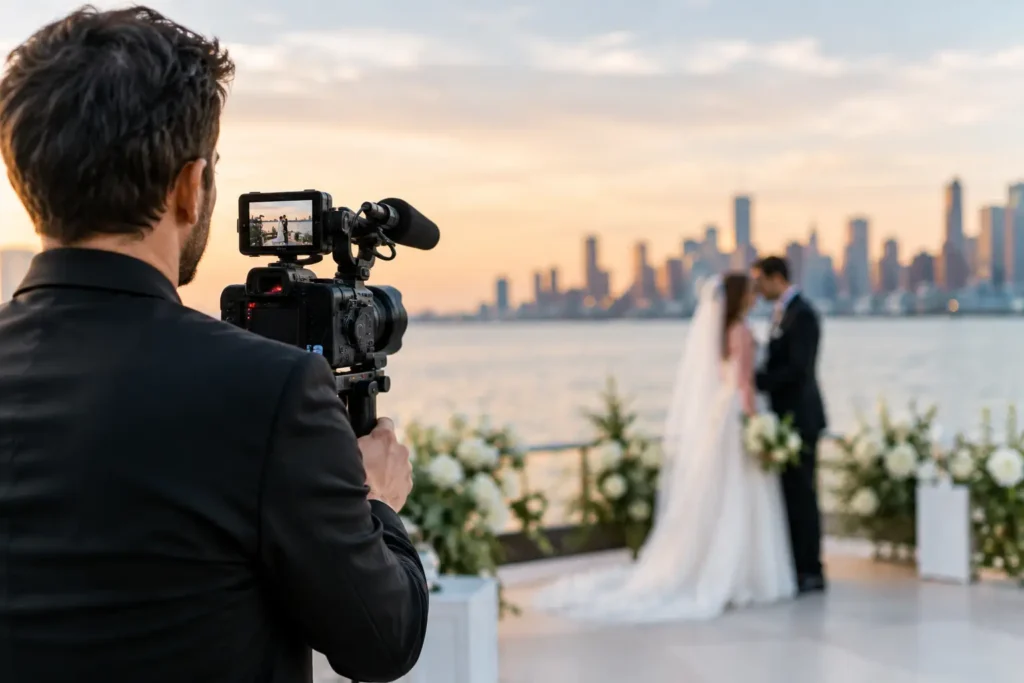
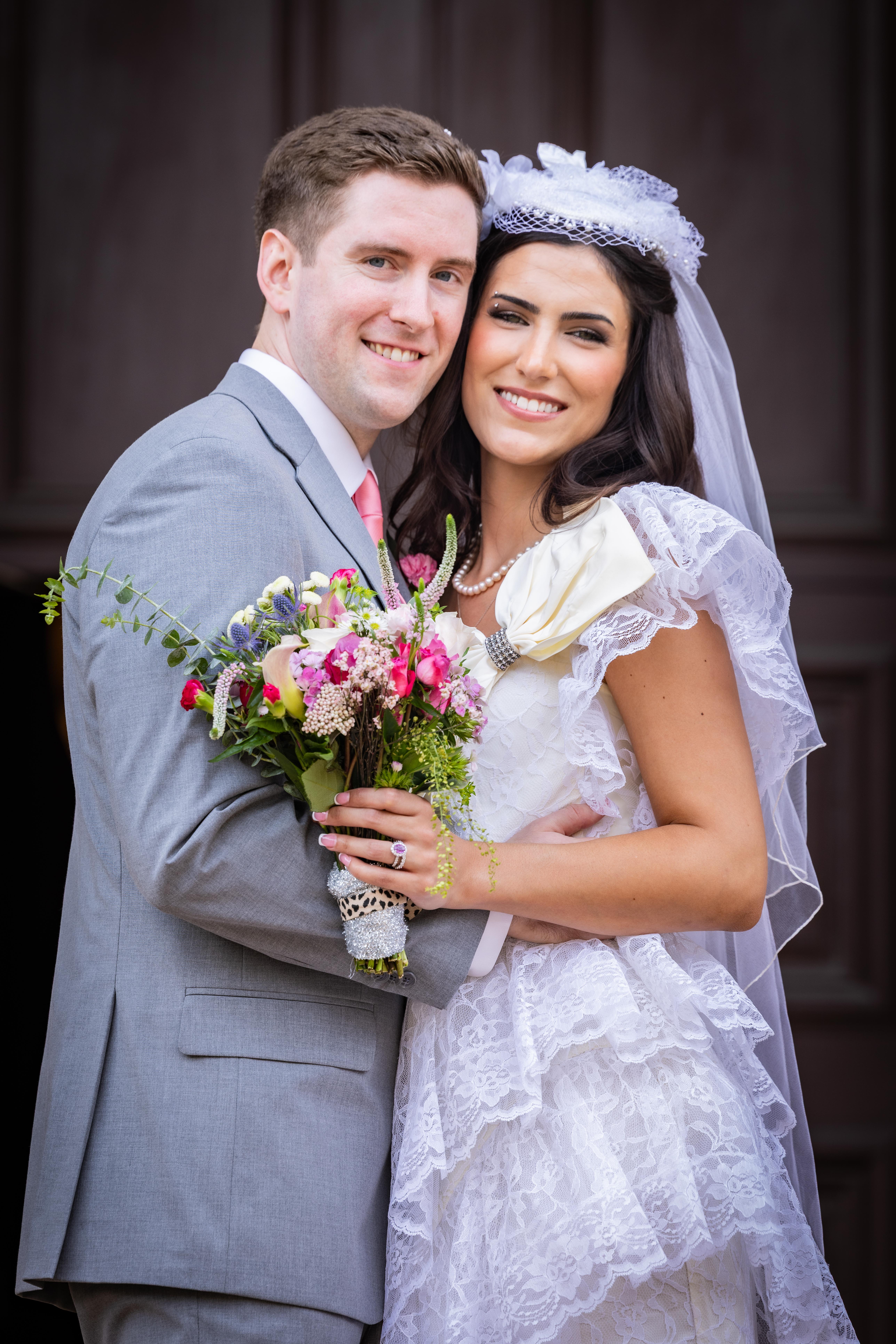
The best wedding memories are not created after the music stops. They happen in the room: your grandparents joining the dance floor, your wedding party’s entrance, the cheers during a surprise Hora Loca, and the quiet glance you share before dinner. This event media package guide explains how to choose DJ entertainment, photography, videography, lighting, and photo booth services that work together to capture those moments without turning your wedding into a production set.

For couples planning in Northern New Jersey, one connected entertainment and media team can mean fewer emails, fewer timeline gaps, and a better experience for guests. The goal is not to book every available add-on. It is to build coverage that fits your venue, guest count, schedule, and the kind of celebration you want people talking about long after the last song.

What an Event Media Package Should Actually Do

A media package should support the energy of the event, not compete with it. Your DJ and MC set the pace, photographers preserve the big expressions, videographers capture movement and sound, lighting shapes the room, and photo booths give guests something fun to do between key moments. When those services are coordinated, the result feels natural because each team member knows what is coming next.

That coordination matters most during fast-moving parts of a wedding. Introductions, first dances, toasts, cake cutting, parent dances, and open dancing all require timing. A photographer needs to be in position before an entrance begins. A videographer needs clean audio for a toast. The DJ needs to know when the room is ready for the next moment. A team that works from one shared plan can keep the night moving while protecting the moments you hired them to capture.

There is also a practical benefit: one point of contact. Instead of separately managing music, lighting, booth delivery, and media coverage, you can make decisions with a team that understands how every piece affects the guest experience.

Event Media Package Guide: Start With Your Priorities

Before comparing packages, decide which memories matter most to you. Every couple values something different. Some want a packed dance floor from the first open-dance song to the final send-off. Others care most about cinematic video, large family portraits, or creating a high-energy cultural celebration that reflects both families.

Think about the moments you want to relive and the moments you want guests to participate in. Photography is essential when still images are your priority. Videography is especially valuable if vows, speeches, music, and movement are part of the memory you do not want to lose. A photo booth is guest-driven entertainment and a keepsake at the same time. Lighting may be the right upgrade if your venue is beautiful but visually flat, or if you want the dance floor to feel like a true party after dinner.

Your DJ should be at the center of that conversation. Music affects the entire timeline, from cocktail hour through the final dance. An experienced DJ and MC can read the room, adjust the energy, make announcements with confidence, and keep transitions from feeling rushed or awkward. If you are planning bilingual announcements, Spanish-language music, or Hora Loca, choose a team that treats those elements as part of the event experience, not as an afterthought.

Build Around the Core Services

For most weddings, professional DJ and MC entertainment is the foundation. The right DJ does more than play a playlist. They guide the flow of the reception, work with your planner and venue, react to the crowd, and balance your must-play favorites with the songs that keep your specific guests moving. A polished MC gives important moments the attention they deserve without making the night feel over-scripted.

Photography is the next core service for many couples. Ask what style of coverage is included, how many photographers will be present, and whether the package accounts for getting-ready photos, ceremony coverage, portraits, reception details, and dancing. A single photographer may be a strong fit for an intimate event with a simple timeline. For a larger wedding, a second photographer can cover separate locations, cocktail hour, and candid guest reactions more completely.

Videography is a different investment from photography, not a duplicate. Photos freeze the emotion. Video lets you hear the laugh in a toast, the words in your vows, and the room erupt when your favorite song drops. If video is a priority, ask about ceremony and speech audio, the final film length, the number of cameras, and how the videography team coordinates around your photographer and DJ.

The best package is not always the biggest one. A smaller guest list at a restaurant venue may need excellent DJ entertainment, photography, and subtle uplighting more than a large booth setup. A ballroom wedding with 200 guests may benefit from additional media coverage, dance-floor lighting, and a photo booth that keeps guests engaged during transitions.

Choose Enhancements That Change the Room

Lighting is one of the most noticeable upgrades because it changes how the room looks and how it feels. Uplighting can bring your wedding colors into a ballroom, highlight architectural details, and improve the look of reception photos. Intelligent dance-floor lighting brings movement and excitement once the formal events are complete. The right design should enhance the venue and your décor, not wash out the room or distract from the people in it.

Photo booths create a second entertainment zone, especially for guests who may not spend the whole night dancing. Digital booths make sharing easy, while a 360-degree photo booth delivers high-energy clips that feel made for social media. The trade-off is space. A 360 booth needs a clear footprint and room for guests to gather safely, so it is worth discussing your floor plan before adding one.

Live social media streaming can also be meaningful for families with loved ones who cannot attend in person. It works best when planned intentionally, with a stable connection, clear camera placement, and an operator who understands when to focus on the ceremony, speeches, and dance-floor energy. It should never interfere with guest sightlines or the work of your photo and video team.

Preguntas que debes hacerte antes de reservar

A package may look impressive on paper but still leave important details unanswered. Ask whether the DJ, photographer, videographer, and booth attendants have worked together before. Ask who manages the event timeline, how setup and breakdown fit around venue access, and what backup equipment or contingency plans are in place.

You should also understand what is customizable. Can the DJ accommodate do-not-play requests and family traditions? Can the lighting color change throughout the evening? Will your photo booth include an attendant, custom overlay, and digital gallery? Does video include clear audio for vows and toasts? Specific answers are a good sign that the team has thought through live-event logistics.

Most importantly, ask how the company will personalize the experience. Your wedding should not feel like the same playlist, same lighting look, and same run of announcements used at every event. A strong entertainment partner learns your style, reads your guests, and delivers the right energy at the right time.

One Team, One Plan, More Time to Celebrate

Bundling media and entertainment services can be a smart choice, but only when the quality is there across each service. Convenience should not mean accepting generic coverage or a DJ who is simply filling time. Look for a team that can show confidence in both the creative side of your celebration and the behind-the-scenes coordination that keeps it on track.

Electrified DJ Services brings those pieces together for weddings and celebrations across Northern New Jersey, with DJ and MC talent, immersive lighting, photography, videography, photo booths, social streaming, and bilingual entertainment options. The benefit is not just fewer vendors. It is a team focused on the same outcome: a room full of engaged guests and memories you will be excited to revisit.

Choose the services that reflect how you want the night to feel, then give your entertainment and media team a clear picture of what matters most. When the music, timeline, visuals, and guest interaction are working from the same plan, you get to spend less time managing vendors and more time living your celebration.

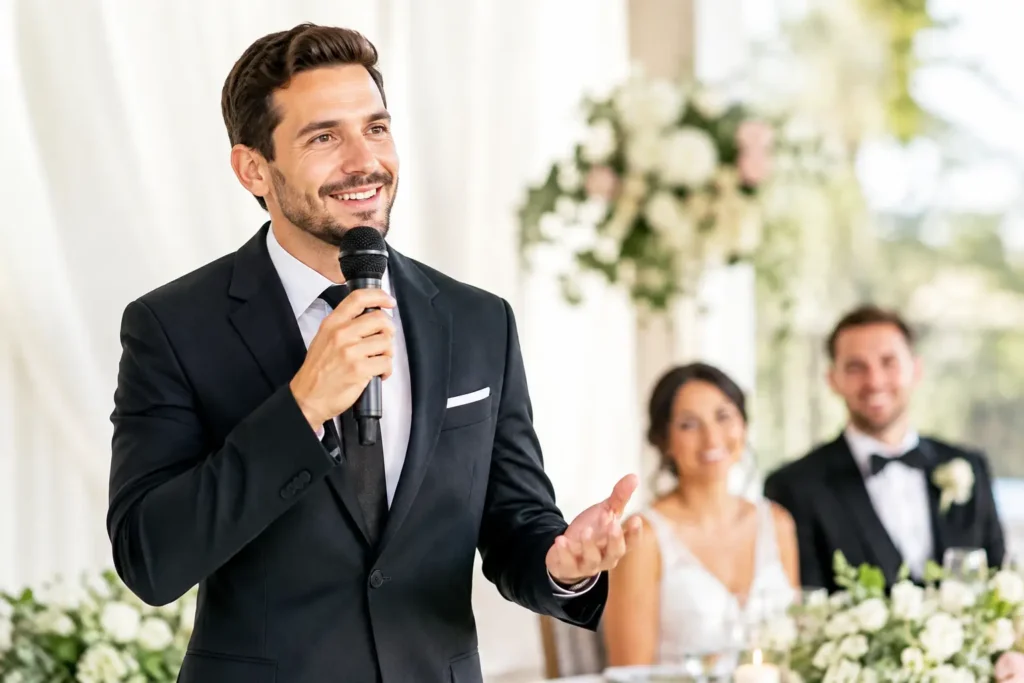
Your wedding reception can have a beautiful room, great food, and a carefully chosen playlist, yet still feel disjointed if no one is confidently guiding the energy. Learning how to hire wedding MC talent is about more than finding someone with a microphone. You are choosing the professional who introduces your biggest moments, keeps guests informed, works with your vendors, and helps turn a schedule into a celebration.

For Northern New Jersey couples, that role matters even more when the room includes multiple generations, different cultural traditions, or guests who expect a full dance floor from the first open dance to the last song. The right MC brings presence without making the night all about them.

Start With the MC’s Real Job at Your Reception

A wedding MC is the voice and pace of the reception. They welcome guests, announce entrances, introduce toasts, cue special dances, coordinate key transitions, and keep the celebration moving when timing shifts. A skilled MC also knows when not to speak. Constant announcements can flatten the energy in a room just as quickly as awkward silence.

The best wedding MCs work as part of the entertainment team, not as a separate personality dropped into your event. They communicate with the DJ, photographer, videographer, venue coordinator, caterer, and planner so that a grand entrance does not begin while dinner plates are still being cleared or while your photographer is across the room.

Ask each company how it divides responsibilities between the DJ and MC. Some DJs are also excellent MCs, while other teams assign distinct roles so one professional can focus on music and mixing while another handles guest interaction and event flow. Neither setup is automatically better. What matters is whether the team has a clear system and experience executing it.

How to Hire Wedding MC Professionals Who Fit Your Style

Before comparing packages, decide how you want the room to feel. Do you picture polished and understated announcements? A high-energy party leader who gets guests cheering for every entrance? A bilingual host who can comfortably communicate in English and Spanish? Your answer should shape the conversation from the first call.

Be specific about the level of interaction you want. There is a major difference between an MC who makes concise, elegant announcements and one who leads crowd chants, dance-floor callouts, and high-energy participation. Both can be great choices, but a mismatch will be noticeable all night.

A strong candidate should ask questions about you, not simply promise that they can entertain any crowd. They should want to know your wedding party size, family traditions, cultural elements, preferred music, must-play moments, names and pronunciations, and the kind of guests you are inviting. That planning is what makes an MC feel personal rather than scripted.

Listen for Confidence, Not Just Volume

An MC does not need the loudest voice in the room. They need a clear, controlled delivery and the judgment to use it well. During a consultation, listen to how they speak. Are they organized? Do they sound comfortable in conversation? Can they explain how they handle a delayed dinner, a missing wedding party member, or a room that needs a quick energy lift?

Ask to see or hear examples from real weddings. Short clips can be useful, but do not judge solely by a highlight reel filled with cheering guests. Look for clean introductions, accurate names, natural pacing, and an MC who appears connected to the couple and the audience. A polished entrance is impressive. A professional who keeps the entire evening on track is more valuable.

Ask About Cultural and Bilingual Experience

New Jersey weddings often bring together families with different backgrounds, languages, and traditions. If bilingual hosting is important, ask whether the MC can lead announcements naturally in both languages, not just translate a few lines from a script. This affects guest comfort, timing, and participation.

The same goes for traditions such as Hora Loca, specialty dances, formal family introductions, or a reception that shifts between elegant dinner music and a high-energy Latin set. You need an entertainment team that understands the timing and the atmosphere these moments require. Experience is especially important because these traditions should feel celebratory and authentic, never treated as a novelty.

Questions That Reveal Whether an MC Is Prepared

Price matters, but the lowest quote rarely tells you how well a professional will manage the moments that cannot be repeated. Use your consultation to understand the company’s process, backup plan, and communication style. The following questions are worth asking because the answers reveal what happens behind the scenes:

  • Who will be my MC, and will I meet that person before the wedding?
  • How do you build and manage the reception timeline with the DJ, venue, and other vendors?
  • What happens if the assigned MC has an emergency?
  • Do you provide professional wireless microphones for toasts and ceremony audio if needed?
  • How do you handle name pronunciations, special requests, and last-minute timeline changes?
  • Can you host in Spanish or support bilingual announcements?
  • How do you keep the reception moving without interrupting the dance floor too often?

Pay attention to whether answers are clear and specific. A seasoned company will explain its process without hesitation. Vague promises such as “we’ll figure it out that day” are a warning sign when you are trusting someone with formal introductions, family traditions, and your reception timeline.

Choose Chemistry and Professionalism Together

Your MC will interact with your guests, wedding party, parents, and vendors. That is why personality matters. You should feel comfortable with them, but do not confuse a fun consultation with professional readiness. The right MC can be warm, energetic, and easy to talk to while still being detail-oriented about logistics.

Look for someone who can read a room. A room full of grandparents during dinner needs a different approach than a packed dance floor at midnight. Great MCs recognize when guests need direction, when a couple needs a quiet minute, and when it is time to let the DJ keep the music doing the work.

Reviews can help here, especially when they mention specifics. Comments about smooth transitions, organized timelines, responsive communication, packed dance floors, or an MC who handled a surprise calmly tell you more than a general statement that the company was “awesome.” Look for a pattern across reviews, photos, and videos rather than relying on one enthusiastic testimonial.

Understand What You Are Actually Booking

When you hire an MC through a full-service wedding entertainment company, you are often booking more than a person on a microphone. You may be getting coordinated DJ entertainment, sound equipment, reception planning, lighting, photo booth service, photography, videography, or live social media coverage through one accountable team.

That convenience can reduce stress because the professionals managing your music and announcements are already aligned with the people creating the visual atmosphere and capturing your memories. Still, ask what is included in writing. Confirm event hours, setup time, microphone needs, staffing, overtime policies, backup equipment, and whether your MC remains on site through the final formal event.

A package is a good fit when it solves real coordination needs, not when it adds services you do not value. If your priorities are a confident MC, a bilingual presentation, and a DJ who can keep every generation dancing, choose the team that is strongest in those areas first. Enhancements should support the experience, not distract from it.

Avoid These Wedding MC Hiring Mistakes

The biggest mistake is booking based only on availability or a quick price comparison. Your MC has a direct effect on guest experience, vendor coordination, and the pace of the night. Saving a small amount upfront is not helpful if you end up with missed cues, confusing announcements, or a dance floor that loses momentum.

Another common issue is assuming every DJ is automatically the right MC for your wedding. DJ skills and MC skills overlap, but they are not identical. Ask how the person balances music selection, mixing, crowd reading, and hosting. If one professional is doing both, make sure they have a demonstrated process for handling both roles well.

Finally, do not wait until the week of the wedding to share your details. Your entertainment team needs time to prepare pronunciations, entrance order, song cues, special traditions, and the exact tone you want for the reception. The more complete the collaboration, the more relaxed you can be when the doors open.

The right wedding MC makes guests feel welcomed, keeps your important moments polished, and knows exactly when to step back so the celebration belongs to you. If you want that combination of energy and organization, Electrified DJ Services can help build a reception where every announcement leads naturally to the next unforgettable moment.

Los mejores vídeos de cabinas 360 no se consiguen simplemente porque alguien se suba a una plataforma. Se consiguen cuando la cabina se integra en la energía del local: los invitados ya están de fiesta, la música es la adecuada, la iluminación es fantástica y un asistente profesional sabe cómo mantener el ritmo de la cola. Cuando utilizas un fotomatón de 360º como parte de una experiencia de entretenimiento completa, se crea un recuerdo impactante que tus invitados pueden volver a ver, publicar y comentar mucho después de que termine la última canción.

Ya sea para bodas, cumpleaños especiales, fiestas de los 16, celebraciones corporativas o eventos escolares, una cabina 360 ofrece mucho más que un simple recuerdo fotográfico. Captura el movimiento, la personalidad, los atuendos, los pasos de baile y la emoción de estar juntos. La clave está en elegir un equipo de animación profesional que consiga que todo parezca parte de un plan deliberado, en lugar de un simple complemento aislado en un rincón.

¿Qué ocurre cuando utilizas un fotomatón de 360 grados?

Un fotomatón de 360º utiliza una cámara montada en un brazo giratorio que rodea a los invitados, que se sitúan de pie sobre una plataforma. El resultado es un vídeo a cámara lenta, que suele complementarse con música, superposiciones personalizadas, efectos y la imagen de marca del evento. Los invitados pueden posar, saludar con la mano, bailar, levantar las manos al aire o hacer una entrada espectacular, mientras la cámara captura cada ángulo.

Ese vídeo tan bien editado suele entregarse en formato digital, lo que facilita a los invitados guardarlo y compartirlo. En una boda, puede capturar a las damas de honor celebrando con sus vestidos, a los abuelos posando de forma divertida o a todo un grupo de amigos creando un momento que una foto fija nunca podría mostrar en su totalidad. En un baile de fin de curso o en una fiesta de los «dulces dieciséis», ofrece a los invitados una experiencia al estilo de la alfombra roja que resulta moderna sin restar protagonismo a la celebración principal.

La tecnología es impresionante, pero la experiencia de los visitantes es lo más importante. Un stand de 360 debe resultar acogedor, estar bien organizado y despertar el interés desde el momento en que los visitantes lo ven. Por eso merece la pena dar prioridad a un asistente con experiencia, una disposición clara, una iluminación de calidad y una ubicación bien elegida.

Por qué una cabina 360 profesional cambia la experiencia

El alquiler de un stand profesional no consiste simplemente en la entrega de material en un recinto. Se trata de una actividad gestionada que debe adaptarse a tu calendario, a la distribución del recinto, al número de invitados y al desarrollo general del evento. En los eventos con mucha afluencia, los invitados necesitan orientación: dónde colocarse, cuándo subir al escenario, cuántas personas caben cómodamente y dónde se les enviará el vídeo final.

Un asistente cualificado se encarga de esos detalles mientras anima a la gente a divertirse. Vela por la seguridad de la plataforma, ayuda a los grupos a colocarse rápidamente y se asegura de que la cámara grabe imágenes favorecedoras y llenas de energía. Esa ayuda resulta especialmente valiosa cuando entre los invitados hay desde niños pequeños hasta abuelos, o cuando un grupo numeroso está deseando participar al mismo tiempo.

La iluminación profesional también marca una diferencia visible. Los salones de recepciones y los espacios para eventos pueden parecer preciosos en persona, pero resultar demasiado oscuros para grabar un vídeo nítido. Una configuración de 360º de calidad está diseñada para crear imágenes luminosas y nítidas sin convertir la zona de la cabina en un espacio de producción que distraiga la atención. Los vídeos finales deben parecer un momento destacado del evento, no un clip oscuro grabado en segundo plano.

El lugar que ocupa la cabina en el programa de una boda o un evento

El mejor momento para utilizar un fotomatón de 360º depende del tipo de evento que organices. En la mayoría de las bodas, el fotomatón destaca durante la hora del cóctel, el baile libre o ambos. La hora del cóctel ofrece a los invitados una actividad interactiva con la que disfrutar mientras los recién casados se hacen las fotos formales. Más tarde, cuando la pista de baile está llena y los invitados están totalmente relajados, el fotomatón puede capturar un tipo de energía completamente diferente.

Para una fiesta de cumpleaños, un aniversario o una celebración privada, lo mejor suele ser instalar la cabina después de la entrada principal, la cena o una presentación especial. Es más probable que los invitados participen una vez que se hayan acomodado y se haya creado un ambiente festivo. En el caso de los eventos escolares, se puede organizar el horario en función de los grupos programados, de modo que todos tengan la oportunidad de participar sin que se formen colas demasiado largas.

Hay que tener en cuenta una disyuntiva. Abrir el stand demasiado pronto puede suponer una participación más escasa mientras los invitados aún están llegando. Esperar demasiado puede significar que algunos invitados ya se hayan marchado. Un equipo que también se encargue del entretenimiento con DJ y de la coordinación del maestro de ceremonias puede integrar de forma natural el horario del stand en el programa del evento y, a continuación, anunciar cuándo se espera que la participación sea máxima.

La ubicación es más importante de lo que la mayoría de los anfitriones creen

El stand 360 debe ser lo suficientemente visible como para despertar interés, pero no debe situarse en un lugar que obstaculice la pista de baile, el servicio de cena, el paso de los invitados o el acceso al bar. Es necesario que haya espacio suficiente alrededor de la plataforma para que el brazo giratorio de la cámara pueda moverse, para que los invitados esperen su turno y para que el encargado pueda trabajar con seguridad.

En una celebración de boda, un lugar cerca de la pista de baile puede ser ideal, ya que allí ya se respira un ambiente animado. Los invitados pueden pasar de bailar a grabar un vídeo sin alejarse de la acción. En otros lugares, puede ser más acertado elegir un salón cercano o una zona diáfana si, de lo contrario, la cabina entraría en conflicto con los momentos formales, los discursos o una pista de baile abarrotada.

En este caso, la coordinación del recinto es fundamental. Una empresa de entretenimiento profesional evalúa el espacio disponible, el acceso a la red eléctrica, la altura libre del techo, el flujo de invitados y la sincronización antes de que comience la celebración. Esto garantiza que el stand tenga un aspecto impecable y evita tener que reorganizarlo a última hora, cuando la sala ya está llena.

Haz que los vídeos reflejen el espíritu de tu evento

La personalización es lo que hace que una cabina 360 forme parte de la celebración, en lugar de ser una atracción genérica. En una boda se pueden incluir los nombres de los novios, la fecha, el monograma o la paleta de colores. En un evento corporativo se puede utilizar un diseño con la marca. En una fiesta de los «dulces dieciséis» se puede incluir una temática, un apodo o colores que combinen con la invitación y la decoración.

Los mejores detalles personalizados se aprecian sin que acaparen toda la atención en el vídeo. Los invitados deben seguir siendo los protagonistas. Una superposición gráfica sencilla, una banda sonora adecuada y un telón de fondo o un escenario visual que combine con la sala pueden hacer que cada clip se integre perfectamente en la ocasión.

La música también es importante. Dado que los vídeos 360 se basan en el movimiento, una canción o un fragmento de audio adecuados cambian por completo la atmósfera. Una canción llena de energía crea un vídeo ideal para una fiesta; una selección romántica puede encajar con los invitados a una boda; una canción bilingüe o con significado cultural puede hacer que el momento resulte más personal en una celebración familiar multicultural. Estas elecciones deben reflejar a las personas que están presentes, y no solo la tendencia que esté de moda en Internet.

Combinación de una cabina 360 con servicios de DJ y maestro de ceremonias

Una cabina 360 funciona mejor cuando potencia la energía del evento en lugar de competir con ella. Esa es una de las razones más importantes para contratarla a través del mismo equipo que se encarga del DJ, el maestro de ceremonias, la iluminación y el desarrollo del evento. El equipo de animación sabe cuándo generar expectación, cuándo dirigir a los invitados hacia la cabina y cuándo mantener el foco en un momento formal clave.

Por ejemplo, un maestro de ceremonias puede invitar a los invitados a grabar un vídeo en grupo tras un baile especial o animar a los miembros del cortejo nupcial a grabar un vídeo antes de que se abra la pista de baile. El DJ puede encargarse de que la música no pare, mientras que la cabina aporta un toque adicional para involucrar a los invitados. La iluminación también puede ayudar a que la zona de la cabina encaje de forma armoniosa en el diseño general de la sala.

Este enfoque reduce el estrés que supone la organización. En lugar de tener que explicar tu visión por separado al DJ, al proveedor del fotomatón, al encargado de la iluminación y al coordinador del lugar de celebración, cuentas con un único equipo que se encarga de que todos los elementos encajen a la perfección. Para las parejas y los anfitriones del norte de Nueva Jersey que tienen que hacer malabarismos con lugares de celebración muy concurridos, plazos ajustados y las expectativas de los invitados, esa coordinación puede hacer que la velada resulte mucho más sencilla.

¿Es un fotomatón de 360º la opción adecuada para tu lista de invitados?

Un stand 360 es ideal para los anfitriones que quieren que los invitados participen, y no solo observen. Resulta especialmente eficaz para celebraciones con una pista de baile animada, un público sociable, una temática significativa o invitados a los que les gusta compartir vídeos cortos. También puede ser una forma estupenda de reunir a diferentes grupos de edad, ya que la actividad es sencilla: subir al escenario, divertirse y dejar que la cámara haga su trabajo.

Puede que no sea tan imprescindible en un evento muy íntimo con un ambiente tranquilo y formal, o en una recepción con una duración muy limitada. En esos casos, un fotomatón digital o una sesión fotográfica específica podrían adaptarse mejor al evento. La elección adecuada depende del espacio, de la lista de invitados y del tipo de recuerdos que quieras que la gente se lleve a casa.

Un fotomatón de 360º da lo mejor de sí mismo cuando capta la celebración que ya está teniendo lugar a su alrededor. Ofrece a tus invitados buena música, un desarrollo fluido y un equipo que sepa cómo crear un momento especial, y cada giro se convertirá en un motivo más por el que recordarán tu evento.