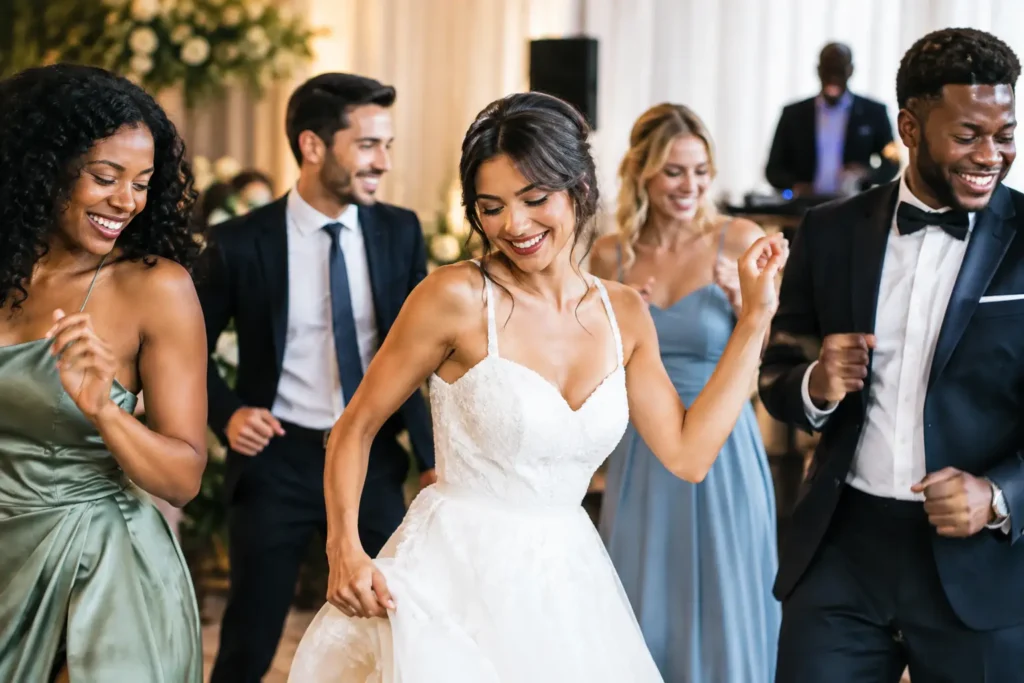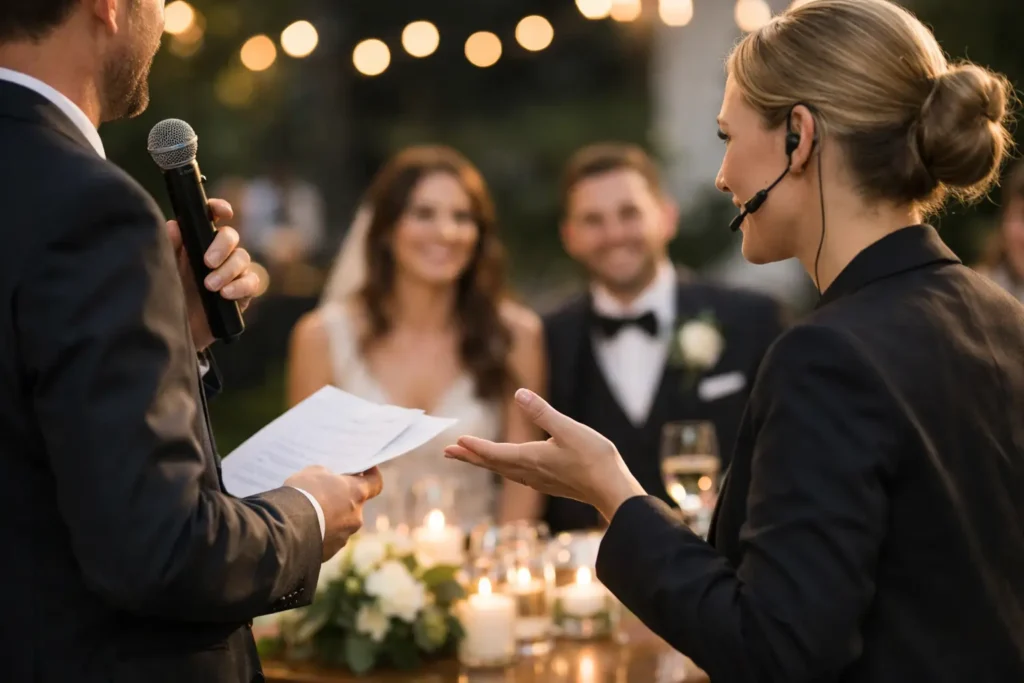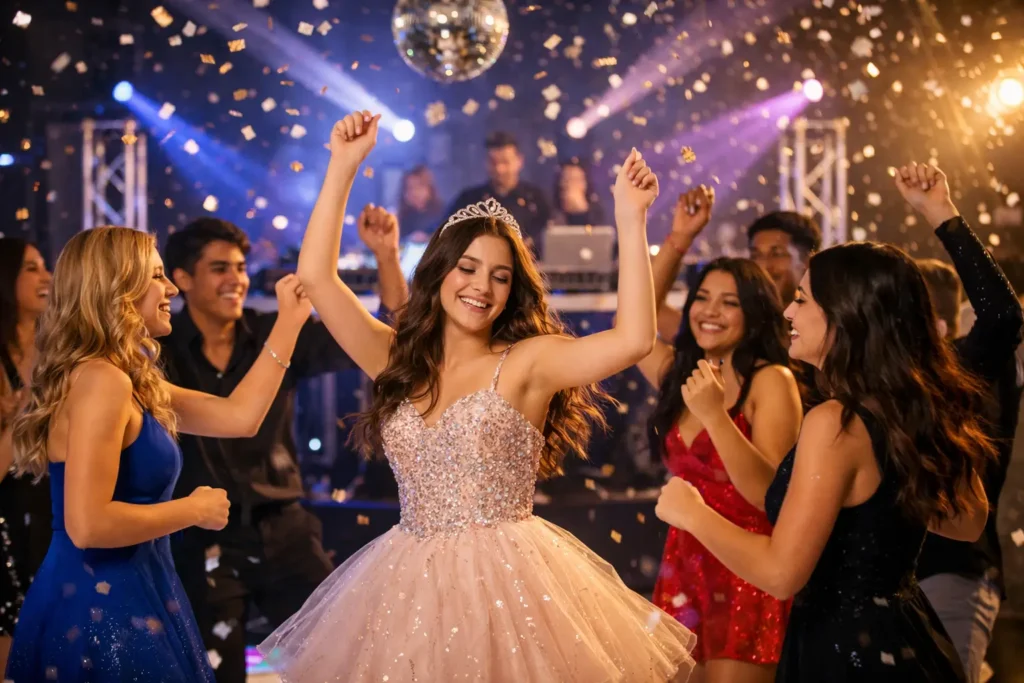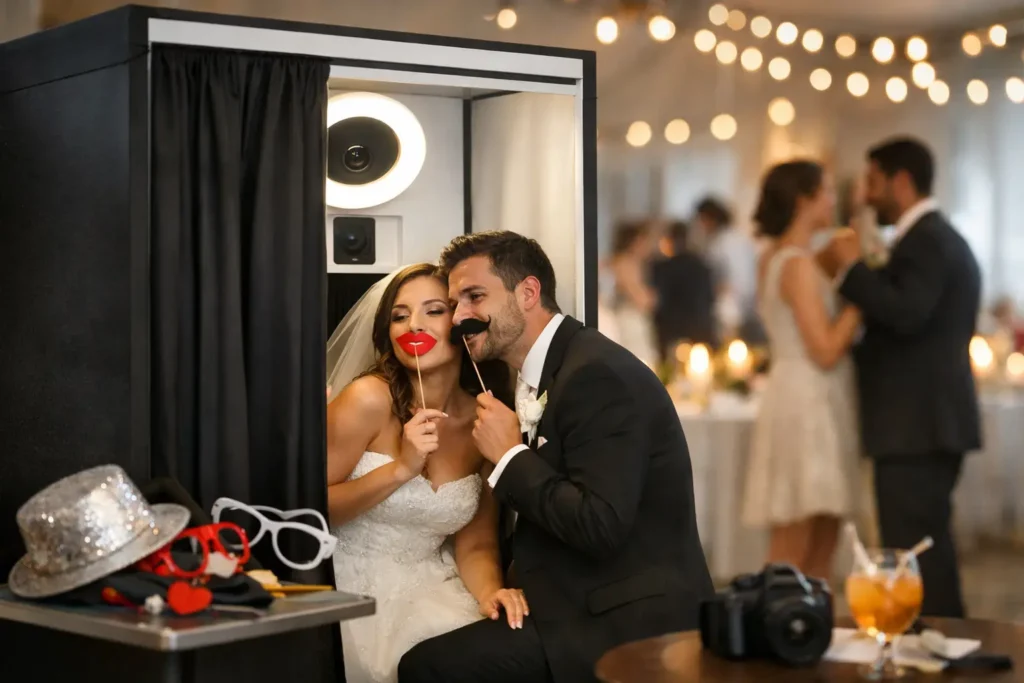
The best receptions do not feel like someone is checking boxes on a clipboard. Guests feel welcomed, fed, entertained, and pulled toward the dance floor before they have time to wonder what happens next. That is the real purpose of a guide to wedding reception flow: creating a celebration with momentum, personality, and enough breathing room for everyone to enjoy it.

A great timeline is not about cramming in every tradition. It is about choosing the moments that matter to you, then giving each one the right energy. Your DJ and MC should help set that pace, read the room, and make transitions feel natural rather than overly formal.

Start With the Guest Experience

Before setting times for entrances, toasts, and dances, picture the reception from your guests’ point of view. They arrive after your ceremony, find a drink, greet friends, and look for a sense of what kind of night this will be. Cocktail hour is where anticipation builds, so it should have its own mood rather than feeling like a waiting period.

Use this time for music that fits your style, whether that means soulful classics, Latin favorites, modern lounge tracks, or upbeat feel-good music. If you are adding a photo booth, live social sharing, or a signature lighting look, cocktail hour is a smart time to put it to work. Guests are mingling, outfits are still fresh, and there is no competition with dinner or dancing.

The transition into the reception room matters as much. Dramatic uplighting, a well-timed announcement, and an entrance song with real impact tell guests that the party has officially begun.

Build a Reception Timeline Around Energy

There is no one correct order for every wedding. A Sunday brunch reception, a black-tie ballroom celebration, and a high-energy multicultural wedding should not follow the same script. Still, most successful receptions move through a dependable energy arc: welcome guests, create a big moment, give them time to eat and connect, then build toward an active dance floor.

Here is a practical example for a five-hour reception:

  • Grand entrance and welcome: 10-15 minutes
  • First dance and parent dances: 10-15 minutes
  • Dinner service and toasts: 60-90 minutes
  • Open dancing with cake cutting or other formalities: 90-120 minutes
  • Final dance and send-off: 10-15 minutes

Treat those numbers as a starting point, not a rule. If your family has several meaningful speakers, plan for that. If your crowd is ready to party early, do not make them wait until the final hour for open dancing.

The Grand Entrance Sets the Temperature

A grand entrance does not need a complicated routine to be memorable. It needs confidence, a song that feels like you, and an MC who can bring excitement without making the moment feel forced. Some couples want each wedding party pair introduced with individual songs. Others prefer to bring everyone in at once, then enter together for a faster, cleaner start.

Think about your room size and wedding party. A large group in a packed venue may benefit from a shorter entrance. If you have a small wedding party and love a big, celebratory reveal, give it more room. The goal is a strong opening, not an entrance that runs so long guests are already sitting back down before you arrive.

First Dance Before or After Dinner?

Many couples go directly from their entrance into the first dance, followed by parent dances. It creates a polished opening and lets the photographer and videographer capture those moments while the room is fully focused. It also clears the way for a more relaxed dinner.

Another option is to wait until after dinner, especially if you want a quieter, more intimate first dance. The trade-off is that guests may be more spread out or distracted by conversation. There is no wrong choice. Choose the timing that matches the feeling you want, then make sure your entertainment team has the cue points, song edits, and lighting ready.

Keep Dinner Moving Without Killing the Mood

Dinner is where reception flow often loses steam. Long gaps, too many announcements, or a delayed meal can make guests restless. That does not mean dinner has to be rushed. It means the room needs a plan.

If you are serving a plated meal, toast timing can help fill natural pauses between courses. For buffet or stations, it may make more sense to let tables eat before starting speeches so guests are not walking around during an emotional toast. Coordinate this with your venue and caterer early. Your DJ can manage the microphone and music, but meal service timing affects the entire room.

Keep speeches meaningful and focused. Two to four speakers is often plenty, and asking each person to aim for two to three minutes is completely reasonable. A heartfelt toast lands harder when it does not become a 15-minute story with three inside jokes no one else understands.

Background music should stay present during dinner, not disappear. It gives the room warmth, supports conversation, and lets your DJ begin reading the crowd. If guests start singing along from their seats, that is useful information for the dance set ahead.

Open the Dance Floor With Intention

The dance floor does not magically fill because the formalities are over. It needs an invitation. A strong DJ builds the opening set around songs your crowd will recognize and respond to, then adjusts based on what is happening in real time.

One effective approach is inviting guests onto the floor for a high-energy group song immediately after a key moment, such as the cake cutting or a final parent dance. Another is asking your wedding party and closest friends to be ready for the first few songs. A packed floor early creates permission for everyone else to join.

Avoid scheduling every tradition back-to-back right when dancing begins. If you want a bouquet toss, anniversary dance, hora, or a surprise performance, space those moments through the night. Each can refresh the room and bring a new group of guests into the action.

For couples planning a bilingual or multicultural celebration, flow is especially important. Spanish-language announcements, Latin music sets, a Hora Loca, or cultural traditions should feel integrated into the party rather than tacked on as a separate segment. Share the priorities with your DJ in advance: which songs are non-negotiable, which relatives need to be recognized, and when you want the biggest burst of energy. A well-planned Hora Loca, for example, can be the perfect late-night lift when the crowd needs a second wind.

Protect Time for Photos, People, and Surprises

A reception timeline should leave room for the moments you cannot schedule precisely. Your grandmother may pull you aside for a photo. Your college friends may organize a surprise. You may want ten quiet minutes together to take in the room you worked so hard to create.

Plan sunset portraits with your photographer if the timing allows, but tell your DJ and catering team so they know when you will step away. You do not want your biggest dance-floor moment, cake cutting, or toast happening while you are outside.

Also consider when your photo booth will be most active. It may get plenty of use during cocktail hour and open dancing, but it can become a major attraction if placed where guests can access it without leaving the party entirely. Entertainment, lighting, photography, videography, and guest experiences work best when they are planned as one event story, not separate vendor checklists.

A Better Guide to Wedding Reception Flow Starts With Priorities

When planning your guide to wedding reception flow, make three decisions early: which traditions are essential, what atmosphere you want at the beginning and end of the night, and who has final authority on timing. Usually, that last person is your planner, venue coordinator, or MC. Everyone should know who is calling the next cue.

Give your DJ a detailed planning form, but leave room for professional judgment. A playlist tells us what you love. A packed dance floor comes from knowing when to play it, what to mix next, and when the room needs a change of pace. At Electrified DJ Services, that combination of preparation and crowd reading is what turns a schedule into a celebration.

Your wedding reception does not need more formalities to feel unforgettable. It needs the right moments, the right music, and enough space for your favorite people to be fully present. Build the night around that feeling, and the timeline will serve the party instead of running it.

A packed dance floor rarely starts with one magic song. It starts with a DJ who knows what songs fill dance floors for the people actually in the room – your college friends, your parents, your coworkers, the cousins who came ready to party, and the guests who need one familiar chorus before they step out.

For weddings and private events, the best music is never just a copied playlist of popular songs. It is a well-timed mix of recognizable favorites, meaningful requests, cultural moments, and high-energy transitions that give guests a reason to stay on the floor. The goal is not to play every hit. The goal is to create the feeling that nobody wants to miss what happens next.

What Songs Fill Dance Floors? Songs Guests Know

The songs most likely to bring guests together have one thing in common: people recognize them quickly. A long instrumental intro can work later in the night for a committed crowd, but early dance-floor songs need to make their point fast. When guests hear a beat, lyric, or hook they know within seconds, hesitation turns into movement.

That is why sing-alongs remain such a powerful tool. Tracks like September, I Wanna Dance with Somebody, Yeah!, Mr. Brightside, Don’t Stop Believin’, and Dancing Queen can unite different age groups because they give everyone something to do. Guests do not have to be great dancers when they can clap, sing, point at a friend, or shout the chorus together.

Current music matters too, especially when the room includes younger guests, but it works best when it is balanced with songs that have already proven themselves across generations. A wedding dance floor can lose momentum when the playlist becomes too narrowly focused on one decade, genre, or friend group. The strongest sets create common ground.

A Great Dance Floor Is Built, Not Pressed Play

Music selection matters, but song order matters just as much. A DJ can play two excellent songs back-to-back and still empty the floor if the energy shift is too abrupt. Think of the dance floor as a conversation. Guests need a reason to join, a reason to stay, and occasional breathing room before the next big moment.

Early in the reception, a smart DJ often uses upbeat, approachable songs that pull people in without demanding full nightclub energy. Motown, disco, pop classics, and feel-good party tracks work well here. Once the floor has a foundation, the music can build into hip-hop, dance pop, Latin hits, throwbacks, rock anthems, or club-ready tracks based on how guests respond.

The best DJs do not force a preplanned sequence when the room says something different. If a 90s sing-along suddenly brings every guest to the floor, that is a clue to stay in that lane a little longer. If a high-energy electronic track gets polite head nods but no movement, it may be time to pivot. Reading the room is the difference between a playlist and live entertainment.

The first few songs set the tone

After formal dances and dinner, guests often need a clear invitation to participate. This is not always the moment for the couple’s most obscure favorite song, even if it is meaningful. Start with a familiar, celebratory track that gives people permission to get up. Once the dance floor looks active, personal favorites and deeper cuts can land much better.

A full floor also creates its own momentum. People are naturally drawn toward movement, laughter, and a crowd singing at the top of its lungs. That is why an experienced MC and DJ team watches the room closely, makes the right announcements at the right time, and avoids interrupting a great run of music just to follow a rigid schedule.

The Best Genres Depend on Your Guests

There is no universal wedding playlist, and that is good news. Your event should sound like your people. A multicultural family celebration in Bergen County may come alive when merengue, salsa, bachata, reggaeton, and cumbia enter the mix. Another wedding may peak with 2000s pop-punk, country line dances, classic rock, or Jersey club energy.

For bilingual and Spanish-speaking households, Latin music should never feel like an afterthought or a short themed segment. When it is part of your family’s story, it belongs naturally in the night’s biggest moments. The same goes for LGBTQ celebrations, cultural traditions, and music tied to the couple’s community. Inclusive entertainment means giving guests music that feels like home while still bringing the entire room along.

A few genres consistently earn their place because they are social, recognizable, and easy to move to:

  • Disco and funk bring instant positivity, especially for mixed-age wedding crowds.
  • 80s, 90s, and 2000s throwbacks spark nostalgia and big group sing-alongs.
  • Hip-hop and R&B can raise the energy fast when the DJ chooses clean edits and reads the audience.
  • Latin dance music creates rhythm-driven moments that invite couples, families, and friend groups onto the floor.
  • Pop anthems and wedding staples give every guest a familiar entry point.

The trade-off is variety versus flow. Playing one song from every genre can feel scattered. Staying in one genre too long can leave part of the room behind. A skilled DJ connects those styles with purpose, so the night feels personal instead of random.

Requests Matter, But Timing Matters More

Most couples have a few non-negotiable songs, and they should. Your wedding or party deserves music that reflects your relationship, your friends, and your family traditions. A must-play list helps your DJ understand the heart of the celebration.

Still, a request is not always a next-song request. A sentimental ballad may be perfect when couples are already dancing together, but it can stall a peak party set. A niche favorite may delight your closest friends, but it may work better after the floor is established. Trusting your DJ with timing gives your favorite songs the best chance to become real memories rather than missed moments.

Your do-not-play list is equally useful. It prevents awkward surprises and tells the entertainment team where your boundaries are. Be clear about explicit lyrics, genres you dislike, songs connected to past relationships, and anything that simply does not fit your event. Good planning gives the DJ direction. Professional experience turns that direction into a night that moves.

Do not underestimate special dances and traditions

A dance floor does not only fill during open dancing. The right grand entrance, first dance, parent dance, anniversary dance, Hora Loca, or group participation song can bring guests into the action and build anticipation for what follows.

These moments work best when they feel intentional, not overproduced. A surprise can be memorable, but it should match the crowd and the couple. The same is true for line dances and group songs. They can be a huge win when your guests love them, or a quick reset when they do not. An experienced DJ reads whether to extend the moment or move on before the energy drops.

Give Your DJ the Information That Changes Everything

The easiest way to get a packed floor is to share more than a list of songs. Tell your DJ who will be there. Will your guests skew older, younger, bilingual, music-obsessed, reserved at first, or ready to dance before dinner is cleared? Are there family members who will expect certain cultural songs? Is there a friend group that knows every word to early 2000s hits?

Also share the event flow. A short reception with limited open dancing needs faster pacing than a six-hour wedding. A formal ballroom crowd may need a warmer build than a birthday party in a more casual setting. Lighting, room layout, and photo booth placement can affect traffic and energy too. Entertainment works best when the whole experience is coordinated.

At Electrified DJ Services, that coordination is part of the job. Music, MC direction, lighting, photo experiences, and event flow should support the same outcome: guests who feel welcomed, energized, and fully present for your biggest moments.

The songs that fill your dance floor will not be exactly the same as anyone else’s. Give your entertainment team the stories, sounds, and family traditions that matter to you, then leave room for them to respond to the magic happening in the room.

A bilingual wedding does not need to feel like two separate receptions sharing one ballroom. The strongest bilingual wedding entertainment trends are built around one goal: making every guest feel invited into the celebration, whether they are singing along in English, Spanish, or both.

For couples in Northern New Jersey, that often means more than adding a few Latin songs to the dance set. It means an MC who can make announcements clearly in both languages, a DJ who understands how different generations respond to different rhythms, and entertainment choices that keep the room connected from cocktail hour through the final song.

Bilingual Wedding Entertainment Trends That Put Guests First

The biggest shift is away from treating bilingual entertainment as a specialty add-on. Couples are planning it as part of the guest experience from the beginning. They want grandparents, parents, college friends, coworkers, and kids to understand what is happening and have a real reason to join the fun.

That changes the role of the DJ and MC. A great bilingual MC does not simply repeat every sentence word for word. They read the room, keep announcements concise, and use each language naturally. A welcome, a toast introduction, a blessing, or a call to the dance floor should feel warm and energetic, not like the reception has been paused for translation.

The same is true of music. A bilingual playlist is not an English set followed by a Spanish set. It is a well-timed mix that moves with the crowd. A high-energy Latin track can lead into a familiar pop anthem. A classic salsa, merengue, bachata, or cumbia selection can bring family members out before a throwback hip-hop record keeps the floor full. The right transition makes the room feel united rather than divided by musical preference.

The DJ Is Becoming a Cultural Connector

Couples are looking for DJs who can do more than press play on a multicultural playlist. They want someone who can understand the traditions, music, and social cues that matter to their families.

That may include a reception with a Puerto Rican, Dominican, Colombian, Mexican, Cuban, or broader Latin family influence. It may also include an English-speaking and Spanish-speaking household coming together for the first time. Every celebration has its own mix, which is why a planning conversation matters more than assumptions.

A knowledgeable DJ will ask which songs are non-negotiable, which genres belong during dinner, and whether there are artists or lyrics to avoid. They will also ask about guest ages. A couple may love current Latin urban music, while their parents are waiting for salsa classics or romantic boleros. Neither choice is wrong. The best reception gives each group a moment, then builds momentum around the whole room.

There is a trade-off here. Trying to play every requested genre in equal amounts can create a scattered dance floor. The better approach is to identify the musical anchors that represent the couple and their families, then let the DJ use those anchors to shape a party with a clear rhythm.

Short, confident bilingual MC moments

Long formal announcements are fading. Couples are choosing quick, high-impact MC moments that maintain energy and make guests feel included. Grand entrances, parent dances, cake cutting, and final calls to the dance floor are ideal places for bilingual hosting.

The tone matters as much as the language. Some couples want polished and elegant announcements. Others want their MC to be lively, interactive, and ready to hype a packed dance floor. A professional should be able to adjust without forcing a personality that does not match the wedding.

Clear pronunciation is also part of the experience. Names, family relationships, and cultural traditions deserve care. A five-minute planning discussion before the wedding can prevent an awkward moment in front of 150 guests.

Hora Loca Is Growing Beyond the Late-Night Surprise

Hora Loca remains one of the most exciting bilingual wedding entertainment trends because it creates a visible shift in the room. Lights change, props arrive, performers or dancers may join in, and guests who were sitting down suddenly have a reason to get up.

Traditionally inspired by Latin American party culture, Hora Loca can be customized to fit a modern New Jersey wedding. Some couples go all out with LED robots, CO2 effects, glow gear, and percussion. Others prefer a more refined version with upbeat music, colorful accessories, and a short burst of interactive energy.

Timing is everything. Hora Loca often works best after dinner, once guests have had time to talk and the dance floor needs a second wind. It can also be used later in the night as a finale before the last dance. The right timing depends on the venue timeline, the age of the crowd, and whether the couple wants a high-energy party from the start or a gradual build.

The key is not to let the visual spectacle replace the music. Props get attention, but a packed dance floor happens when the DJ knows exactly which songs will keep guests moving once the surprise begins.

Immersive Lighting and Media Are Part of the Party

Entertainment trends are increasingly visual, especially for couples who want their reception to look as exciting on camera as it feels in person. Intelligent lighting, monogram projections, dancing-on-the-cloud effects, cold spark fountains where permitted, and LED enhancements can turn major moments into memorable scenes.

For bilingual celebrations, visuals can also support the flow of the event without adding extra announcements. A custom display can welcome guests in both languages, highlight a signature hashtag, or introduce a Hora Loca countdown. This is especially helpful in a busy ballroom where some guests may miss a verbal cue while catching up with family.

Photo booths and 360-degree experiences are also moving closer to the center of the celebration. Instead of being a quiet corner activity, couples are placing them where the action is and choosing backdrops, props, and overlays that reflect both sides of the family. Digital sharing makes it easy for relatives near and far to enjoy the fun quickly.

Still, more technology is not automatically better. A crowded layout, too many effects, or an oversized booth setup can interfere with guest movement and dance floor space. The most effective design supports the party rather than competing with it.

Personalization Means More Than a Song Request List

The most memorable receptions have recognizable moments that belong only to the couple. That could be a bilingual grand entrance, a surprise family dance, a special dedication for grandparents, or a custom mix that blends two musical backgrounds into one first dance.

Couples are also putting more thought into the transition points of the night. Cocktail hour sets the first impression. Dinner music has to allow conversation without draining the energy. Formalities should move efficiently. Open dancing needs to respond to the crowd, not a rigid pre-written schedule.

When a wedding includes multiple cultures or languages, those transitions become even more valuable. A DJ who can read the room may use a familiar song to bring one side of the family out, then follow it with a track that welcomes the other side in. Those decisions happen in real time, and they are often what guests remember most.

Questions worth discussing before you book

Before choosing your entertainment team, ask how they handle bilingual announcements, how they gather music preferences from both families, and whether they have experience with the traditions you want included. Ask who will lead the event, not just who will provide the equipment. Finally, ask how they coordinate music, lighting, photo booths, and the timeline with your venue and other vendors.

Those answers reveal whether you are getting a playlist provider or an entertainment partner. At Electrified DJ Services, the focus is on building a celebration that feels organized behind the scenes and electric in the room.

Make the Reception Feel Like Everyone Belongs

The best bilingual weddings are not defined by how many songs are played in each language. They are defined by the moments when every generation is smiling, dancing, taking photos, and feeling connected to the couple at the center of it all.

Start with the people you love, the traditions you want to honor, and the energy you want guests to carry home. Then choose entertainment that can bring those pieces together with confidence, care, and a dance floor that stays full.

A party can change gears in seconds: a grand entrance turns into cheering, the cake comes out, Grandma starts dancing, and suddenly everyone is gathered around a moment nobody wants to forget. Event photography for parties is about being ready for those flashes of real connection, not lining up guests for stiff, predictable photos all night.

For birthdays, anniversaries, sweet 16s, engagement celebrations, retirement parties, and family gatherings, great coverage does more than document who attended. It captures the feeling in the room. The laughter during speeches, the proud look from a parent, the packed dance floor, and the details you spent weeks planning all become part of the story.

What Event Photography for Parties Should Capture

The best party galleries have range. You should see the room before guests arrive, the energy building as people walk in, and the big moments that define the celebration. You should also see the unscripted reactions that happened between those headline moments.

A photographer needs a clear plan for the milestones: arrivals, group photos, candle lighting, toasts, cake cutting, surprise performers, special dances, or any cultural traditions your family wants honored. But a plan should not turn the event into a photo shoot. Parties feel most natural when the photographer knows what is coming next without constantly stopping the fun.

Candid coverage is where the personality lives. A best friend crying during a toast. Kids making a beeline for the dance floor. A couple sharing a quiet second away from the crowd. Those images are hard to recreate, which is exactly why they matter.

Details deserve attention, too. Your invitation suite, floral centerpieces, custom desserts, themed décor, signature drinks, and welcome signage help tell guests what kind of celebration they stepped into. If you invested in the look of your party, those pieces should have a place in the final gallery.

The Difference Between Party Photos and Party Coverage

Anyone can take a snapshot. Professional party coverage requires awareness, timing, and the ability to work in a fast-moving room.

A strong event photographer watches the crowd instead of waiting only for people to look at the camera. They anticipate the hug after a surprise reveal and move into position before the applause begins. They understand that the person giving a speech matters, but the guests reacting to it may create the more meaningful image.

Lighting is another major difference. Many party venues are dim by design, especially once the dance floor opens. Colored uplighting, moving lights, candles, and DJ effects can make a room look incredible in person while creating challenges for photography. A professional knows how to preserve the atmosphere without turning every image into a washed-out flash photo or a dark, blurry guess.

That balance matters even more during dancing. You want photos that show movement and energy while still letting guests look like themselves. The goal is not to flatten the room with harsh light. It is to capture the party as it felt: vibrant, polished, and full of life.

Start With the Moments That Matter Most

Before the event, make a short priority list. This is not a minute-by-minute shot list with dozens of forced poses. It is a practical way to tell your photography team what cannot be missed.

For a milestone birthday, that might include photos with grandparents, a sibling group, the entrance, a special tribute video, and the cake moment. At an engagement party, it could be the couple with both families, close friends, the ring, speeches, and a few romantic portraits before the room gets busy. For a quinceañera or multicultural celebration, the list may include meaningful family traditions, formal entrances, special dances, and bilingual announcements that guide the flow of the evening.

Share names for the VIPs and flag any family dynamics that require care. If divorced parents prefer separate formal photos, or a guest of honor has a mobility need, a little planning prevents awkward moments later. Good coverage is not only about camera settings. It is about reading people well.

Give Your Photographer a Realistic Timeline

The most photogenic party moments are often the ones that get rushed because the timeline was never coordinated. If the cake is cut while guests are outside, or speeches begin while dinner service is still loud, the photos can suffer along with the guest experience.

Build in a few minutes for major moments, especially when you want family photos. Formal group portraits move faster when they happen early, before jackets come off and guests spread across the venue. If sunset portraits are important, plan around the actual sunset time rather than assuming there will be daylight after dinner.

Your DJ, MC, venue coordinator, photographer, and videographer should all know the order of events. When the entertainment team can cue a toast, manage the room, and help gather key people, the photographer has a cleaner view and more time to capture genuine reactions. That kind of coordination is one reason many hosts prefer working with an experienced event team instead of piecing together vendors who have never worked together.

Don’t Forget the Dance Floor

Some hosts focus every photo request on the formal moments, then realize afterward that they barely have any images of the party itself. The dance floor is often where the celebration becomes unforgettable.

Great dance-floor photography should show scale and emotion. You want a few wide photos that reveal a full room, plus close images of friends singing, parents dancing with their kids, and guests celebrating without holding back. The strongest images usually happen after the crowd feels comfortable, so leave enough coverage time for the party to build.

Music plays a real role here. A packed floor does not happen by accident. When a DJ reads the room, mixes music around the crowd, and keeps announcements moving with confidence, guests stay engaged. The photographer then has something worth capturing: not a few people waiting for a song to end, but a room connected to the moment.

At Electrified DJ Services, photography can work alongside DJ entertainment, MC services, lighting, photo booths, and live event experiences. That means the people creating the atmosphere and the people preserving it can stay on the same page throughout the night.

Photo Booths Add Fun, but They Don’t Replace Photography

A digital or 360-degree photo booth is a fantastic party feature. It gives guests something interactive to do, creates shareable content, and often brings out playful sides of people who may avoid the dance floor. The photos are fun, personal, and immediate.

Still, a booth cannot capture the full event story. It will not document the room reveal, a meaningful speech, the first hug when a surprise guest arrives, or the dance floor from across the room. Event photography and photo booth rentals serve different purposes, and together they can give guests both instant entertainment and lasting professional memories.

If your budget requires a choice, consider the kind of event you are hosting. A casual open-house style gathering may benefit most from a booth. A milestone celebration with formal moments, family traditions, or a packed agenda usually benefits from dedicated photography. It depends on what you want to remember and how much is happening beyond the booth backdrop.

Help Guests Stay Present

Most guests will take a few phone photos, and that is part of celebrating. But an endless wall of phones during the candle lighting or a toast can block important angles and pull attention away from the guest of honor.

A quick announcement can help: invite guests to take a photo at the beginning, then ask them to lower phones for the main moment. They can relax knowing professional coverage is handling the memories. This creates better images, but more importantly, it gives people permission to actually experience the celebration together.

When you plan event photography with the same care you give the music, food, and guest flow, the payoff lasts long after the decorations come down. Choose a team that understands the timing of a live party, communicate the moments that matter, and then give yourself room to celebrate. The best photos happen when you are fully in them.

The dance floor is packed, cocktail hour is moving fast, and your guests are dressed for the occasion. That is the moment the 360 booth versus selfie station decision becomes real. Both create instant, shareable memories, but they deliver very different experiences. The best choice is not about picking the trendiest option. It is about matching the booth to your venue, your guest list, your timeline, and the kind of energy you want people to remember.

360 Booth Versus Selfie Station: The Real Difference

A 360 booth is a video experience. Guests stand on a platform while a camera arm circles them, capturing slow-motion movement, poses, dancing, confetti moments, and big reactions. The finished clip can include music, custom overlays, effects, and branding. It is designed to feel dramatic, social, and a little bit like a music video.

A selfie station is usually a compact digital photo booth that lets guests take still photos, GIFs, boomerangs, or short video clips from in front of a backdrop or open-air setup. It is quick, familiar, and easy to use. Guests can receive their images by text, email, or QR code and get right back to the party.

The difference comes down to participation style. A 360 booth gives guests a mini performance moment. A selfie station gives them a fast, low-pressure way to capture a photo with the people they came with. One creates a highlight reel. The other creates a steady stream of candid guest memories.

Choose Based on Your Guests, Not Just the Look

A 360 booth brings energy, especially when guests are comfortable being on camera. It is a natural fit for sweet 16s, proms, milestone birthdays, corporate parties, and wedding receptions with a lively crowd. Friends can jump on the platform together, show off their outfits, toss their hands in the air, and create a clip worth posting before the night is over.

At a wedding, the 360 booth often becomes a late-night attraction. Once the formal events are complete and the music has opened up the room, guests are more willing to get playful. It can work especially well alongside a high-energy DJ set, intelligent lighting, or a Hora Loca-style party moment because it captures motion instead of asking people to stand still.

A selfie station is usually more inclusive across generations. Grandparents can take a quick portrait with the newlyweds. Parents can gather siblings and cousins for a group shot. Coworkers at a company party can take a polished photo without worrying about stepping onto a platform or performing for a video.

That does not mean a selfie station is boring. With the right backdrop, custom template, props, and lighting, it can look polished and feel personal. It simply asks less of each guest. For a mixed-age wedding or a more relaxed private celebration, that can be exactly what makes it successful.

Space and Event Flow Matter More Than You Think

The 360 booth needs room to operate safely. There must be enough clear space around the platform and rotating arm for guests, attendants, and people waiting for their turn. It also needs a thoughtful location, away from crowded walkways, loose draping, low-hanging decor, and tables where seated guests could be interrupted.

A selfie station has a smaller footprint and is easier to place near cocktail hour, a lounge area, or the edge of a reception room. It can be a strong option for venues with limited floor space, especially if the dance floor, sweetheart table, buffet, and DJ setup already need to coexist in one room.

Timing matters, too. A 360 booth experience takes longer per group because guests step on, pose, record, step off, and wait for their video to process. The payoff is a more exciting piece of content, but the line can build during peak moments. A skilled attendant helps keep the rotation moving and encourages guests to have fun without holding up the party.

A selfie station handles volume more easily. A group can take a photo in seconds, and the next group can step right in. If you are hosting 150 wedding guests and want as many people as possible to participate, that efficiency is valuable. It is also helpful when the booth is open for a shorter window, such as cocktail hour or the final two hours of a reception.

What Will Guests Actually Share?

If social-first content is the goal, a 360 booth has the edge. Slow-motion clips are built for Instagram Stories, Reels, TikTok, and group chats. The movement makes even a simple pose feel larger than life. Custom event overlays can also tie the video back to your wedding date, birthday theme, school colors, or company branding.

A selfie station wins when guests want photos they can keep, print, text, or use as profile pictures. Still images are timeless. They also tend to capture more faces clearly, which matters when families and larger groups want a traditional keepsake alongside the party photos.

Think about the memories you want to revisit. A 360 clip will bring back the motion, laughter, and soundtrack of the night. A photo collection will show you who attended, who connected, and how everyone looked in the moment. Both have real value, and many hosts choose based on which type of memory feels more meaningful to them.

Compare the Value, Not Just the Rental Price

It is easy to look at a 360 booth and assume it is automatically the better upgrade because it is more elaborate. But a higher-impact setup only delivers value when your guests will use it. A beautiful 360 booth tucked into a tight corner with a shy crowd may produce fewer memories than a well-placed selfie station that stays busy all night.

A 360 booth can justify its investment when it becomes part of the entertainment. It creates anticipation, gives guests something to do between dance sets, and produces premium video content. A selfie station can offer better value when your priority is broad participation, a compact setup, and a reliable way to capture every generation at the event.

Ask what is included before comparing packages. The experience can vary based on hours of operation, booth attendant, backdrop options, custom templates, props, digital delivery, video effects, setup time, and whether the provider has the insurance and professional equipment your venue requires. The lowest quote is not always the smoothest event experience.

Which Booth Is Right for Your Event?

Choose a 360 booth if you want a high-energy attraction, your guests enjoy being on camera, and your venue has enough room for a safe, visible setup. It is a standout choice for celebrations where fashion, dancing, movement, and social sharing are part of the fun.

Choose a selfie station if you want quick participation, timeless photos, and an experience that works comfortably for guests of every age. It is a smart fit for elegant weddings, family-centered celebrations, tighter rooms, and events where people may prefer a simple photo over a performance.

If you are torn between the two, start with your guest experience. Picture your aunt taking a family photo with the newlyweds. Picture your wedding party jumping into a slow-motion video after a packed dance set. Which image feels more like your celebration? That answer usually makes the decision much easier.

For Northern New Jersey weddings and private events, Electrified DJ Services can help you plan the booth experience around the music, room layout, and event timeline, not as an afterthought. The right booth should feel like it belongs in the party from the first photo to the final song.

Una celebración de boda puede dar un giro en tan solo 10 minutos. La cena se alarga, el padrino necesita un momento más para su brindis, empieza a formarse cola en el fotomatón y el DJ tiene que decidir si abre ya la pista de baile o espera un momento más para un último anuncio. Por eso, las parejas suelen preguntarse: ¿puede un solo proveedor encargarse del entretenimiento sin sacrificar la calidad? La respuesta correcta es sí, pero solo si ese proveedor cuenta con auténticos especialistas, un plan claro y la experiencia necesaria para gestionar un evento en directo.

Para muchas parejas, familias y organizadores, contar con un único proveedor de entretenimiento no significa escatimar en calidad, sino evitar la confusión. Lo que se busca es que la música, la presentación del maestro de ceremonias, la iluminación, el fotomatón y los contenidos multimedia del evento se perciban como partes de una misma celebración, y no como cinco servicios independientes que compiten por el espacio, las tomas de corriente y vuestra atención.

¿Puede un solo proveedor encargarse de todo el entretenimiento sin que ello suponga ningún inconveniente?

Un único proveedor puede encargarse sin ningún problema de los principales aspectos relacionados con el entretenimiento y los medios de comunicación de un evento. La clave está en comprender la diferencia entre una empresa que simplemente ofrece una amplia lista de servicios adicionales y un equipo que sabe cómo integrarlos todos a la perfección.

Un buen DJ hace mucho más que poner las canciones que le piden. Sabe captar el ambiente, crear dinamismo, adaptarse al público y mantener el ritmo de la noche. Un maestro de ceremonias con seguridad en sí mismo hace anuncios concisos y oportunos sin convertir tu recepción en una larga sucesión de interrupciones. La iluminación debe realzar el espacio, las fotos y la pista de baile sin dar la sensación de ser un elemento secundario. El fotomatón debe colocarse en un lugar donde los invitados puedan utilizarlo sin entorpecer el servicio de cena ni desviar la atención de los momentos clave.

Cuando un equipo con experiencia se encarga de planificar estos servicios, todos parten del mismo guion del evento. Todos saben cuándo comienza la gran entrada, dónde tiene lugar el primer baile, cuándo se corta la tarta y cuándo hay que animar al máximo la pista de baile. Esa coordinación es donde reside el valor.

Aun así, un único proveedor no es necesariamente la mejor opción para todos los eventos. Si vas a organizar un evento muy especializado con una banda importante en directo, un escenario a medida o un equipo de rodaje cinematográfico independiente con un estilo artístico concreto, puede tener sentido contar con varios proveedores especializados. Sin embargo, para la mayoría de las bodas, fiestas de aniversario, bailes de fin de curso y celebraciones privadas, un equipo de entretenimiento integrado puede ofrecer a los invitados una experiencia más organizada y dinámica.

Qué servicios puede ofrecer un equipo de entretenimiento integral

La mayor ventaja de un enfoque «todo en uno» es que tu evento cuenta con una única dirección creativa. La música, la ambientación visual, la interacción con los invitados y los recuerdos pueden contribuir a crear el ambiente que deseas, ya sea elegante y romántico, lleno de energía e inspirado en las discotecas, o una animada celebración multicultural.

Servicios de DJ y MC: para que la noche no pare

La música marca el ambiente emocional de la sala. Tu DJ debe ser capaz de pasar de la música de la ceremonia a la hora del cóctel, la cena, los momentos oficiales y una pista de baile abarrotada sin perder la personalidad de tu evento. Eso significa escuchar con atención las canciones que no pueden faltar, respetar tu lista de canciones prohibidas y saber cuándo el público está listo para un tema retro, una canción para cantar a coro, éxitos latinos, hip-hop, pop o un himno clásico de boda.

El papel del maestro de ceremonias es igual de importante. Un maestro de ceremonias con experiencia mantiene a los invitados informados, presenta los momentos importantes con la energía adecuada y evita los silencios incómodos. Sabe cuándo reunir a todo el mundo y cuándo dejar que la celebración fluya con naturalidad.

La iluminación crea un ambiente que los invitados pueden percibir

Una iluminación adecuada no solo cambia el aspecto de un salón de baile. Puede hacer que el primer baile resulte íntimo, dotar a la pista de baile de un auténtico ambiente festivo y aportar profundidad a las fotos y al vídeo que conservarás mucho tiempo después de que termine el evento.

Un equipo integrado puede planificar la iluminación en función de la distribución del local y el programa de la velada. La iluminación ascendente puede realzar tu paleta de colores durante la cena, mientras que la iluminación de la pista de baile puede ir intensificándose a medida que la fiesta va cobrando ritmo. Como el equipo de iluminación trabaja en colaboración con el DJ y el maestro de ceremonias, las transiciones parecen planificadas, en lugar de aleatorias.

Las cabinas fotográficas y los medios de comunicación capturan la diversión en tiempo real

Un fotomatón digital o de 360 grados ofrece a los invitados algo con lo que entretenerse entre los momentos formales y un recuerdo personal que llevarse a casa. Además, saca a relucir una faceta de tus invitados que un fotógrafo tradicional quizá no siempre capte: abuelos con accesorios, compañeros de trabajo haciendo tonterías y amigos grabando juntos vídeos cortos.

La fotografía, la videografía y la retransmisión en redes sociales requieren un tipo de coordinación diferente. El equipo de comunicación debe saber dónde y cuándo tendrán lugar los momentos más importantes. Si el DJ y el maestro de ceremonias comunican el programa con claridad, las cámaras estarán preparadas para la entrada, los bailes de los padres, las actuaciones sorpresa y la celebración con la última canción, en lugar de tener que ir a toda prisa para ponerse al día.

Las ventajas de la planificación van más allá de un simple contrato

Contratar a varios proveedores puede funcionar, pero te supone más trabajo. Es posible que tengas que explicar el mismo calendario cinco veces, responder a preguntas repetidas, comparar los requisitos de montaje y asegurarte de que todos estén de acuerdo en dónde se colocará el equipo. Cuando alguien cambia el horario, tú te conviertes en el mensajero.

Con un único socio de confianza en materia de entretenimiento, las reuniones de planificación son más concisas. Podrás comentar tus prioridades una sola vez: la música que te gusta, el grado de participación que deseas que tenga el maestro de ceremonias, el tipo de fotos que te importan, el momento en el que quieres que la pista de baile alcance su punto álgido y cualquier tradición cultural que incluya tu celebración.

Esto resulta especialmente valioso en eventos bilingües y multiculturales. Un equipo capaz de ofrecer asistencia en español, anuncios bilingües y tradiciones llenas de energía, como la «Hora Loca», puede ayudar a que todas las generaciones se sientan incluidas. El objetivo nunca es imponer una fórmula a tu fiesta, sino crear una celebración en la que tu familia y tus amigos se reconozcan en la música, en los anuncios y en la energía que se respira en la sala.

Además, esto supone una ventaja práctica cuando surge algún imprevisto. Quizás la lluvia obligue a trasladar una ceremonia al aire libre al interior. Quizás un discurso se alargue más de lo previsto. Quizás los invitados ya estén bailando antes de que se sirva el postre. Un equipo coordinado puede hacer ajustes rápidamente, ya que no tiene que estar negociando con distintas empresas en pleno desarrollo de tu evento.

Preguntas que debes hacerte antes de contratar a un proveedor

La comodidad no debe sustituir a la diligencia debida. Antes de elegir un proveedor «todo en uno», pregunta cómo está estructurado el equipo y quiénes estarán realmente presentes en tu evento. Debes saber si el DJ, el maestro de ceremonias, el fotógrafo, el videógrafo, el técnico de iluminación y el encargado de la cabina son profesionales con experiencia que trabajan juntos habitualmente.

Pregunta cómo funciona la planificación. ¿Tendrás un calendario detallado? ¿Puedes indicar tus preferencias musicales y peticiones especiales? ¿Cuál es el plan de contingencia en caso de problemas con el equipo? ¿Cómo se coordinará el proveedor con el lugar de celebración, el fotógrafo, el servicio de catering y el organizador? Unas respuestas claras son una buena señal de que la empresa se toma la logística tan en serio como el entretenimiento.

También es recomendable preguntar por el montaje y el desmontaje. Una empresa que ofrezca un servicio integral debe saber cómo colocar el equipo de forma ordenada y segura, mantener las líneas de visión despejadas y evitar que el espacio de recepción se convierta en un laberinto de cajas y cables. Las mejores instalaciones tienen un aspecto impecable porque se han diseñado específicamente para la sala, no se han colocado allí sin más.

Por último, busca pruebas de su capacidad para leer al público. Una lista de reproducción no es una actuación. Tu DJ debería ser capaz de explicar cómo personaliza un evento sin dejar de responder a las personas que tiene delante. Un buen espectáculo se planifica, pero nunca es rígido.

Cuando lo más lógico es contar con un solo equipo

Contar con un proveedor integral de entretenimiento suele ser la mejor opción cuando se quiere organizar una recepción de boda coordinada, una fiesta de los 16 años con un ambiente animadísimo en la pista de baile, una fiesta de aniversario con cobertura fotográfica y de vídeo, o un evento escolar en el que se necesite que la música, la iluminación y la participación de los invitados se gestionen de forma profesional.

Para las parejas y familias de los condados de Bergen, Hudson y Essex, contar con experiencia local puede facilitar aún más el proceso. Un equipo que conozca bien los recintos del norte de Nueva Jersey sabe cómo son las distribuciones habituales de las salas, las limitaciones de carga, los plazos previstos y lo rápido que un evento formal puede convertirse en una auténtica fiesta de baile.

Electrified DJ Services reúne todos esos elementos en un mismo lugar, con un espectáculo basado en música personalizada, una presentación impecable, energía visual y la participación de los invitados. El objetivo es sencillo: menos preocupaciones para ti y más momentos inolvidables para todos los presentes.

Tu celebración se merece algo más que un conjunto de servicios. Elige un equipo capaz de captar el ambiente del lugar, gestionar los detalles y hacer que cada momento importante forme parte de una misma noche increíble.

The moment your doors open, your event starts moving fast. A parent sees their child dressed and ready for a milestone birthday. A couple hears the first notes of their ceremony song. Friends fill the dance floor when the DJ lands on exactly the right track. Professional event videography services capture the parts of the celebration that cannot be recreated later – the voices, movement, emotion, and spontaneous reactions that make the day feel like yours.

Photos preserve beautiful still moments. Video lets you hear the toast that made everyone laugh, watch your grandparents dance together, relive the grand entrance, and experience the energy of a packed room long after the last song ends. For weddings, Sweet 16s, anniversaries, school events, and private celebrations, that difference matters.

What Event Videography Services Should Capture

Great event video is not about pointing a camera at the room and pressing record. It is about knowing where the meaningful moments will happen, staying ready when the unexpected happens, and editing everything into a film that feels natural to watch.

For a wedding, that may mean the anticipation before the ceremony, the exchange of vows, the first kiss, family reactions, formal dances, speeches, and the party that follows. For a milestone birthday or quinceañera, it can include a high-energy entrance, traditions, a parent dance, friends celebrating, and the music-filled moments that define the night.

The best footage also includes details that are easy to miss while you are hosting. Think of the room before guests arrive, the décor you selected, the first hug between family members, the candid laugh during cocktail hour, and the crowd singing along to a favorite song. These shots create context. They make the final video feel like a complete experience rather than a highlight reel made of only posed moments.

Audio Is Part of the Memory

Clear audio separates a professional event film from a collection of clips. Your vows, speeches, blessings, introductions, and personal messages deserve more than distant room sound.

A capable videography team plans for audio before the event begins. Depending on the setup, that may include recording from microphones, capturing sound from the DJ system, and using backup equipment. This is especially valuable at weddings and cultural celebrations where a few spoken words carry enormous meaning.

Audio planning also requires coordination. Your DJ, MC, officiant, planner, and videographer should know the timeline, microphone needs, and key moments in advance. When the team communicates, the toast does not begin while someone is still searching for a cable, and your video has a better chance of preserving every word.

Why One Connected Event Team Makes a Difference

Entertainment and video affect each other throughout an event. The DJ and MC set the pace for entrances, dances, announcements, and guest participation. The videographer needs to anticipate those moments without getting in the way of your guests or blocking the view of your photographer.

When those services are coordinated under one team, there is less back-and-forth for you and fewer chances for details to get lost between vendors. Your timeline can be built around real event flow, not just a list of isolated services. The DJ knows when the videographer needs a clean angle for an entrance. The video team knows when the dance floor is about to come alive.

That does not mean every event needs every available add-on. A smaller anniversary dinner may need simple coverage of speeches and family moments, while a large wedding may benefit from multiple cameras, extended coverage, photography, lighting, photo booths, and social media content. The right package depends on the size of the celebration, the traditions involved, and how you want to enjoy the memories afterward.

For couples and families planning in Bergen, Hudson, or Essex County, working with an experienced local event team can also reduce logistical stress. Familiarity with venues, room layouts, parking, setup windows, and event pacing helps the crew arrive prepared and stay focused on the celebration.

How to Choose the Right Videography Coverage

Before comparing packages, decide what you want the video to do for you. Some clients want a short, emotional highlight film they can share with family and friends. Others want full ceremony and speech coverage because they value every word. Many want both.

A strong videography package should be clear about coverage time, the number of videographers or cameras, audio capture, editing style, delivery format, and turnaround expectations. Ask whether key formal events are recorded in full or only included as brief clips. A cinematic highlight video is exciting, but it may not replace a complete recording of your ceremony, parent dances, or speeches.

It is also smart to talk about the atmosphere you want. Do you picture an elegant, romantic wedding film? A fast-paced Sweet 16 recap with big entrances and dance floor energy? A polished corporate event video that shows participation, branding, and key speakers? Your videography should match the event instead of forcing every celebration into the same style.

Questions Worth Asking Before You Book

Ask how the team captures clean audio, what happens if equipment fails, and whether they have backup cameras and storage. Confirm how long they will stay, especially if your biggest dance floor moments happen late in the evening.

You should also ask how the videographer works alongside your photographer and entertainment team. A professional crew understands that guests should feel present at the event, not surrounded by equipment. The goal is to get the shot while respecting the room, the ceremony, and your guests’ experience.

Finally, ask to see examples that resemble your event. Look beyond the editing effects. Notice whether the footage feels steady, whether people look comfortable, whether important moments are framed well, and whether the video reflects genuine crowd energy. A beautiful event film should feel personal, not like a generic montage set to music.

Planning Moments Your Video Will Love

You do not need to stage every second of your celebration. In fact, the most memorable footage often comes from real interactions. Still, a little planning gives your videographer the chance to capture the moments that matter most.

Share your timeline early and identify any surprise performances, special dedications, cultural traditions, family presentations, or planned announcements. If you are having bilingual entertainment, make sure the video team knows which moments will be delivered in English, Spanish, or both. Those details help preserve the full personality of the event and ensure meaningful words are not overlooked.

Give yourself enough space in the schedule, too. If a first look, family formal, or grand entrance is rushed, it is harder for everyone to do their best work. A few extra minutes can mean better lighting, clearer direction, and a calmer experience for you.

For receptions and parties, lighting is another major factor. Dynamic dance floor lighting can make video look energetic and colorful, while thoughtful placement keeps faces visible and avoids turning every clip into a dark silhouette. This is one reason entertainment, lighting, and video planning work best when they are treated as connected pieces of the same event.

The Dance Floor Is More Than B-Roll

Many event videos focus heavily on the formal moments, then treat the dance floor as filler. That misses the point. The dance floor is often where your event’s personality shows up most clearly.

A packed floor tells the story of a great party. It captures cousins dancing with grandparents, college friends reuniting, kids joining in, and guests responding to the music together. For multicultural celebrations, it can also preserve the songs, dances, and traditions that bring generations into the same moment.

The videographer needs to be ready for that energy without making it feel staged. They should move with purpose, capture wide shots that show the room, and get close enough to record the reactions that make the party feel alive. When the DJ reads the crowd and the MC keeps the flow moving, those moments happen naturally.

Make the Memory Easy to Revisit

The value of professional video grows after the event. In the first week, you may replay the entrance or share a short highlight with friends. Years later, the voices and movement become even more meaningful. You may hear a loved one giving a toast, watch your children dance when they were small, or relive a room full of people celebrating one of life’s biggest moments.

Electrified DJ Services approaches event coverage as part of the full guest experience: polished planning, real crowd energy, and memories that feel just as personal on screen as they did in the room. Choose videography that protects the moments you will want to return to, then give yourself permission to put the phone down and enjoy the celebration while it happens.

The right wedding add-on is not just another line on a proposal. It is the moment the dance floor shifts from polite to packed, the photo your grandmother keeps, or the guest experience people are still talking about at brunch the next day. This guide to wedding add ons is built to help you choose upgrades that create real energy, preserve the memories, and make your celebration feel like it was made for your people.

Start With the Guest Experience, Not the Add-On Menu

A long list of upgrades can make every option sound essential. The better question is: what do you want your guests to feel at each point of the night? If you picture a high-energy reception where no one wants to leave the dance floor, lighting and an experienced DJ/MC team may deliver more value than a detail that only appears for five minutes. If your guest list includes generations of family, a photo booth or professional photo and video coverage can give everyone a way to participate.

Think about the gaps in your event first. Is the room beautiful but visually flat after sunset? Are you worried guests will wait around during cocktail hour? Do you want your out-of-town relatives to feel included even if they cannot attend? Your answers make it easier to spend with purpose instead of adding features because they look good online.

Wedding Add Ons That Change the Room

Intelligent lighting creates atmosphere

Lighting is one of the most noticeable reception upgrades because it changes how the entire room looks and feels. Uplighting can bring color to a ballroom, tent, or banquet room that might otherwise feel neutral in photos. It can complement your wedding colors during dinner, then transition into more energetic movement once dancing begins.

The trade-off is that lighting should fit the venue, not fight it. A room with dramatic architecture may need a restrained design that highlights its best features. A simpler space may benefit from fuller room coverage, a monogram, or dance floor lighting that gives guests a clear signal: the party has started. Ask how the lighting will be placed, who controls color changes, and whether it will look good in both professional photos and phone videos.

A photo booth gives guests a reason to play

A digital or 360-degree photo booth is more than a favor table with props. It gives guests a shared activity, especially during cocktail hour, dinner, or the moments when different age groups are not all on the dance floor. Digital sharing also means guests can take home a fun memory immediately instead of waiting weeks for a gallery.

Choose the booth based on your crowd and floor plan. A 360 booth creates high-impact video content and works especially well for groups ready to perform for the camera. A traditional digital booth can be easier for grandparents, kids, and guests who prefer a quick photo. Both need room to operate without blocking traffic, the bar, or a key entrance. Great placement matters as much as the booth itself.

Photography and video protect the moments you cannot watch

Your wedding moves fast. While you are greeting family, your friends may be taking over the dance floor. While you are in the middle of a toast, someone at another table is wiping away tears. Professional photography and videography capture the parts of the night you will miss in real time.

Consider whether you want coverage focused on polished portraits, candid reactions, a cinematic highlight film, or all of the above. For couples who care about social content, live streaming or short-form event coverage can also bring the celebration to guests who are not in the room. Just remember that more cameras require coordination. A team that works alongside your DJ and MC can plan around entrances, formal dances, speeches, and key music moments instead of competing for space.

Build Energy Around the Moments That Matter

The best entertainment add-ons are timed well. A packed dance floor does not happen because equipment is present. It happens when the music, MC direction, lighting, and guest mood all work together.

For example, enhanced dance lighting has the biggest payoff after the formalities are finished. A cold-spark effect can create a dramatic entrance or first-dance photo moment, but it needs venue approval and careful timing. A live percussionist, sax player, or themed performance can raise the energy during an open-dance set, especially when your crowd already responds to big moments. These additions are strongest when they support the music instead of interrupting it too often.

If your celebration includes a Hora Loca, treat it like a real feature of the reception, not an afterthought. Plan the timing, costumes, music direction, and guest participation with your entertainment team. It can be an unforgettable burst of color and interaction, particularly for multicultural celebrations, but it works best when the room is ready for it.

Personalization Is the Upgrade Guests Notice Most

Not every meaningful wedding add-on requires a larger production budget. Sometimes the strongest choice is better customization. A bilingual MC can make announcements feel welcoming to more of your family and friends. Music planning that includes your cultures, favorite eras, must-plays, and do-not-plays creates a night that feels personal instead of generic.

This is also where an experienced DJ earns trust. A playlist alone cannot read a room. Your entertainment team should know when to give a song space, when to shift genres, and how to keep a mixed-age crowd connected. Couples often focus on individual songs during planning, but the flow between moments is what guests remember.

If you are combining traditions, talk about them early. A ceremony reading in Spanish, a special dance, a cultural song set, or a surprise performance deserves a place on the timeline. Clear planning lets the moment feel natural and gives the right family members time to be present.

Choose Add Ons Based on Your Priorities

A useful way to make decisions is to rank your top three outcomes. Maybe yours are a full dance floor, candid guest memories, and a reception that feels visually elevated. Another couple may care most about a bilingual experience, a high-quality wedding film, and a simple planning process with fewer vendors to manage.

Then fund those priorities before choosing extras. If dancing is your biggest goal, invest in the DJ/MC experience and lighting first. If your guest list is small and relationship-focused, photography, video, and a booth may carry more weight. If your venue is already visually impressive, you may not need elaborate décor lighting, but a well-positioned photo booth or custom monogram could still add personality.

Be honest about the venue’s constraints. Ask about power access, ceiling height, load-in times, outdoor weather plans, and restrictions on effects. Some upgrades require extra setup, and some are not allowed in certain spaces. Getting those answers early prevents the frustration of falling in love with an idea that cannot be executed properly.

One Team Can Make Planning Easier

Booking separate vendors can work, but it creates more timelines, more contacts, and more chances for details to get lost. When entertainment, lighting, photo booths, photography, video, and streaming are coordinated through one experienced event team, each part can support the next. The DJ knows when the videographer needs a clear view. The photo booth team understands the reception schedule. The lighting changes at the right time instead of becoming another thing you have to manage.

That is especially valuable for busy couples planning in Northern New Jersey, where venue rules and tight event timelines can add pressure quickly. Electrified DJ Services can help couples create a package around the moments that matter most, from bilingual entertainment to immersive lighting and media coverage.

Before you book, ask how each add-on will fit your timeline, where it will live in the room, who will operate it, and what happens if the schedule changes. The best upgrades do not make your wedding feel busier. They make it feel more alive, more personal, and easier for you to enjoy.

Your wedding does not need every available extra. It needs the right few choices that turn your favorite people, your favorite music, and your once-in-a-lifetime room into a celebration nobody wants to end.

Your ceremony is the one part of the wedding where every guest is fully present, phones are down, and the room is waiting for a moment that feels like you. The best ceremony music planning tips are not about choosing the trendiest songs. They are about matching the music to the emotion, the pace, and the people walking into one of the biggest moments of the day.

A great ceremony soundtrack creates anticipation before the first person reaches the aisle. It supports the emotion without distracting from it, then gives your exit the lift that says, “Now the party begins.” A little planning makes that experience feel effortless for you, your wedding party, and every guest in the room.

Start With the Moments That Need Music

Ceremony music is more than one processional song and a recessional. Most weddings have several distinct musical cues, and each one needs a purpose. When couples leave these details until the final week, the ceremony can feel rushed or uneven even when the song choices are beautiful.

Think through the order of your ceremony first. Your DJ, MC, officiant, venue coordinator, and photographer should all understand the same flow. In most cases, music is needed for guest arrival, the seating of important family members, the wedding party processional, the couple’s entrance, a unity ritual if you are including one, and the recessional.

You may also want music for a memorial moment, a cultural tradition, or a reading. A bilingual or multicultural celebration may include special selections that represent both families. Those choices can be some of the most powerful parts of the day when they are planned with intention instead of added as an afterthought.

Guest Arrival Sets the Room’s Energy

Guest arrival music starts the emotional transition from cocktail-hour chatter or parking logistics to a meaningful ceremony. Instrumental music, acoustic covers, jazz, string arrangements, soft Latin selections, or favorite love songs at a lower volume can all work well.

Aim for music that feels welcoming, not sleepy. If your ceremony begins at 5:00 p.m., guests may arrive 20 to 30 minutes early. That gives you time to build an atmosphere without repeating the same handful of songs. Keep the volume comfortable enough for greetings and conversation.

Choose Songs for the Walk, Not Just the Lyrics

A song may have lyrics you love but still be difficult to walk to. Processional music needs a steady, graceful pace. If the tempo is too fast, people instinctively rush. If it is too slow, the entrance can drag and guests may start wondering whether something went wrong.

Listen to your choices with the aisle length in mind. A ceremony on a short indoor aisle needs less music than an outdoor ceremony with a long walk from the garden entrance. There is no fixed rule, because the number of people in the processional and the venue layout both matter.

The wedding party can use one song while the person of honor uses another, but it is not required. One song can create a classic, cohesive feel. Two songs allow for a more dramatic emotional shift. If you want a separate entrance song, identify the exact lyric, instrumental swell, or timestamp where it should begin.

Give Your DJ Clear Cue Points

“Start it at the good part” is understandable, but it leaves too much open to interpretation. A professional DJ can make a smooth edit or fade, but the direction needs to be specific.

For each key song, share the title, artist, version, and start point. If you are using an acoustic cover rather than the original recording, make that clear. Live versions can have longer introductions, unexpected crowd noise, or a different tempo than the studio track.

Also decide how each song should end. Some couples prefer a gentle fade as the final person reaches the front. Others want the music lowered quickly once the officiant begins. These small production details protect the flow of the ceremony and prevent awkward silence.

Match the Music to Your Ceremony Style

Your ceremony does not need to sound like anyone else’s. A formal ballroom wedding may call for a string quartet feel, piano instrumentals, or timeless classics. A modern loft or outdoor estate might suit cinematic instrumentals, indie love songs, country acoustic covers, or contemporary R&B.

The key is consistency. A traditional processional followed by an unexpectedly high-energy club track can work if that contrast reflects your personality. But if it happens by accident, it can pull guests out of the moment. Build a musical arc that makes sense from the first guest’s arrival through your exit.

For religious ceremonies, check any music guidelines with your house of worship early. Some venues require sacred music during certain portions of the service, while others allow a mix of traditional and personal selections. Respecting those requirements does not mean your ceremony has to feel generic. It simply means the creative choices need to fit the setting.

Plan for the Recessional Like It Is the First Dance Floor Moment

The recessional is your release of energy. You are officially married, your guests are cheering, and the room should feel the change. This is the place for a brighter, more celebratory song with a clear opening and a beat that gets people smiling.

Choose something that makes you want to walk back down the aisle together, not just something that happens to mention love. A joyful classic, a soulful anthem, a feel-good pop song, or a lively cultural favorite can all be perfect choices.

After you exit, do not let the energy drop immediately. Your DJ can continue the recessional song or transition into upbeat post-ceremony music while guests head toward cocktail hour. That extra five to ten minutes keeps the mood moving, especially if guests need to wait while family photos begin.

Build a Realistic Ceremony Timeline

Good ceremony music planning is partly music selection and partly traffic control. Your wedding party should know where to stand, when to begin walking, and how much space to leave between each pair or individual. A quick rehearsal is valuable because it reveals pacing issues that a written timeline cannot.

Ask your officiant to coordinate the final go-ahead with the DJ or ceremony coordinator. The DJ should not start the processional just because the scheduled time has arrived if the grandparents are still being seated or the groom is not in place. On the other hand, waiting too long after the music begins can make the entrance feel disconnected.

Outdoor weddings deserve an extra layer of planning. Wind, traffic, a nearby train, or a large open lawn can affect how music carries. Make sure there is a proper sound setup for the ceremony area, including a microphone for the officiant and anyone giving a reading. Guests should hear the vows clearly without the music overpowering them.

Keep Your Must-Play List Focused

You do not need to provide 40 ceremony songs. In fact, too many options can make the final decisions harder and create confusion on the day. Focus on the moments that matter most, then give your entertainment team a few style notes for the rest.

A useful planning conversation includes your must-play selections, any songs or artists you do not want, the names and order of everyone walking, and special traditions that need a cue. If a parent has a meaningful request, hear them out, but protect the overall experience you want. Your ceremony can honor family while still sounding like your relationship.

At Electrified DJ Services, we see the strongest ceremonies happen when the soundtrack and the logistics are planned together. The music should never feel like a separate playlist playing in the background. It should support every entrance, every pause, every happy tear, and the instant the celebration takes off.

Make Room for the Unexpected

Even a carefully planned ceremony can have a flower girl who freezes, a late shuttle, or a sudden burst of laughter that changes the timing. That is normal. The goal is not to make every second rigid. The goal is to have a prepared entertainment team that can adjust the music without making guests feel the adjustment.

Choose your songs early enough that you can enjoy them, then trust the plan. When the first notes play, take a breath, look around, and let the music carry you into the moment you have been waiting for.

A quiet cocktail hour can change fast when guests spot a platform, a camera arm, and a pile of props waiting nearby. Within minutes, friends are stepping up, striking poses, dancing, and replaying their slow-motion videos on their phones. That is the real appeal behind this 360 photo booth review: it is not just a photo opportunity. It is an interactive entertainment moment that gives guests something fun to do between the big moments of your event.

For weddings, sweet 16s, corporate celebrations, proms, and milestone parties, a 360 booth can bring energy to the room without pulling focus from the dance floor. But it is not automatically the right add-on for every event. The best choice depends on your venue, guest list, timeline, and the kind of atmosphere you want people to remember.

360 Photo Booth Review: What You Actually Get

A 360 photo booth is built around a circular platform. One to several guests stand on it while a camera circles them, capturing video from every angle. The footage is then transformed into a polished, slow-motion clip, often with music, effects, overlays, boomerang-style movement, and an event-specific design.

The finished video is typically available for guests to share digitally right away. Instead of taking home only a print, they leave with a ready-to-post keepsake that shows their outfit, their personality, and the energy of the party. For a couple or host, that means your celebration keeps appearing in group chats and social feeds long after the last song.

The experience feels different from a traditional enclosed photo booth. A classic booth is more private, posed, and photo-focused. A 360 booth is visible, social, and performance-driven. People watching often start cheering, directing poses, or waiting for their turn. That spectator factor is a big part of its value.

Why Guests Love a 360 Booth

The best event entertainment gives people permission to let loose. A 360 booth does that without requiring anyone to be a great dancer or the center of attention for too long. Guests can jump on for a quick clip, twirl a dress, raise a drink, show off a funny pose, or bring their whole friend group onto the platform.

It also works across generations when it is managed well. Teens and young adults naturally understand the social-video appeal, while older relatives often enjoy the novelty once they see how simple it is. The key is having an attendant who keeps the line moving, explains the process, and encourages guests without making it feel forced.

At a wedding, the booth can give cocktail hour an extra spark while the newlyweds are taking formal photos. Later, it can become a fun alternative for guests who want a break from dancing but still want to be part of the action. At a birthday party or school event, it can serve as a high-energy activity from the first hour through the final sendoff.

The videos feel personal, not generic

A quality 360 experience should reflect the event rather than look like the same clip from every party. Custom overlays can feature a couple’s names and wedding date, a birthday message, school colors, a company logo, or a themed graphic. Music selection and effects matter, too. A glamorous black-tie wedding may call for a cleaner, elegant edit, while a sweet 16 or Hora Loca-inspired celebration can go bigger, brighter, and more playful.

That customization is what turns a quick video into a keepsake. Guests are far more likely to save and share something that clearly belongs to your event.

Is It Worth It for Your Event?

A 360 booth is usually worth it when guest interaction is one of your top priorities. If you want people laughing together, recording memories, and staying engaged throughout the night, it delivers more than a standard backdrop can. It is especially effective for celebrations with a social guest list, a strong visual theme, or plenty of friends and family who enjoy being on camera.

It is also a smart fit when you are already investing in DJ entertainment, lighting, photography, or videography. Those services build the atmosphere around the booth and make the booth feel like part of the production rather than a separate rental placed in the corner. Electrified DJ Services can coordinate these entertainment pieces under one team, which helps hosts avoid juggling multiple arrival times, setup needs, and points of contact.

Still, bigger is not always better. If your event is very intimate, your venue is tight, or the guest list strongly prefers quiet conversation over interactive activities, a traditional photo booth may be the better fit. A 360 booth needs enough space to operate safely and enough foot traffic to create momentum.

For a wedding with 150 energetic guests, it can be a standout addition. For a 35-person dinner party in a small private room, it may take up too much valuable space. The right question is not simply, “Is a 360 booth fun?” It is. The better question is whether it supports the flow and personality of your specific event.

What to Consider Before Booking

Venue space comes first. The platform, camera arm, props, sharing station, and guest queue all need room. You want the booth in a visible location where it can attract attention, but not in a spot that blocks the bar, dinner service, exits, or dance floor. A professional team should review the layout in advance and recommend a placement that keeps traffic comfortable.

Timing matters just as much. Running the booth during cocktail hour can give early arrivals something to do, but it may compete with formal portraits if the newlyweds want to participate. Opening it after dinner can create an exciting second wave of energy. For many weddings, the strongest setup is to have it available during the most active portion of the reception, when guests are dressed up, relaxed, and ready to celebrate.

You should also ask what is included. The platform alone is not the full experience. Confirm whether your rental includes an attendant, props, custom video overlays, lighting, digital sharing, setup and breakdown, and the final gallery or video delivery. A lower quote can become less attractive if key details are treated as extras.

Finally, think about the people behind the booth. The equipment gets attention, but the attendant shapes the guest experience. A friendly, organized professional can keep a busy line moving and help camera-shy guests feel comfortable. That matters at a wedding or private event where every guest should feel welcome, from your college friends to your grandparents.

How to Get Better 360 Booth Videos

Great videos start with simple direction. Encourage guests to use movement: a twirl, a toast, a cheer, a jump, a dance move, or a wave toward the camera. Standing still can still look good, but movement gives the slow-motion effect more impact.

Keep the backdrop and nearby area clean and intentional. A beautiful floral wall, branded step-and-repeat, uplighting, or a well-designed open space can elevate every clip. Avoid placing the booth beside storage items, catering equipment, or a cluttered service area. The camera sees more than guests expect.

Props should match the celebration. Oversized sunglasses and playful signs work well for birthdays and proms. For weddings, consider elegant accessories, celebratory signs, or pieces that match the couple’s colors. The goal is to give guests options without burying the experience under too much stuff.

Music is another small detail with a big payoff. If the booth videos use a track that fits the mood of the reception, the clips feel connected to the party instead of looking like an unrelated social-media template.

A Better Fit Than a Standard Photo Booth?

Neither option wins every time. A traditional photo booth is ideal for guests who want printed photos, intimate poses, and a quieter activity. It can work beautifully at weddings with a vintage, elegant, or family-focused feel. A 360 booth is better for hosts who want motion, group participation, and shareable video.

Some events benefit from both, especially larger receptions. One creates classic portraits for the fridge or scrapbook, while the other creates high-energy clips for phones. If you need to choose one, let your guest experience lead the decision. Do you picture people holding a strip of photos at the end of the night, or do you picture them replaying a spinning video and tagging friends the next morning?

The right 360 booth should feel like an invitation, not a distraction. Give it a visible place, pair it with an experienced attendant, and let your guests make it their own. When the room is full of people celebrating without overthinking it, those few seconds on the platform can become some of the most replayed memories of the night.