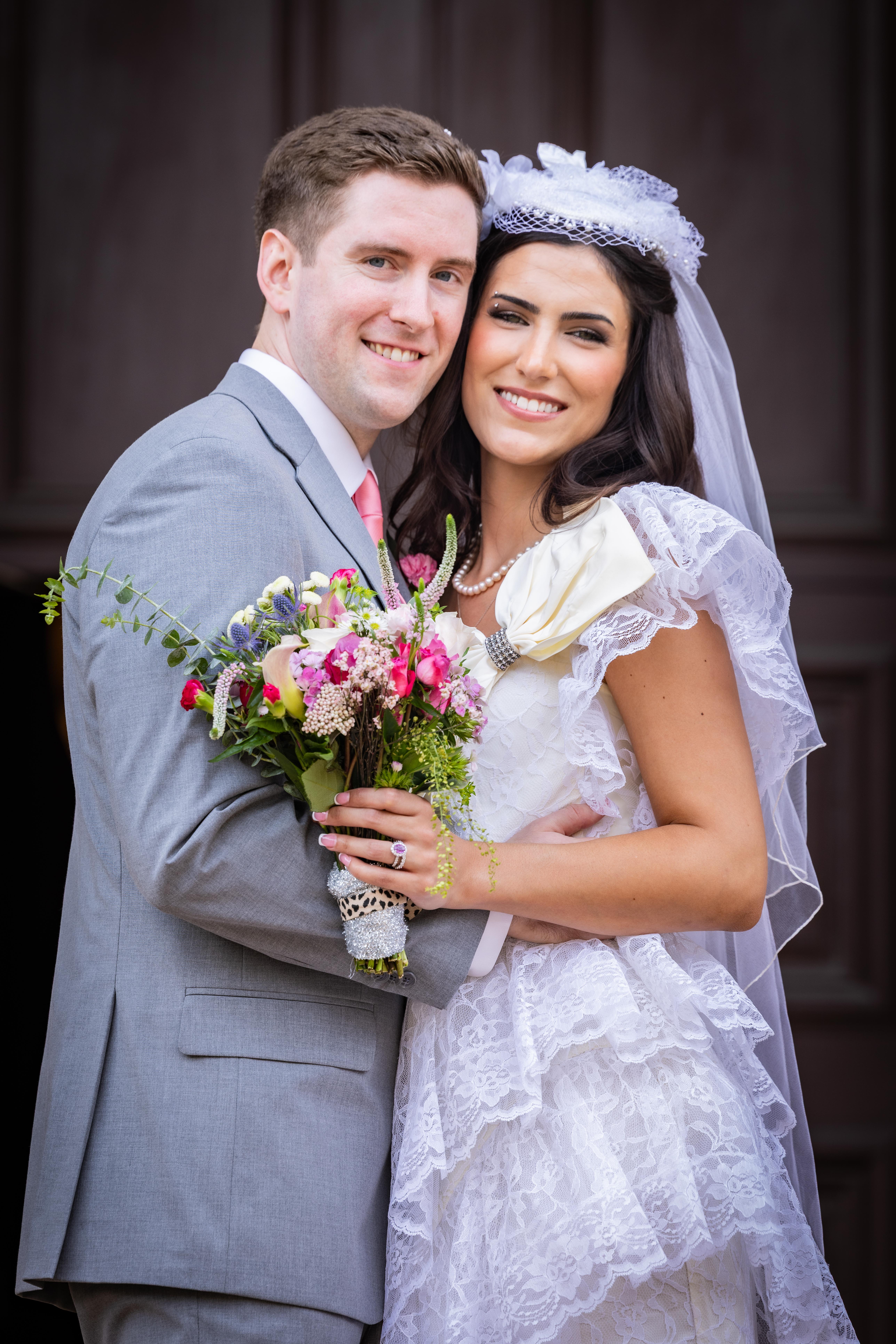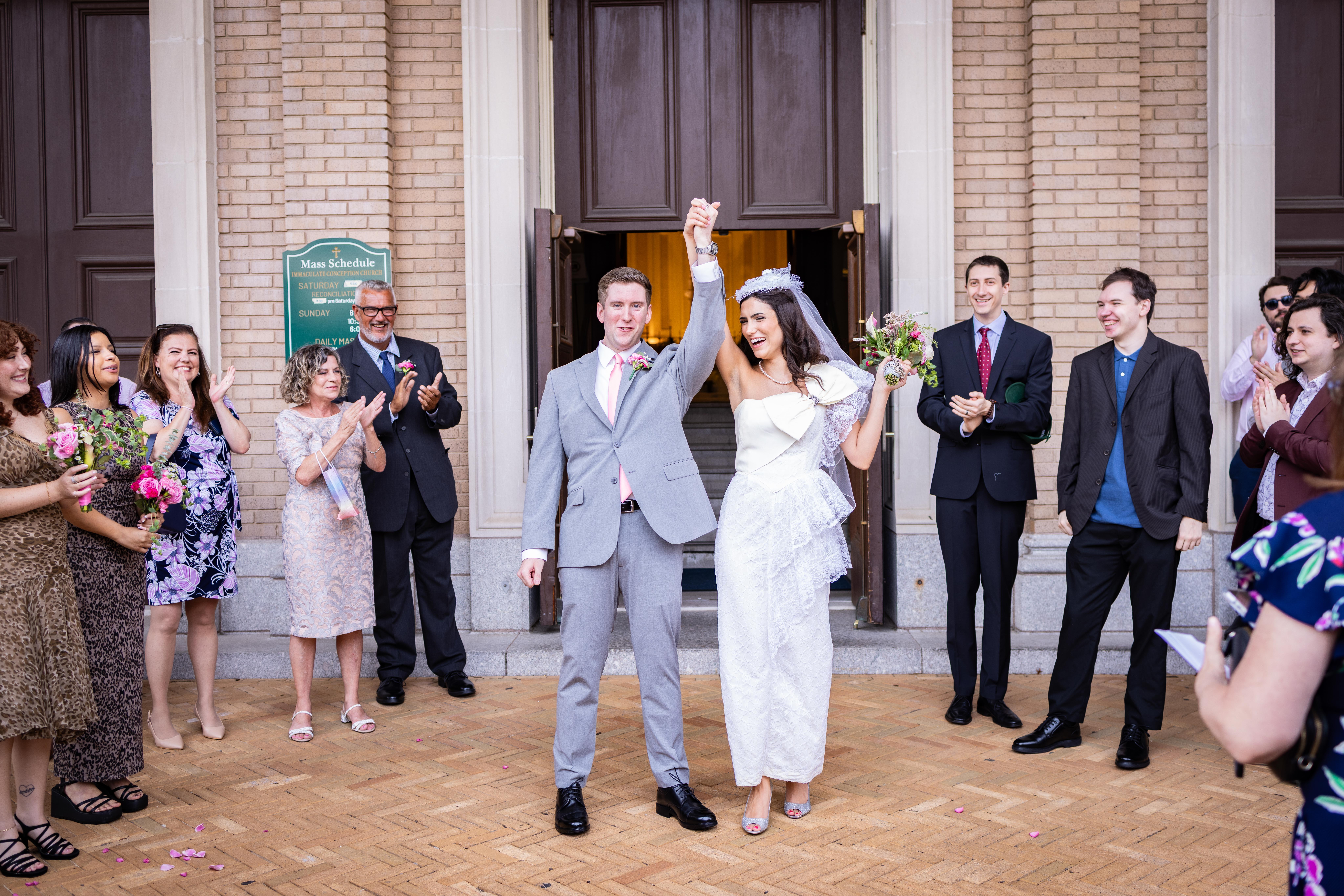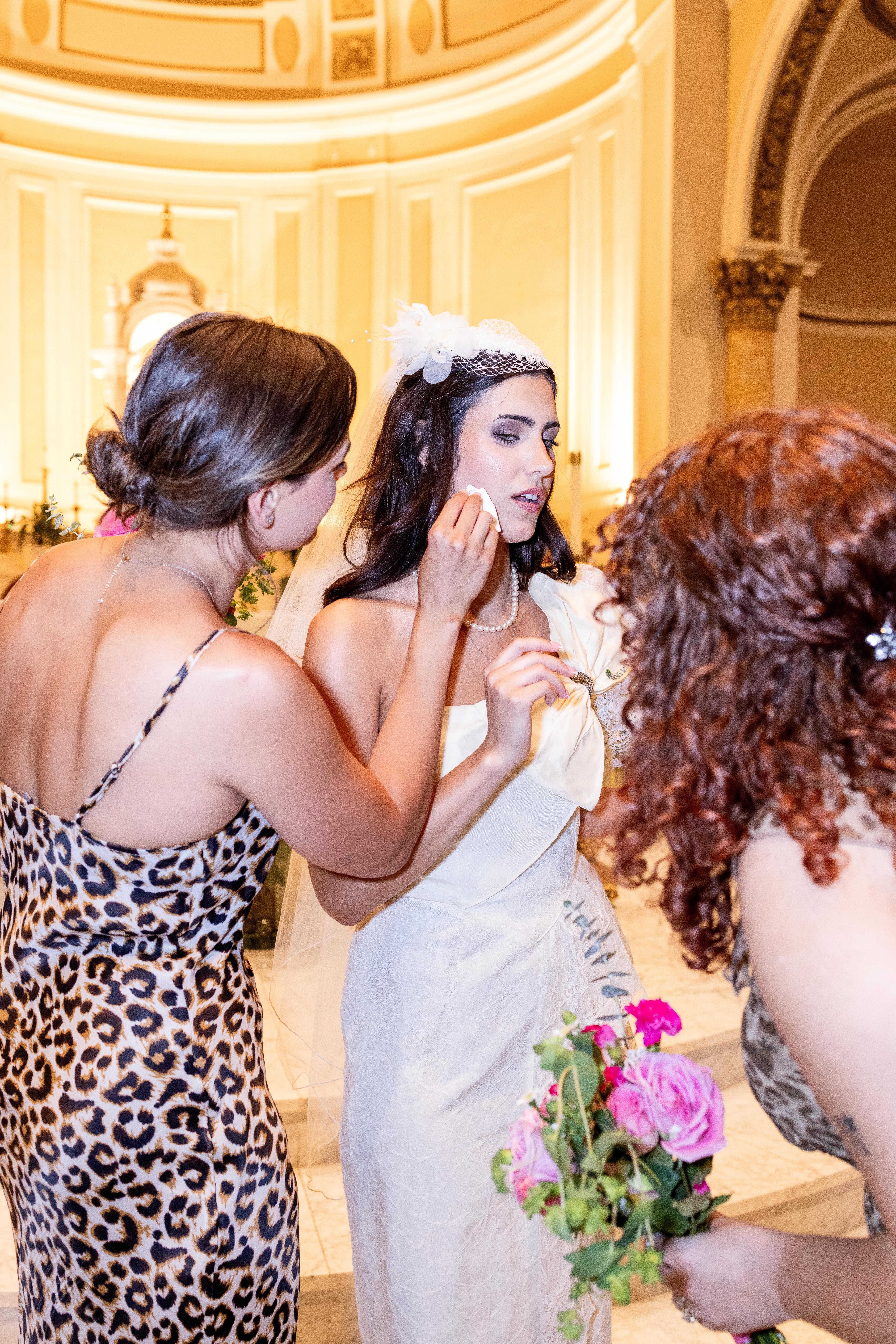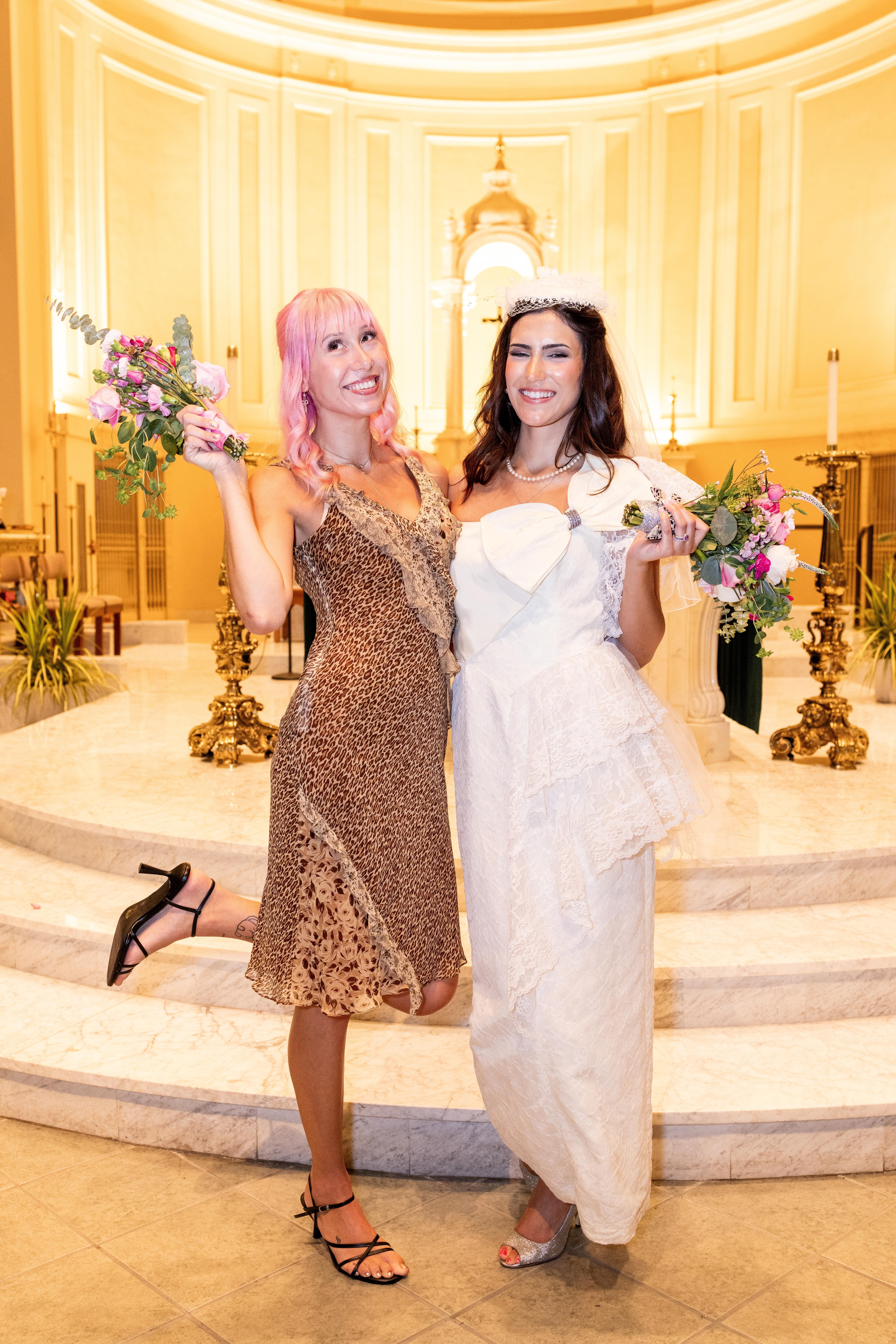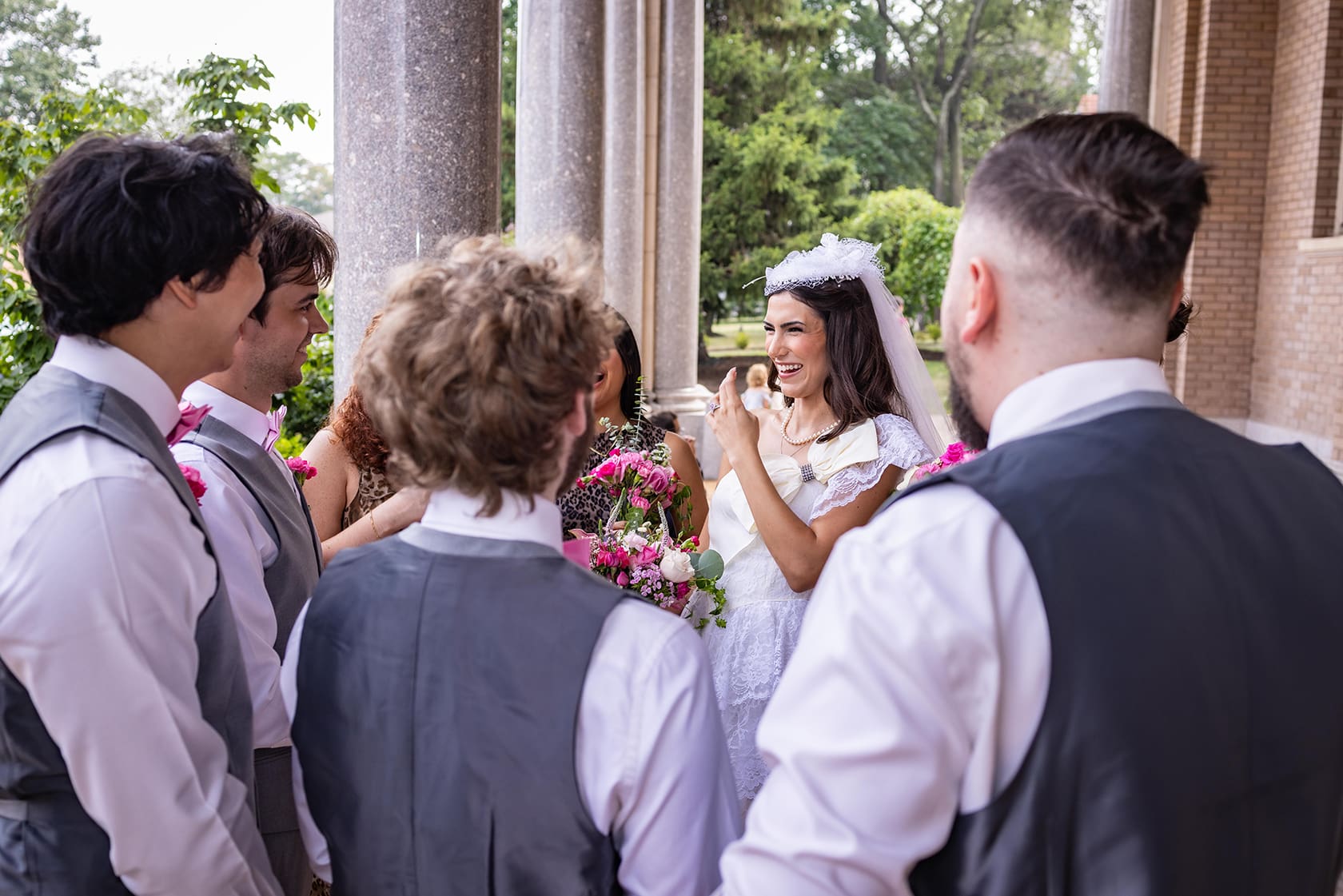
One side of the family is ready for a heartfelt English ceremony. The other is waiting to hear the vows, blessings, and introductions in Spanish. Both groups matter, and both deserve to feel like they are fully part of the celebration. If you are figuring out how to plan bilingual wedding details without slowing the day down or making it feel overly scripted, the goal is simple – make every guest feel seen while keeping the energy natural.
A bilingual wedding works best when language is treated as part of the experience, not as a last-minute add-on. That means planning for communication, music, timing, and guest interaction from the beginning. When you do that well, the day feels smooth, personal, and fun instead of divided into “their side” and “our side.”
How to plan a bilingual wedding without overcomplicating it
The first thing to decide is where bilingual support actually matters most. Not every single sentence needs to be repeated all night. In fact, repeating everything can make the event drag. The smarter move is to identify the moments that need clarity and the moments that need energy.
For most weddings, the ceremony, grand entrance, key announcements, and formal dances should be clearly understood in both languages. Those are the moments where guests need context. Once the dance floor opens, the focus shifts. Music, crowd reading, and the MC’s ability to connect with different groups become more important than word-for-word translation.
This is where couples sometimes get stuck. They assume a bilingual wedding means doubling every part of the timeline. It does not. It means choosing the right places for bilingual communication and trusting experienced pros to carry the room.
Start with your guest mix, not just your preferences
A bilingual wedding can look very different depending on who is attending. If half your guests are fluent in English and half are more comfortable in Spanish, your planning approach will be different than a wedding where only grandparents or a few relatives need Spanish support.
Be honest about your guest list. Who needs full translation? Who simply wants to hear parts of the celebration in their language to feel included? Those are two different things.
If your ceremony is deeply personal and includes family readings, cultural traditions, or religious elements, that is one place where fuller bilingual planning usually makes sense. If cocktail hour and dancing are more universal, you may only need strategic bilingual announcements and an MC who can switch naturally between languages.
That balance matters. Too little bilingual support can leave guests feeling lost. Too much can affect pacing. Great planning lives in the middle.
Decide which language leads each moment
Not every event segment has to be 50-50. Sometimes the best approach is to let one language lead and use the second language to support it.
For example, if your officiant is strongest in English, the ceremony can be led in English with select vows, readings, or welcome remarks in Spanish. If your family introductions are more meaningful in Spanish, let that part lead in Spanish and echo key details in English. This feels more natural than forcing identical duplication.
The same goes for printed materials. Ceremony programs, signage, and seating displays can be bilingual without becoming cluttered if the wording stays simple. Guests do not need long paragraphs. They need quick, clear guidance.
Ceremony planning is where inclusion matters most
When couples ask how to plan a bilingual wedding, the ceremony is usually the biggest concern. That makes sense. It is the most emotionally charged part of the day, and nobody wants parents, grandparents, or close friends missing the meaning behind it.
The easiest way to make a ceremony inclusive is to script it intentionally. That does not mean making it stiff. It means knowing in advance which parts will be spoken in each language, who is delivering them, and how long the overall ceremony will run.
A fully repeated ceremony can work, but only if it is kept tight. In many cases, a blended ceremony feels stronger. The welcome can be bilingual, one reading can be in English, another in Spanish, and vows can include both languages in a way that reflects the couple’s story. That approach often feels more emotional and less mechanical.
If you are using translators, family readers, or multiple speakers, do a run-through. On paper, bilingual ceremonies can look smooth. In real life, pacing is everything.
Your MC matters more than you think
A bilingual wedding does not succeed because someone on the vendor team knows a few phrases. It succeeds because the MC can guide the room, read the crowd, pronounce names correctly, and switch languages without killing momentum.
That is a big difference.
The MC sets the tone for introductions, special dances, dinner transitions, and the overall flow of the reception. If guests are confused about what is happening next, the energy drops fast. If the MC can keep both English-speaking and Spanish-speaking guests engaged, the whole wedding feels connected.
This is especially important during high-energy moments. Grand entrances, parent dances, cake cutting, and open dancing all hit differently when the MC knows how to speak to the full room instead of just half of it.
In a market like New Jersey, where multicultural weddings are common, hiring a team with real bilingual event experience is not a luxury. It is often what keeps the night from feeling disjointed.
Music planning should reflect both cultures, not just two playlists
Music is where bilingual weddings really come alive, but it is also where couples can accidentally simplify things too much. A good bilingual wedding playlist is not just “English songs here, Spanish songs there.” It should feel like one party.
That means thinking about the age range of your guests, the cultural backgrounds in the room, and the points in the night when certain music styles will work best. A mixed crowd might love Top 40, hip-hop, reggaeton, salsa, merengue, bachata, freestyle, and throwbacks, but the order matters.
A packed dance floor usually comes from smart transitions, not just good songs. You want the older crowd to feel invited in early, the younger crowd to stay engaged later, and everyone to recognize that the music was chosen with intention.
Build must-play and do-not-play lists together
This sounds basic, but it is one of the easiest ways to avoid awkward moments. Couples should create a shared music plan that includes the songs that matter to each side of the family, along with any tracks that are off-limits.
Be specific. If your family expects cumbia, say that. If you want a strong Hora Loca segment, plan it instead of mentioning it two days before the wedding. If one side loves club music and the other wants classic dance favorites, your DJ needs that context early.
The best celebrations do not pick one culture over the other. They build a flow where both feel represented and the room stays moving.
Think beyond language and plan for comfort
Knowing how to plan bilingual wedding details also means paying attention to guest comfort. Language is one part of inclusion. Clarity and atmosphere are the rest.
If older relatives are traveling in, make sure they can follow the timeline. If you have multilingual signage, keep it readable and consistent. If key family members are giving toasts in different languages, let the DJ or MC prepare guests so transitions feel intentional instead of random.
You should also think about who helps behind the scenes. A bilingual coordinator, MC, or entertainment team can solve small problems before they become visible ones. Something as simple as helping line up family for photos or cueing a special dance in the right language can save time and stress.
That is why many couples prefer working with a team that handles entertainment and event flow together. When music, announcements, timeline support, and guest interaction are all working in sync, the event feels easier for everyone.
Keep the timeline tight and the energy high
One of the biggest risks at a bilingual wedding is over-explaining every moment. Guests do not need a full speech before every transition. They need confidence, clarity, and good pacing.
Plan your formalities so the night keeps moving. If you are doing bilingual intros, keep them punchy. If you are having multiple speeches, think about where attention naturally dips. If you want special cultural moments, give them room to shine instead of stacking too many in a row.
A wedding should feel like a celebration, not a presentation.
This is where professional entertainment makes a huge difference. An experienced DJ and MC team can keep the formal parts polished while protecting the party. They know when to slow down, when to switch languages, and when to let the music do the talking. At Electrified DJ Services, that kind of balance is exactly what couples count on when they want a wedding that feels inclusive and electric at the same time.
The best bilingual weddings feel effortless because they were planned well
Guests should leave talking about how fun the wedding was, how smooth everything felt, and how included they were – not how complicated it must have been to pull off. That is the real standard.
If you are planning a bilingual wedding, do not aim for perfect translation of every second. Aim for connection. Choose the moments where language matters most, build a music plan that reflects your people, and work with a team that can manage both energy and logistics. When the room feels united, that is when the celebration really hits.