The fastest way to kill a great reception is not bad music – it’s bad timing. A room can look beautiful, the food can be excellent, and your guest list can be perfect, but if the night feels rushed, awkward, or scattered, people notice. That’s exactly why couples ask how to build reception timeline in a way that keeps the energy up and the stress down.

A strong reception timeline is not about stuffing every tradition into one night. It’s about creating a pace that feels natural for your guests and realistic for your vendors. The best timelines leave room for real moments, not just scheduled ones.

How to build reception timeline around the guest experience

Start with one question: what do you want the room to feel like from start to finish? Some couples want a formal, elegant flow with a big grand entrance and a packed dance floor after dinner. Others want a more relaxed party where guests mingle, eat, and dance without too many interruptions. Both can work. What matters is that your timeline supports that vibe instead of fighting it.

Think about energy in waves. Guests arrive with curiosity and social energy. That is a good time for cocktail hour, light interaction, and photos if needed. Once everyone is seated, attention is usually strongest during introductions and the first major moments. After that, dinner creates a natural dip. Then you build the room back up with toasts, formal dances, or an opening dance set that invites people in.

This is where many receptions get off track. Too many formalities stacked together can make the night feel like a program instead of a celebration. On the other hand, waiting too long for dancing can make guests check out early, especially older family members or guests with kids.

Start with your non-negotiables

Before you assign times, decide what absolutely needs to happen. That usually includes your grand entrance, first dance, parent dances, blessing, dinner service, toasts, cake cutting, and open dancing. You may also have cultural traditions, bilingual announcements, a Hora Loca set, anniversary dance, bouquet toss, or surprise performance.

Not every reception needs all of that. In fact, trimming the list often improves the night. If a tradition feels forced, it can interrupt momentum instead of adding meaning. Keep the moments that matter to you and let the rest go.

Once you know your must-haves, put them in the order that makes emotional and logistical sense. For example, toasts are often better before dancing gets fully underway. Cake cutting can happen later, but not so late that half the room misses it. Parent dances can feel more special near the start of the reception, when everyone is still focused.

Build your timeline from the venue and catering backward

If you want to know how to build reception timeline realistically, start with the pieces that are least flexible. Your venue end time matters. Your catering schedule matters. Sunset matters if you want outdoor portraits. Once those anchors are in place, everything else becomes easier.

Let’s say your reception runs from 6:00 PM to 11:00 PM. Cocktail hour may be 6:00 to 7:00. Guests are then invited into the ballroom, with introductions around 7:05. First dance could happen immediately after, followed by welcome remarks and dinner service starting by 7:20. Toasts may fit best between courses or after the main course, depending on your caterer’s rhythm.

This is why entertainment and catering should never plan in separate lanes. A great DJ or MC is not just there to play songs. They help keep the night moving at the right speed, coordinate announcements with service, and read when the room is ready for the next moment.

If dinner service takes longer than expected, your timeline needs breathing room. If your photographer needs ten extra minutes for a golden-hour shot, that should not throw the entire night into chaos. Good planning includes flexibility on purpose.

A sample reception flow that works for many weddings

There is no single perfect timeline, but there is a rhythm that works well for a lot of receptions:

Cocktail hour opens the night. Guests settle in, grab a drink, and connect. Then the grand entrance brings everyone together and shifts the room into celebration mode. First dance follows while attention is high. Parent dances can happen here too, or after dinner if you want a softer transition.

Dinner should begin before guests get restless. Toasts often land well during dinner, especially once everyone has food and is seated. After dinner, you open the dance floor with intention. This is when the MC matters, the music matters, and the room-reading matters. A packed dance floor rarely happens by accident.

Cake cutting usually works best once dancing is already established, not before the party has started. It creates a nice reset without draining energy if handled quickly. From there, you move back into open dancing, any late-night feature moments, and your final song.

That general format works because it balances attention-based moments with movement-based ones. Guests are not stuck sitting too long, and you are not interrupting the dance floor every ten minutes.

How to build reception timeline without overbooking the night

One of the biggest mistakes couples make is assuming every moment only takes five minutes. It almost never does. Introductions can run longer if your wedding party is large. Toasts can stretch. Guests take time to move from one space to another. Even lining up for formal dances or gathering around the cake takes longer in real life than it does on paper.

A better approach is to give each major event a realistic window. If something finishes early, great – that extra time becomes more dancing, more mingling, or a chance to breathe. If something runs long, you are still protected.

It also helps to think about guest attention span. Three special moments in a row can feel polished. Six in a row can feel like homework. If you have a lot of formalities, break them up. Let the room breathe between them.

The timing of dancing matters more than most people expect

If your goal is a high-energy reception, the dance floor should not be treated like the leftover part of the night. It needs enough time to build. Guests usually need one strong invitation moment, then a few songs to warm up, and then the floor starts to fill.

That means if your formal events eat up most of the schedule and dancing does not start until very late, you are making the party work harder than it should. This matters even more for mixed-age crowds, multicultural weddings, and receptions with guests who may not stay until the very end.

For some couples, splitting the dancing into phases works well. You may do a short opening set after dinner, pause briefly for cake cutting or a special feature, then launch into the longer party block. This keeps momentum going while still making room for the moments you care about.

Your vendor team should help protect the timeline

The best reception timelines are collaborative. Your planner, venue coordinator, caterer, photographer, videographer, DJ, and MC should all understand the same version of the night. If one vendor has a different order or different timing, confusion shows up fast.

That is why experienced entertainment teams are so valuable. They are watching the room in real time, making adjustments, and helping transitions feel smooth instead of awkward. At Electrified DJ Services, that kind of coordination is a huge part of what makes a celebration feel polished rather than pieced together.

This is especially helpful for bilingual weddings or events with cultural traditions that need clear announcements and strong pacing. When those moments are handled confidently, guests stay engaged instead of wondering what is happening next.

Leave space for the night to feel real

A reception timeline should guide the party, not control every breath of it. If your aunt grabs you for a photo, if your college friends start a chant on the dance floor, if dinner runs ten minutes behind, the night is not ruined. It is alive.

The goal is not perfection. The goal is flow. Build a timeline that protects the key moments, respects your guests, and leaves enough room for joy to show up naturally.

When you get that part right, the reception does not just stay on schedule. It feels easy, exciting, and memorable for everyone in the room.
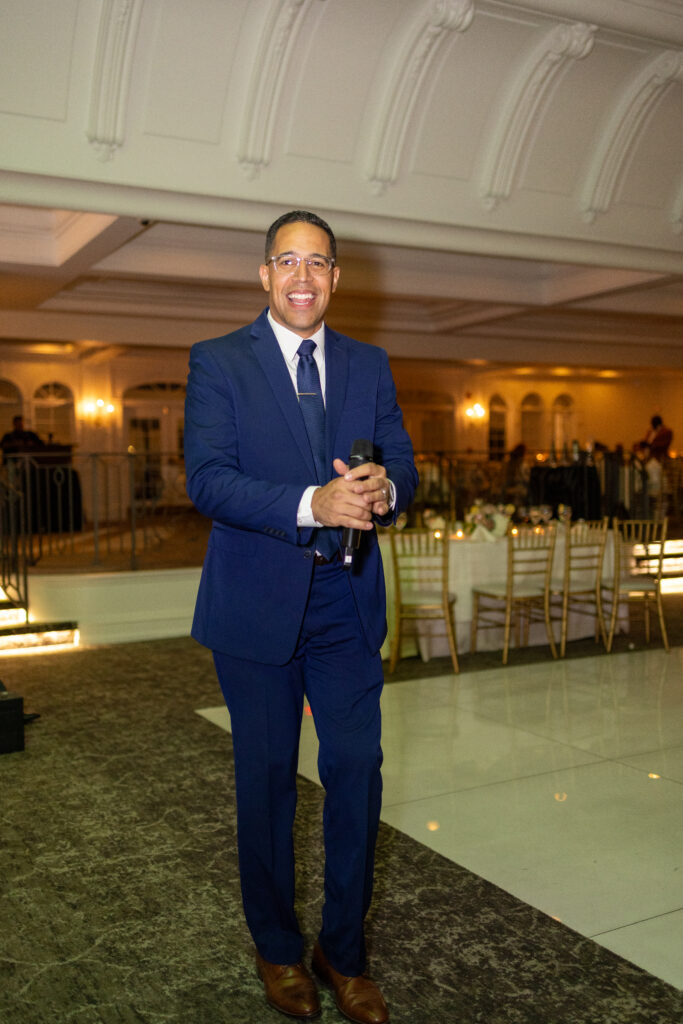
The wrong DJ can make a beautiful wedding feel flat by 8:30. The right one can keep your timeline moving, your guests engaged, and your dance floor full without making the night feel forced. If you’re figuring out how to choose wedding DJ services, you’re not just hiring someone to play music. You’re choosing the person who helps shape the energy of your entire reception.

That’s why this decision deserves more than a quick price comparison. A wedding DJ is part entertainer, part MC, part crowd reader, and part event quarterback. The best fit for your wedding is the one who understands your style, communicates clearly, and knows how to keep the room connected from introductions to the last song.

How to Choose Wedding DJ Services Based on the Full Event

A lot of couples start with music taste, which makes sense, but that’s only one piece of the job. A wedding DJ also manages pacing, transitions, announcements, and the overall feel in the room. If your DJ can’t guide the night with confidence, even a great playlist won’t save the experience.

Start by thinking about what you want your reception to feel like. Do you want elegant and polished, high-energy and interactive, or a mix that builds naturally as the night goes on? Some DJs are strong club-style mixers. Others are excellent MCs but less dynamic musically. Some are better at reading a mixed-age crowd and balancing different tastes without losing momentum. There isn’t one right style. There’s only the style that fits your wedding.

This matters even more for multicultural weddings, bilingual celebrations, and events with a wide age range. A DJ who can move comfortably between genres, make guests feel included, and pronounce names correctly brings real value. If your wedding includes Latin music, Spanish-language announcements, or specialty moments like Hora Loca, experience in those areas is not a bonus. It’s part of the job.

Don’t Shop by Price First

Budget matters. Of course it does. But wedding DJ pricing can be misleading if you compare packages without looking at what’s actually included.

One company may quote a lower number and only cover basic music for a set block of time. Another may include planning meetings, MC services, ceremony audio, lighting, cocktail hour coverage, and a backup plan if equipment fails. On paper, both are “DJ services.” In reality, they’re offering very different levels of support.

The cheapest option often becomes expensive in other ways. Maybe you need to rent separate sound for the ceremony. Maybe the DJ is hard to reach during planning. Maybe they don’t coordinate with the venue and photographer, so key moments feel rushed or awkward. Weddings move fast, and when entertainment isn’t organized, everyone feels it.

A better question than “What do you charge?” is “What does your package actually cover from start to finish?” That opens the door to a more honest conversation.

What to Ask Before You Book

A strong consultation should leave you feeling clearer, not more confused. You want direct answers, confidence without arrogance, and a sense that this company runs weddings regularly.

Ask who will actually DJ your event. This sounds obvious, but it matters. Some companies book the event under one name and assign the DJ later. That setup isn’t always bad, especially if the team is trained well, but you should know who is leading your reception and whether you’ll have a chance to speak with them in advance.

Ask how they handle the flow of the night. An experienced wedding DJ should be able to talk through ceremony cues, introductions, first dances, toasts, dinner music, open dancing, and the transitions in between. If they only focus on the party portion, that’s a red flag.

Ask how they read a crowd. This is one of the biggest differences between an average DJ and a great one. A packed dance floor usually doesn’t happen because someone hit play on a hot playlist. It happens because the DJ knows when to switch genres, when to let a song breathe, when to shorten a track, and when to pivot if the room changes.

Ask about backup plans too. Professional entertainment companies should have backup equipment and a plan for emergencies. Weddings are too important for guesswork.

Reviews Help, but the Right Details Matter More

Five-star reviews are useful, but not all reviews tell you the same thing. Look for comments that mention specific results. Did the DJ keep the dance floor moving? Did they help the night stay on schedule? Were they easy to work with? Did guests talk about the entertainment afterward?

The best reviews often mention both energy and professionalism. That combination is what couples usually need most. High energy alone can feel chaotic. Professionalism alone can feel stiff. A great wedding DJ knows how to bring excitement while staying in control of the room.

If you’re planning in North Jersey, local experience can help more than people realize. A DJ who knows the pace of local venues, the expectations of area couples, and how to work smoothly with nearby vendors has an advantage. That kind of familiarity can reduce stress behind the scenes, which shows up as a smoother event for you and your guests.

Music Style Matters, but Flexibility Matters More

Most couples walk into the search with a few music goals. Maybe you want a throwback-heavy dance set, clean edits for a family crowd, a strong mix of current hits, or a balance of American, Latin, and international music. All of that should be part of the conversation.

Still, flexibility matters just as much as preference. Weddings are one of the few events where your college friends, grandparents, coworkers, and little cousins are all in the same room. A DJ who only plays one lane well may struggle once the floor shifts. The best wedding DJs can honor your must-plays and do-not-plays while adjusting in real time.

That’s also why pre-made sample playlists only tell you so much. They can show taste, but they don’t show timing. And timing is everything at a wedding. A song that works at 10:15 might fall flat at 8:45. An experienced DJ understands that the right song at the wrong moment is still the wrong song.

How to Choose Wedding DJ Add-Ons Without Overbooking

Couples often ask whether they should bundle lighting, photo booths, ceremony sound, or videography with their DJ package. Sometimes the answer is yes. Sometimes it isn’t.

The biggest advantage of bundling is coordination. When one trusted team handles multiple parts of the entertainment experience, planning gets easier. Your timeline is cleaner, communication is simpler, and the event tends to feel more connected. That can be a huge win if you’re trying to avoid managing a long list of separate vendors.

The trade-off is that you still need quality in each category, not just convenience. If a company offers uplighting, photo booths, or media coverage, ask how those services are staffed and managed. You want an all-in-one experience that feels polished, not a package that stretches one team too thin.

For many weddings, the smartest add-ons are the ones guests actually feel. Good ceremony audio prevents awkward missed moments. Smart lighting can completely change the room once dancing starts. A photo booth can give non-dancers something fun to do without pulling energy away from the main party. The key is choosing upgrades that support your guest experience, not just your Pinterest board.

Pay Attention to the Vibe During the Consultation

Chemistry counts. You don’t need your DJ to become your best friend, but you should feel comfortable with their communication style and confident in their presence. If they talk over you, brush off your concerns, or push a one-size-fits-all approach, believe that early impression.

On the other hand, if they ask smart questions, listen to your priorities, and offer ideas that fit your wedding instead of selling you every possible extra, that’s usually a strong sign. Good entertainment companies know that personalization is what guests remember.

This is especially true if your reception includes formalities, mixed family dynamics, or a packed timeline. You want someone who can be upbeat without becoming overbearing, organized without sounding robotic, and engaging without making the night feel like a scripted show.

At Electrified DJ Services, that balance is exactly what couples look for when they want high-energy entertainment with real planning support behind it.

The Best Choice Feels Personal and Professional

If you’re still wondering how to choose wedding DJ talent with confidence, keep it simple. Look for a company that understands weddings, not just music. Look for clear communication, proven crowd-reading ability, and a style that matches the celebration you actually want.

Your DJ helps set the tone for every major moment after guests arrive. When that role is handled well, the whole event feels easier, warmer, and more alive. Choose the team that makes you feel heard before the wedding, because that’s usually the team that will make your guests feel connected during it.

A great wedding doesn’t happen because every detail is perfect. It happens when the room feels right, the timing feels natural, and people don’t want the night to end.

You can tell when a wedding DJ is carrying the night – guests stay in the room, transitions feel natural, and the dance floor never looks abandoned for long. That is why the right questions to ask wedding DJ candidates are not just about music taste. They are about timing, communication, crowd reading, backup plans, and whether this person can keep your wedding moving without making it feel scripted.

A lot of couples start with one basic question: how much do you charge? Fair question, but it rarely tells you whether the night will actually feel right. A lower price can still become expensive if the DJ misses cues, struggles with announcements, or needs too much direction on the wedding day. The better approach is to ask the questions that reveal how they work under pressure, how they personalize an event, and how they keep your guests engaged from entrance to last song.

Why the right questions to ask wedding DJ vendors matter

A wedding DJ does much more than play a playlist. They often act as part entertainer, part MC, part timeline manager, and part problem solver. If your ceremony runs late, your photographer needs five more minutes, or your guests lean heavily toward Latin, hip-hop, throwbacks, or clean edits for a mixed-age crowd, your DJ has to adjust fast.

That is why chemistry matters, but process matters too. A friendly personality is great. A friendly personality with a clear planning system is even better. The best DJs bring energy and structure at the same time.

Start with experience that matches weddings

One of the first things to ask is how many weddings they perform each year and how weddings differ from their other events. A DJ who crushes club sets or birthday parties is not automatically the right fit for a formal reception with parent dances, speeches, and tight vendor coordination.

Ask what parts of a wedding they personally manage. Do they handle introductions, cue special songs, coordinate with the photographer and venue, and keep formalities on track? Or are they mainly focused on music while someone else drives the timeline? Neither answer is wrong, but you need to know what role they actually play.

It also helps to ask whether they have worked at your venue or in similar North Jersey wedding spaces. Local familiarity can make setup smoother, especially when load-in rules, sound limitations, or room layouts affect how the event flows.

Ask how they build the music for your crowd

This is where a lot of couples separate polished pros from generic vendors. Ask how they customize playlists and how much input you will have. Can you submit must-play songs, do-not-play songs, and music for each part of the night? Do they guide you through selections if you are not sure what fits your crowd?

Then ask the more important follow-up: how do you balance our preferences with what keeps the dance floor going? The answer should not be, “We only play what the couple gives us,” unless you want a very fixed playlist. Great wedding DJs take your taste seriously while still reading the room in real time.

That room-reading skill matters more than most couples realize. A packed dance floor usually comes from timing, pacing, and knowing when to switch eras or genres before energy drops. Ask how they handle mixed generations, multicultural families, and guests with very different music expectations. If your wedding needs bilingual announcements, Spanish-language music, or a Hora Loca moment, bring that up early. You want to hear confidence, not hesitation.

Questions to ask wedding DJ teams about MC style

Some DJs are low-key on the mic. Others are big personalities. Most couples need to know where on that spectrum a DJ falls before booking.

Ask how they describe their MC style. Are they upbeat and interactive, polished and minimal, or highly involved throughout the night? There is no single correct answer. It depends on your event. A high-energy crowd might love a stronger MC presence. A more formal wedding may need someone who can make clear announcements without sounding like a game show host.

Also ask who will actually be speaking at your event. If you are meeting with a sales rep or owner, that does not always mean the same person will DJ and MC your wedding. You should know exactly who is assigned, how they work together if there is a team, and whether they have your planning details in writing.

Get specific about logistics and planning

This is the section couples sometimes skip, then regret later. Ask when planning begins and how detailed the process is. Will you receive worksheets, music planning forms, or timeline calls? How close to the wedding do final details need to be submitted?

A strong planning process usually means fewer surprises. Ask whether they help build the reception timeline or simply follow one you provide. Ask how they coordinate with your venue, photographer, videographer, and planner. A wedding runs better when your vendors communicate instead of operating in separate lanes.

You should also ask about setup time, sound coverage, and equipment needs. If your ceremony, cocktail hour, and reception are in different locations, make sure they can cover each space properly. One sound system in the ballroom does not solve ceremony audio on a lawn or rooftop.

Then ask the question every couple should ask: what happens if equipment fails or someone on your team has an emergency? Professional DJs should have backup gear, backup staff plans, and a clear answer ready. If the response sounds vague, keep looking.

Talk money, but ask what is included

Pricing matters, but wedding entertainment packages can look similar on paper while delivering very different experiences. Ask what is included in the base package and what counts as an upgrade. That may include ceremony audio, cocktail hour music, additional sound systems, uplighting, intelligent lighting, photo booths, live streaming, monograms, or extra hours.

This is also a good time to ask whether bundling services creates better value. Many couples prefer one team for DJ, MC, lighting, photo booth, and media coverage because it cuts down on coordination and keeps the event style consistent. It is not always the cheapest route, but it is often the easier one.

Ask how overtime works too. Weddings run late all the time. You want to know the hourly rate, how approvals are handled on the night of the event, and whether extending is even possible.

Ask about requests, flexibility, and guest management

Every wedding has at least a few guests who think they should be the DJ for five minutes. Ask how requests are handled. Will they take guest requests? Only if approved by the couple? Only if the request fits the room? The best answer usually includes flexibility with boundaries.

You should also ask how they handle awkward moments, like an empty dance floor after dinner, a late bridal party, or a song request that conflicts with your do-not-play list. This gives you a sense of professionalism and calm under pressure. Weddings are live events. Things shift.

A DJ who can adjust without making the room feel the stress is worth a lot.

What to listen for in their answers

You are not only collecting information. You are listening for confidence, clarity, and whether they make your life easier. Strong answers tend to be specific. They explain process. They show flexibility without sounding disorganized. They focus on your guests, your timeline, and your vision rather than giving you a one-size-fits-all pitch.

Weak answers are usually vague or overly rehearsed. If every response sounds like sales copy and none of it explains how the night actually works, that is a red flag. Your DJ should sound like someone who knows weddings from the inside, not someone who just wants the booking.

It also helps to notice whether they ask you good questions back. Pros want to know about your guest mix, venue, style, must-play songs, and overall priorities. If they are not curious about your wedding, they may not be focused on customizing it.

The best fit is not always the cheapest or the flashiest

A great wedding DJ is not just the person with the loudest speakers, the biggest personality, or the lowest quote. It is the team that understands how to build energy, guide the room, and keep the night feeling like you. For many couples, that also means finding a company that can handle more than music, especially when lighting, photo booths, bilingual entertainment, or media coverage are part of the plan.

If you are talking with a company like Electrified DJ Services, this is where asking smart questions pays off. You are not just hiring someone to press play. You are choosing the people responsible for atmosphere, pacing, and some of the most remembered moments of the night.

Ask enough to feel confident, not overwhelmed. When a DJ can explain their approach clearly and make you feel more relaxed about the wedding instead of more confused, you are usually getting close to the right choice.

One side of the family is ready for a heartfelt English ceremony. The other is waiting to hear the vows, blessings, and introductions in Spanish. Both groups matter, and both deserve to feel like they are fully part of the celebration. If you are figuring out how to plan bilingual wedding details without slowing the day down or making it feel overly scripted, the goal is simple – make every guest feel seen while keeping the energy natural.

A bilingual wedding works best when language is treated as part of the experience, not as a last-minute add-on. That means planning for communication, music, timing, and guest interaction from the beginning. When you do that well, the day feels smooth, personal, and fun instead of divided into “their side” and “our side.”

How to plan a bilingual wedding without overcomplicating it

The first thing to decide is where bilingual support actually matters most. Not every single sentence needs to be repeated all night. In fact, repeating everything can make the event drag. The smarter move is to identify the moments that need clarity and the moments that need energy.

For most weddings, the ceremony, grand entrance, key announcements, and formal dances should be clearly understood in both languages. Those are the moments where guests need context. Once the dance floor opens, the focus shifts. Music, crowd reading, and the MC’s ability to connect with different groups become more important than word-for-word translation.

This is where couples sometimes get stuck. They assume a bilingual wedding means doubling every part of the timeline. It does not. It means choosing the right places for bilingual communication and trusting experienced pros to carry the room.

Start with your guest mix, not just your preferences

A bilingual wedding can look very different depending on who is attending. If half your guests are fluent in English and half are more comfortable in Spanish, your planning approach will be different than a wedding where only grandparents or a few relatives need Spanish support.

Be honest about your guest list. Who needs full translation? Who simply wants to hear parts of the celebration in their language to feel included? Those are two different things.

If your ceremony is deeply personal and includes family readings, cultural traditions, or religious elements, that is one place where fuller bilingual planning usually makes sense. If cocktail hour and dancing are more universal, you may only need strategic bilingual announcements and an MC who can switch naturally between languages.

That balance matters. Too little bilingual support can leave guests feeling lost. Too much can affect pacing. Great planning lives in the middle.

Decide which language leads each moment

Not every event segment has to be 50-50. Sometimes the best approach is to let one language lead and use the second language to support it.

For example, if your officiant is strongest in English, the ceremony can be led in English with select vows, readings, or welcome remarks in Spanish. If your family introductions are more meaningful in Spanish, let that part lead in Spanish and echo key details in English. This feels more natural than forcing identical duplication.

The same goes for printed materials. Ceremony programs, signage, and seating displays can be bilingual without becoming cluttered if the wording stays simple. Guests do not need long paragraphs. They need quick, clear guidance.

Ceremony planning is where inclusion matters most

When couples ask how to plan a bilingual wedding, the ceremony is usually the biggest concern. That makes sense. It is the most emotionally charged part of the day, and nobody wants parents, grandparents, or close friends missing the meaning behind it.

The easiest way to make a ceremony inclusive is to script it intentionally. That does not mean making it stiff. It means knowing in advance which parts will be spoken in each language, who is delivering them, and how long the overall ceremony will run.

A fully repeated ceremony can work, but only if it is kept tight. In many cases, a blended ceremony feels stronger. The welcome can be bilingual, one reading can be in English, another in Spanish, and vows can include both languages in a way that reflects the couple’s story. That approach often feels more emotional and less mechanical.

If you are using translators, family readers, or multiple speakers, do a run-through. On paper, bilingual ceremonies can look smooth. In real life, pacing is everything.

Your MC matters more than you think

A bilingual wedding does not succeed because someone on the vendor team knows a few phrases. It succeeds because the MC can guide the room, read the crowd, pronounce names correctly, and switch languages without killing momentum.

That is a big difference.

The MC sets the tone for introductions, special dances, dinner transitions, and the overall flow of the reception. If guests are confused about what is happening next, the energy drops fast. If the MC can keep both English-speaking and Spanish-speaking guests engaged, the whole wedding feels connected.

This is especially important during high-energy moments. Grand entrances, parent dances, cake cutting, and open dancing all hit differently when the MC knows how to speak to the full room instead of just half of it.

In a market like New Jersey, where multicultural weddings are common, hiring a team with real bilingual event experience is not a luxury. It is often what keeps the night from feeling disjointed.

Music planning should reflect both cultures, not just two playlists

Music is where bilingual weddings really come alive, but it is also where couples can accidentally simplify things too much. A good bilingual wedding playlist is not just “English songs here, Spanish songs there.” It should feel like one party.

That means thinking about the age range of your guests, the cultural backgrounds in the room, and the points in the night when certain music styles will work best. A mixed crowd might love Top 40, hip-hop, reggaeton, salsa, merengue, bachata, freestyle, and throwbacks, but the order matters.

A packed dance floor usually comes from smart transitions, not just good songs. You want the older crowd to feel invited in early, the younger crowd to stay engaged later, and everyone to recognize that the music was chosen with intention.

Build must-play and do-not-play lists together

This sounds basic, but it is one of the easiest ways to avoid awkward moments. Couples should create a shared music plan that includes the songs that matter to each side of the family, along with any tracks that are off-limits.

Be specific. If your family expects cumbia, say that. If you want a strong Hora Loca segment, plan it instead of mentioning it two days before the wedding. If one side loves club music and the other wants classic dance favorites, your DJ needs that context early.

The best celebrations do not pick one culture over the other. They build a flow where both feel represented and the room stays moving.

Think beyond language and plan for comfort

Knowing how to plan bilingual wedding details also means paying attention to guest comfort. Language is one part of inclusion. Clarity and atmosphere are the rest.

If older relatives are traveling in, make sure they can follow the timeline. If you have multilingual signage, keep it readable and consistent. If key family members are giving toasts in different languages, let the DJ or MC prepare guests so transitions feel intentional instead of random.

You should also think about who helps behind the scenes. A bilingual coordinator, MC, or entertainment team can solve small problems before they become visible ones. Something as simple as helping line up family for photos or cueing a special dance in the right language can save time and stress.

That is why many couples prefer working with a team that handles entertainment and event flow together. When music, announcements, timeline support, and guest interaction are all working in sync, the event feels easier for everyone.

Keep the timeline tight and the energy high

One of the biggest risks at a bilingual wedding is over-explaining every moment. Guests do not need a full speech before every transition. They need confidence, clarity, and good pacing.

Plan your formalities so the night keeps moving. If you are doing bilingual intros, keep them punchy. If you are having multiple speeches, think about where attention naturally dips. If you want special cultural moments, give them room to shine instead of stacking too many in a row.

A wedding should feel like a celebration, not a presentation.

This is where professional entertainment makes a huge difference. An experienced DJ and MC team can keep the formal parts polished while protecting the party. They know when to slow down, when to switch languages, and when to let the music do the talking. At Electrified DJ Services, that kind of balance is exactly what couples count on when they want a wedding that feels inclusive and electric at the same time.

The best bilingual weddings feel effortless because they were planned well

Guests should leave talking about how fun the wedding was, how smooth everything felt, and how included they were – not how complicated it must have been to pull off. That is the real standard.

If you are planning a bilingual wedding, do not aim for perfect translation of every second. Aim for connection. Choose the moments where language matters most, build a music plan that reflects your people, and work with a team that can manage both energy and logistics. When the room feels united, that is when the celebration really hits.

Forget one-size-fits-all entertainment! When your guest list speaks two languages, your DJ and MC should too. A Spanish-English DJ knows how to keep every table engaged, turning your wedding or event into an inclusive celebration that everyone remembers. Ready to see how inclusive wedding entertainment from trusted NJ event specialists brings energy and connection to every moment? Let’s go! Learn more about the benefits of language-inclusive events.

Bilingual Event Entertainment

Imagine every guest at your event feeling included and energized. That’s the magic of having entertainment that speaks their language—literally. Here’s how you can make that happen.

Spanish-English DJs Rock!

Got guests who speak Spanish and English? A DJ who can switch between both languages ensures no one misses a beat. These DJs know how to read the crowd, keeping the dance floor lively. They create custom playlists that cater to both cultural preferences, ensuring everyone hears their favorite tunes. Imagine the joy of hearing your favorite song in your native language. That’s what a Spanish-English DJ offers: a personal touch that connects everyone. So, whether it’s salsa or pop, your guests will feel the rhythm and join the fun. Plus, having a DJ who understands cultural nuances can make all the difference in creating a memorable event. Explore more about multicultural events and their impact.

Two-Language MCs for All

A two-language MC keeps the event flowing smoothly. They engage guests by announcing in both languages, ensuring everyone is in the loop. This bilingual talent adds a layer of inclusion that makes your event stand out. When the MC can communicate clearly with all your guests, you avoid any awkward pauses or misunderstandings. It keeps the energy high and the atmosphere welcoming. Imagine the laughter and excitement when everyone understands the jokes and announcements. It’s a game-changer, especially in diverse settings. Check out best practices for planning multilingual events.

Inclusive Wedding Entertainment

An inclusive approach to entertainment means no one feels left out. It’s about understanding and embracing different cultures through music and announcements. This strategy ensures that everyone, regardless of their language, feels like part of the celebration. It’s not just about playing music; it’s about creating an atmosphere where every guest feels appreciated and included. You’ll find that the memories created in such an environment are ones that linger, long after the event is over. Learn essentials for multilingual event planning.

All-in-One Event Services

When planning an event, having everything under one roof simplifies the process. With all-in-one services, you get seamless coordination and fantastic results.

DJ and Photo Packages NJ

Combining DJ services with photography captures both the sights and sounds of your event. It’s about creating a cohesive experience that your guests will remember. Imagine flipping through photos while the music from your event plays in your mind—priceless! These packages offer great value and ensure you have all the essentials covered. From candid shots on the dance floor to posed group photos, everything is handled by professionals who know how to capture the essence of your event. Discover how to create inclusive and accessible events.

Wedding Lighting and Photo Booths

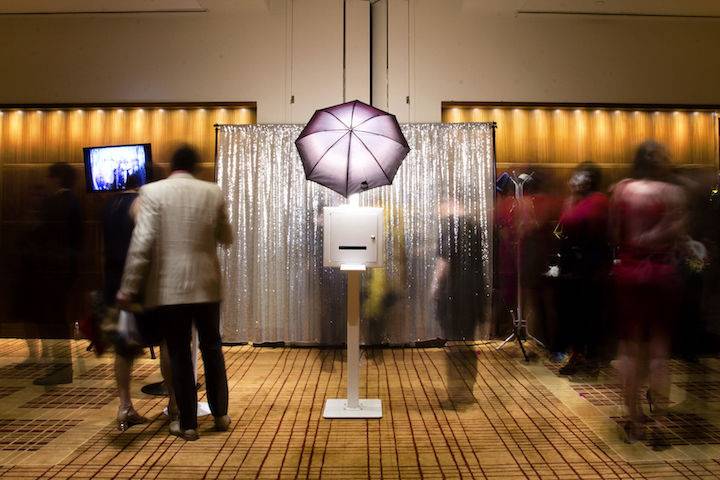
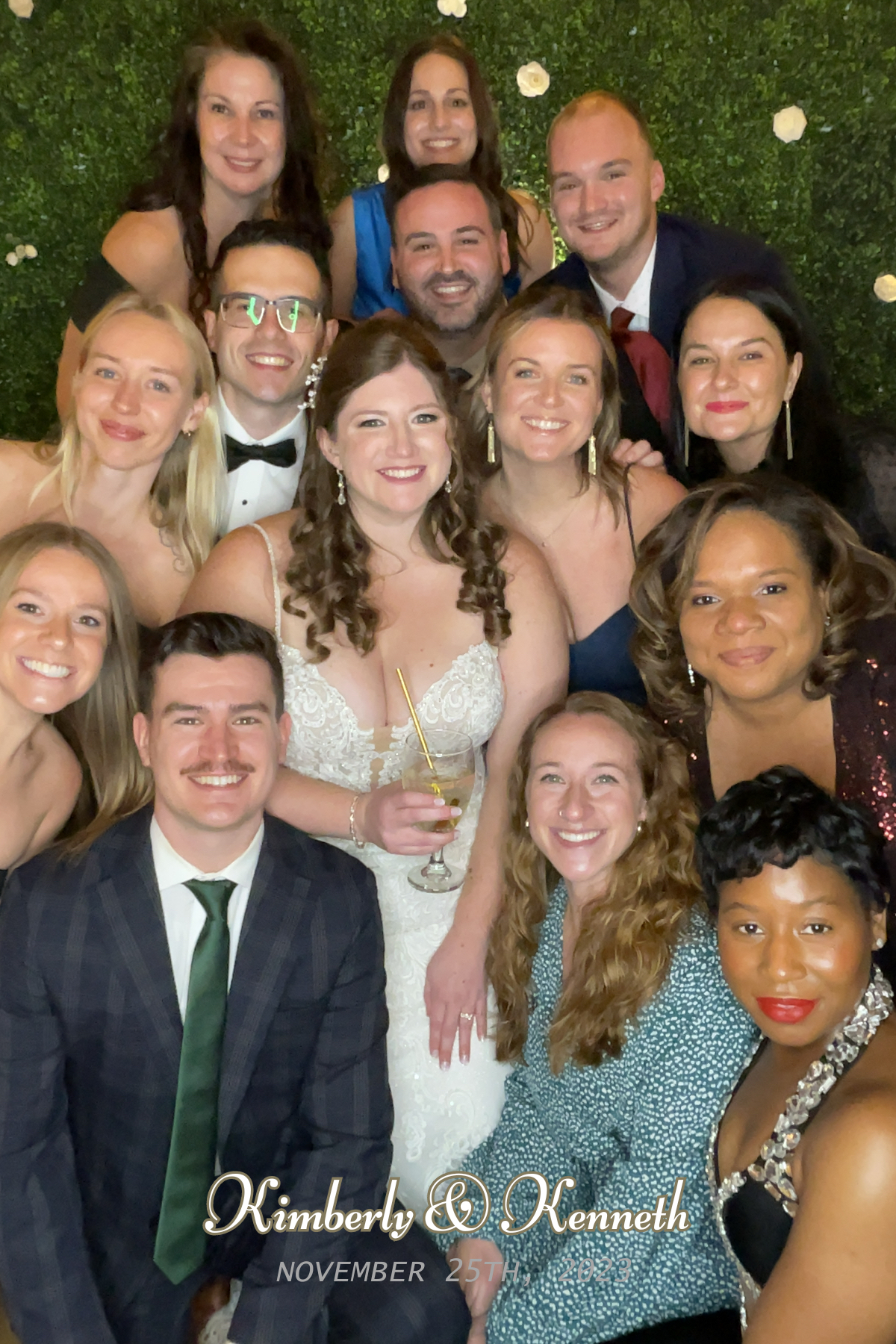
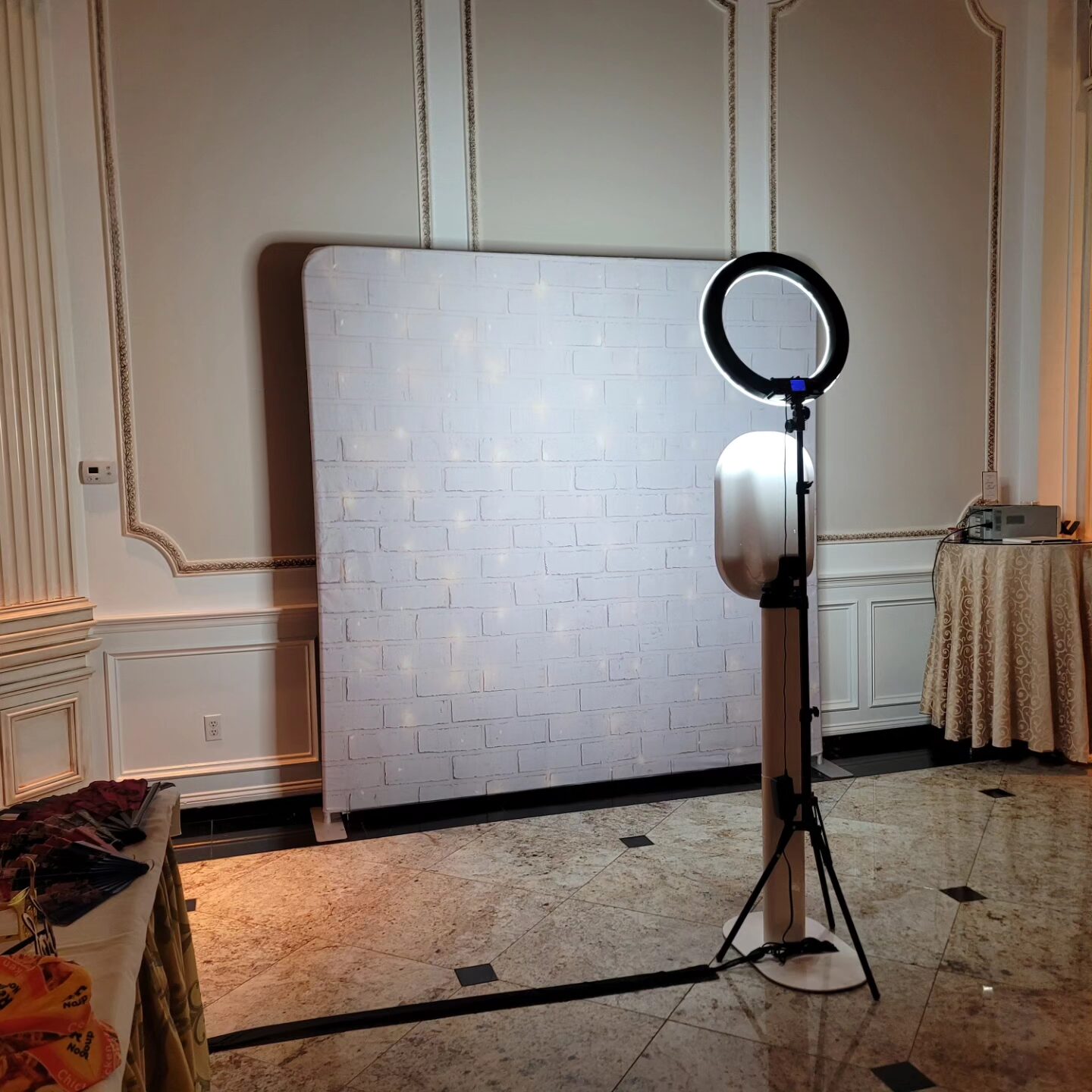
Lighting sets the mood, while a photo booth adds fun. Together, they create an unforgettable atmosphere. Professional lighting can transform any venue into a magical space, highlighting key areas and creating stunning effects. Meanwhile, a photo booth gives guests a chance to capture silly, sweet, and spontaneous moments. It’s a hit at any event, providing guests with keepsakes they can take home. These elements complement each other, enhancing the overall vibe and ensuring everyone has a great time.

Trusted NJ Event Specialists

In Northern New Jersey, you want a team you can trust. Our specialists bring years of experience to the table, ensuring your event is flawless. With their expertise, you get peace of mind knowing everything is in capable hands. They handle everything from setup to breakdown, allowing you to enjoy your event without worry. Their reputation for reliability and professionalism makes them the go-to choice for events in the region.

Make Every Guest Feel Welcome

Ensuring every guest feels included, especially those who speak Spanish, is key to a successful event. Let’s look at how to make that happen.

Engaging Spanish-Speaking Families

Spanish-speaking guests appreciate when their language and culture are acknowledged. By including Spanish elements, you make them feel at home. It’s about more than just translating; it’s about cultural respect and understanding. When guests hear their language, they feel valued and engaged. This approach fosters a warm and inviting atmosphere where everyone feels like they belong.

High-Energy Northern New Jersey DJ Services

Our DJs bring energy that keeps the party alive. They know how to mix tracks that appeal to everyone, combining popular hits with cultural favorites. This mix ensures the dance floor stays packed and the energy never dips. With a finger on the pulse of the latest music trends, they keep the night exciting and memorable for every guest.

Ready to Include Every Guest? Call Today! 🎉

The longer you wait to book, the more likely you are to miss out on creating an inclusive event that everyone will talk about. Our team is ready to help you plan an unforgettable celebration that respects and embraces all your guests. Don’t let the opportunity slip away; contact us today to start planning an event where everyone feels included and celebrated!

Some wedding choices are easy. You taste the cake, you know. You see the dress, you feel it. But the dj versus band wedding question tends to stick around because both options can sound amazing on paper and feel very different in real life.

What matters most is not which one sounds more impressive to your guests before the wedding. It is which one actually keeps the room engaged, supports your timeline, and fits the kind of celebration you want from the first entrance to the last song. A great entertainment choice does more than play music. It shapes the pace of the night.

DJ versus band wedding: what really changes the night?

The biggest difference is control versus live presence. A live band brings a visual wow factor. There is something special about seeing musicians perform your first dance or a packed dance floor reacting to live vocals and instruments. If your wedding style leans formal, classic, or concert-like, a band can absolutely create a memorable atmosphere.

A DJ brings range, flexibility, and consistency across the entire event. That means cocktail hour can feel different from dinner, and dinner can transition naturally into a high-energy dance set without losing momentum. A skilled wedding DJ is not just pressing play. They are reading the room, adjusting in real time, coordinating with your planner and photographer, and keeping the flow tight.

That last part gets overlooked. At weddings, entertainment is not only about sound. It is also about timing. Your grand entrance, parent dances, cake cutting, and open dance floor all depend on smooth communication and pacing. The entertainment team often becomes the engine behind the night.

The budget conversation is real

For most couples, price matters. It should. Weddings come with enough decisions already, and entertainment has to fit the bigger picture.

In many cases, a band costs more than a DJ. You are paying for multiple performers, equipment, setup, and the logistics that come with a larger group. Some bands are worth every dollar, especially if live music is one of your top priorities. But if hiring a band means cutting corners on photography, lighting, or the overall guest experience, the trade-off may not feel worth it later.

A DJ usually gives you more flexibility in your entertainment budget. That can open the door for upgrades that guests really notice, like intelligent lighting, a photo booth, ceremony sound, bilingual MC support, or enhanced reception production. For couples who want one team managing multiple pieces of the event, that flexibility can make planning much easier.

This is often where the best answer shows up. It is not always band versus DJ in a vacuum. It is band versus DJ plus everything else you want the night to include.

Music variety matters more than most couples expect

A band has a signature style. That can be a huge plus if you love their sound and want your wedding to reflect it. But every band has limits. Their set list may be narrower than you expected, or certain songs may not hit the same live if your crowd wants the original version.

A DJ can move across decades, genres, and cultures quickly. That matters at weddings where the guest list includes grandparents, college friends, kids, coworkers, and extended family from different backgrounds. One room may need Motown, salsa, Top 40, freestyle, hip-hop, dance classics, and a few sing-alongs before the night is over.

For multicultural celebrations, that flexibility becomes even more important. If your wedding includes Latin music, bilingual announcements, or moments like Hora Loca, a DJ-led entertainment team can often pivot faster and keep the energy unified without awkward pauses or genre gaps.

That does not mean bands cannot handle variety. Some can. But if your priority is broad music coverage and rapid transitions, DJs usually have the advantage.

Space, volume, and venue logistics

This part is not glamorous, but it matters. Your venue can quietly decide whether a band or DJ makes more sense.

Bands need more room. They may need a larger stage area, more power access, extra setup time, and more load-in coordination. If your ballroom is spacious and the layout supports it, no problem. If your reception space is tighter, every extra piece of gear affects the room.

Volume is another issue. Live bands can be powerful, but they are not always as easy to scale for the room. At some weddings, especially those with older guests or a venue that already has sound restrictions, that can create challenges during dinner and speeches.

A professional DJ setup is usually easier to tailor. The volume can be adjusted more precisely, the footprint is smaller, and the transitions between formal moments and dance sets are smoother. If your venue has strict timing or noise expectations, a DJ is often the simpler fit.

Who keeps the wedding moving?

This is where couples should think beyond music. Someone needs to guide the event.

A wedding DJ often doubles as MC or works alongside one. That means introductions, cueing key moments, getting guests where they need to be, coordinating with the photographer, and helping the night stay on track without sounding stiff or overproduced. A strong DJ and MC team keeps things lively while protecting the timeline.

A band may have a front person who can make announcements, but that role is not always as detailed or event-focused. Some bands are excellent at performance and less focused on the nuts and bolts of reception management. That is not a flaw. It is just a different strength.

If your wedding is packed with moving parts, the ability to combine music control, MC leadership, and vendor coordination can be a major advantage.

Guest energy is not one-size-fits-all

Some crowds love the spectacle of a live band. They respond to the musicians, the stage presence, and the feeling of a live show. If your guest list skews toward people who love concerts, classic wedding traditions, or upscale black-tie energy, a band may feel like the perfect match.

Other crowds want nonstop familiarity. They want the songs they know, the versions they recognize instantly, and the ability to go from one era to the next without missing a beat. That is where DJs tend to shine. A great DJ can build momentum with precision, then change course fast if the room shifts.

That room-reading skill is a bigger deal than many people realize. Weddings are mixed crowds by definition. The plan you imagine at 11 a.m. might not be what your guests want at 9:30 p.m. The entertainment team has to react, not just perform.

The hybrid option is worth considering

Some couples do not want to choose one or the other. That is valid.

A hybrid setup can work beautifully, especially if you want live music for ceremony or cocktail hour and a DJ for the reception. You get the elegance of live performance early in the event, then the flexibility and dance-floor control of a DJ once the party starts.

This approach can also make sense if you want a featured musician, like a sax player, percussionist, or vocalist, without committing to a full band all night. It adds live energy while keeping the music range wide and the pacing tight.

For couples who want a celebration that feels elevated but still practical, hybrid entertainment often hits the sweet spot.

So which one is right for your wedding?

If your top priorities are live performance, visual impact, and a specific musical style, a band may be the right choice. If your top priorities are versatility, room-reading, timeline control, and value across the full event experience, a DJ is often the better fit.

For many weddings, especially those with mixed-age guests, diverse music tastes, and a lot of moving parts, the smartest answer is the option that gives you the most control without draining your budget. That is why so many couples land on a professional DJ team. You are not just hiring music. You are hiring momentum, coordination, and the ability to keep guests engaged from start to finish.

At Electrified DJ Services, that is how we look at entertainment. Not as background noise, but as one of the biggest reasons a wedding feels smooth, exciting, and unforgettable.

The best choice is the one that fits your people, your space, and your vision when the room is full and the night is actually happening. If you can picture your guests smiling, singing, and staying on that dance floor longer than planned, you are probably getting close.

The fastest way to turn a beautiful wedding into a long night is getting the entertainment wrong. Guests will forgive a slow dinner service. They will not forget a silent dance floor, awkward transitions, or a timeline that feels like nobody is steering the ship. That is exactly why a solid wedding entertainment planning guide matters. Entertainment is not just the party at the end. It shapes the mood, controls the pace, and helps your whole celebration feel alive.

Some couples start planning with a simple idea – book a DJ and call it done. Sometimes that works. More often, though, the best weddings are built around a bigger entertainment plan. Music, MC direction, lighting, special moments, guest interaction, and media coverage all work together. When those pieces are aligned, your wedding feels easy for you and exciting for everyone else.

What a wedding entertainment planning guide should actually cover

A real wedding entertainment planning guide should go beyond song lists. Your entertainment team affects how guests enter the room, how introductions land, when energy builds, and whether the night flows naturally or feels choppy. That means planning has to start with the full guest experience, not just the dance set.

Begin with your crowd. A wedding with mostly college friends will move differently than one with a large family guest list, young kids, and grandparents at every table. A multicultural wedding might need bilingual MC support, mixed music formats, or traditions that deserve their own spotlight. A couple hosting a formal ballroom wedding may want polished pacing and elegant lighting, while a backyard-style celebration may need more relaxed crowd interaction and looser transitions. None of these options is better. They just require different choices.

Your venue also matters more than people think. A grand space can handle uplighting, a larger sound setup, and visual extras without feeling crowded. A smaller room may need tighter production choices so the entertainment adds energy without overwhelming the space. That balance is where experience shows.

Start with the timeline, not the playlist

Most couples naturally think about music first, but timeline should come first. If you do not know how the night is structured, it is hard to know what kind of entertainment support you actually need.

Ceremony, cocktail hour, grand entrance, first dance, parent dances, toasts, dinner, cake cutting, and open dancing all create different energy levels. Your DJ and MC are not just filling gaps between those moments. They are helping each one land at the right time and with the right tone.

This is where couples often underestimate the value of a strong MC. A great MC keeps the event moving without sounding forced or cheesy. They can guide guests, coordinate with the venue and photographer, and keep everyone informed without pulling attention away from the couple. That may not sound flashy during planning, but on wedding day, it can be the difference between smooth and stressful.

If you are adding cultural traditions, surprise performances, a Hora Loca set, or interactive experiences, those should be built into the schedule early. Trying to squeeze them in later usually creates rushed transitions or cuts into dancing time.

The DJ does more than play music

When couples choose entertainment, they often compare prices before they compare performance style. That is understandable, but it can be expensive in the wrong way. The cheapest option may save money upfront and cost you the atmosphere you wanted.

A wedding DJ should know how to read a room, not just hit play on a playlist. That means knowing when to keep a song going, when to switch genres, when to bring back older guests, and when to lean into the energy your friends are creating. A packed dance floor is rarely random. It is built in real time.

Customization matters too. Your wedding should not sound like a copy of the last five weddings your guests attended. That does not mean every song has to be obscure or deeply personal. It means your entertainment should reflect your taste, your families, and your version of fun. For some couples, that means club-style energy. For others, it means singalongs, Latin favorites, throwbacks, or a balanced mix that keeps every generation included.

Lighting changes the room faster than decor

Couples tend to spend a lot of time on centerpieces and signage, then treat lighting like an extra. In reality, lighting is one of the fastest ways to change how your wedding feels.

Soft uplighting can make a ballroom look warmer and more polished. Intelligent dance lighting can turn an open floor into a real party zone. Monograms and accent lighting can personalize the room without adding clutter. If you want a reception that feels elevated before dancing even starts, lighting deserves a place in the conversation.

That said, more is not always better. Some weddings need dramatic effects. Others benefit from a cleaner look with subtle enhancement. The right choice depends on your venue, your guest count, and whether your style leans elegant, high-energy, or somewhere in between.

Interactive extras should match your guests

Photo booths, 360 booths, live social sharing, and special performance add-ons can absolutely boost the experience. They can also become expensive distractions if they are chosen just because they look fun online.

The best add-ons support the way your guests like to celebrate. A digital booth works well when guests want instant keepsakes and social-ready content. A 360 booth can be a huge hit with outgoing crowds and younger guests who want a high-energy interactive moment. Live streaming can be especially meaningful when family members cannot attend in person. Photography and videography become even more valuable when they are coordinated with the entertainment timeline instead of operating in a separate lane.

The key is fit. If your reception is already packed with speeches, dances, traditions, and a short event window, too many extras can compete for attention. If you have a longer reception and a guest list that loves to move, mingle, and create memories, those enhancements can add a lot.

One team or multiple vendors?

This is one of the biggest practical decisions in any wedding entertainment planning guide. You can hire separate vendors for DJ, MC, lighting, photo booth, photography, videography, and streaming. Plenty of couples do. But every added vendor creates another conversation, another contract, another arrival time, and another chance for miscommunication.

There is a real advantage to working with one entertainment-focused team that can coordinate major event elements together. The music team knows when the photographer needs you. The photo booth timing does not clash with key dance moments. The lighting setup supports both the room design and the dance floor energy. It is simpler for you, and it usually feels more cohesive to your guests.

This is especially helpful for couples who are busy, planning from a distance, or balancing input from multiple family members. Convenience is not just about saving time. It is about reducing wedding-day friction.

Questions worth asking before you book

Not every vendor who offers entertainment is built for weddings. Weddings require crowd management, flexibility, timing, and the ability to work with other professionals under pressure. Before booking, ask how they handle timeline changes, guest requests, announcements, and mixed-age dance floors. Ask whether they have experience with bilingual events or cultural traditions if that matters to your celebration.

You should also ask how planning works. Do they help shape the flow of the reception, or do they wait for you to provide every detail? Do they build around your must-play and do-not-play preferences? Can they offer multiple services under one roof without sacrificing quality? Those answers tell you a lot about what your experience will be like.

For couples in Northern New Jersey, local familiarity can help too. A team that knows the venues, pacing expectations, and guest energy of the area often has an easier time adjusting in the moment.

Build around the feeling you want

The most successful weddings do not all look the same, but they usually have one thing in common. They know what feeling they are trying to create.

Maybe you want elegant and polished early, then full celebration later. Maybe you want nonstop energy from the first entrance. Maybe you want your families, cultures, and personalities to feel equally represented all night long. Once you define that feeling, entertainment decisions become clearer. You stop choosing random features and start building a guest experience.

That is the real point of planning. Not just checking off services, but creating a wedding that feels personal, well-run, and unforgettable for the right reasons.

If you are weighing your options, trust the pieces that affect the room in real time. Music, flow, lighting, and guest interaction are the parts people feel, even when they cannot explain why. Get those right, and the whole celebration has a better chance of feeling exactly the way you imagined.

Price tags on wedding DJ packages can look similar at first glance, then feel wildly different once you start asking what is actually included. One package covers ceremony audio and cocktail hour. Another adds an MC, uplighting, and a photo booth. A third looks cheaper until you realize basic planning support, extra hours, and backup equipment are all separate line items. That is where couples can get stuck.

The right package is not just about music. It is about how your day moves, how your guests feel, and how much you want one team handling the entertainment side of the celebration. If you want a packed dance floor and a smooth timeline, it helps to know what you are really buying.

What wedding DJ packages should include

At a minimum, a strong wedding package should cover professional DJ performance, quality sound equipment, setup and breakdown, and planning support before the event. That sounds basic, but there is a big difference between someone who simply shows up with speakers and someone who helps shape the flow of the night.

A wedding DJ is often doing two jobs at once. They are managing music and acting as part of the event team. That means coordinating entrances, keeping formalities on schedule, cueing special songs, making announcements clearly, and adjusting the energy in real time. If a package includes MC services, that matters. If it does not, ask who is directing the reception.

Ceremony coverage is another area couples should check closely. Some packages include a separate sound setup for the ceremony and wireless microphones for vows or readings. Others only cover the reception. If your ceremony, cocktail hour, and reception happen in different spaces, make sure the package reflects that reality.

The difference between basic and full-service packages

A basic package usually works for couples who want straightforward reception coverage with solid music and simple announcements. If your venue has a built-in coordinator, your timeline is short, and you are not interested in extra production, that may be enough.

A full-service package is built for couples who want a more complete entertainment experience and less vendor juggling. That often includes ceremony sound, cocktail hour music, reception DJ and MC services, intelligent lighting, planning meetings, and optional upgrades like photo booths, photography, videography, or live social sharing.

That difference matters because weddings rarely feel simple once the day starts moving. The more elements you want coordinated, the more value there is in booking a team that already works together. One trusted company handling music, announcements, lighting, and guest-facing entertainment can remove a lot of stress.

For many couples, convenience is not a luxury add-on. It is a practical way to avoid miscommunication and protect the guest experience.

How to compare wedding DJ packages without getting fooled by price

The lowest number on a quote does not always mean the best deal. It usually means you need to ask better questions.

Start with hours of coverage. Some packages are based on a fixed block of time, while others build in more flexibility. If your reception runs long or your venue timeline shifts, overtime rates can change the total quickly. It is worth asking what happens if the event extends by thirty minutes or an hour.

Then ask about staffing. Is there one DJ doing everything, or a DJ and MC working together? For larger weddings, bilingual events, or high-energy receptions with a lot of formalities, having dedicated roles can make the night feel much more polished.

Equipment is another key factor. Professional wedding DJ packages should include reliable gear and backups. Not because couples love talking about cables and speakers, but because reliability is part of what you are paying for. If a company has backup equipment and a real process behind its events, that is a good sign.

Planning support should also be part of the comparison. Some vendors provide music worksheets, timeline guidance, and direct communication leading up to the wedding. Others take a more hands-off approach. Neither model is automatically wrong, but if you want help shaping the flow of the evening, make sure that support is built in.

Add-ons that are actually worth it

Not every upgrade belongs in every wedding. Some are worth every penny. Some are only useful if they fit your crowd, venue, and priorities.

Lighting is often more valuable than couples expect. Uplighting can change the look of a ballroom, warm up a modern space, and make the room feel finished in photos and video. Dance floor lighting adds energy later in the night, especially once formalities are over and the party takes over.

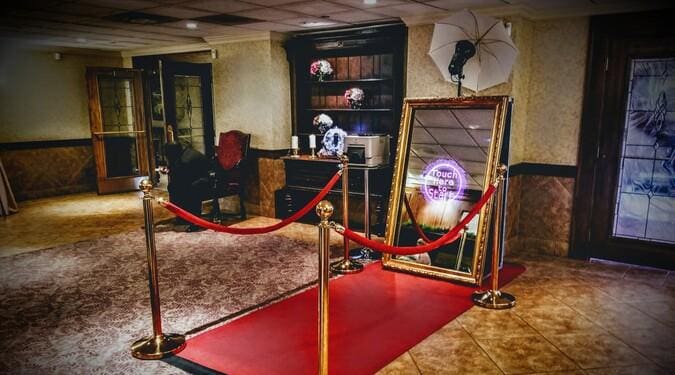
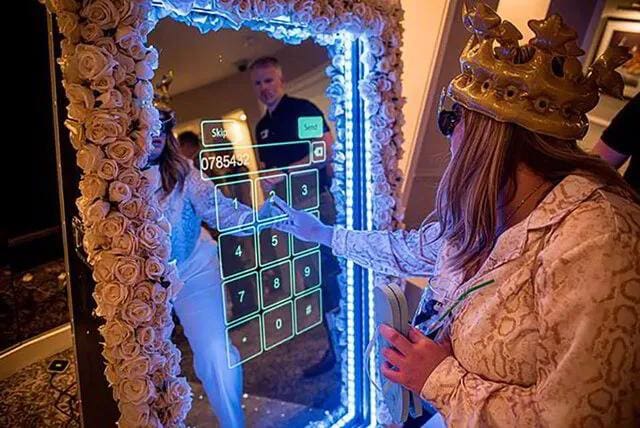
Photo booths tend to be a smart add-on when you want entertainment beyond dancing. They give guests something interactive to do during cocktail hour or open dancing, and they work especially well for mixed-age crowds. Digital booths and 360 booths create a different kind of momentum than a traditional print setup, so the best choice depends on the vibe you want.

Bundled photography and videography can also be a strong move if you want one team working from the same timeline. The benefit is not just convenience. It is coordination. When entertainment and media teams are aligned, moments tend to feel less rushed and more intentional.

For multicultural weddings, bilingual MC services or specialty segments like Hora Loca can be more than an add-on. They can be central to making the celebration feel authentic to your families and guests. If that is part of your vision, it should be discussed from the beginning, not added as an afterthought.

What package fits your wedding style?

If you are planning a smaller wedding with a relaxed timeline, you may not need the biggest package on the menu. A focused setup with ceremony audio, reception DJ service, and clean MC support might be perfect. The goal is not to buy more than you need. The goal is to get the right coverage.

If your guest list is large, your reception is formal, or your crowd loves to dance, a more complete package usually pays off. More planning support, stronger production, and a team approach create a better experience when the room is busy and the schedule matters.

If your wedding includes multiple cultures, languages, or generations with different music expectations, customization becomes even more important. A DJ should be able to blend styles, read the room, and keep everyone feeling included instead of splitting the night into disconnected parts.

This is where local experience helps too. A company that knows the rhythm of New Jersey weddings, venue logistics, and the expectations of diverse family celebrations can make the process feel a lot easier. Electrified DJ Services builds around that all-in-one model because couples want the fun part to feel effortless, not patched together.

Questions to ask before you book

Before you sign any contract, ask what is included, what is optional, and what happens on the day if something changes. Ask who your main point of contact will be. Ask how music requests are handled, how the timeline is built, and whether the DJ takes a hands-on approach with crowd interaction or a more reserved one.

You should also ask how personalized the event will feel. Some wedding DJ packages are essentially plug-and-play. Others are built around your must-play songs, your do-not-play list, your family traditions, and the kind of energy you want at each stage of the night.

That last part matters more than couples sometimes realize. A great wedding DJ does not just play hits. They manage transitions, protect momentum, and know when to shift gears. That is what turns a nice reception into a night people keep talking about.

The best package is the one that supports the whole experience

Couples sometimes shop for DJ services as if they are buying speakers and a playlist. In reality, they are choosing the pace, personality, and pressure level of a huge part of the wedding day.

The strongest wedding DJ packages are the ones that match your timeline, your guest mix, and your priorities. If you want simple, keep it simple. If you want one team to handle the soundtrack, the announcements, the lighting, and the guest engagement, choose a package that is built for that from the start.

A successful event depends on the quality of your entertainment, but it also depends on planning, communication, and execution. When those pieces are working together, the music feels better, the room feels easier, and your guests feel it too.

Choose the package that lets you enjoy your wedding instead of managing it. That is usually the smartest investment of all.

Wedding planning gets complicated fast when your DJ, photo booth, lighting team, videographer, and MC all work separately. An all in one wedding entertainment package cuts through that mess by putting the energy, timing, and guest experience under one roof. For couples who want a packed dance floor without spending months managing vendors, that kind of setup can make the whole day feel more organized and a lot more fun.

Why an all in one wedding entertainment package works

The biggest advantage is not just convenience. It is coordination.

When entertainment and media services are booked through one team, your grand entrance, first dance, speeches, lighting cues, photo booth traffic, and reception flow are planned together instead of stitched together by different companies. That matters on a wedding day. The best moments do not happen because everyone showed up with good equipment. They happen because the timing is right, the room feels connected, and the team knows what is happening next.

A strong all in one wedding entertainment package usually brings the DJ and MC together with enhancements that shape the atmosphere. That might include intelligent lighting, uplighting, digital photo booths, 360 booths, photography, videography, live streaming, and bilingual hosting. The point is not to add services for the sake of it. The point is to create one experience that feels polished from the ceremony through the last song.

For many couples, that also means fewer emails, fewer contracts, and fewer chances for miscommunication. Instead of explaining your timeline five different times, you have one team that already understands the full picture.

What should be included in an all in one wedding entertainment package?

Not every package is built the same, and that is where couples need to pay attention. Some companies use the phrase loosely and really mean DJ plus one add-on. Others offer a true event production setup.

At a minimum, a quality package should include professional DJ service, experienced MC support, sound for key moments, and planning around the reception timeline. From there, the most valuable add-ons are usually lighting and visual memory services.

Lighting changes a room faster than almost anything else. A ballroom with clean uplighting and smart dance floor effects feels intentional. It looks better in photos, feels more energetic for guests, and helps transition the room from dinner to dancing without awkward dead space.

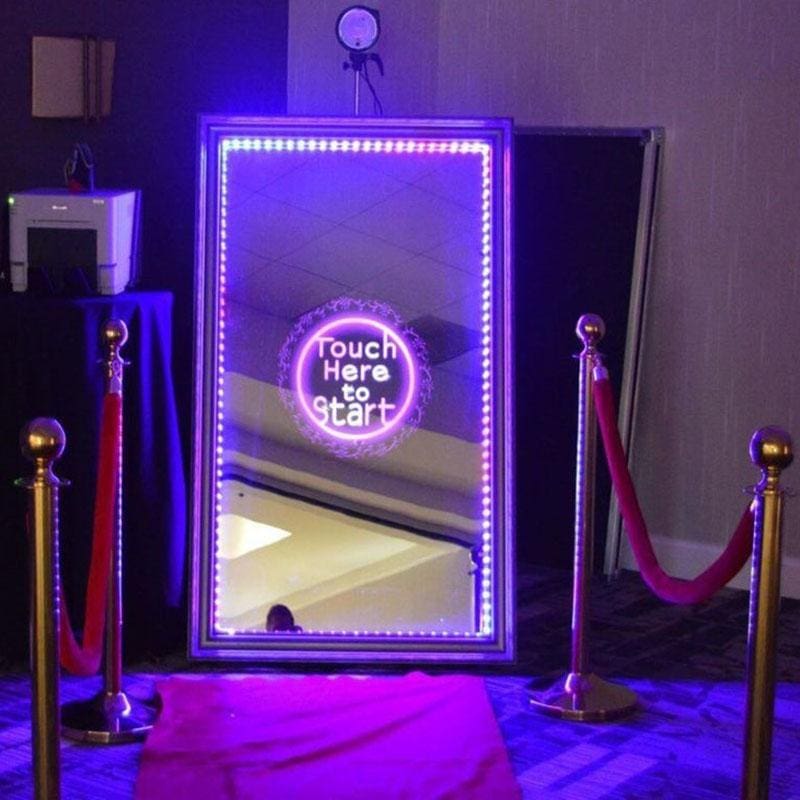
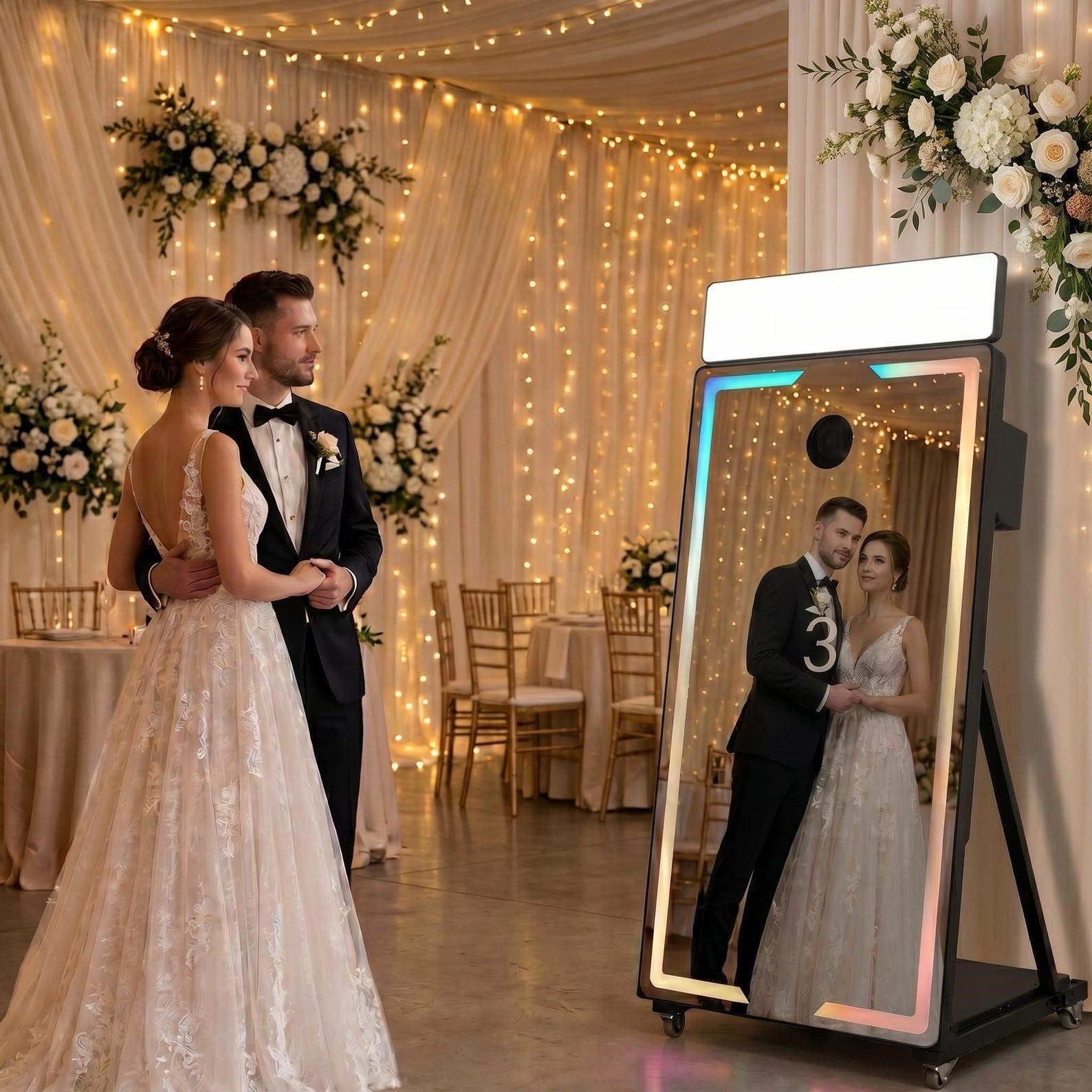
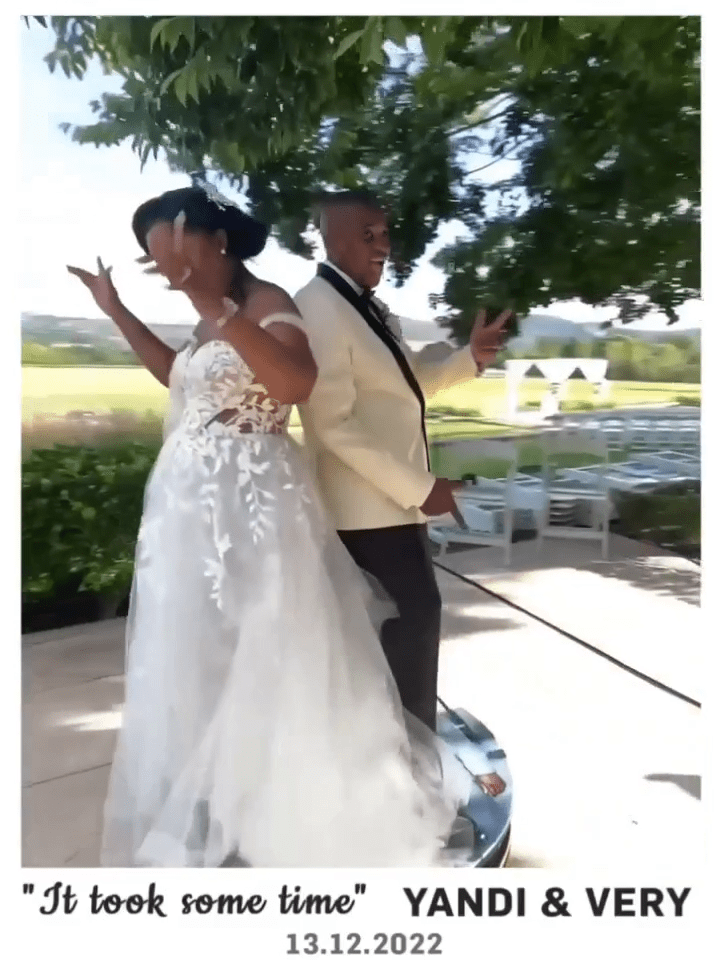
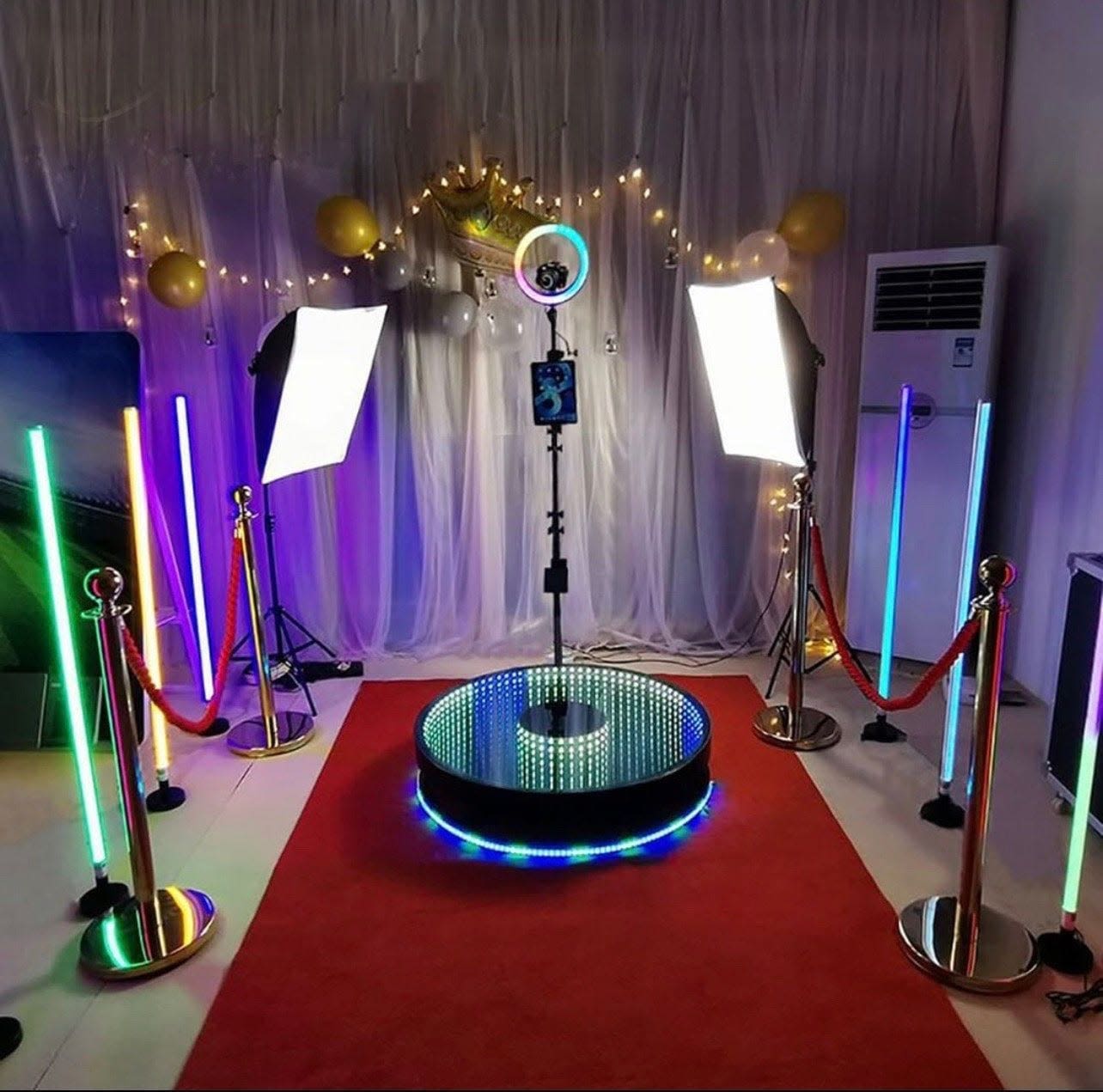
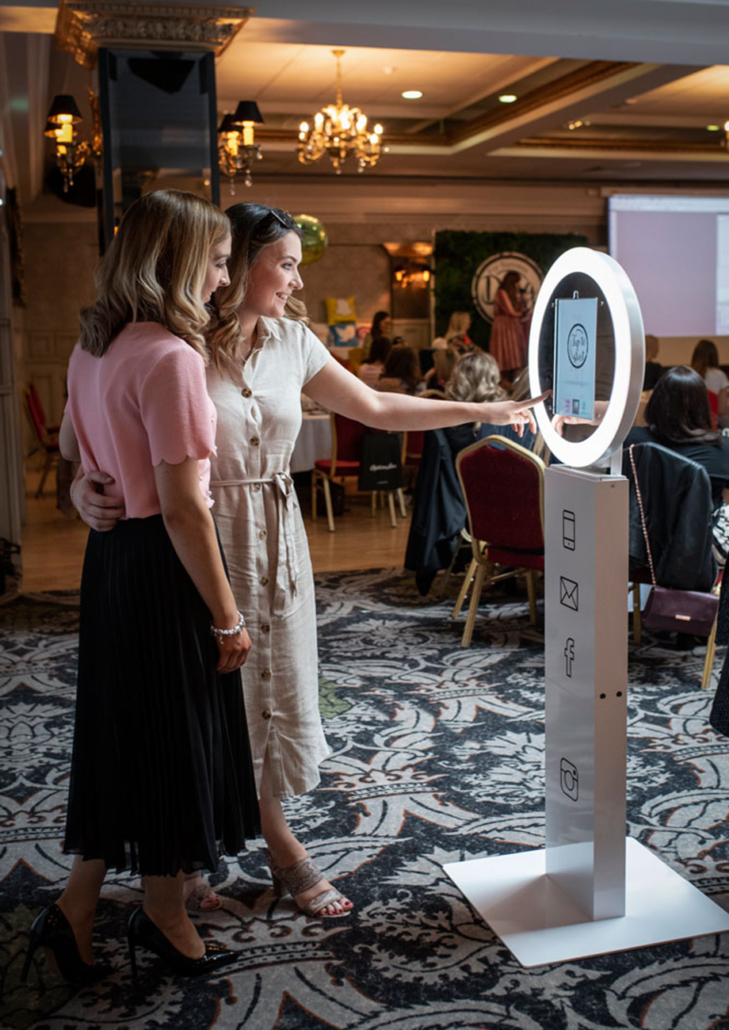
Photo booths also earn their place when they are handled well. A digital booth can keep guests engaged during cocktail hour or while the couple is taking formal photos. A 360 booth adds more of a statement piece and works best when the guest list wants a high-energy interactive feature. Neither one replaces a great photographer, but both can add a layer of guest participation that keeps the reception moving.

Photography and videography are where the all-in-one model can really stand out. When your entertainment and media team work together, they are not competing for position during introductions or major dances. They already know the timeline, the lighting plan, and where the action will happen.

The real difference between bundled and coordinated

Here is the part couples often miss. A package is only valuable if it is coordinated well.

You can book five services from one company and still end up with a disconnected event if the DJ does not communicate with the photographer, or if the MC feels generic, or if the lighting is treated like an afterthought. The best all in one wedding entertainment package is not just a bundle discount. It is a system.

That system should include pre-event planning, clear communication, music customization, and someone who can read the room in real time. Weddings are live events. Timelines shift. Toasts run long. The dance floor starts slow and then suddenly breaks open. A team that performs weddings regularly knows how to adjust without making guests feel the change.

That is especially important for multicultural weddings, bilingual households, and mixed-age guest lists. A playlist alone does not solve that. You need an MC and DJ who understand how to speak to the room, shift energy, pronounce names correctly, and respect the tone of each part of the celebration.

When this type of package makes the most sense

An all in one wedding entertainment package is a smart fit for couples who care about experience and efficiency. If you are planning a large reception, working on a tight timeline, or simply do not want to manage multiple vendors, it can save time and reduce stress.

It is also a strong option when the reception has a lot of moving parts. Maybe you are planning a ceremony on site, cocktail hour in a separate space, formal entrances, special dances, a packed dance set, and a late-night party atmosphere. The more transitions your wedding has, the more valuable it becomes to have one team handling the sound, pacing, and crowd engagement.

For couples in Northern New Jersey, there is another layer to this. Local experience matters. A team that knows the venue styles, banquet flow, guest expectations, and timing realities of weddings in this market can often prevent problems before they start.

What to ask before booking

Before you commit, ask how the package actually works on event day.

Who is your main point of contact? Is the MC separate from the DJ, or is one person doing both? Are lighting and booth attendants included? Will the photography and videography teams coordinate with the entertainment timeline? How much of the music is customized, and how much is preset?

You should also ask about setup timing, backup equipment, and how the company handles changes. If your ceremony runs late or your family wants to add a special cultural moment, you want a team that can adapt without losing control of the event.

This is also the right time to ask about personality. A wedding vendor can have all the gear in the world and still be the wrong fit if they feel stiff, distracted, or overly scripted. The right entertainment team should feel confident, organized, and easy to work with. They should sound like people who know how to lead a room without taking over your wedding.

The trade-offs to think through

This approach is not automatically right for every couple. If you already have a photographer you love, a family friend doing live music, or a venue that includes in-house lighting, a full package may overlap with what you already have.

There is also the question of specialization. Some couples prefer to book individual vendors because they want a very specific artistic style for film or photography. That can be the right move if those priorities are central to your vision. The trade-off is that you will need to manage more coordination yourself, or rely heavily on a planner to do it.

For most couples, though, the sweet spot is finding a company that offers flexible packaging instead of forcing an oversized bundle. You want the simplicity of one trusted team without paying for features you do not need.

A better guest experience from start to finish

Guests may never use the phrase all in one wedding entertainment package, but they absolutely feel the results when it is done right.

They feel it when the ceremony audio is clear. They feel it when introductions are exciting instead of awkward. They feel it when the lighting shifts at the perfect moment, when the booth is active but not chaotic, and when the dance floor stays full because the DJ is reading the room instead of playing for themselves.

That is the difference between checking boxes and creating momentum.

A company like Electrified DJ Services is built around that kind of momentum, combining entertainment, media, lighting, and guest interaction into one coordinated experience. For couples who want one team to manage the energy and the memories, that model makes a lot of sense.

Your wedding does not need more moving parts. It needs the right ones, handled by people who know how to bring them together. If a package gives you that kind of control, personality, and peace of mind, it is worth a serious look.

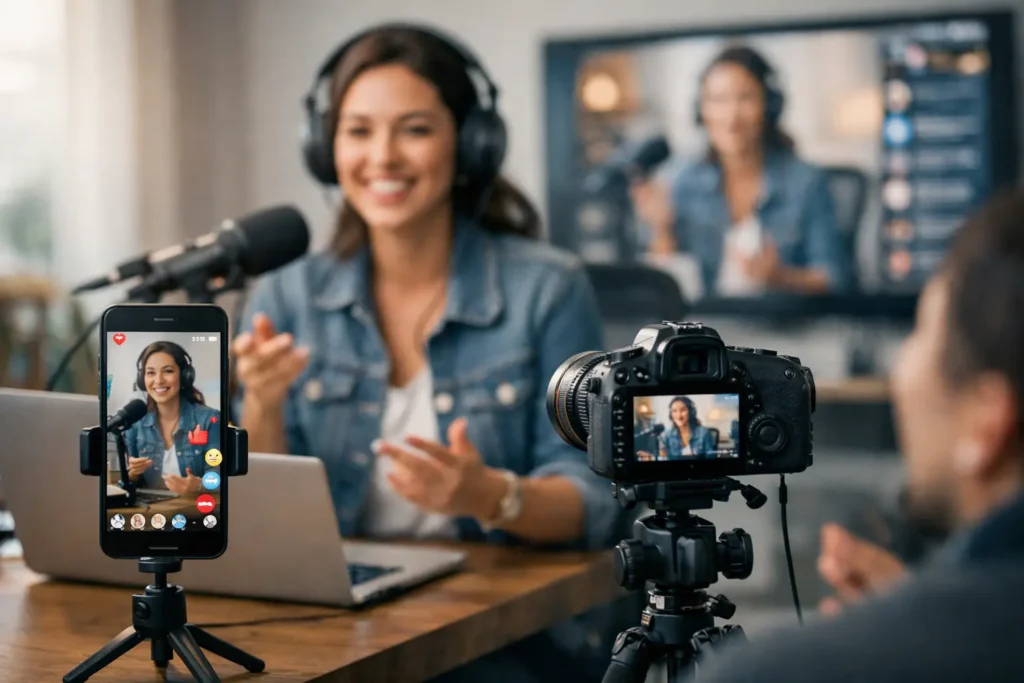
Some of the most emotional moments at an event happen in front of people who could not make it into the room. A grandmother watching a first dance from another state. A college friend catching the grand entrance between meetings. A relative overseas hearing vows in real time instead of the next day in a shaky phone clip. That is why live social media streaming events have become more than a nice extra. For many weddings and private celebrations, they are part of the guest experience.

When live streaming is done well, it does not pull attention away from the room. It supports it. The in-person crowd still gets the music, the energy, the lighting, and the shared reactions. Remote guests get a clear, intentional window into the celebration instead of a random social post or a poor-quality video from the back of the room. The difference is planning.

Why live social media streaming events matter at real celebrations

Events are more connected than ever, but that does not mean every guest can physically attend. Travel costs, health concerns, work schedules, military service, childcare, and distance all affect who can be there. Couples and families feel that gap, especially when the missing guests are people who matter most.

A strong stream closes that gap without changing the heart of the event. Guests at home can still witness the ceremony, speeches, special dances, or major reveal moments as they happen. That matters emotionally, but it also matters practically. Instead of answering follow-up texts all night or collecting clips from ten different phones, the hosts know key moments are being shared clearly and professionally.

For weddings, streaming is especially valuable because the day moves fast. Once the ceremony starts, there is no replay for the people who missed it. For sweet 16s, anniversaries, school functions, and milestone birthdays, the same idea applies. If the moment is worth producing in the room, it is worth sharing properly with the people who cannot be there.

What makes live social media streaming events successful

The best streams feel easy to the viewer because a lot of work happened before the camera went live. Success usually comes down to three things: clear priorities, reliable production, and a team that understands live events.

Start with the moments that matter most

Not every part of an event needs to be streamed. In fact, trying to broadcast everything can make the final result weaker. A ceremony, grand entrance, candle lighting, first dance, speeches, or Hora Loca segment may deserve coverage. Cocktail hour small talk probably does not.

The right plan depends on the event and on the audience. Some couples want a private ceremony stream for family members who cannot travel. Others want a more energetic social broadcast that captures the entrance, packed dance floor, and crowd reactions. There is no one-size-fits-all answer, and that is a good thing. A personalized stream always feels more intentional than a generic all-day feed.

Good audio matters more than most people expect

People will forgive a slightly imperfect camera angle. They will not stay on a stream with bad sound. If viewers cannot hear vows, speeches, or introductions clearly, the emotional impact disappears fast.

That is why streaming at events is not just about pointing a phone toward the action. Music volume, microphone levels, room acoustics, and crowd noise all have to be managed. A team that already understands DJ sound, MC timing, and event flow has a real advantage here because they know when audio needs to shift and how to keep important moments intelligible.

The stream should work with the event, not against it

This is where experience shows. A wedding is not a studio shoot. People are moving, crying, hugging, dancing, and reacting in real time. The entertainment timeline changes. The room energy changes. Sometimes the best moment of the night is not on the original schedule.

A strong streaming setup has to stay flexible without becoming chaotic. That means knowing where cameras can go without blocking guests, when to stay wide, when to get closer, and how to avoid turning a celebration into a production set. The event should still feel natural in person.

Live social media streaming events are not the same as a guest going live

This is one of the biggest misconceptions. Plenty of hosts assume a friend can just stream from a phone and call it done. Technically, yes, someone can go live. But there is a huge difference between going live and creating a stream people actually want to watch.

A guest filming casually is usually reacting to the moment for themselves. They might turn the phone vertically one minute and sideways the next. They may block the lens, lose signal, miss the key shot, or talk over the ceremony. None of that is malicious. They are guests first.

Professional streaming is different because the priority is the viewing experience and the event itself. The camera placement is intentional. The sound is considered. The stream is timed with the actual flow of the day. That protects the quality of what remote guests see, and it also protects the hosts from having to manage another moving part while trying to enjoy their event.

When streaming adds the most value

Some celebrations benefit from streaming more than others. Weddings are the obvious example, especially when families are spread across states or countries. It is also a smart addition for multicultural celebrations where not every loved one can travel, or for bilingual families who want distant relatives to feel included in a meaningful way.

Private parties can benefit too, particularly milestone birthdays, anniversaries, and retirement celebrations where the guest list may span generations. School events, proms, and community celebrations sometimes use streaming to extend the experience beyond the venue while still keeping the focus on the people in the room.
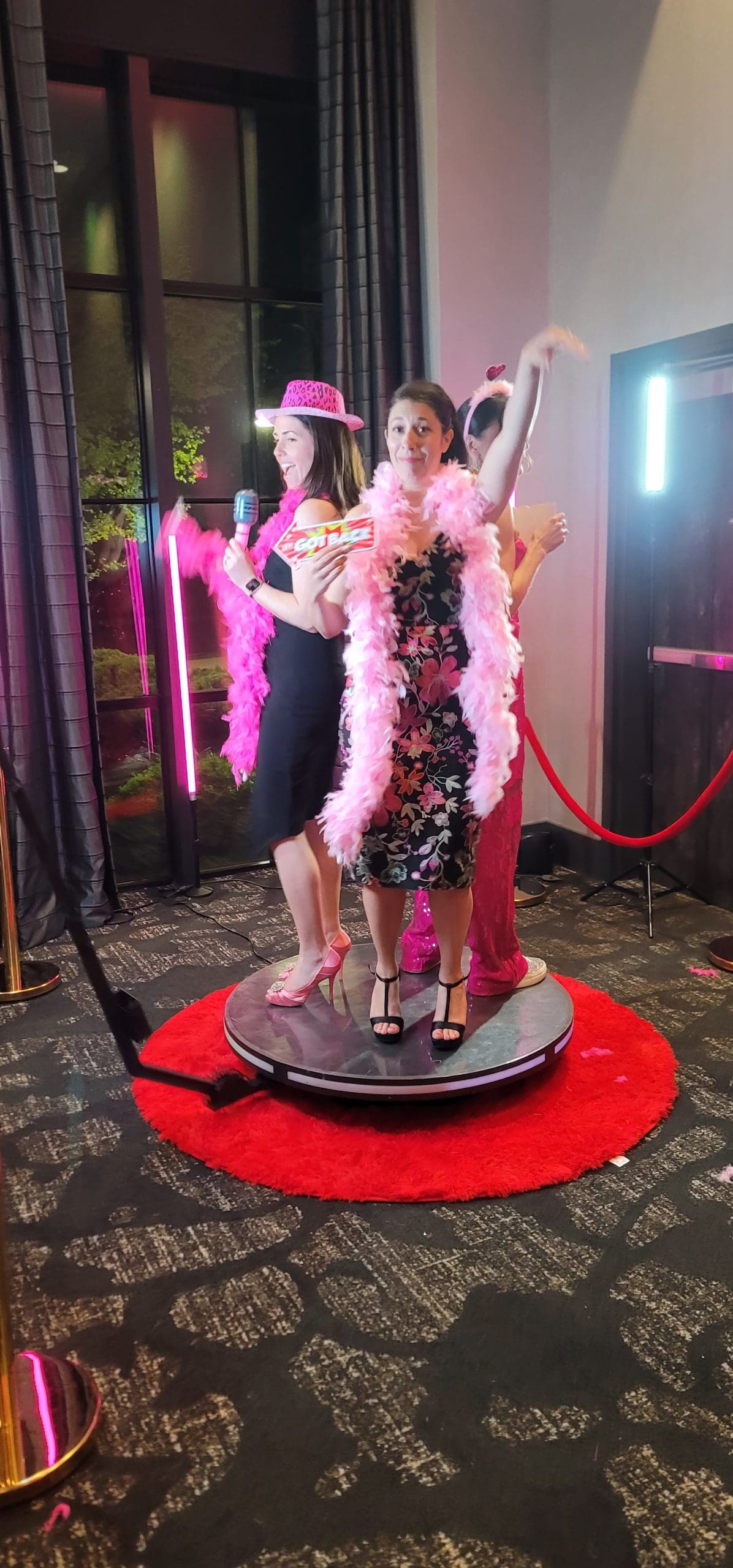
That said, not every event needs a live broadcast. If the hosts want a very intimate atmosphere or the venue has serious connectivity limitations, a recorded video option may make more sense. The right answer depends on the goal. Streaming works best when it serves the event instead of being added just because it sounds modern.

How to plan live social media streaming events the smart way

The easiest mistake is treating streaming like an afterthought. If it gets discussed too late, the result is usually compromised camera placement, unclear audio, and rushed coordination with the entertainment timeline.

It is better to decide early what remote guests need to see. Is the stream centered on the ceremony? Is it about the party energy? Is it for a private group, or is it meant for a broader social audience? Those choices affect setup, staffing, and the way the event is paced.

This is also where an all-in-one event team makes life easier. When the DJ, MC, lighting, and media coverage are coordinated under one roof, fewer things get lost in translation. The stream team knows when the introductions are happening. The MC understands what remote viewers should be able to hear. The DJ can help shape audio so that it plays well both in the room and on the broadcast. That kind of coordination removes stress for the host because there are fewer vendors trying to guess each other’s timing.

For couples and families planning in Union, Roselle, and nearby North Jersey communities, that local familiarity can make a real difference. Every venue has its own layout, signal challenges, and timing quirks. A team that knows how local events actually run is better equipped to keep things smooth when the schedule shifts or the room gets lively.

What guests remember after the stream ends

People do not remember streaming because the resolution was impressive or because the setup looked technical. They remember it because they felt included. They saw the hug, heard the speech, caught the laugh, and felt like they were part of a moment they would have otherwise missed.

That is the real value. Live streaming is not there to replace being in the room. Nothing can do that. It is there to widen the circle without weakening the experience for the guests who showed up in person.

At its best, a live stream becomes part of the event’s hospitality. It says, we thought about the people who could not make it, and we made space for them too. That kind of planning always feels generous, and guests notice.

If you are already putting energy into the music, the timeline, the atmosphere, and the memories, it makes sense to give remote guests more than a shaky phone video. Give them a real seat at the celebration.