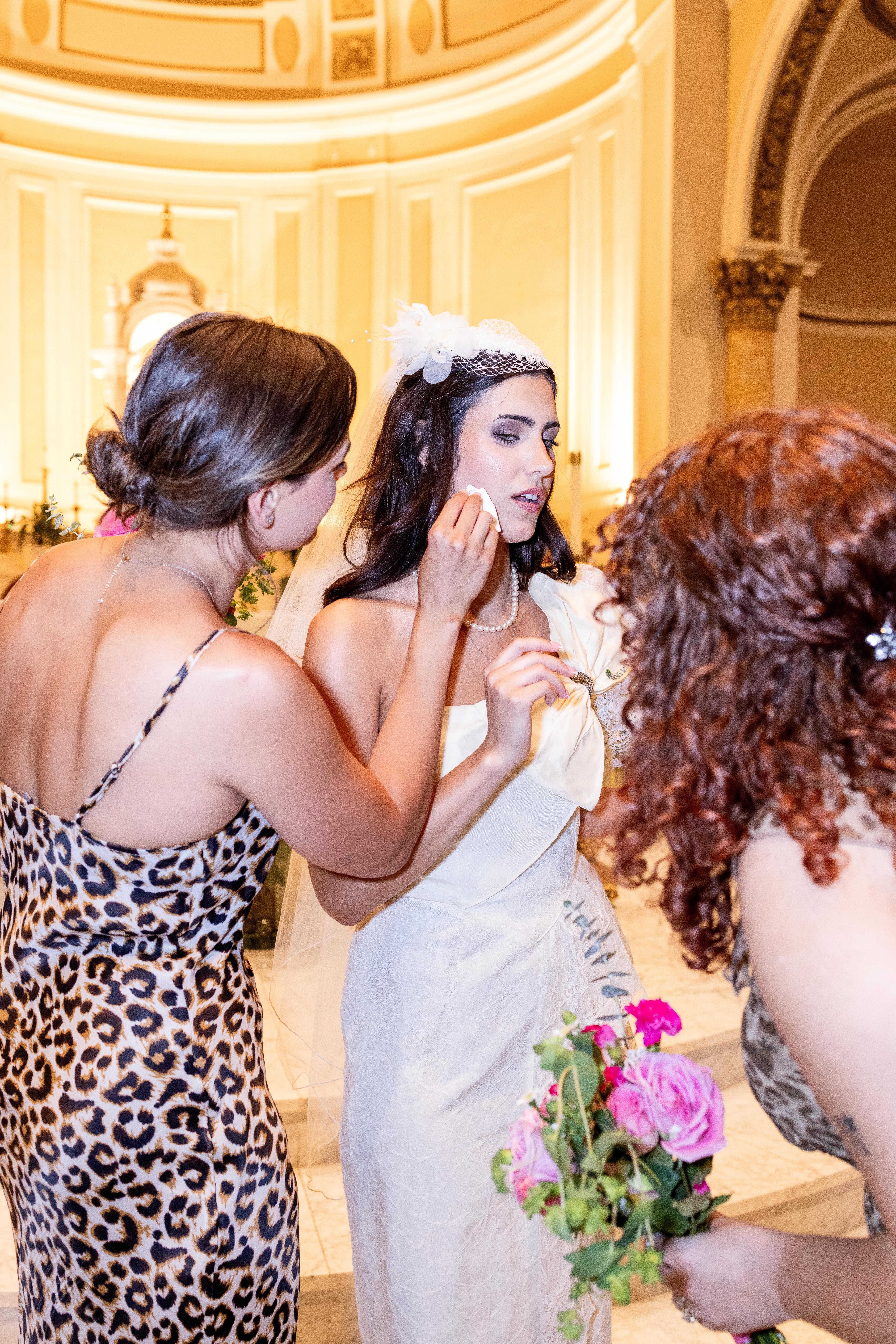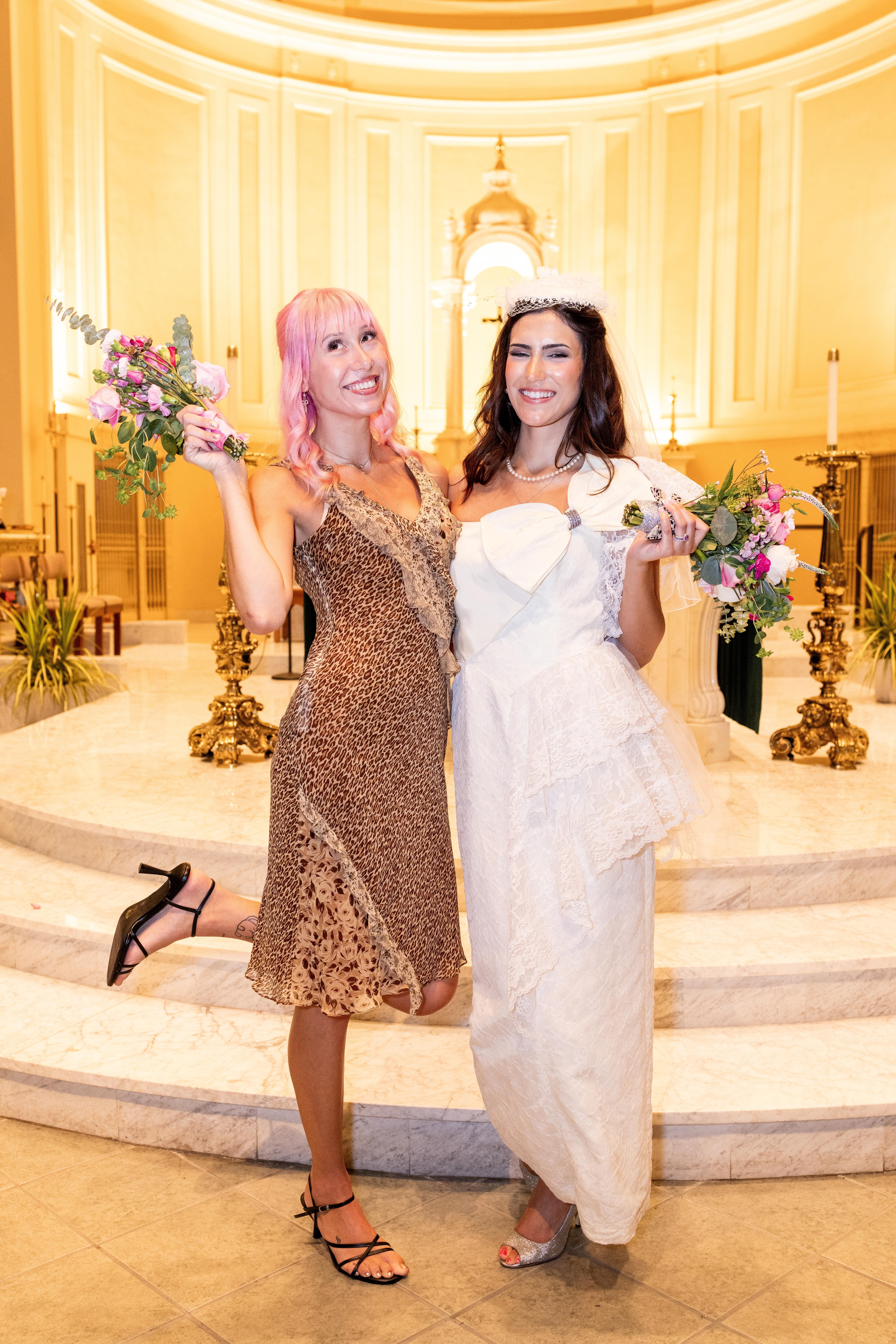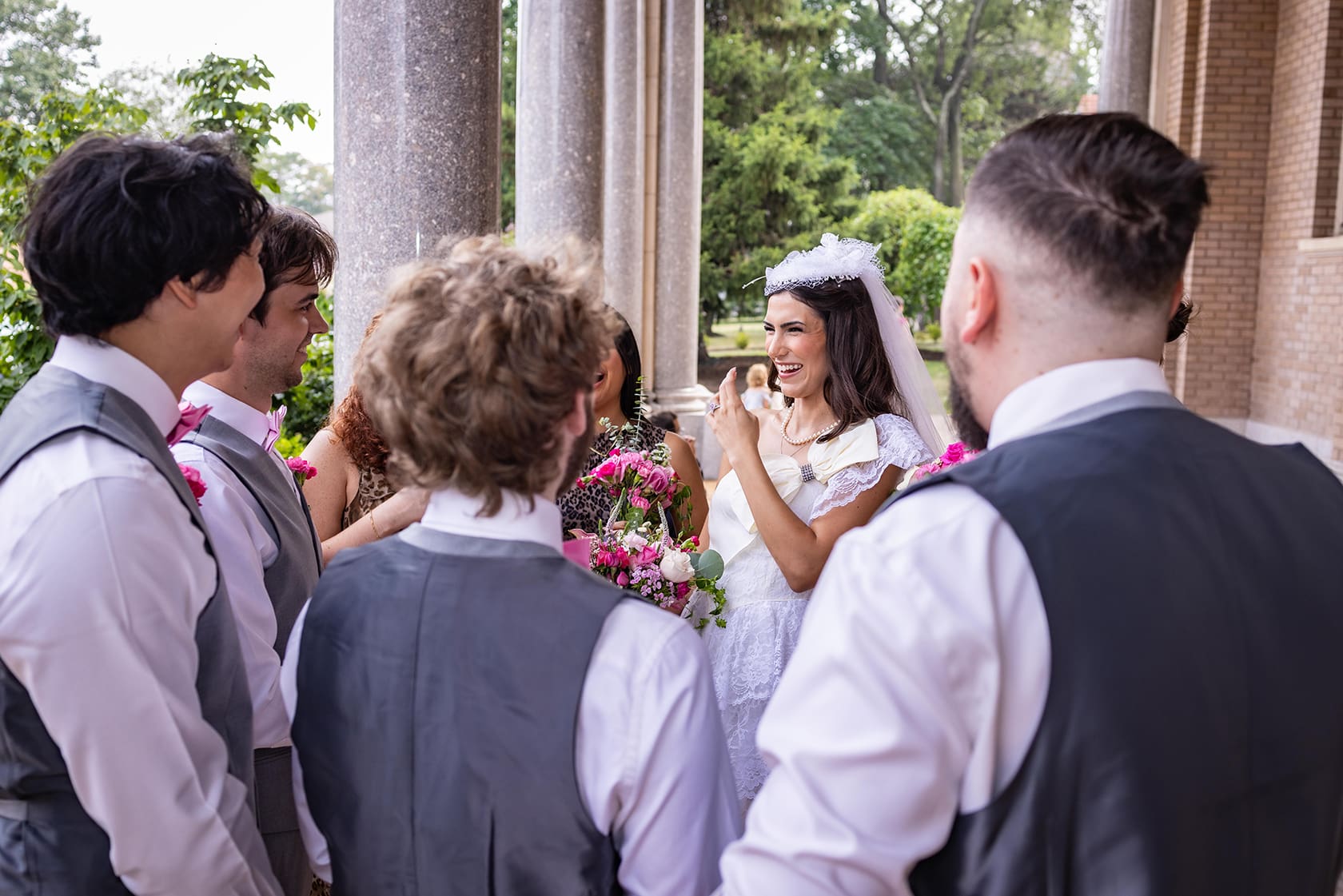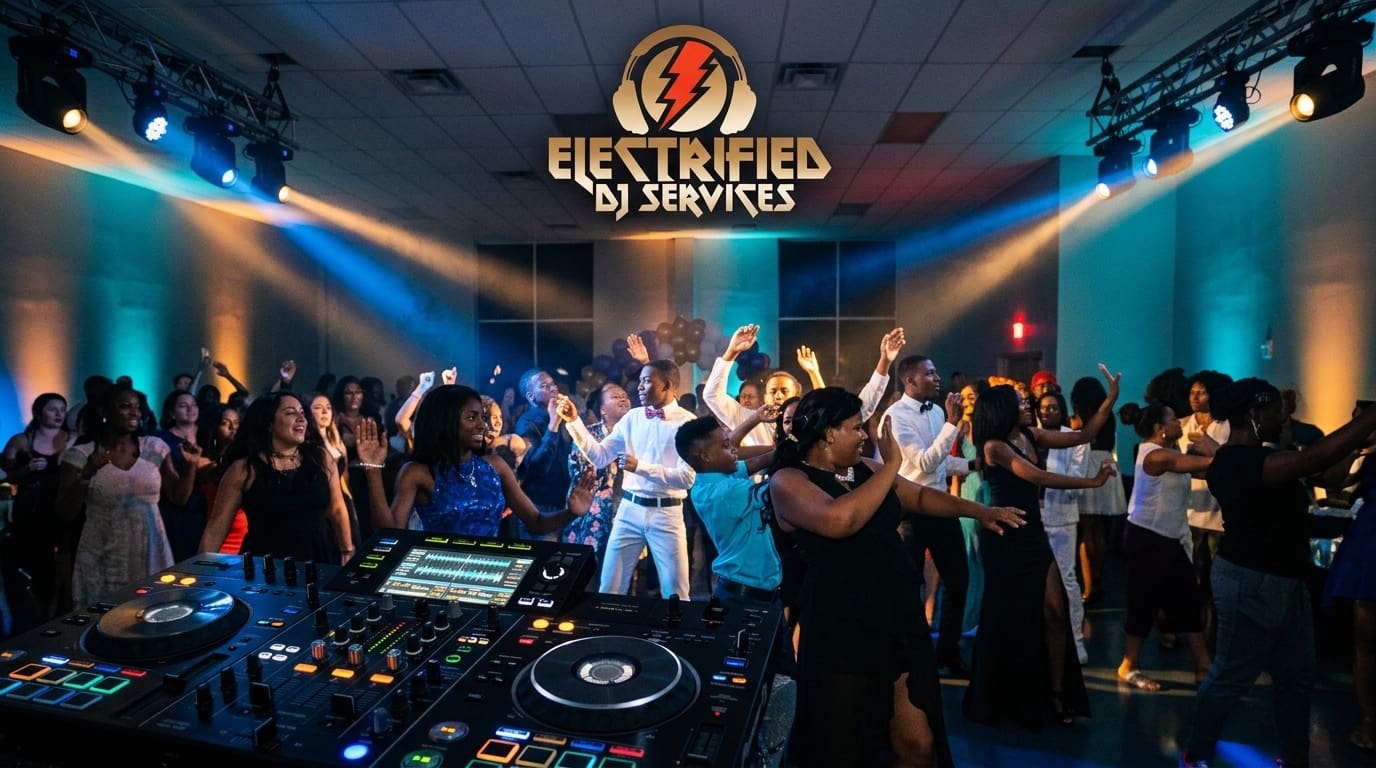
The best receptions do not feel like someone is checking boxes on a clipboard. Guests feel welcomed, fed, entertained, and pulled toward the dance floor before they have time to wonder what happens next. That is the real purpose of a guide to wedding reception flow: creating a celebration with momentum, personality, and enough breathing room for everyone to enjoy it.
A successful wedding reception flow creates a celebration with momentum, personality, and enough breathing room for guests to enjoy. Electrified DJ Services emphasizes that a great timeline prioritizes guest experience and builds around a dependable energy arc, moving from welcome to big moments, dining, and then an active dance floor. For a five-hour reception, this could include 90-120 minutes for open dancing and cake cutting, following dinner service and toasts. The DJ and MC are essential for setting the pace, reading the room, and ensuring natural transitions throughout the event.
A great timeline is not about cramming in every tradition. It is about choosing the moments that matter to you, then giving each one the right energy. Your DJ and MC should help set that pace, read the room, and make transitions feel natural rather than overly formal.
How to Start Planning Your Wedding Reception Flow with the Guest Experience in Mind?
Before setting times for entrances, toasts, and dances, picture the reception from your guests’ point of view. They arrive after your ceremony, find a drink, greet friends, and look for a sense of what kind of night this will be. Cocktail hour is where anticipation builds, so it should have its own mood rather than feeling like a waiting period.
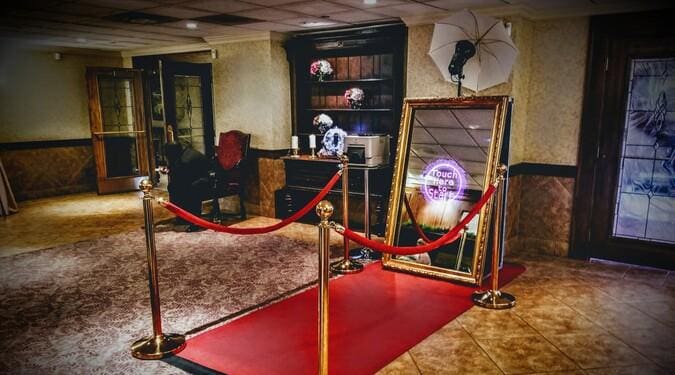
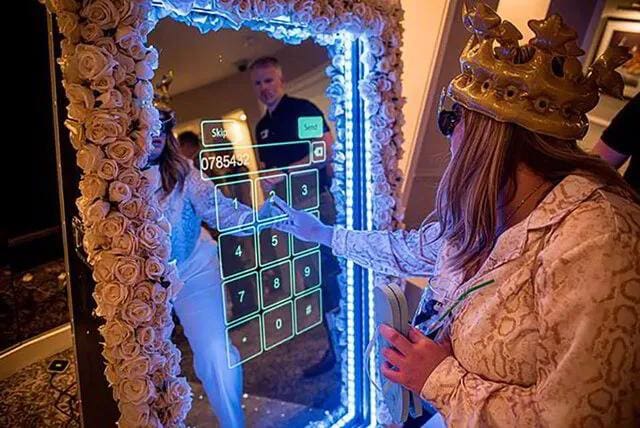
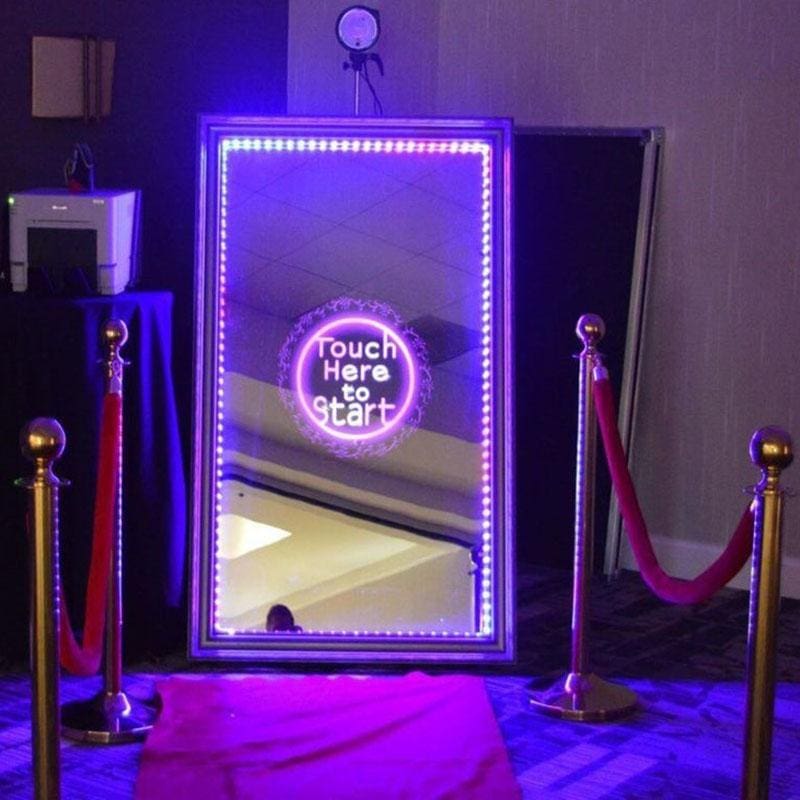
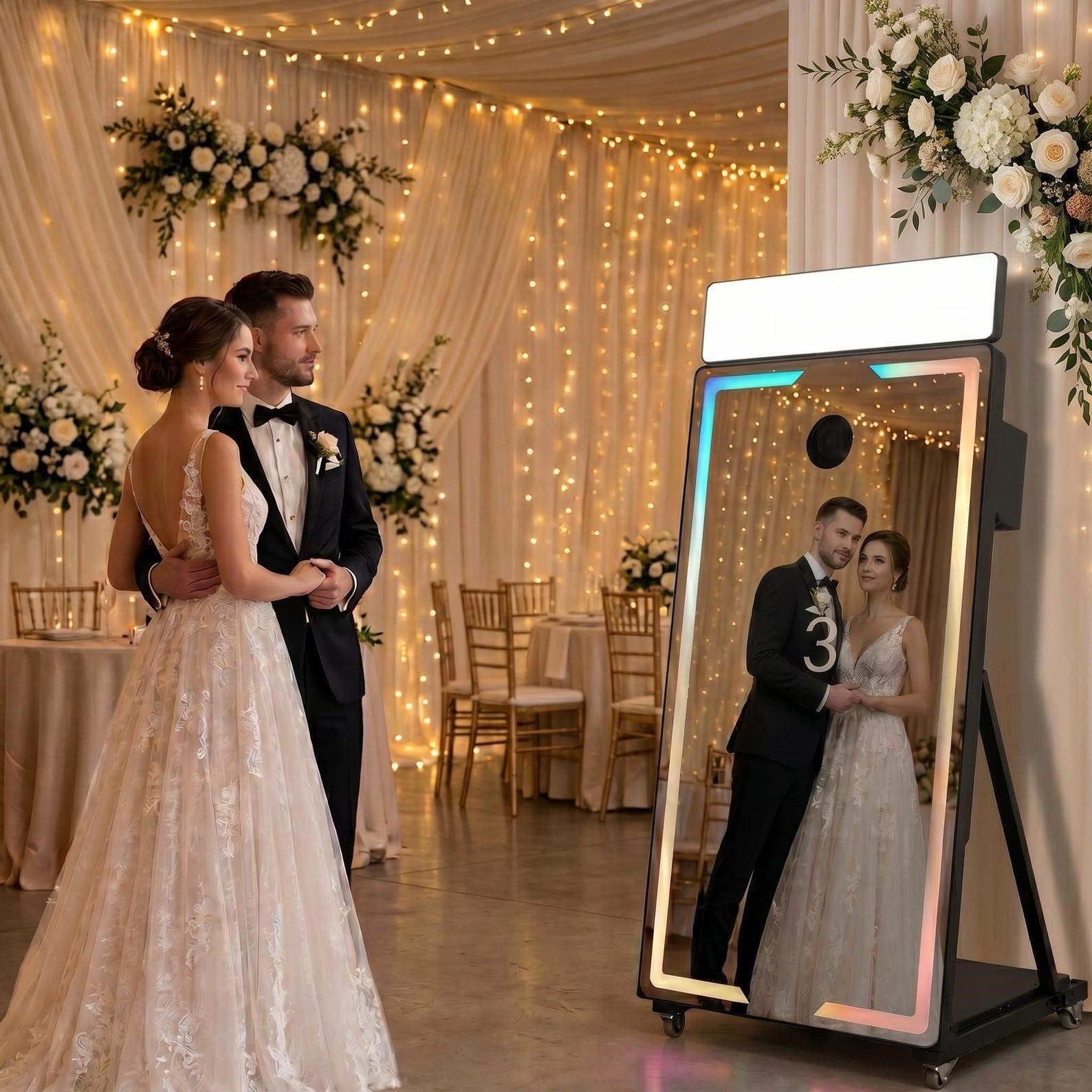
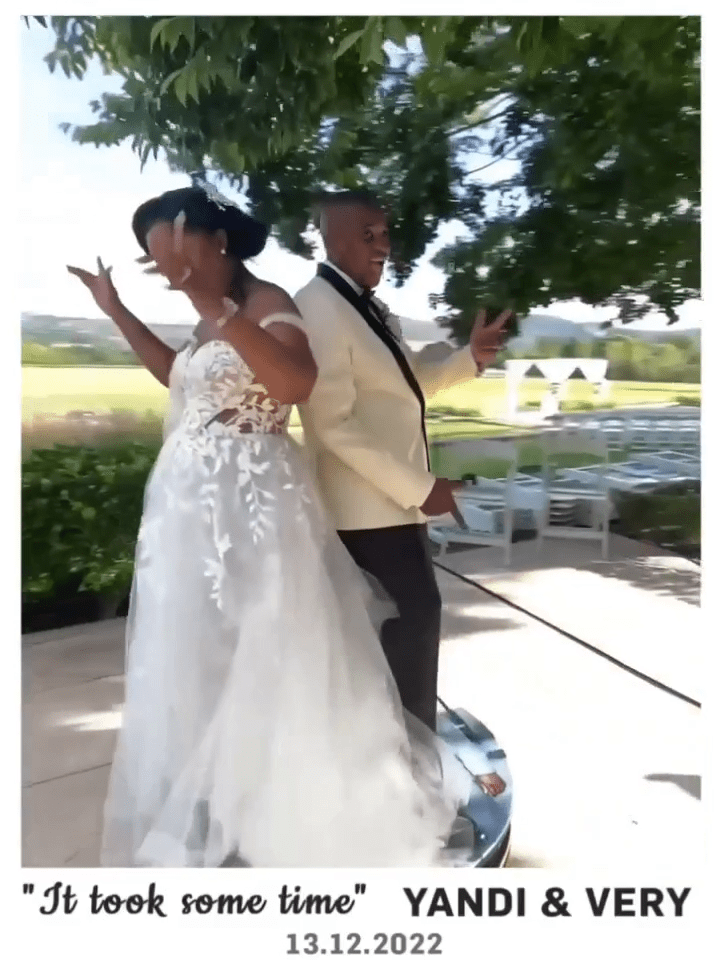
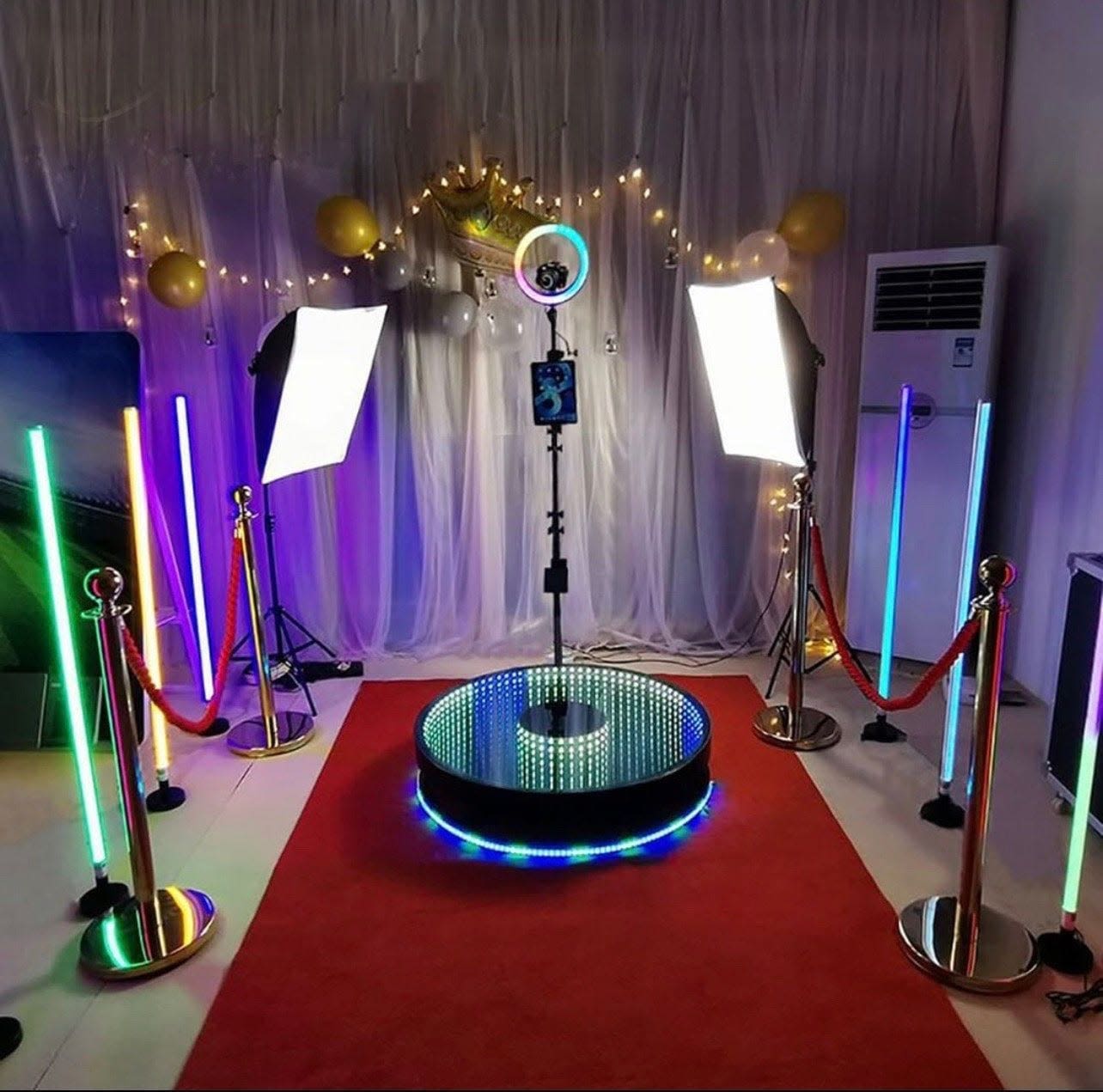
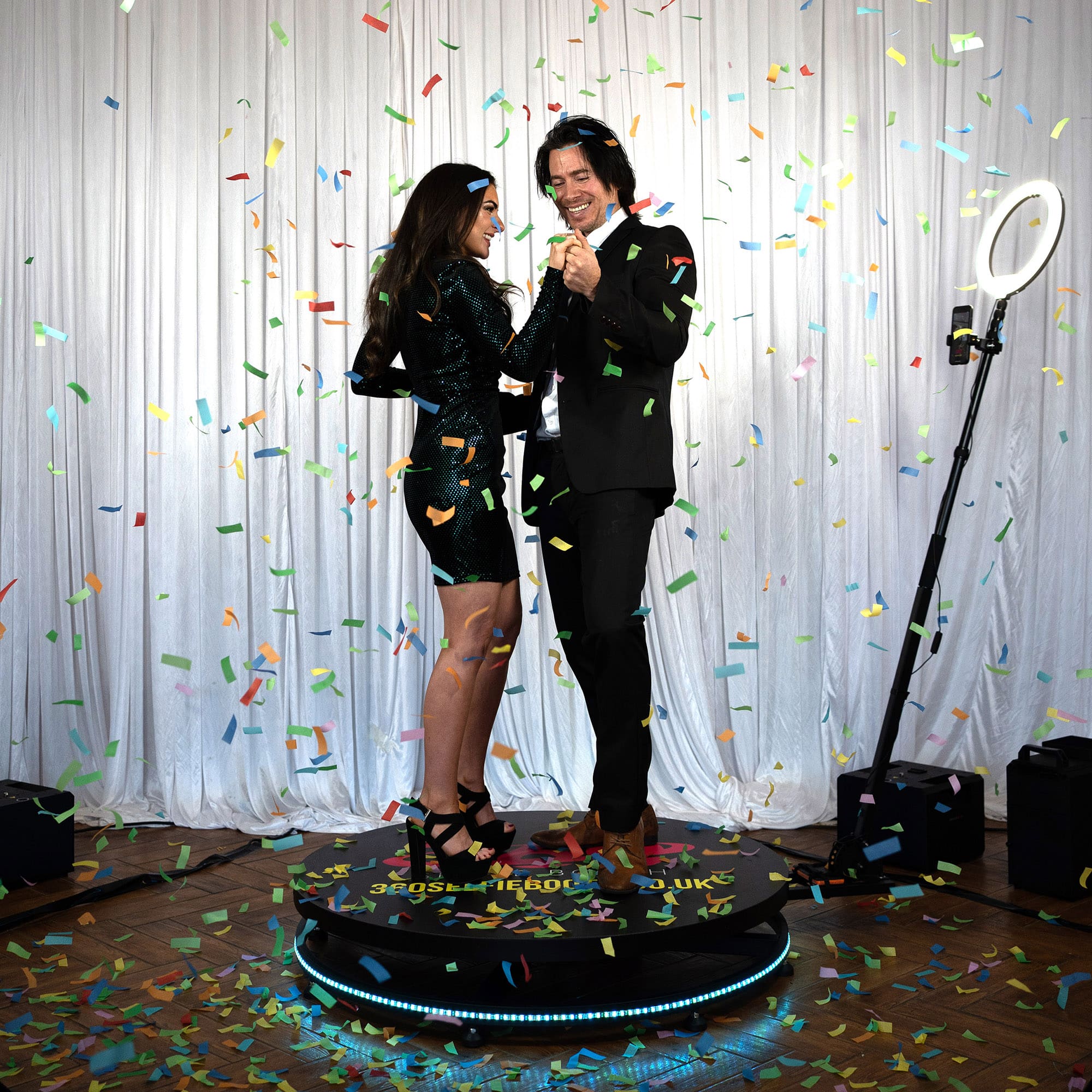
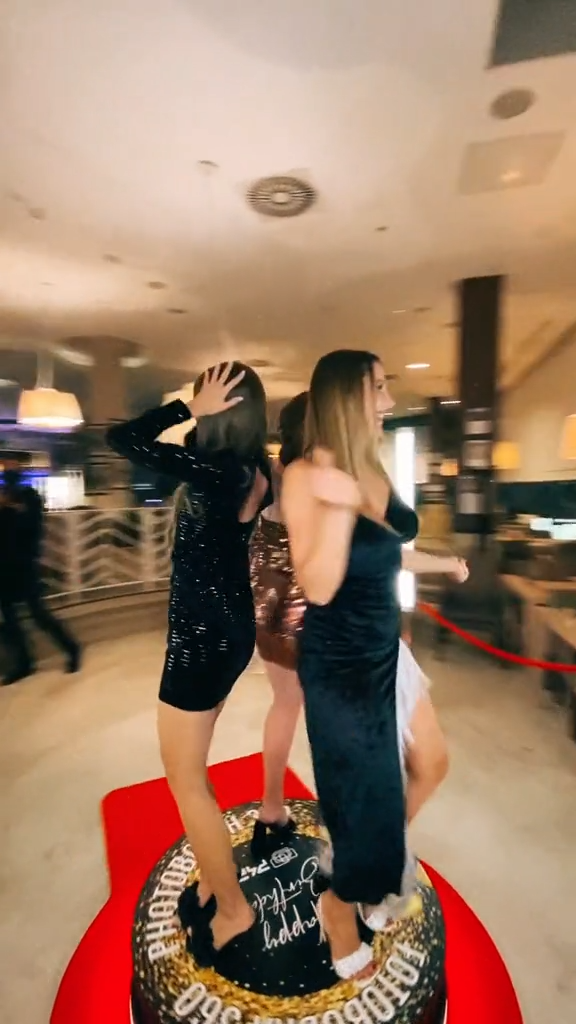
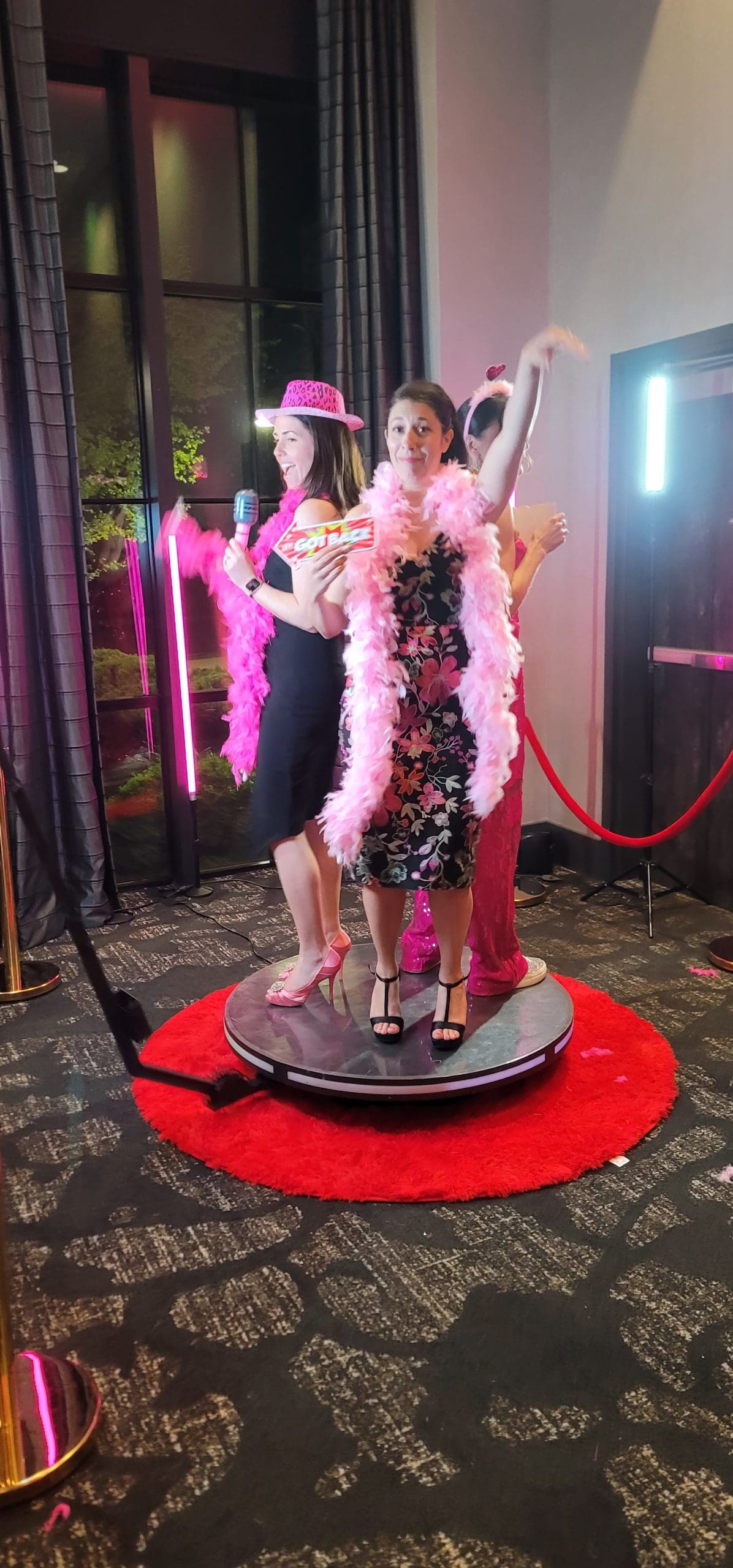
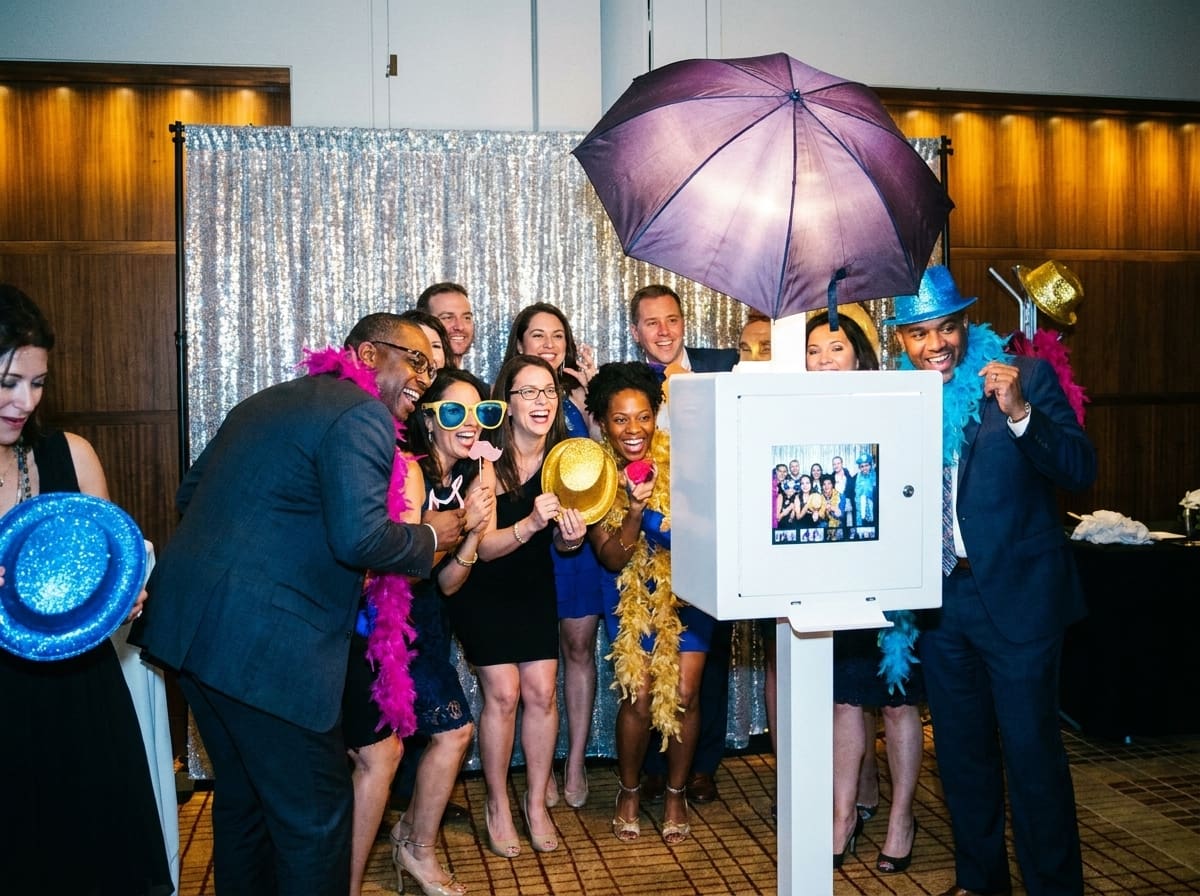
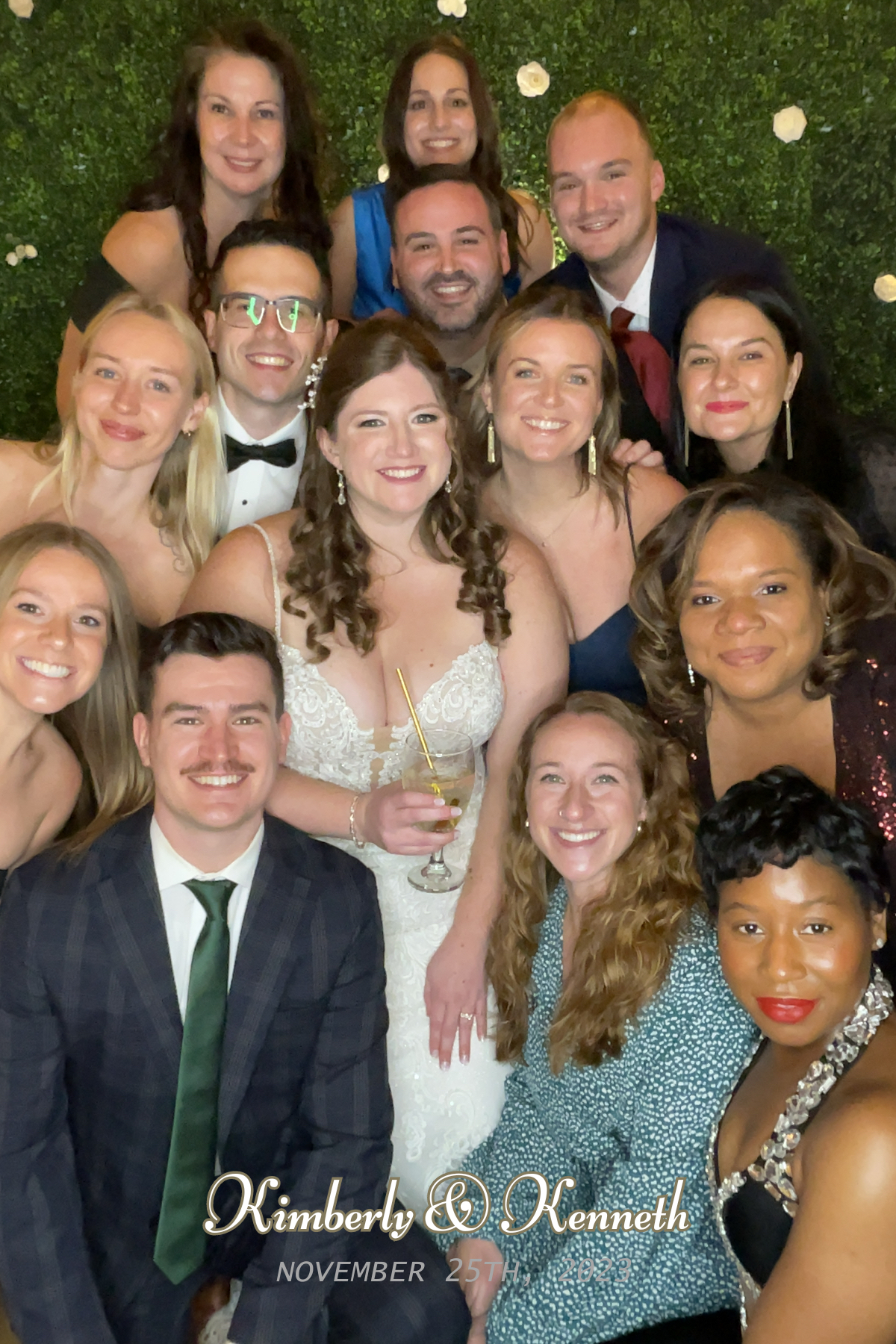
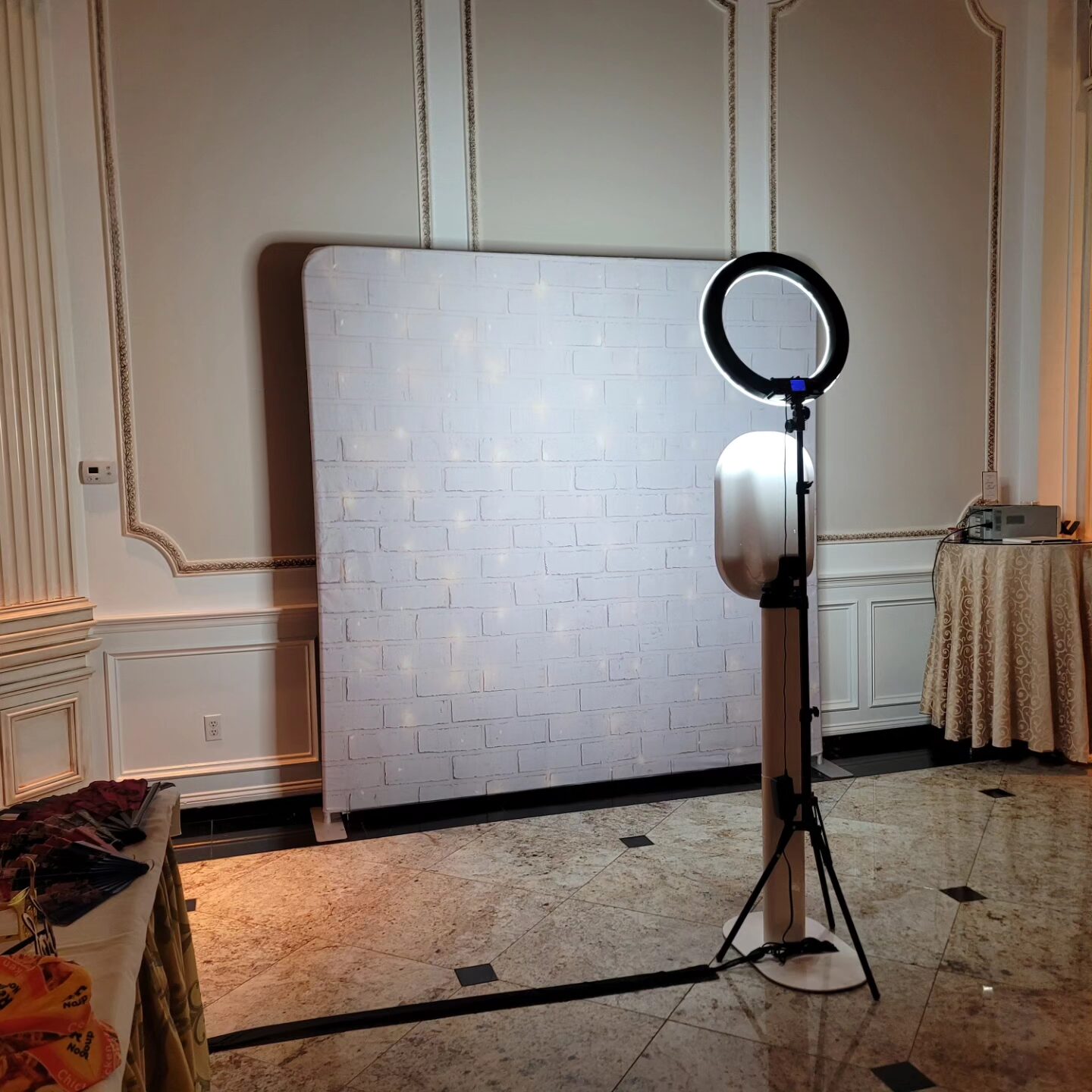
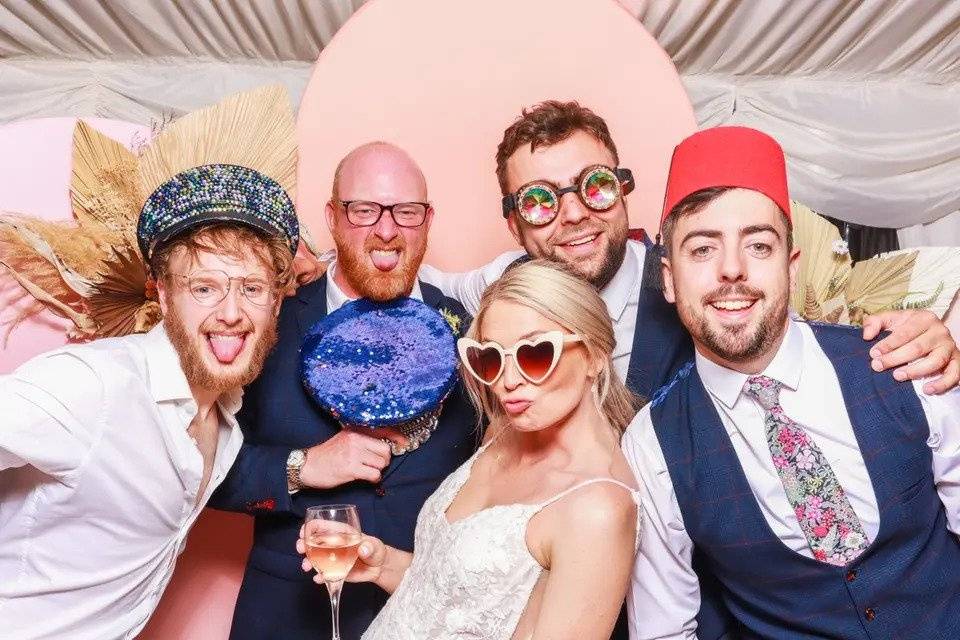
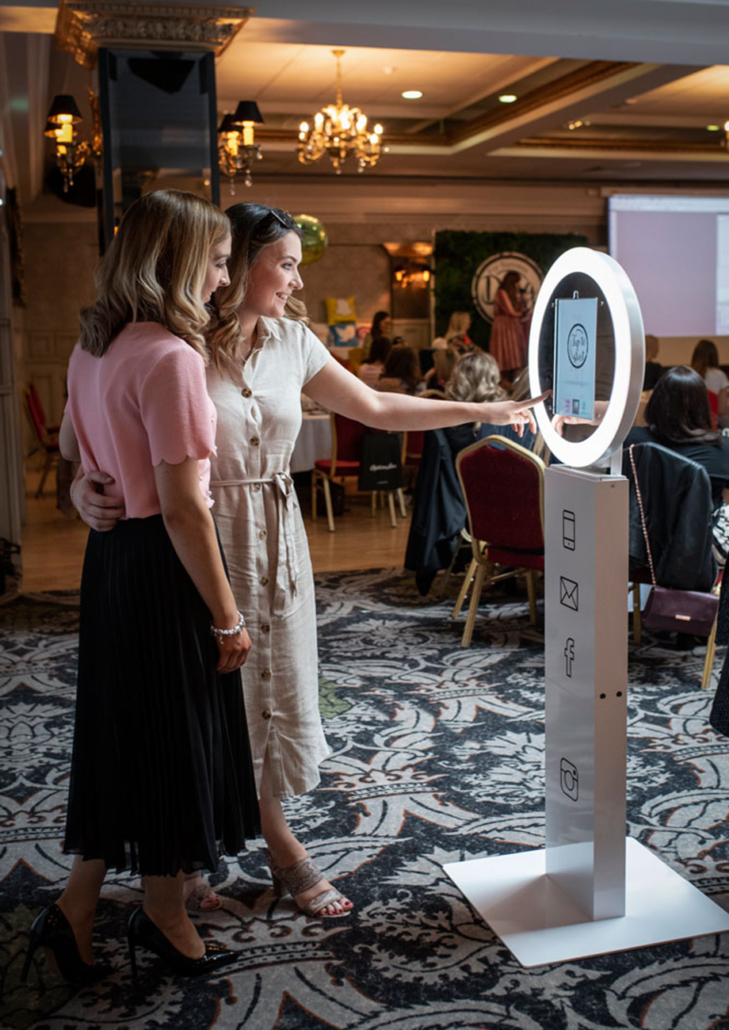
Use this time for music that fits your style, whether that means soulful classics, Latin favorites, modern lounge tracks, or upbeat feel-good music. If you are adding a photo booth, live social sharing, or a signature lighting look, cocktail hour is a smart time to put it to work. Guests are mingling, outfits are still fresh, and there is no competition with dinner or dancing.
The transition into the reception room matters as much. Dramatic uplighting, a well-timed announcement, and an entrance song with real impact tell guests that the party has officially begun.
How to Build a Wedding Reception Timeline Based on Energy Flow?
There is no one correct order for every wedding. A Sunday brunch reception, a black-tie ballroom celebration, and a high-energy multicultural wedding should not follow the same script. Still, most successful receptions move through a dependable energy arc: welcome guests, create a big moment, give them time to eat and connect, then build toward an active dance floor.
Here is a practical example for a five-hour reception:
- Grand entrance and welcome: 10-15 minutes
- First dance and parent dances: 10-15 minutes
- Dinner service and toasts: 60-90 minutes
- Open dancing with cake cutting or other formalities: 90-120 minutes
- Final dance and send-off: 10-15 minutes
Treat those numbers as a starting point, not a rule. If your family has several meaningful speakers, plan for that. If your crowd is ready to party early, do not make them wait until the final hour for open dancing.
How Does the Grand Entrance Impact Your Wedding Reception?
A grand entrance does not need a complicated routine to be memorable. It needs confidence, a song that feels like you, and an MC who can bring excitement without making the moment feel forced. Some couples want each wedding party pair introduced with individual songs. Others prefer to bring everyone in at once, then enter together for a faster, cleaner start.
Think about your room size and wedding party. A large group in a packed venue may benefit from a shorter entrance. If you have a small wedding party and love a big, celebratory reveal, give it more room. The goal is a strong opening, not an entrance that runs so long guests are already sitting back down before you arrive.
First Dance Before or After Dinner?
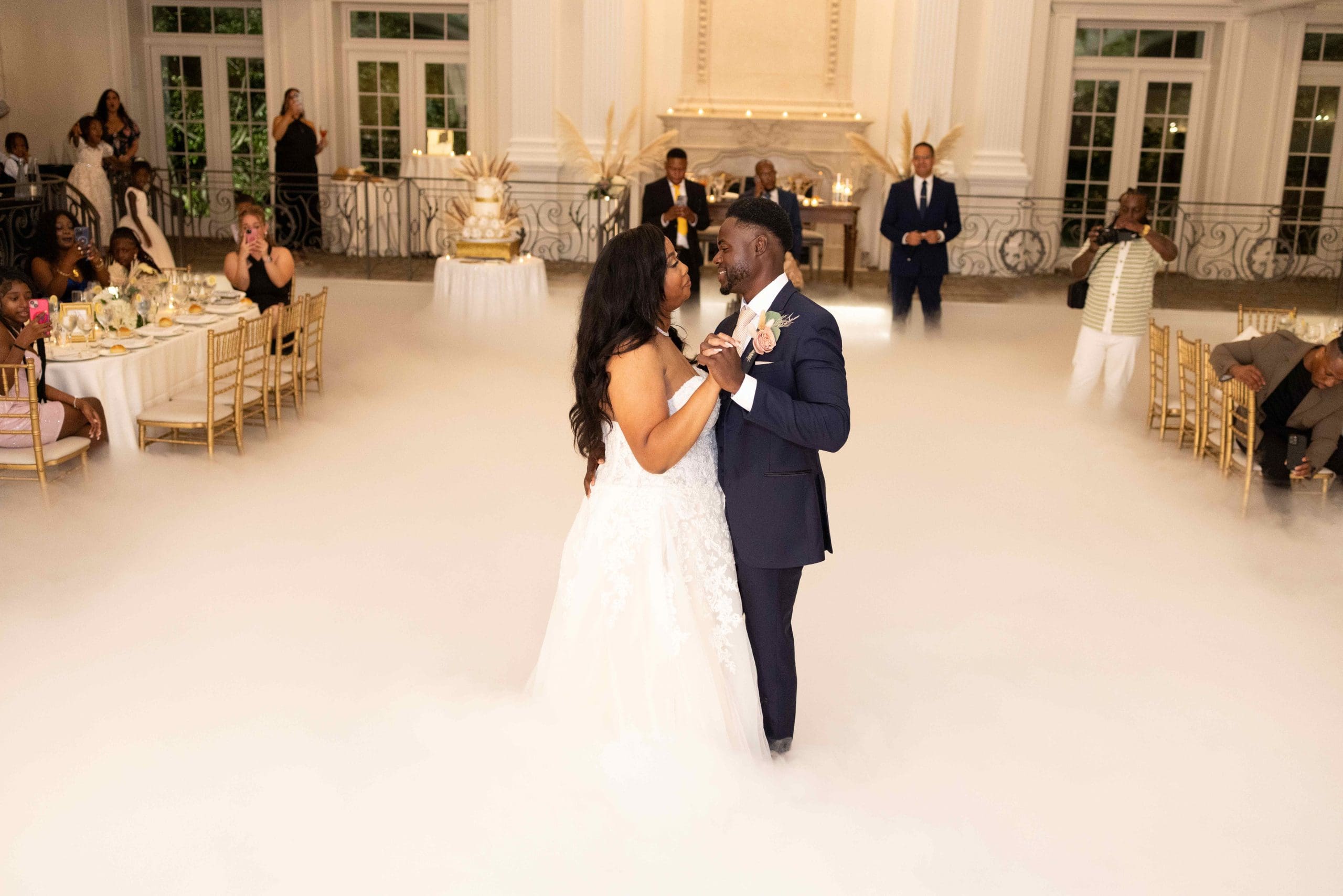
Many couples go directly from their entrance into the first dance, followed by parent dances. It creates a polished opening and lets the photographer and videographer capture those moments while the room is fully focused. It also clears the way for a more relaxed dinner.
Another option is to wait until after dinner, especially if you want a quieter, more intimate first dance. The trade-off is that guests may be more spread out or distracted by conversation. There is no wrong choice. Choose the timing that matches the feeling you want, then make sure your entertainment team has the cue points, song edits, and lighting ready.
How to Keep Dinner Flowing Smoothly at Your Wedding Reception?
Dinner is where reception flow often loses steam. Long gaps, too many announcements, or a delayed meal can make guests restless. That does not mean dinner has to be rushed. It means the room needs a plan.
If you are serving a plated meal, toast timing can help fill natural pauses between courses. For buffet or stations, it may make more sense to let tables eat before starting speeches so guests are not walking around during an emotional toast. Coordinate this with your venue and caterer early. Your DJ can manage the microphone and music, but meal service timing affects the entire room.
Keep speeches meaningful and focused. Two to four speakers is often plenty, and asking each person to aim for two to three minutes is completely reasonable. A heartfelt toast lands harder when it does not become a 15-minute story with three inside jokes no one else understands.
Background music should stay present during dinner, not disappear. It gives the room warmth, supports conversation, and lets your DJ begin reading the crowd. If guests start singing along from their seats, that is useful information for the dance set ahead.
How to Intentionally Open Your Wedding Reception Dance Floor?
The dance floor does not magically fill because the formalities are over. It needs an invitation. A strong DJ builds the opening set around songs your crowd will recognize and respond to, then adjusts based on what is happening in real time.
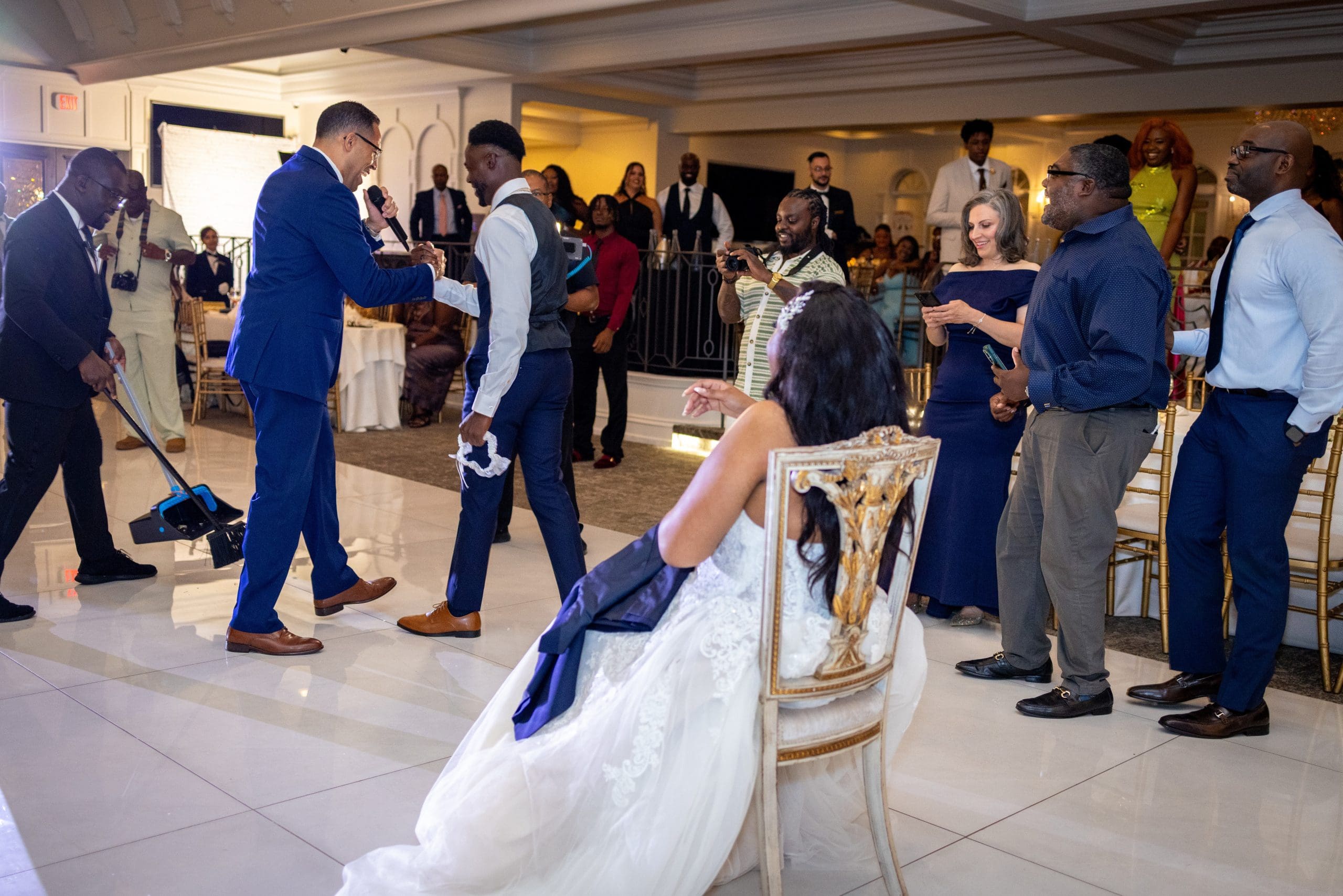
One effective approach is inviting guests onto the floor for a high-energy group song immediately after a key moment, such as the cake cutting or a final parent dance. Another is asking your wedding party and closest friends to be ready for the first few songs. A packed floor early creates permission for everyone else to join.
Avoid scheduling every tradition back-to-back right when dancing begins. If you want a bouquet toss, anniversary dance, hora, or a surprise performance, space those moments through the night. Each can refresh the room and bring a new group of guests into the action.
For couples planning a bilingual or multicultural celebration, flow is especially important. Spanish-language announcements, Latin music sets, a Hora Loca, or cultural traditions should feel integrated into the party rather than tacked on as a separate segment. Share the priorities with your DJ in advance: which songs are non-negotiable, which relatives need to be recognized, and when you want the biggest burst of energy. A well-planned Hora Loca, for example, can be the perfect late-night lift when the crowd needs a second wind.
Why Should You Protect Time for Photos, Guests, and Surprises in Your Wedding Timeline?
A reception timeline should leave room for the moments you cannot schedule precisely. Your grandmother may pull you aside for a photo. Your college friends may organize a surprise. You may want ten quiet minutes together to take in the room you worked so hard to create.
Plan sunset portraits with your photographer if the timing allows, but tell your DJ and catering team so they know when you will step away. You do not want your biggest dance-floor moment, cake cutting, or toast happening while you are outside.
Also consider when your photo booth will be most active. It may get plenty of use during cocktail hour and open dancing, but it can become a major attraction if placed where guests can access it without leaving the party entirely. Entertainment, lighting, photography, videography, and guest experiences work best when they are planned as one event story, not separate vendor checklists.
A Better Guide to Wedding Reception Flow Starts With Priorities
When planning your guide to wedding reception flow, make three decisions early: which traditions are essential, what atmosphere you want at the beginning and end of the night, and who has final authority on timing. Usually, that last person is your planner, venue coordinator, or MC. Everyone should know who is calling the next cue.
Give your DJ a detailed planning form, but leave room for professional judgment. A playlist tells us what you love. A packed dance floor comes from knowing when to play it, what to mix next, and when the room needs a change of pace. At Electrified DJ Services, that combination of preparation and crowd reading is what turns a schedule into a celebration.
Your wedding reception does not need more formalities to feel unforgettable. It needs the right moments, the right music, and enough space for your favorite people to be fully present. Build the night around that feeling, and the timeline will serve the party instead of running it.