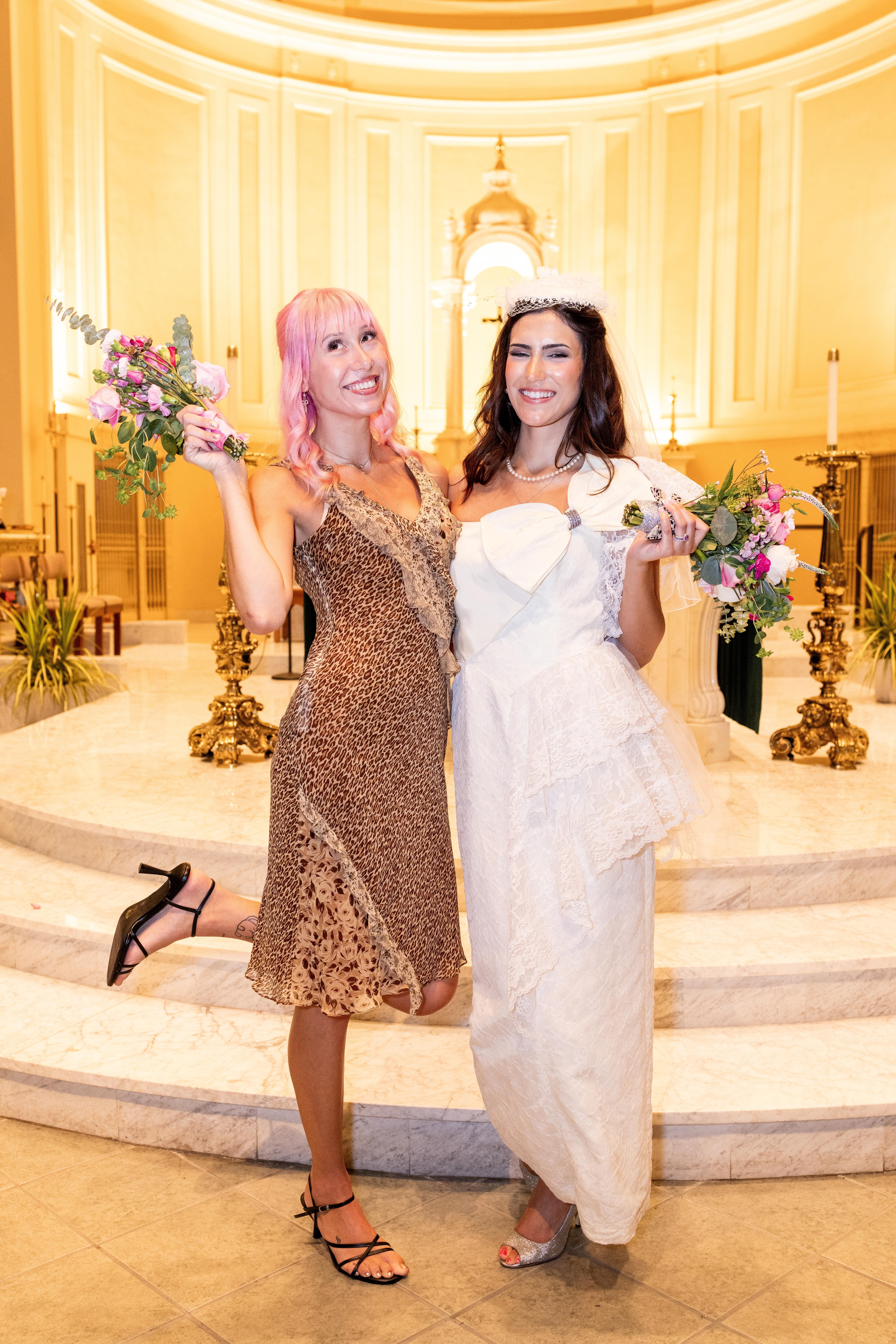
The room can be beautifully decorated, the menu can be perfect, and the playlist can be ready to go – but if the lighting is flat, harsh, or poorly timed, the whole event can feel different than you imagined. Knowing how to choose event lighting helps you create a celebration that looks polished in photos, feels welcoming to guests, and builds real energy when it is time to dance.
For weddings, quinceañeras, milestone birthdays, school events, and private parties, lighting is not just an add-on. It is one of the biggest tools for transforming a familiar ballroom, catering hall, or backyard into a space that feels like your event.
Start With the Feeling You Want Guests to Have
Before choosing fixtures, colors, or upgrades, decide what you want the room to feel like at key moments of the celebration. A black-tie wedding may call for warm, romantic tones during dinner and a more dramatic dance floor later. A sweet 16 or prom may need bold colors, movement, and a high-energy club feel from the start. A backyard anniversary party may need soft, practical illumination that lets guests mingle comfortably after sunset.
The best lighting plan changes with the event instead of treating the entire night the same way. Your ceremony, cocktail hour, dinner, formalities, and open dancing all have different needs. Soft light makes emotional moments feel intimate. Brighter, cleaner light helps guests find their seats and enjoy dinner. Dynamic lighting signals that the party has officially started.
That transition matters. Guests respond to the room around them, often before they realize it. When the lights shift after dinner and the music picks up, people know the energy is changing.
How to Choose Event Lighting for Your Venue
Your venue should guide nearly every lighting decision. Start by looking at the room’s size, ceiling height, wall color, windows, existing fixtures, and access to power. A lighting setup that looks incredible in a dark ballroom may be less noticeable in a sun-filled loft or tent with white fabric walls.
A venue with neutral walls is ideal for uplighting because color can wash the room without competing with the décor. Warm amber may make a ballroom feel elegant and inviting, while blush, lavender, deep blue, or a custom color palette can support your wedding style. In a room with brick, wood, or bold carpet, it may be smarter to use lighting strategically rather than trying to color every surface.
Ceiling height also affects your options. High ceilings can make room for dramatic effects, monograms, and larger dance floor looks, but they may require more powerful equipment. Lower ceilings can still look fantastic with uplighting, intelligent dance lighting, and carefully placed accent fixtures. The goal is not to fill every inch of the room with light. It is to direct attention where it belongs.
If your event is outdoors, plan for the real conditions, not just the Pinterest version. Walkways, stairs, entrances, restrooms, and parking paths need enough light for safety. Weather, wind, uneven ground, and power availability all need to be considered. Decorative string lighting can create a great atmosphere, but it does not replace proper event lighting where guests will be walking.
Build Lighting in Layers, Not One Big Effect
Great event lighting is layered. Think of it as creating different zones and purposes throughout the space.
Ambient lighting sets the overall mood. This may be the venue’s existing light, softened or enhanced with uplighting around the perimeter. It is what keeps the room from feeling dark or empty before the party reaches full speed.
Accent lighting draws attention to the details you invested in: a sweetheart table, head table, cake display, floral wall, entrance, lounge area, or photo booth. Pin spotting is especially valuable for cakes and centerpieces because it makes those details stand out in both real life and professional photos.
Dance floor lighting creates movement and excitement. This can include color washes, beams, programmed effects, and lighting that responds to the music. The best dance lighting brings energy without blasting guests in the eyes or turning every first dance photo into a wall of colored dots.
Finally, practical lighting keeps the event functional. Guests need to see where they are going, servers need clear paths, and older family members should not have to navigate a dark room. A good lighting designer balances atmosphere with comfort.
Let Your Photography and Video Plan Influence the Lighting
Lighting does more than set a mood. It becomes part of every photo and video from your event.
Harsh overhead lights can create unflattering shadows, especially during speeches, parent dances, and cake cutting. On the other hand, making the room too dark may limit what your photographer and videographer can capture naturally. Your media team can work in low light, but they need purposeful lighting, not complete darkness.
Talk through the moments you want documented. Ask how the sweetheart table, dance floor, ceremony backdrop, and formal entrances will be lit. If you are using a photo booth or 360-degree booth, make sure its area is visually appealing and easy for guests to find. A great backdrop can lose impact when it sits in an unlit corner.
Color choice matters here, too. Deep blue, purple, and magenta can look amazing in person, but they may affect skin tones differently in photos. That does not mean you should avoid bold colors. It means your lighting should be programmed with intention, including cleaner looks for formalities and portraits.
Match the Lighting to Your Timeline
One of the most common mistakes is choosing lighting only for the dance floor and forgetting about the rest of the night. Your entertainment timeline should shape the design.
For a wedding ceremony, guests need to see the aisle, the couple, and the officiant. During cocktail hour, warm lighting helps create a relaxed, social atmosphere. Dinner calls for enough brightness to let guests eat and talk, while speeches deserve focused light so every reaction is visible. Once dancing begins, the room can shift into a more immersive, energetic look.
This is where working with an entertainment team that understands live event flow makes a difference. The DJ or MC should not be trying to create a packed dance floor while the lighting stays in quiet-dinner mode. Music, announcements, special effects, and lighting should support the same moment.
For multicultural celebrations, that flexibility becomes even more valuable. A reception might move from elegant formal dances to a high-energy Hora Loca, a Latin dance set, or a family tradition that deserves its own visual moment. Your lighting should be able to follow the celebration, not hold it back.
Spend Your Budget Where Guests Will Notice It Most
If lighting is not your largest budget category, focus on high-impact areas instead of trying to do everything. Uplighting is often one of the strongest first investments because it changes the entire room. It can make a standard venue feel customized and tie your colors together from the moment guests enter.
Next, consider dance floor lighting if dancing is a major priority. A lively, well-lit dance floor looks more inviting and helps create the photos people remember. If you have a statement cake, elaborate florals, or a sweetheart table that will be photographed all night, accent lighting may be worth adding as well.
Some upgrades are highly dependent on the room. A custom monogram can look incredible against a clean wall, but it may not be practical in a venue with no visible projection surface. Cold spark effects can create a major entrance or finale moment, but they require venue approval, proper placement, and a timeline that gives them room to shine. Choose the elements that support your priorities instead of adding effects simply because they are available.
Ask the Questions That Prevent Last-Minute Surprises
Before booking, confirm what the venue allows and what is included. Ask about load-in times, power access, ceiling restrictions, outdoor setup rules, and whether the venue controls the house lights. Find out if uplighting needs to be battery-powered, whether candles or special effects have restrictions, and who will coordinate with the venue on event day.
It is also smart to ask who is actually operating the lighting. Automated lighting can look good, but a trained team that is paying attention to the room can make it feel personal. They can bring the lights down for a meaningful speech, highlight a grand entrance, and build intensity when the dance floor starts filling up.
At Electrified DJ Services, we see lighting as part of the entertainment experience, not background décor. When the music, MC flow, and lighting are planned together, guests feel the difference without needing to know why.
Your event does not need every lighting effect available to feel unforgettable. It needs the right light for the room, the right mood for your people, and a team that knows when to make the moment shine.