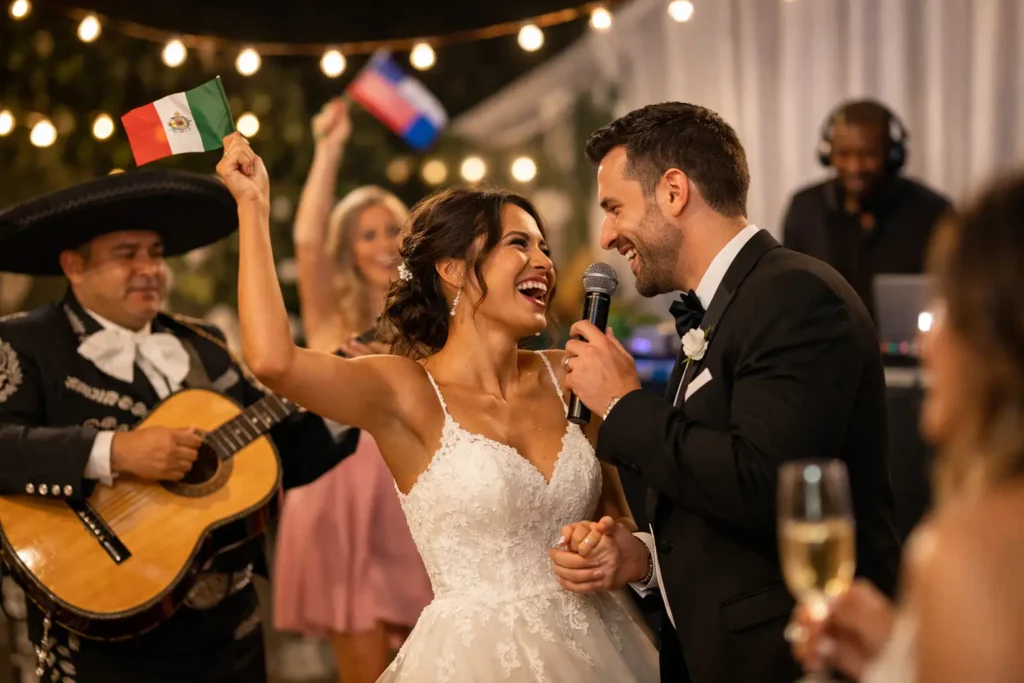
The fastest way to make a wedding feel generic is to treat the music like background noise. Guests may not remember every centerpiece or signature drink, but they will remember how the room felt when your entrance song hit, when your parents got emotional during a slow dance, and when the dance floor finally filled up. If you’re wondering how to personalize wedding playlist planning without making it stressful, the answer is simple: build the music around your story, your crowd, and the flow of the night.

A personalized wedding playlist is not just a list of songs you like. It is a plan for energy, emotion, and timing. Great wedding music should sound like you, but it also has to work in a real room with real guests. That is where couples sometimes get stuck. They want meaningful songs, but they also want a party. The good news is you can absolutely have both.

How to personalize wedding playlist planning from the start

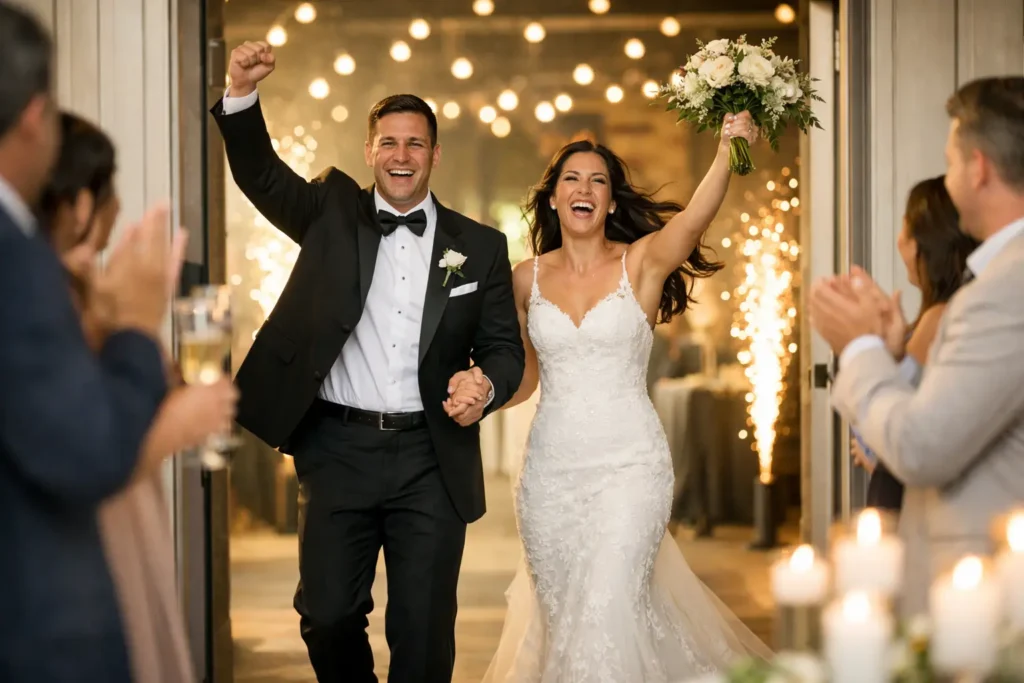
Start with the moments that matter most, not the dance floor bangers. Your processional, recessional, grand entrance, first dance, parent dances, cake cutting, and last song all carry emotional weight. These are the places where personal meaning lands the hardest because guests are actually listening.

Think about songs that already live in your relationship. Maybe it is the track from your first road trip, the song that was playing when you got engaged, or a classic your family plays at every celebration. Those choices instantly feel more personal than grabbing a trending wedding song off a random list.

At the same time, be honest with yourselves. A song can have sentimental value and still not work for the specific moment you chose. Maybe the lyrics are a little off for a first dance, or the tempo drags down your entrance. That does not mean you cannot use it. It may just belong during dinner, cocktail hour, or a private last dance instead.

The best playlists usually start with three music buckets. First, songs that define your relationship. Second, songs that reflect your families and culture. Third, songs that reliably get people moving. Once you know what belongs in each bucket, decisions get a lot easier.

Build around your guests without losing your personality

This is where smart wedding planning beats stubborn wedding planning. Your playlist should reflect you, but your reception is also a live event with multiple generations, different personalities, and a wide range of music tastes. If you only play deep cuts that mean something to the two of you, the room may admire your taste and stay seated.

A better approach is to think in layers. Personal songs create the identity of the night. Familiar songs create connection. Party records create momentum. You need all three.

For example, maybe you love indie music and early 2000s pop punk, while your family wants Motown, salsa, freestyle, Top 40, and a few wedding staples everyone can sing. That is not a problem. It is actually a stronger playlist because it gives the DJ more room to shape the energy and keep different groups engaged throughout the night.

If you are planning a multicultural or bilingual wedding, personalization matters even more. Music is one of the clearest ways to make both families feel included. A well-balanced set can move naturally between English and Spanish tracks, blend Latin favorites with mainstream hits, or carve out a dedicated moment like Hora Loca that brings a whole different level of energy into the room. The key is intention. Guests should feel the night was designed for this crowd, not copied from someone else’s wedding.

Don’t make the playlist too long or too rigid

One of the most common mistakes couples make is overbuilding the playlist. They send 200 must-play songs and expect every one of them to fit. That sounds organized, but it can actually hurt the flow of the reception.

A wedding is not a static playlist. It is a live room. Energy changes. People respond differently than expected. A song that works during one crowd’s peak may clear another crowd completely. That is why flexibility matters.

Give your DJ direction, not a cage. Share your favorites, your must-plays, your do-not-plays, and the styles you want featured. Then leave room for real-time adjustments. A packed dance floor usually happens because the DJ reads the room and mixes with purpose, not because every song was locked in six months earlier.

If you want structure, create a short must-play list, a longer play-if-it-fits list, and a clear do-not-play list. That gives your entertainment team a real sense of your taste without handcuffing the party.

Use each part of the wedding to tell a different story

Personalizing your wedding playlist gets easier when you stop thinking about the event as one long music block. Every section of the day has its own job.

Ceremony music should feel intimate

Ceremony selections do not need to be flashy. They need to feel right. Instrumental versions of meaningful songs work well here, especially if you want something modern without making the ceremony feel too casual. If faith, family tradition, or cultural customs are part of your ceremony, your music can support that beautifully.

Cocktail hour is where personality can sneak in

Cocktail hour is one of the best places to show taste without worrying about keeping the dance floor full. This is where jazz, acoustic covers, R&B, Latin lounge, soul, or relaxed throwbacks can shine. It sets the mood and gives guests a feel for who you are before the high-energy part of the night begins.

Reception music needs an arc

The best receptions build. You do not want to peak too early, and you do not want the room to feel flat after dinner. This is where experience matters. Good DJs know how to move from warm-up songs to full dance floor moments while keeping transitions smooth and guest energy high.

If you want your reception to feel personal, think less about exact song order and more about the emotional arc. Do you want the first open dancing set to feel fun and nostalgic? Do you want a late-night push with club energy? Do you want a sing-along moment that brings everyone together? Those decisions shape the room more than any single song choice.

How to personalize wedding playlist choices for special dances

Special dances can either feel unforgettable or a little forced. The difference usually comes down to authenticity. Pick songs that actually connect to your relationships, not songs you think you are supposed to choose.

Your first dance does not need to be a wedding standard. It just needs to feel like your song. If the full version is too long, ask for an edited cut. Nobody needs six slow minutes unless you truly want that moment.

Parent dances deserve the same level of thought. Ask what songs matter to them. You may discover a family favorite that means more than anything on a typical wedding playlist. That said, if a parent is shy or not interested in a full spotlight dance, you can shorten it or combine it with an open invitation to other family members. Personalization also means adjusting traditions to fit the people involved.

The do-not-play list matters more than couples think

Personalization is not only about what you include. It is also about what you avoid. A good do-not-play list protects the vibe.

Maybe you never want line dances. Maybe there is one overplayed wedding song you both cannot stand. Maybe there is a song connected to a past relationship or family situation that you do not want anywhere near your day. Say it clearly. Your entertainment team cannot read your mind.

At the same time, try not to ban every familiar party song just because it feels obvious. Sometimes the songs couples call cheesy are the exact records that get grandparents, college friends, and cousins on the same dance floor at the same time. It depends on your crowd and the kind of party you want.

Work with a DJ who can translate your taste into a real event

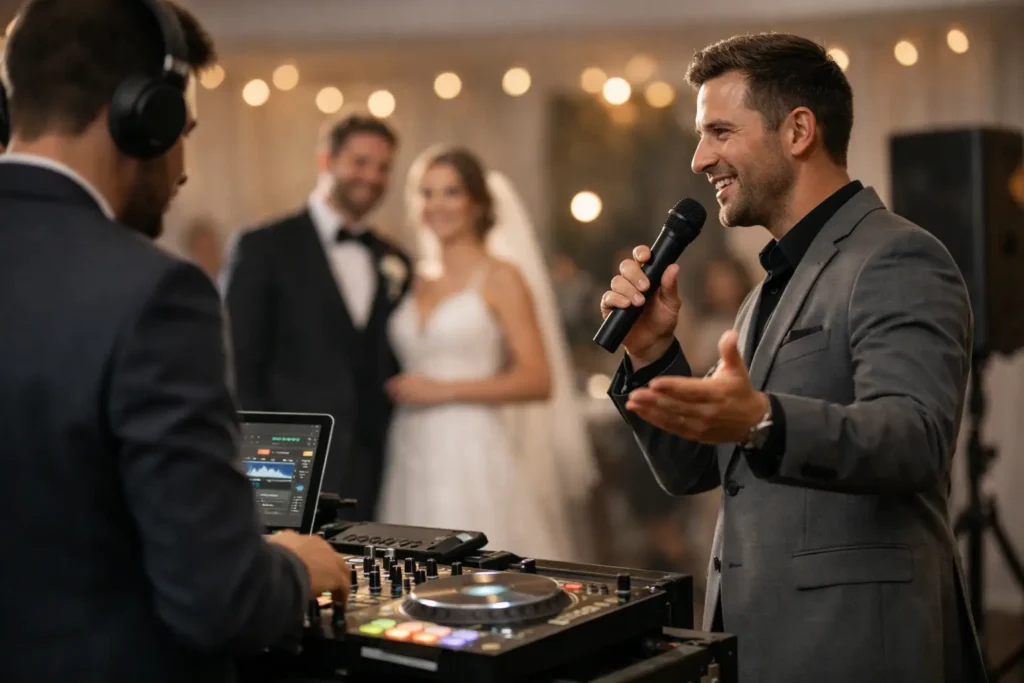
This is the part couples often underestimate. Curating music is one skill. Executing it live is another. A strong wedding DJ does more than press play. They help organize key moments, manage pacing, read guest reactions, balance your requests with crowd energy, and keep the night moving.

That matters even more if you want a playlist that blends genres, generations, and cultures. A personalized wedding soundtrack should feel intentional from the first song to the final sendoff, but it also has to breathe. The right DJ knows when to follow the plan and when to pivot.

For couples planning in New Jersey, especially those who want bilingual entertainment, polished MC support, and a team that understands how music affects every part of the timeline, that kind of guidance can save a lot of stress. It is one reason couples look for a partner, not just a playlist operator.

The best wedding music does not sound like a random mix of your favorite songs. It sounds like your relationship hosted a party and everyone was glad they came. Start there, trust the process, and let the night sound like you.

You can tell when a wedding DJ is carrying the night – guests stay in the room, transitions feel natural, and the dance floor never looks abandoned for long. That is why the right questions to ask wedding DJ candidates are not just about music taste. They are about timing, communication, crowd reading, backup plans, and whether this person can keep your wedding moving without making it feel scripted.

A lot of couples start with one basic question: how much do you charge? Fair question, but it rarely tells you whether the night will actually feel right. A lower price can still become expensive if the DJ misses cues, struggles with announcements, or needs too much direction on the wedding day. The better approach is to ask the questions that reveal how they work under pressure, how they personalize an event, and how they keep your guests engaged from entrance to last song.

Why the right questions to ask wedding DJ vendors matter

A wedding DJ does much more than play a playlist. They often act as part entertainer, part MC, part timeline manager, and part problem solver. If your ceremony runs late, your photographer needs five more minutes, or your guests lean heavily toward Latin, hip-hop, throwbacks, or clean edits for a mixed-age crowd, your DJ has to adjust fast.

That is why chemistry matters, but process matters too. A friendly personality is great. A friendly personality with a clear planning system is even better. The best DJs bring energy and structure at the same time.

Start with experience that matches weddings

One of the first things to ask is how many weddings they perform each year and how weddings differ from their other events. A DJ who crushes club sets or birthday parties is not automatically the right fit for a formal reception with parent dances, speeches, and tight vendor coordination.

Ask what parts of a wedding they personally manage. Do they handle introductions, cue special songs, coordinate with the photographer and venue, and keep formalities on track? Or are they mainly focused on music while someone else drives the timeline? Neither answer is wrong, but you need to know what role they actually play.

It also helps to ask whether they have worked at your venue or in similar North Jersey wedding spaces. Local familiarity can make setup smoother, especially when load-in rules, sound limitations, or room layouts affect how the event flows.

Ask how they build the music for your crowd

This is where a lot of couples separate polished pros from generic vendors. Ask how they customize playlists and how much input you will have. Can you submit must-play songs, do-not-play songs, and music for each part of the night? Do they guide you through selections if you are not sure what fits your crowd?

Then ask the more important follow-up: how do you balance our preferences with what keeps the dance floor going? The answer should not be, “We only play what the couple gives us,” unless you want a very fixed playlist. Great wedding DJs take your taste seriously while still reading the room in real time.

That room-reading skill matters more than most couples realize. A packed dance floor usually comes from timing, pacing, and knowing when to switch eras or genres before energy drops. Ask how they handle mixed generations, multicultural families, and guests with very different music expectations. If your wedding needs bilingual announcements, Spanish-language music, or a Hora Loca moment, bring that up early. You want to hear confidence, not hesitation.

Questions to ask wedding DJ teams about MC style

Some DJs are low-key on the mic. Others are big personalities. Most couples need to know where on that spectrum a DJ falls before booking.

Ask how they describe their MC style. Are they upbeat and interactive, polished and minimal, or highly involved throughout the night? There is no single correct answer. It depends on your event. A high-energy crowd might love a stronger MC presence. A more formal wedding may need someone who can make clear announcements without sounding like a game show host.

Also ask who will actually be speaking at your event. If you are meeting with a sales rep or owner, that does not always mean the same person will DJ and MC your wedding. You should know exactly who is assigned, how they work together if there is a team, and whether they have your planning details in writing.

Get specific about logistics and planning

This is the section couples sometimes skip, then regret later. Ask when planning begins and how detailed the process is. Will you receive worksheets, music planning forms, or timeline calls? How close to the wedding do final details need to be submitted?

A strong planning process usually means fewer surprises. Ask whether they help build the reception timeline or simply follow one you provide. Ask how they coordinate with your venue, photographer, videographer, and planner. A wedding runs better when your vendors communicate instead of operating in separate lanes.

You should also ask about setup time, sound coverage, and equipment needs. If your ceremony, cocktail hour, and reception are in different locations, make sure they can cover each space properly. One sound system in the ballroom does not solve ceremony audio on a lawn or rooftop.

Then ask the question every couple should ask: what happens if equipment fails or someone on your team has an emergency? Professional DJs should have backup gear, backup staff plans, and a clear answer ready. If the response sounds vague, keep looking.

Talk money, but ask what is included

Pricing matters, but wedding entertainment packages can look similar on paper while delivering very different experiences. Ask what is included in the base package and what counts as an upgrade. That may include ceremony audio, cocktail hour music, additional sound systems, uplighting, intelligent lighting, photo booths, live streaming, monograms, or extra hours.

This is also a good time to ask whether bundling services creates better value. Many couples prefer one team for DJ, MC, lighting, photo booth, and media coverage because it cuts down on coordination and keeps the event style consistent. It is not always the cheapest route, but it is often the easier one.

Ask how overtime works too. Weddings run late all the time. You want to know the hourly rate, how approvals are handled on the night of the event, and whether extending is even possible.

Ask about requests, flexibility, and guest management

Every wedding has at least a few guests who think they should be the DJ for five minutes. Ask how requests are handled. Will they take guest requests? Only if approved by the couple? Only if the request fits the room? The best answer usually includes flexibility with boundaries.

You should also ask how they handle awkward moments, like an empty dance floor after dinner, a late bridal party, or a song request that conflicts with your do-not-play list. This gives you a sense of professionalism and calm under pressure. Weddings are live events. Things shift.

A DJ who can adjust without making the room feel the stress is worth a lot.

What to listen for in their answers

You are not only collecting information. You are listening for confidence, clarity, and whether they make your life easier. Strong answers tend to be specific. They explain process. They show flexibility without sounding disorganized. They focus on your guests, your timeline, and your vision rather than giving you a one-size-fits-all pitch.

Weak answers are usually vague or overly rehearsed. If every response sounds like sales copy and none of it explains how the night actually works, that is a red flag. Your DJ should sound like someone who knows weddings from the inside, not someone who just wants the booking.

It also helps to notice whether they ask you good questions back. Pros want to know about your guest mix, venue, style, must-play songs, and overall priorities. If they are not curious about your wedding, they may not be focused on customizing it.

The best fit is not always the cheapest or the flashiest

A great wedding DJ is not just the person with the loudest speakers, the biggest personality, or the lowest quote. It is the team that understands how to build energy, guide the room, and keep the night feeling like you. For many couples, that also means finding a company that can handle more than music, especially when lighting, photo booths, bilingual entertainment, or media coverage are part of the plan.

If you are talking with a company like Electrified DJ Services, this is where asking smart questions pays off. You are not just hiring someone to press play. You are choosing the people responsible for atmosphere, pacing, and some of the most remembered moments of the night.

Ask enough to feel confident, not overwhelmed. When a DJ can explain their approach clearly and make you feel more relaxed about the wedding instead of more confused, you are usually getting close to the right choice.

One side of the family is ready for a heartfelt English ceremony. The other is waiting to hear the vows, blessings, and introductions in Spanish. Both groups matter, and both deserve to feel like they are fully part of the celebration. If you are figuring out how to plan bilingual wedding details without slowing the day down or making it feel overly scripted, the goal is simple – make every guest feel seen while keeping the energy natural.

A bilingual wedding works best when language is treated as part of the experience, not as a last-minute add-on. That means planning for communication, music, timing, and guest interaction from the beginning. When you do that well, the day feels smooth, personal, and fun instead of divided into “their side” and “our side.”

How to plan a bilingual wedding without overcomplicating it

The first thing to decide is where bilingual support actually matters most. Not every single sentence needs to be repeated all night. In fact, repeating everything can make the event drag. The smarter move is to identify the moments that need clarity and the moments that need energy.

For most weddings, the ceremony, grand entrance, key announcements, and formal dances should be clearly understood in both languages. Those are the moments where guests need context. Once the dance floor opens, the focus shifts. Music, crowd reading, and the MC’s ability to connect with different groups become more important than word-for-word translation.

This is where couples sometimes get stuck. They assume a bilingual wedding means doubling every part of the timeline. It does not. It means choosing the right places for bilingual communication and trusting experienced pros to carry the room.

Start with your guest mix, not just your preferences

A bilingual wedding can look very different depending on who is attending. If half your guests are fluent in English and half are more comfortable in Spanish, your planning approach will be different than a wedding where only grandparents or a few relatives need Spanish support.

Be honest about your guest list. Who needs full translation? Who simply wants to hear parts of the celebration in their language to feel included? Those are two different things.

If your ceremony is deeply personal and includes family readings, cultural traditions, or religious elements, that is one place where fuller bilingual planning usually makes sense. If cocktail hour and dancing are more universal, you may only need strategic bilingual announcements and an MC who can switch naturally between languages.

That balance matters. Too little bilingual support can leave guests feeling lost. Too much can affect pacing. Great planning lives in the middle.

Decide which language leads each moment

Not every event segment has to be 50-50. Sometimes the best approach is to let one language lead and use the second language to support it.

For example, if your officiant is strongest in English, the ceremony can be led in English with select vows, readings, or welcome remarks in Spanish. If your family introductions are more meaningful in Spanish, let that part lead in Spanish and echo key details in English. This feels more natural than forcing identical duplication.

The same goes for printed materials. Ceremony programs, signage, and seating displays can be bilingual without becoming cluttered if the wording stays simple. Guests do not need long paragraphs. They need quick, clear guidance.

Ceremony planning is where inclusion matters most

When couples ask how to plan a bilingual wedding, the ceremony is usually the biggest concern. That makes sense. It is the most emotionally charged part of the day, and nobody wants parents, grandparents, or close friends missing the meaning behind it.

The easiest way to make a ceremony inclusive is to script it intentionally. That does not mean making it stiff. It means knowing in advance which parts will be spoken in each language, who is delivering them, and how long the overall ceremony will run.

A fully repeated ceremony can work, but only if it is kept tight. In many cases, a blended ceremony feels stronger. The welcome can be bilingual, one reading can be in English, another in Spanish, and vows can include both languages in a way that reflects the couple’s story. That approach often feels more emotional and less mechanical.

If you are using translators, family readers, or multiple speakers, do a run-through. On paper, bilingual ceremonies can look smooth. In real life, pacing is everything.

Your MC matters more than you think

A bilingual wedding does not succeed because someone on the vendor team knows a few phrases. It succeeds because the MC can guide the room, read the crowd, pronounce names correctly, and switch languages without killing momentum.

That is a big difference.

The MC sets the tone for introductions, special dances, dinner transitions, and the overall flow of the reception. If guests are confused about what is happening next, the energy drops fast. If the MC can keep both English-speaking and Spanish-speaking guests engaged, the whole wedding feels connected.

This is especially important during high-energy moments. Grand entrances, parent dances, cake cutting, and open dancing all hit differently when the MC knows how to speak to the full room instead of just half of it.

In a market like New Jersey, where multicultural weddings are common, hiring a team with real bilingual event experience is not a luxury. It is often what keeps the night from feeling disjointed.

Music planning should reflect both cultures, not just two playlists

Music is where bilingual weddings really come alive, but it is also where couples can accidentally simplify things too much. A good bilingual wedding playlist is not just “English songs here, Spanish songs there.” It should feel like one party.

That means thinking about the age range of your guests, the cultural backgrounds in the room, and the points in the night when certain music styles will work best. A mixed crowd might love Top 40, hip-hop, reggaeton, salsa, merengue, bachata, freestyle, and throwbacks, but the order matters.

A packed dance floor usually comes from smart transitions, not just good songs. You want the older crowd to feel invited in early, the younger crowd to stay engaged later, and everyone to recognize that the music was chosen with intention.

Build must-play and do-not-play lists together

This sounds basic, but it is one of the easiest ways to avoid awkward moments. Couples should create a shared music plan that includes the songs that matter to each side of the family, along with any tracks that are off-limits.

Be specific. If your family expects cumbia, say that. If you want a strong Hora Loca segment, plan it instead of mentioning it two days before the wedding. If one side loves club music and the other wants classic dance favorites, your DJ needs that context early.

The best celebrations do not pick one culture over the other. They build a flow where both feel represented and the room stays moving.

Think beyond language and plan for comfort

Knowing how to plan bilingual wedding details also means paying attention to guest comfort. Language is one part of inclusion. Clarity and atmosphere are the rest.

If older relatives are traveling in, make sure they can follow the timeline. If you have multilingual signage, keep it readable and consistent. If key family members are giving toasts in different languages, let the DJ or MC prepare guests so transitions feel intentional instead of random.

You should also think about who helps behind the scenes. A bilingual coordinator, MC, or entertainment team can solve small problems before they become visible ones. Something as simple as helping line up family for photos or cueing a special dance in the right language can save time and stress.

That is why many couples prefer working with a team that handles entertainment and event flow together. When music, announcements, timeline support, and guest interaction are all working in sync, the event feels easier for everyone.

Keep the timeline tight and the energy high

One of the biggest risks at a bilingual wedding is over-explaining every moment. Guests do not need a full speech before every transition. They need confidence, clarity, and good pacing.

Plan your formalities so the night keeps moving. If you are doing bilingual intros, keep them punchy. If you are having multiple speeches, think about where attention naturally dips. If you want special cultural moments, give them room to shine instead of stacking too many in a row.

A wedding should feel like a celebration, not a presentation.

This is where professional entertainment makes a huge difference. An experienced DJ and MC team can keep the formal parts polished while protecting the party. They know when to slow down, when to switch languages, and when to let the music do the talking. At Electrified DJ Services, that kind of balance is exactly what couples count on when they want a wedding that feels inclusive and electric at the same time.

The best bilingual weddings feel effortless because they were planned well

Guests should leave talking about how fun the wedding was, how smooth everything felt, and how included they were – not how complicated it must have been to pull off. That is the real standard.

If you are planning a bilingual wedding, do not aim for perfect translation of every second. Aim for connection. Choose the moments where language matters most, build a music plan that reflects your people, and work with a team that can manage both energy and logistics. When the room feels united, that is when the celebration really hits.

Your guests may not remember every centerpiece or signature drink, but they will remember how your wedding felt. That feeling starts with custom wedding music planning – not just picking songs you like, but building the soundtrack for a day that needs to move, breathe, and hit the right emotional note at the right time.

That is where many couples get stuck. They know they want a packed dance floor, a meaningful ceremony, and smooth transitions, but they are staring at endless playlists with no clear plan. Great wedding music is not random. It is curated around your relationship, your crowd, your timeline, and the kind of energy you want people talking about on the ride home.

Why custom wedding music planning matters

A wedding has different phases, and each one asks for something different from the music. The pre-ceremony needs warmth without distraction. The processional needs timing. Cocktail hour should feel social and polished. Dinner should support conversation. Then the dance floor needs a smart ramp-up, not a cold start.

If all of that gets treated like one big playlist, the event can feel disconnected. You might have songs you love, but the flow can still fall flat. Custom planning fixes that by matching the right music to the right moment instead of hoping one style works for every part of the night.

It also helps avoid the classic mismatch between couple and crowd. Maybe you love indie folk, but your families want Motown, salsa, Top 40, and a few wedding singalongs. That does not mean your taste gets pushed aside. It means the plan needs range. The strongest wedding soundtrack reflects the couple while still reading the room and keeping guests engaged.

What custom wedding music planning really includes

This goes far beyond a must-play list. A real plan starts with the key formalities – ceremony songs, grand entrance music, first dance, parent dances, cake cutting, and last song. Those selections matter because they anchor the day’s emotional highlights.

Then comes the larger picture. What should guests hear as they arrive? Do you want cocktail hour to feel romantic, modern, upbeat, or culturally specific? Should dinner lean elegant and understated, or should it already start building momentum? These choices shape the experience even when people are not fully aware of it.

The dance floor strategy matters just as much. A strong DJ does not simply line up bangers and press play. They plan around age ranges, family dynamics, cultural traditions, and the pacing of the reception. A room full of college friends responds differently than a wedding with three generations, bilingual guests, and a big mix of music backgrounds.

That is also where do-not-play selections come in. They are just as useful as favorites. If there are songs you are tired of, genres you never want to hear, or lyrics that do not fit your event, saying that upfront protects the vibe. Custom planning is not only about what gets added. It is also about what gets filtered out.

Start with the mood, not just the songs

One of the easiest ways to make music planning less stressful is to stop thinking song-first. Start by describing the feeling you want in each part of the day.

For example, your ceremony might be intimate and timeless. Cocktail hour could be stylish and upbeat. Dinner might feel warm and celebratory. The dance floor might need to start broad, then turn high-energy later in the night. Once those moods are clear, song choices become easier because every selection has a job.

This approach is especially helpful for couples with wide-ranging tastes. You may both love completely different genres, and that is fine. The question is not which genre wins. The question is where each style fits best. A jazz-forward cocktail hour and a high-energy open dance set can both belong in the same wedding if they are placed with intention.

How to balance your taste with guest energy

This is where experience matters. A wedding is personal, but it is also a live event. The music should reflect you without ignoring the reality of the room.

Sometimes couples worry that accommodating guests will make the night feel generic. It does not have to. The key is choosing the right moments for personal favorites and the right moments for broad crowd appeal. Your processional, first dance, and private last dance can be deeply personal. Your dance floor can still include the songs that get your family and friends out of their seats.

There is always some trade-off. If your playlist is too niche, guests may disengage. If it is too crowd-driven with no personality, the wedding can feel interchangeable. The sweet spot is a plan that feels like you while still giving the room what it needs.

A skilled DJ also adjusts in real time. Even the best plan should have flexibility. If Latin music is landing hard, it may make sense to stay there longer. If an older crowd is filling the floor early, the set should respond. Planning gives the night structure. Reading the room gives it life.

Custom wedding music planning for multicultural weddings

For many couples, personalization is also cultural. That may mean blending English and Spanish music, including traditional family songs, or creating space for special moments like Hora Loca. It may also mean balancing different generations with different expectations of what celebration sounds like.

This is not something to treat as an afterthought. Cultural music choices affect participation, comfort, and the overall sense of connection in the room. When done well, they make guests feel seen. When handled poorly, they can create awkward gaps or missed opportunities.

That is why communication matters early. If your wedding includes bilingual announcements, Latin dance sets, regional traditions, or specific family expectations, your entertainment team should know that from the start. The plan should reflect your full guest experience, not just a standard wedding template.

Timing can make or break the soundtrack

Even perfect songs can miss if the timing is off. A ceremony cue that starts too late changes the whole entrance. An awkwardly cut first dance can ruin a meaningful moment. A dance floor that starts right after a long dinner lull needs a different energy than one that opens after a lively set of toasts and formalities.

That is why music planning should connect directly to your timeline. The entertainment should not sit in a separate box from the rest of the wedding. It works best when the DJ, MC, and planner or venue team are aligned on pacing.

This becomes even more valuable if one company is handling multiple event elements. When entertainment, lighting, photo booth timing, and media coverage are coordinated under one roof, the night usually feels tighter and less stressful. There are fewer handoff problems and fewer moments where something important gets lost between vendors.

Questions couples should ask before finalizing the music plan

You do not need to know every song before meeting with your DJ. You do need clarity on a few things. What moments matter most to you emotionally? What kind of crowd are you inviting? What music should absolutely be included, and what should never be played? Are there cultural or bilingual elements that need to be built into the flow? Do you want the night to feel elegant, explosive, laid-back, club-style, or somewhere in between?

Those answers create a much stronger foundation than sending over a 300-song playlist with no context. A playlist tells someone what you like. A planning conversation explains how you want the event to feel.

If you are getting married in a market like Northern New Jersey, where weddings often bring together diverse families, mixed music tastes, and high expectations for energy, that conversation matters even more. The crowd is rarely one-note. Your music plan should not be either.

The best wedding music feels effortless because it was planned well

When a wedding soundtrack is done right, guests do not stop to analyze it. They just feel the difference. The transitions make sense. The formal moments land. The dance floor builds naturally. The room feels connected instead of choppy.

That kind of night does not happen by accident. It comes from custom wedding music planning that treats your wedding like a real event, not a generic playlist with fancy lighting. At Electrified DJ Services, that is exactly how we approach it – with energy, attention to detail, and a plan built around your people, your style, and the moments you want to remember long after the last song ends.

If you are starting your planning now, do yourself one favor: think beyond the songs. Focus on the experience you want to create, and let the music do what it does best: bring the whole room into it.

Walk into the same ballroom twice – once with plain overhead house lights, once with carefully placed uplighting – and it feels like two completely different weddings. That is why wedding uplighting rental New Jersey couples choose can make such a big difference. It is not just extra decor. It changes how your venue photographs, how your colors read in person, and how the room feels from cocktail hour through the last dance.

For a lot of couples, uplighting starts as an add-on they consider late in the process. Then they see real event photos and realize it is one of the fastest ways to make a space feel polished, intentional, and more like their wedding instead of a generic banquet room. If you are getting married in New Jersey, where venues range from classic ballrooms to industrial lofts to country clubs and waterfront spaces, the right lighting setup can pull the whole look together.

What wedding uplighting rental in New Jersey really does

Uplighting is exactly what it sounds like – lighting fixtures placed on the floor that project color upward along walls, columns, draping, sweetheart tables, architectural details, and other parts of the room. The effect can be soft and romantic or bold and dramatic depending on the color palette, fixture placement, and venue itself.

The biggest mistake people make is thinking uplighting is only about adding color. Good uplighting does more than that. It creates depth in the room, helps define focal points, and makes the space feel more finished on camera. If your ceremony and reception are in the same venue, lighting can also help the room transition as the event moves from formal to celebratory.

That matters in New Jersey because so many weddings take place in flexible event spaces. A venue might have beautiful bones but still need help feeling warm, elevated, or more customized. Uplighting fills that gap without requiring a full room redesign.

How wedding uplighting rental New Jersey venues respond to

Not every venue needs the same lighting plan. White walls, textured stone, exposed brick, chandeliers, mirrored surfaces, and dark wood all react differently to light. A good setup is never one-size-fits-all.

In a bright ballroom, uplighting can add color and richness so the room does not feel flat once guests arrive. In a darker venue, it can bring dimension without overpowering the space. In rustic and industrial settings, it often highlights architectural features that might otherwise disappear after sunset.

There is also a practical side. Venues often rely on standard overhead lighting designed for general use, not necessarily for atmosphere. Those lights can be too harsh for dinner, too dim in the wrong areas, or visually disconnected from your wedding style. Uplighting helps correct that and gives your entertainment team more control over the mood throughout the night.

Choosing the right color palette

This is where couples either keep things elegant or accidentally make the room look like a nightclub. The right color depends on your venue, flowers, linens, and the kind of energy you want.

Warm amber tones feel romantic and flattering in traditional spaces. Soft pinks, champagne-inspired tones, and warm white options work well for classic weddings. Blues and purples can look beautiful, especially in modern venues, but they need to be used carefully so skin tones and decor do not look cold. Deep reds can be dramatic, though they are harder to balance and can overpower certain rooms.

If your wedding includes multiple cultural traditions or a high-energy dance portion later in the evening, dynamic lighting changes may also make sense. Some couples want a softer dinner ambiance followed by more vibrant color once dancing starts. That can work well, but only if it is programmed with intention. Random color changes are distracting. Planned transitions feel exciting.

The safest approach is to think beyond your favorite color. The better question is what color will make your venue look its best.

When uplighting is worth it and when it may not be

Uplighting delivers the biggest value when your venue has strong walls, columns, draping, or architectural features to highlight. It is also worth considering if your reception space feels plain on its own, if you want your wedding colors reflected in the room, or if photography and video are a major priority.

If your venue is already highly styled with dramatic built-in lighting, floor-to-ceiling windows, or a very outdoors-focused reception design, you may need less uplighting than you think. In that case, a selective approach often works better than placing fixtures everywhere. Fewer lights in the right spots can look more expensive than too many lights with no strategy.

Budget matters too. If a couple is choosing between professional sound and a nice lighting upgrade, the entertainment foundation should come first. Great music, clean audio, and a well-run timeline do more for the guest experience than lighting alone. But when the core entertainment is covered, uplighting is one of the most effective visual upgrades you can make.

Questions to ask before booking

When comparing providers for wedding uplighting rental New Jersey couples should ask more than just how many lights are included. The count matters, but the planning matters more.

Ask how the lighting is designed around your specific venue. Ask whether the color can stay consistent throughout the night or change during key moments. Ask what the setup looks like in real weddings, not just staged marketing images. It is also smart to ask whether the team handling your lighting is coordinating with your DJ or entertainment staff.

That last point matters more than most couples realize. Lighting is not separate from the event flow. It affects entrances, first dances, speeches, and open dancing. When one experienced team manages both entertainment and lighting, the night usually feels more coordinated. The transitions are tighter, the room cues make more sense, and you are not stuck relaying messages between vendors while trying to enjoy your wedding.

If you are booking multiple services anyway, this is often where an all-in-one entertainment company makes planning easier.

Uplighting and photography work together

Couples usually book lighting because they want the room to look great for guests. Then they get their wedding gallery back and realize the lighting was doing just as much work in the photos.

Flat rooms photograph flat. Rooms with depth, color separation, and intentional highlights tend to look more dynamic in wide shots and reception candids. Your sweetheart table, cake area, and dance floor all benefit from thoughtful lighting design. It helps your photographer and videographer capture a room that looks alive instead of washed out.

That does not mean brighter is always better. Over-lighting a room can create glare, harsh color casts, or visual clutter. The goal is balance. You want enough lighting to shape the space, not so much that every wall is demanding attention.

Why local experience matters in New Jersey

A company that regularly works weddings in Northern New Jersey will usually have a stronger sense of what different venues need, how load-ins work, and how to adapt lighting around tight timelines. That local familiarity can save time and reduce mistakes.

It also helps with realistic recommendations. Some venues look amazing with a full perimeter uplighting package. Others need a more targeted setup paired with dance floor lighting, monograms, or other enhancements. An experienced team should be able to tell you what is actually worth your money instead of pushing every upgrade available.

That is especially valuable when your event includes multiple moving parts like DJ service, MC support, photography, videography, photo booths, or bilingual entertainment. A wedding day runs better when the production side feels connected.

The best results come from a full-room plan

Uplighting works best when it is part of the overall event design, not treated like a last-minute extra. Think about how the room should feel when guests enter, how it should shift as dinner begins, and what kind of energy you want once the dance floor opens up.

If your wedding is elegant and understated, the lighting should support that. If your reception is built for a packed dance floor and a high-energy crowd, the lighting should rise to that level too. There is no universal right answer. There is only the right fit for your space, your guest experience, and your priorities.

The good news is that uplighting does not have to be complicated when you are working with a team that understands weddings, not just equipment. Done right, it makes the room feel finished, the photos look stronger, and the celebration feel more like you. If you are already putting time into the music, the flow, and the details your guests will remember, the light in the room deserves the same attention.

One side of the family is ready for bachata and merengue. The other side wants 2000s throwbacks, Top 40, and a packed dance floor after dinner. That is exactly where a bilingual wedding dj new jersey couples hire can change the entire feel of the night. When the music, announcements, and crowd interaction work in both English and Spanish, guests do not feel like they are watching someone else’s wedding. They feel included in it.

A lot of couples start looking for bilingual entertainment because they want translation. What they actually need is much bigger than that. A strong bilingual DJ is managing energy, guiding the timeline, reading different generations in the room, and making sure the celebration feels natural instead of split into separate groups.

What a bilingual wedding DJ in New Jersey really does

The best bilingual wedding DJ in New Jersey is not just someone who can switch languages on the microphone. That matters, of course, but weddings are live events, and live events move fast. Names need to be pronounced correctly. Formalities need to be introduced with confidence. Grandparents, friends, and kids all need to understand what is happening without feeling singled out.

That means the DJ and MC team should know how to handle your entrance, first dance, parent dances, cake cutting, bouquet or garter traditions if you are doing them, and open dancing in a way that feels smooth in both languages. If your wedding includes cultural moments like Hora Loca, that experience should feel built into the event, not dropped in randomly because it looked fun on social media.

New Jersey weddings are especially diverse, which makes this skill set even more valuable. A room might include English-speaking guests, Spanish-speaking guests, bilingual guests, and people from different musical backgrounds all at the same time. A DJ who understands how to blend those expectations can keep the room connected instead of fractured.

Why bilingual MCing matters as much as the music

Couples usually focus on playlists first, but MCing has a huge effect on how polished your wedding feels. A weak MC can make even a great playlist feel disconnected. A confident bilingual MC keeps the event moving, keeps guests informed, and avoids awkward pauses that drain energy from the room.

This is especially important during transitions. Cocktail hour into reception. Reception into introductions. Dinner into dancing. If guests do not know what is happening, they hesitate. Hesitation is the enemy of momentum.

A bilingual MC helps avoid that by speaking clearly, choosing the right moments to use one language or both, and reading the room. Sometimes every announcement should be bilingual. Sometimes a quick English lead-in and a Spanish follow-up makes more sense. It depends on your guest list, your priorities, and how you want the night to feel.

That flexibility is what separates a real bilingual wedding professional from someone who simply memorized a few phrases.

Music balance is where the night is won or lost

A wedding playlist does not need to be fifty-fifty to feel inclusive. It needs to feel intentional. That is a big difference.

Some couples want a heavy Latin mix with salsa, reggaeton, merengue, bachata, cumbia, and Latin pop leading the night. Others want mostly mainstream dance music with strategic Latin sets that bring family members onto the floor at the right times. Both approaches can work. What does not work is treating bilingual entertainment like a box to check.

A skilled DJ will ask better questions than, “Do you want English and Spanish music?” They should be asking what artists your families love, which songs are must-plays, what songs are banned, whether you want clean edits, and which part of the night should lean more romantic, more formal, or more high-energy.

This matters because every crowd has a rhythm of its own. If your guests are responding to old-school freestyle and 90s club tracks, the DJ should know how to build on that. If a reggaeton run gets the room moving, they should know when to stay in that lane and when to pivot. Great wedding DJs are not hitting play on a bilingual playlist. They are actively shaping the room.

Questions to ask before you book

If you are comparing entertainment companies, ask how they handle real wedding situations, not just what genres they play. You want to know who is actually on the microphone, whether they are truly comfortable MCing in both languages, and how they build timelines around multicultural weddings.

Ask whether they have experience with mixed-language introductions, bilingual parent dance announcements, and guest interaction across different age groups. Ask how they handle pronunciation for names and whether they coordinate with your planner, venue, and photographer so key moments happen on time.

It is also smart to ask how customizable the music is. Some DJs are excellent performers but too rigid with playlists. Others take requests all night and lose control of the room. The right fit usually lives in the middle – customized enough to reflect your style, experienced enough to protect the flow.

If you are booking multiple services together, this is also where planning gets easier. Many couples prefer one team for DJ, MC, lighting, photo booths, and media coverage because it cuts down on communication problems. When one entertainment company is already aligned on timing, entrances, and special moments, the event tends to run cleaner.

The New Jersey factor couples should not ignore

A bilingual wedding DJ in New Jersey should understand more than music trends. They should understand local wedding flow, local venues, and the pace of celebrations in this area.

Northern New Jersey weddings often move fast and bring serious energy. Guests expect a polished reception, but they also want a party. That balance takes experience. A DJ who knows the local market is more likely to understand venue logistics, sound setup limitations, timing pressure, and how different crowds in this region respond to certain music formats.

That local familiarity does not guarantee a perfect wedding, but it does reduce surprises. And on a day where timing, communication, and energy all matter, fewer surprises are a very good thing.

When bilingual entertainment includes more than DJing

For some weddings, bilingual support starts with the DJ and ends there. For others, it should carry into the full entertainment experience.

If your event includes specialty lighting, photo booths, live social media content, or interactive dance elements like Hora Loca, your vendors should be supporting the same atmosphere. You do not want a high-energy bilingual reception led by a DJ team that understands the room, while the rest of the vendors operate like they are covering a totally different event.

That is one reason all-in-one entertainment services appeal to so many couples. Fewer moving parts means fewer chances for miscommunication. If one trusted team is handling the soundtrack, the MC work, the visual energy in the room, and guest-facing add-ons, it becomes easier to keep the night cohesive.

For couples planning a wedding with multilingual families, that convenience is not just nice to have. It can take real stress off the planning process.

The right fit is not always the flashiest option

Some DJs sell hard on club-style mixing. Others focus on elegant hosting. Others lead with lighting packages and visual upgrades. None of those things are bad. They just are not the whole job.

For a bilingual wedding, the best fit is usually the company that can combine performance with control. You want energy, but you also want timing. You want personality, but you also want professionalism. You want a packed dance floor, but you also want grandparents to feel welcomed and informed.

That is why chemistry matters during the booking process. If the DJ is listening carefully, asking the right questions, and making thoughtful suggestions, that is a strong sign. If they are pushing a generic package without trying to understand your families or your music mix, keep looking.

At Electrified DJ Services, that balance is a big part of what couples value – high-energy entertainment backed by planning, customization, and bilingual event support that actually fits the room.

Your wedding should not feel like two different parties happening side by side. With the right bilingual DJ team, it feels like one celebration where everybody knows the moment, hears themselves in the music, and leaves talking about how much fun they had.

You only get one first look, one walk down the aisle, one set of speeches, and one packed dance floor that feels exactly like your people. That is why a wedding photography and videography package is not just a pricing option – it is a planning decision that affects how smoothly your day runs and how well your memories are captured.

For a lot of couples, the real appeal is simple. Fewer vendors, fewer moving parts, and a better chance that the people documenting the day are actually working together. When your photo and video team already knows each other’s rhythm, there is less stopping and starting, less competition for the best angle, and less stress on a timeline that already moves fast.

Why a wedding photography and videography package makes sense

Weddings are live events. They do not pause because someone needs to switch lenses or reset audio. A bundled team usually arrives with a shared plan, a shared understanding of your priorities, and a better sense of how to cover key moments without getting in each other’s way.

That matters more than couples sometimes realize. Your photographer may need a clean line of sight during the kiss. Your videographer may need a few extra seconds to capture movement during the recessional. If those two people are used to working together, they can make quick adjustments without turning your ceremony into a production set.

There is also the planning side. One package often means one contract structure, one payment schedule, and one main point of contact. If you are already juggling entertainment, venue details, transportation, decor, family logistics, and guest communication, simplifying your vendor list is not a small win. It can be the difference between feeling organized and feeling buried.

What should be included in a wedding photography and videography package

Not every package is built the same, so this is where couples need to slow down and look past the headline price. A strong package should clearly explain coverage hours, number of team members, final deliverables, turnaround expectations, and whether there are add-ons for extra time or special edits.

Photography coverage often includes getting ready, ceremony, formal portraits, cocktail hour, and reception highlights. Videography may include cinematic coverage of the day, edited highlight films, full ceremony video, speeches, and key reception moments like first dances or parent dances. Some teams also offer drone footage where permitted, teaser edits for social sharing, or same-day content.

The details matter. A six-hour package may work for a smaller wedding with a tight timeline. It may feel rushed for a full traditional celebration with multiple locations, a church ceremony, and a late reception. More hours usually mean better story coverage, but it also means a bigger investment. The right answer depends on the shape of your day, not just your budget spreadsheet.

Ask about the team, not just the edit

Couples often focus on the final album or highlight film, which makes sense. Those are the keepsakes. But the experience on the wedding day matters just as much.

Ask who will actually be there. Will you have one photographer and one videographer, or a lead plus assistants? A larger team can cover more angles and reduce missed moments, especially at bigger weddings. On the other hand, a smaller event may benefit from a lighter footprint that feels less intrusive.

Personality counts too. Your media team will be with you during emotional, crowded, fast-moving parts of the day. You want professionals who can direct when needed, blend in when needed, and keep things moving without making the day feel stiff.

The biggest advantage: coordination

A wedding works best when vendors are not operating in separate lanes. Photo and video naturally overlap with entertainment, timeline flow, entrances, special dances, and guest participation. That is why bundled event companies can offer a real edge when they know how the full room operates.

For example, reception coverage gets stronger when the team knows when a big entrance is starting, when spotlight dances will happen, and when the dance floor is likely to peak. A media team that is coordinated with the entertainment side can position earlier, adjust lighting expectations, and prepare for reactions instead of scrambling after the moment starts.

This is especially valuable at high-energy weddings where the night builds fast. Once the music hits and the floor fills, great coverage depends on anticipation. You want your team ready for the hug from grandma, the friends jumping into the chorus, the surprise Hora Loca moment, or the couple sneaking one look at a room full of people celebrating them.

How to compare packages without getting fooled by price

It is easy to line up three quotes and go straight to the bottom number. That usually leads to a bad comparison.

A lower package may cover fewer hours, include only one shooter, or deliver a shorter edit with fewer polished images. A higher package may include more planning support, stronger audio capture, multiple cameras, engagement photos, drone footage, or faster turnaround. Those are not minor differences. They shape both your day-of experience and what you receive afterward.

The better question is this: what level of coverage do you actually need to feel that your wedding was documented completely?

If your celebration includes cultural traditions, bilingual announcements, a long guest list, or multiple key family moments, that usually points toward more comprehensive coverage. If you are planning an intimate wedding with one location and a short reception, a simpler package may be enough. There is no trophy for buying the biggest package if your wedding does not need it. There is also no value in saving money if it leaves important moments uncovered.

Pay attention to audio and lighting

Couples naturally think about visuals first, but bad audio can ruin a wedding film. Vows, speeches, and toasts need to be captured cleanly. Ask how audio is recorded and backed up.

Lighting matters too, especially at receptions. A ballroom with dramatic uplighting can look incredible in person and still be difficult on camera if the team is not prepared. Vendors who regularly work in live event environments tend to handle these changes better because they understand movement, color, and crowd energy in real time.

Why all-in-one event coverage appeals to busy couples

One of the biggest selling points of a package approach is peace of mind. You are not spending weeks trying to make separate vendors coordinate on style, schedule, and communication. You are choosing a team that already knows how to support the same event.

That is a strong fit for couples who want a personalized wedding without turning planning into a second job. It is also a smart move for families helping organize the day, especially when there are language preferences, cultural details, or a lot of guests involved. A coordinated team can keep things clear, reduce confusion, and create a more comfortable experience for everyone.

In Northern New Jersey, where weddings often move quickly and venues can have tight timelines, that kind of coordination has real value. It helps with punctuality, setup flow, and staying flexible when the day runs a little off schedule, which happens more often than anyone admits.

Is a wedding photography and videography package right for every couple?

Not always. Some couples have a photographer they already love and want to book separately. Others care deeply about photography but feel less attached to video, or the other way around. If you have a very specific artistic style in mind, mixing vendors may give you more freedom.

But separate booking works best when everyone communicates well and respects each other’s process. If that coordination is missing, the couple usually feels it. Poses take longer. Key moments get repeated. The day starts feeling managed instead of lived.

A package is often the better choice for couples who value convenience, consistency, and a smoother event experience. It is less about boxing services together and more about making your wedding feel covered, organized, and fully alive from every angle.

If you are reviewing options, ask yourself one practical question: when the day is moving fast, who do you trust to capture it without slowing it down? Start there, and the right package usually becomes a lot easier to spot.

A photo booth can be the quiet hero of an event. While the dance floor pulls one crowd and the bar pulls another, the booth gives guests something easy, social, and worth taking home. If you’re figuring out how to rent a photo booth, the real goal is not just checking off another vendor. It’s choosing an experience that fits your crowd, your timeline, and the kind of memories you want people talking about after the party ends.

For weddings, sweet 16s, proms, birthdays, and corporate events, the right booth adds energy without creating extra stress. The wrong one can feel like an afterthought – awkward setup, weak lighting, slow prints, or props nobody wants to touch. That is why the rental process matters more than most people expect.

How to rent a photo booth without overpaying

The first step is getting clear on what the booth needs to do at your event. Some clients start by asking for pricing, but price only makes sense after you know the format. A digital open-air booth is different from a 360 booth. A wedding that wants elegant keepsakes has different needs than a school event that wants nonstop group participation.

Start with the guest experience. Ask yourself whether you want printed photo strips, instant digital sharing, glam-style photos, boomerangs, GIFs, or a high-energy 360 video setup. If your guests are big on social media, digital delivery may matter more than unlimited prints. If you’re hosting a mixed-age crowd, printed keepsakes usually get stronger use because everyone understands them and enjoys taking something home.

Then think about space. Some booths need a modest footprint, while others need more room for the camera setup, lighting, backdrop, prop table, and guest line. A 360 booth especially needs open space and smart placement. It looks amazing, but it is not something you want squeezed into a tight corner next to a service door.

Once you know the style and setup you want, compare rental options based on value, not just the base number on the quote. A low price can leave out the attendant, custom overlay, setup time, teardown, or print quantity. A better package often includes the details that keep the booth running smoothly when the room is full and people are ready to use it.

Choose the right booth for the event

Different events call for different booth formats, and this is where a lot of people either save themselves a headache or create one.

An open-air digital booth is one of the most flexible choices. It works well for weddings, birthdays, school events, and corporate parties because it handles group shots easily and can be customized with branded overlays, event themes, or simple elegant templates. It also tends to fit more naturally into modern venues than the old enclosed booth style.

A 360 photo booth is more of a statement piece. It attracts attention fast and creates high-impact video content, which makes it especially strong for proms, sweet 16s, brand activations, and parties where guests want that wow factor. The trade-off is that it needs more space, a little more supervision, and a crowd that will actually enjoy performing for the camera.

Traditional print-focused booths still have a place, especially at weddings and family celebrations. People love leaving with something in hand. Grandparents, kids, and guests who are not interested in apps or text delivery usually engage more with prints than digital-only options.

If you’re planning one event with multiple entertainment pieces, it also helps to think about how the booth works with everything else. Placement, music volume, cocktail hour flow, and room transitions all affect whether the booth feels busy and fun or isolated and ignored.

What to ask before you book

When people ask how to rent a photo booth, what they usually mean is, how do I avoid surprises? The answer is asking better questions before you sign anything.

Ask how many hours are included and when that time starts. Some companies count from the beginning of setup, while others count only the active guest-use window. You want that spelled out clearly.

Ask whether an attendant stays on-site for the full rental. That matters more than people realize. An attendant keeps the line moving, helps guests use the booth, fixes small issues quickly, and keeps props and prints from becoming a mess halfway through the night.

Ask what is customizable. This may include the backdrop, digital template, print design, welcome screen, or sharing options. For weddings and branded events, customization is often the difference between a generic booth and one that actually feels like part of the celebration.

You should also ask what happens after the event. Will you get an online gallery? Will all files be delivered? How long does it take? For many clients, the gallery becomes one of the best parts because it captures the candid, playful side of the event that formal photography does not always catch.

Finally, ask about insurance, power needs, and venue coordination. A professional company should be comfortable answering all of that without hesitation.

Timing matters more than most people think

One of the biggest mistakes in photo booth rentals is booking the booth for the wrong part of the event.

At weddings, the strongest booth windows are usually cocktail hour into the main reception, or after dinner once the energy starts building. If you open it too early, guests may not be ready. If you open it during major formalities, people will be pulled in too many directions. The sweet spot is when guests have settled in and want something fun to do between dancing, eating, and catching up.

For school events and private parties, a booth can run almost nonstop if the crowd is younger and more social. In that case, longer rental time may be worth it. For smaller adult gatherings, a shorter rental during peak activity often gives you better value than paying for extra idle hours.

If your event has a packed timeline, make sure the booth company can coordinate with the rest of the entertainment schedule. This is one reason bundled event services can make life easier. When the DJ, MC, lighting, and booth team are aligned, the room flows better and guests stay engaged instead of getting mixed signals.

Pricing depends on more than the booth itself

Photo booth rental pricing usually reflects a mix of time, equipment, staffing, customization, and output. Two quotes that look similar at first glance may be offering very different experiences.

A shorter digital booth package may be enough for a birthday party that mainly wants text and email sharing. A wedding often calls for more polish – premium backdrop options, custom-designed prints, a dedicated attendant, and a setup that looks clean in a formal venue. A 360 booth may cost more because of the equipment, the space requirements, and the higher level of guest interaction involved.

Add-ons can also affect the final price. Scrapbooks, premium props, custom branding, idle hour coverage, upgraded backdrops, and extra print stations all have value, but only if they fit the event. Not every upgrade is worth paying for. The best rental is the one that supports your priorities, not the one with the longest add-on menu.

If you are already booking DJ entertainment, photography, or lighting, ask whether packaging services together changes the value. For many event hosts, the real savings is not just money. It’s reducing planning stress by having fewer moving parts and fewer vendors to coordinate.

A great photo booth should feel easy to use

Guests should not need instructions that feel like homework. Good lighting, a simple interface, fast output, and clear placement make a huge difference. If a booth is attractive but confusing, usage drops fast.

That is why the setup itself matters. The booth should be visible without blocking traffic. It should feel connected to the party, not hidden across the room. Signage helps, but energy helps more. When guests see other people laughing, posing, and grabbing prints, momentum builds on its own.

This is also where quality shows. Sharp images, flattering lighting, responsive touchscreens, and clean backdrops create a better result than novelty alone. The booth should not just exist in the room. It should earn its place.

The best rental decision is the one that fits your crowd

A photo booth is not automatically a good idea just because it is popular. It has to match the event. A black-tie wedding may want a cleaner, more polished booth design. A sweet 16 may want bold energy and video effects. A bilingual family event may need an attendant who can interact comfortably with a mixed crowd. In a market like Northern New Jersey, that kind of flexibility matters.

If you want one team to help connect the music, the flow, and the guest experience, companies like Electrified DJ Services can make that process much easier because the booth is part of a bigger entertainment plan, not a random add-on.

The best place to land is simple: choose a booth that your guests will actually use, ask enough questions to know what you’re getting, and book with a team that treats the booth like part of the event, not just another piece of equipment.

The sticker shock usually hits when two photo booth quotes land in your inbox and they are nowhere near each other. One looks surprisingly low. The other costs a few hundred dollars more. If you are trying to figure out photo booth rental cost, the real question is not just how much it costs – it is what you are actually getting for that price.

At weddings, sweet 16s, school events, and milestone parties, a photo booth can be one of the busiest parts of the room. It gives guests something to do right away, creates instant keepsakes, and adds energy between big moments. But pricing can vary a lot depending on the booth style, rental length, add-ons, and how professionally the experience is managed.

Average photo booth rental cost

For most private events, photo booth rental cost often falls somewhere between a few hundred dollars and over a thousand. That is a big range, and there is a reason for it. A simple digital booth with limited setup time will usually cost less than a full service experience with an attendant, custom template, premium backdrop, props, instant prints, and upgraded lighting.

For weddings, pricing is often higher than it is for smaller birthday parties because the expectations are higher. Couples usually want the booth to look polished, match the event aesthetic, and run smoothly for several hours without anyone babysitting it. School dances and corporate events can also land on the higher side if they need large guest volume, branded photo templates, or special booth formats like 360 video.

If you are comparing quotes, do not assume the cheapest option is the best value. A lower number can mean fewer hours, no prints, no on-site attendant, lower quality lighting, or surprise fees added later.

What changes photo booth rental cost the most

The biggest factor is the type of booth you are renting. An open-air digital booth is usually more budget-friendly than an enclosed booth or a 360 photo booth. A 360 setup tends to cost more because it involves more equipment, more space, more setup time, and a more interactive production style.

Rental length matters too. A two-hour booth package is naturally going to cost less than four or five hours, especially if an attendant is staying on-site the entire time. Some companies also charge extra for idle time if the booth is set up early but not used until later in the event.

Prints can shift pricing quickly. Digital-only booths are often more affordable, while unlimited prints, duplicate print strips, or larger print formats push the total up. Custom photo designs, scrapbook stations, premium backdrops, and themed props can also increase the price.

Then there is staffing. A staffed booth usually costs more than a drop-off or self-service setup, but that higher price often buys peace of mind. If guests need help, if the printer jams, or if the booth needs to keep moving during a packed reception, having a professional there makes a difference.

Booth type matters more than people expect

Not every booth creates the same guest experience, so not every booth should cost the same.

A standard digital photo booth is usually the most flexible option for weddings and private parties. It takes up less room, fits into more floor plans, and lets guests text, email, or download their photos on the spot. If your crowd is social and phone-savvy, this can be a strong value.

A print booth adds a more classic party feel. Guests walk away with something tangible, and that matters at family events where people still love putting photo strips on the fridge or into albums. It is often worth the higher cost if favors and guest interaction are priorities.

A 360 booth is more of a feature attraction. It creates motion video instead of just still photos, and it tends to pull a crowd. That can be a great fit for proms, upscale birthdays, and weddings that want a high-energy wow factor. But it is not always the right choice for every venue or budget. If your room is tight on space or your guest list skews older, a traditional booth may get more consistent use.

What should be included in the price

This is where smart shoppers separate a real service from a bare-bones rental. When you ask about photo booth rental cost, ask what is included before you focus on the number.

A solid package should clearly explain the booth type, rental hours, setup and breakdown, attendant coverage if applicable, digital gallery access, and whether props or a backdrop are included. If prints are part of the package, ask whether they are unlimited and whether duplicate prints are available.

You should also look for customization. A booth experience feels more polished when the photo template matches the style of the event. At weddings, that could mean names, wedding date, or a design that coordinates with invitations and decor. At school or corporate events, it could mean themed graphics or event branding.

The setup itself matters too. Good lighting, clean equipment, and a booth area that looks intentional can make a major difference in the final photos. Guests may not be able to name the technical details, but they absolutely notice when a booth looks cheap versus event-ready.

Hidden costs to watch for

One of the easiest ways to blow your budget is to book based on the advertised starting price and find out later that half the experience is extra.

Travel fees can show up depending on the venue location. Overtime fees may apply if your reception timeline runs late and you want to keep the booth open. Some companies charge extra for custom overlays, premium backdrops, scrapbook materials, idle hours, or after-hours setup.

There can also be practical venue-related costs. If the booth needs to be placed far from power access, outdoors, or on a difficult load-in path, some vendors may add fees or restrictions. That does not mean the company is being unreasonable. It just means logistics are part of the job, and they affect labor and equipment handling.

The best quote is the one that feels complete and transparent. If a package sounds low, ask what would make the total increase on event day.

How to decide what is worth paying for

This depends on the role the booth will play at your event.

If the photo booth is a nice extra for a smaller party, a short digital rental may be all you need. If it is a key part of guest entertainment during cocktail hour or reception downtime, then quality, staffing, and ease of use matter a lot more. At weddings especially, the booth is not just a gadget in the corner. It becomes part of the guest experience.

That is also why bundled services can make sense. When entertainment and booth services come from the same event team, planning is usually simpler. The booth placement can be coordinated with the dance floor, the timeline can be managed more smoothly, and the overall energy of the room stays more consistent. For couples and planners trying to reduce stress, that convenience has real value.

Is a cheaper photo booth actually a better deal?

Sometimes yes. Often no.

A lower-cost booth can be a smart move for a casual event that does not need prints, formal styling, or hours of operation. But if you are hosting a wedding or a major celebration, cutting corners on guest-facing experiences can backfire. Slow sharing, poor lighting, awkward setup, or an unmanned booth that stops working mid-event will be remembered for the wrong reasons.

A better question than What is the cheapest photo booth rental cost is What level of booth service fits this event? Once you frame it that way, pricing starts to make more sense.

For example, a bilingual crowd, a mixed-age guest list, or a fast-moving reception may benefit from an attendant who can guide guests and keep traffic flowing. A stylish wedding may justify upgraded backdrops and print design. A school event may need a durable setup that can handle nonstop use. Different events have different pressure points, and the right booth package should match them.

Getting the best value for your event

The best value usually comes from clarity. Know how long you want the booth open, whether prints matter, how much space your venue allows, and whether you want the booth to be a background feature or a major attraction.

If you are planning in Union, Roselle, or the surrounding Northern New Jersey area, local experience can help more than people realize. A team that knows regional venues, timing expectations, and how local events really flow can often recommend a setup that fits the room and the crowd better than a generic package ever could.

At the end of the day, a photo booth should do more than take pictures. It should keep guests engaged, support the energy of the event, and leave people with something worth saving. When the price lines up with that result, the cost makes a lot more sense.

Normalmente sabes que se está produciendo un gran momento en el fotomatón cuando lo oyes antes de verlo: una carcajada, una cola que surge de la nada y los invitados agitando accesorios como si lo hubieran planeado toda la semana. Por eso tantos anfitriones empiezan con la misma búsqueda: «alquiler de fotomatón cerca de mí». No solo buscan una máquina en un rincón. Quieren algo que mantenga a los invitados entretenidos, que cree recuerdos para llevarse a casa y que se adapte al ritmo de un evento de verdad.

El problema es que no todas las cabinas ofrecen la misma experiencia. Algunas son perfectas para bodas y fiestas privadas de lujo. Otras se adaptan mejor a bailes de fin de curso, eventos escolares o actividades de promoción de marcas. Si estás organizando un evento en Nueva Jersey, sobre todo uno en el que el ambiente sea importante, conviene saber qué es lo que realmente estás comparando antes de reservar.

Qué debería incluir realmente el alquiler de una cabina de fotos cerca de mí

En muchos anuncios, todos los stands parecen iguales. En la práctica, los detalles son importantes.

Empieza por el tipo de cabina. Una cabina digital al aire libre te ofrece flexibilidad, fotos nítidas y espacio para grupos. Una cabina 360 aporta dinamismo y un ambiente más orientado a las redes sociales. Ninguna de las dos es automáticamente mejor; depende del evento. Si buscas recuerdos elegantes y una participación sencilla por parte de los invitados, una cabina digital estándar suele ser la opción más segura. Si quieres causar sensación y fomentar la interacción con el público, la cabina 360 puede acaparar toda la atención.

A continuación, fíjate en lo que se incluye además de la cámara. Los fondos, la iluminación, el personal presente en el evento, los superposiciones personalizadas, la posibilidad de compartir las fotos al instante y la logística de montaje son elementos que conforman la experiencia de los invitados. Un presupuesto más bajo puede parecer atractivo hasta que te das cuenta de que no incluye el personal, el diseño o las funciones para compartir que tus invitados esperan.

En bodas y celebraciones de momentos importantes, la personalización es más importante de lo que la gente cree. Un fotomatón que encaje con el diseño de tu evento transmite una sensación de cuidado. Un fotomatón que parezca genérico puede seguir siendo divertido, pero quizá no dé la sensación de formar parte de la celebración.

La elección del stand adecuado depende del tipo de evento que organices

Bodas

En las bodas, el fotomatón tiene que cumplir dos funciones a la vez. Debe entretener a los invitados durante el cóctel, los descansos entre platos o el baile libre, y también debe ofrecer fotos que la gente realmente quiera conservar. Eso suele implicar una iluminación favorecedora, una imagen de marca nítida en la plantilla impresa o digital, y un encargado que ayude sin romper el ambiente.

Las bodas también se benefician de una buena coordinación. Si el DJ, el maestro de ceremonias, el equipo de iluminación y el equipo de la cabina ya conocen el programa, la noche suele transcurrir con mayor fluidez. Hay menos idas y venidas, menos problemas de sincronización y menos posibilidades de que un proveedor se instale en el espacio de otro.

Fiestas de los 16, cumpleaños y celebraciones familiares

Este tipo de eventos suelen requerir una gran participación y una interacción rápida. Los invitados quieren participar, hacerse varias rondas de fotos y compartirlas al instante. Los accesorios divertidos, las opciones de montaje llamativas y la entrega digital inmediata suelen ser más importantes en estos casos que un diseño impreso formal.

En los eventos familiares, la facilidad de uso también es importante. Los abuelos deberían poder intervenir y utilizarlo sin problemas. Los niños no deberían necesitar instrucciones. Las mejores configuraciones de los stands resultan sencillas para los invitados, aunque haya mucha actividad entre bastidores.

Bailes de fin de curso y actos escolares

Los eventos escolares requieren rapidez, eficiencia y control de multitudes. Un puesto lento o poco práctico genera largas colas y frustra a los alumnos. Un puesto bien gestionado funciona con rapidez, mantiene el ambiente animado y ofrece a los alumnos algo que merezca la pena publicar.

Aquí es también donde el personal juega un papel importante. Un encargado de la cabina no está ahí solo para pulsar botones. Ayuda a gestionar la cola, a colocar de nuevo los accesorios, a solucionar rápidamente pequeños problemas y a que la experiencia siga fluyendo.

Qué hay que preguntar antes de reservar el alquiler de un fotomatón cerca de mí

El precio es importante, pero las mejores preguntas suelen versar sobre la ejecución.

Pregunta qué tipo de stand se ofrece y cómo queda la instalación final en un evento en directo. Pregunta si habrá un asistente presente durante todo el periodo de alquiler. Pregunta hasta qué punto se puede personalizar la plantilla y si el diseño encajará con el estilo de tu evento. Pregunta cómo recibirán los invitados sus imágenes: por mensaje de texto, correo electrónico, copias impresas o a través de una galería una vez finalizado el evento.

También deberías preguntar por el espacio que ocupa y el consumo eléctrico. Algunos locales tienen una distribución bastante ajustada. Hay salas que parecen amplias hasta que se instalan la pista de baile, la mesa nupcial y la iluminación de ambiente. Un equipo profesional debería poder indicarte exactamente cuánto espacio se necesita y si la cabina queda mejor cerca de la barra, junto a la pista de baile o en un rincón más tranquilo.

Otra cuestión que la gente suele pasar por alto: ¿cómo se adapta la cabina al ritmo de la velada? Una buena empresa de alquiler no se limitará a indicar un número de horas. Te ayudará a elegir la mejor hora de inicio para que la cabina esté lista cuando los invitados estén preparados para usarla.

Que algo sea barato no siempre significa que sea una buena oferta

Todo el mundo tiene un presupuesto. Eso es cierto. Pero, en el caso de los fotomatones, la opción más barata suele prescindir precisamente de aquellos elementos que hacen que la experiencia sea un éxito.

A veces eso se traduce en una iluminación deficiente y fotos de baja calidad. Otras veces, significa que no hay personal de atención, que las opciones de personalización son limitadas o que la instalación se retrasa. En ocasiones, da la sensación de que el stand es un servicio secundario en lugar de una parte bien cuidada del evento. Los invitados notan esa diferencia, aunque no sepan explicarla con palabras.

Esto no significa que tengas que elegir el paquete más caro del mercado. Significa que debes fijarte en la relación calidad-precio, no solo en el precio. Un stand que incluya montaje, diseño, asistencia técnica y funciones fiables para compartir contenido puede ahorrarte estrés y ofrecer mejores resultados que un alquiler básico con una tarifa inicial más baja.

Por qué la experiencia local marca la diferencia

Cuando la gente busca «alquiler de cabinas fotográficas cerca de mí», suele pensar en la comodidad. Eso es parte de ello, pero la experiencia local es importante por otra razón. Los proveedores de eventos que conocen la zona suelen estar al tanto de los recintos, las restricciones de acceso para el montaje, la distribución de los salones de baile y los retos de coordinación que plantean los eventos reales en Nueva Jersey.

Ese tipo de familiaridad puede evitar problemas antes de que se produzcan. Además, puede agilizar la configuración y facilitar la coordinación, sobre todo cuando los sistemas de entretenimiento, iluminación y servicios multimedia funcionan de forma integrada en lugar de por separado.

Para los anfitriones de Union, Roselle y las localidades vecinas del norte de Nueva Jersey, ese conocimiento de la zona puede marcar la diferencia entre un stand que simplemente se instala allí y uno que se integra plenamente en la velada.

La combinación de elementos puede hacer que todo el evento resulte más pulido

Hay una razón por la que tantos clientes prefieren una sola empresa de entretenimiento en lugar de tener que lidiar con cuatro proveedores diferentes. Cuantas menos variables haya, menos errores se suelen cometer.

Si la empresa encargada de la cabina también se ocupa del entretenimiento con DJ, la presentación, la iluminación o los medios audiovisuales del evento, hay más posibilidades de que todo encaje en cuanto a tono y sincronización. La energía de la sala se mantiene constante. Los anuncios se realizan en el momento adecuado. La cabina se abre cuando la fiesta está lista para ello, no cuando un proveedor independiente termina por casualidad de montarla.

Esto resulta especialmente útil en bodas y grandes eventos privados, en los que la experiencia de los invitados depende del dinamismo del evento. Si la pista de baile está llena, lo ideal es que la cabina esté cerca y en pleno funcionamiento. Si la cena se alarga, lo mejor es contar con un equipo capaz de adaptarse sin que ello se convierta en un problema.

Una empresa que ofrece un servicio integral, como Electrified DJ Services, puede encargarse de ese tipo de coordinación porque la cabina forma parte del plan de entretenimiento, no es un complemento aislado.

El mejor stand es aquel que tus invitados realmente utilizan.

Esto puede parecer obvio, pero es precisamente ahí donde muchas decisiones relacionadas con los eventos se tuercen. A veces, los organizadores eligen basándose únicamente en la novedad. Un stand llamativo puede quedar genial en un vídeo promocional y, aun así, no dar los resultados esperados si es demasiado complicado, está mal situado o no se adapta al público.

Piensa en tus invitados. ¿Son de diferentes edades? ¿Les encanta bailar y hacerse fotos en grupo? ¿Suelen publicar las fotos al instante o les importan más los recuerdos impresos? Una boda con abuelos, niños y amigos de la universidad puede necesitar una configuración del fotomatón diferente a la de una fiesta de adolescentes o un evento corporativo.

El objetivo no es perseguir la última tendencia. El objetivo es crear momentos en los que la gente sienta de forma natural ganas de participar.

Una decisión acertada a la hora de reservar empieza por la experiencia, no solo por la mesa.

Si estás comparando proveedores, no te fijes solo en los términos «cabina fotográfica» o «cabina de fotos» y céntrate en el resultado final del evento. ¿Esta instalación atraerá a la gente? ¿Las fotos quedarán bien en las condiciones reales del evento? ¿Será fácil trabajar con el equipo de la cabina? ¿Se adaptará el servicio a tu programa, a tu espacio y a tu público?

Esas son las preguntas que permiten conseguir mejores reservas.

Un buen fotomatón hace mucho más que solo sacar fotos. Ofrece a los invitados algo que hacer juntos, aporta personalidad al espacio y alarga la vida del evento mucho después de que la música haya dejado de sonar. Si tu búsqueda de «alquiler de fotomatón cerca de mí» te lleva a un equipo que entiende tanto de entretenimiento como de ejecución, ya estás mucho más cerca de una noche que la gente recordará por las razones adecuadas.

La mejor opción suele ser aquella que hace que tu evento resulte más sencillo, más animado y más completo, desde la primera foto de los invitados hasta el último baile.